Side-by-Side Cognitive Profiles: Decoding the 3/5 Score
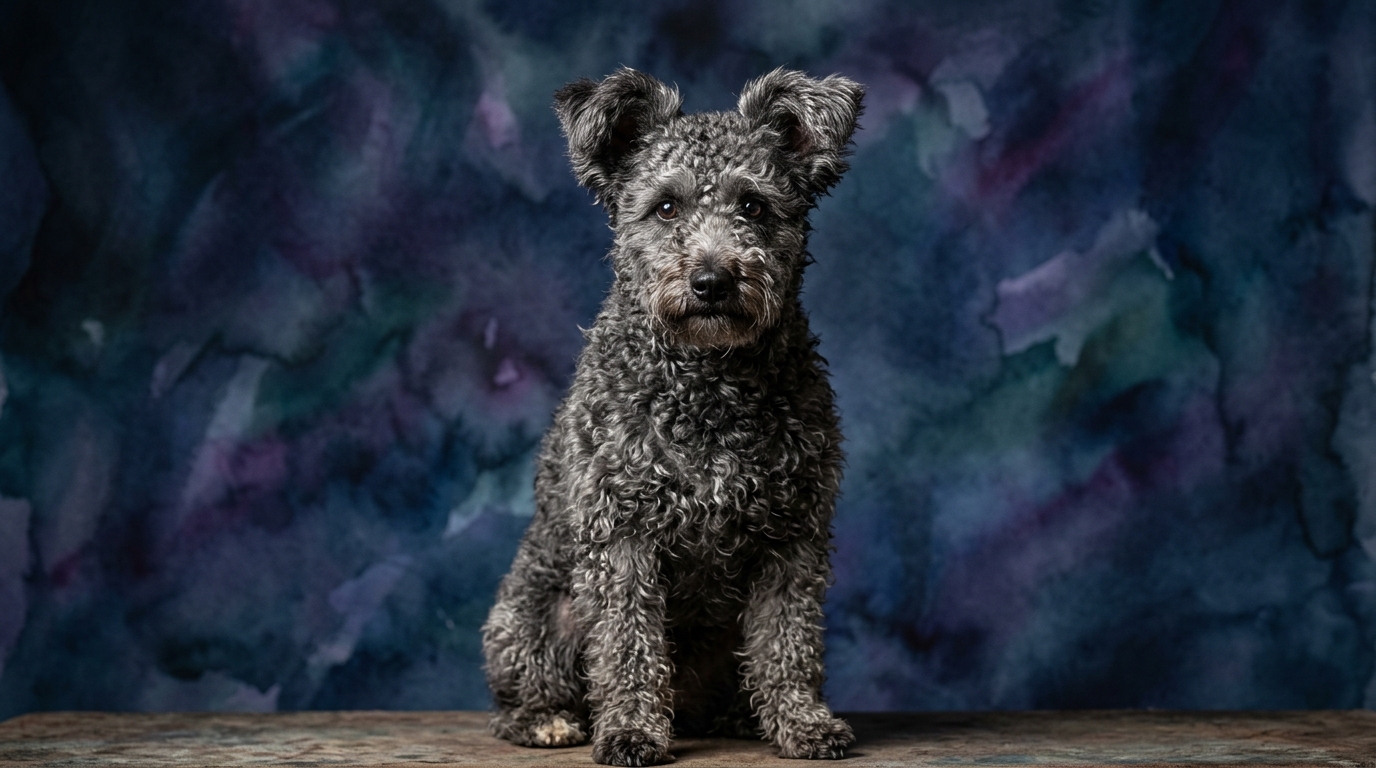
The Pumi's problem-solving ability (3/5) is rooted in its herding heritage, where independent thought is crucial for managing livestock. This manifests as creative solutions to environmental challenges, such as figuring out how to move a stubborn animal or navigate complex terrain. They aren't just following commands; they're actively assessing situations and adapting. Possessing a keen desire to work and a natural responsiveness, Pumis absorb new commands and routines with moderate speed (3/5). Their quick understanding is often coupled with an independent streak, meaning they learn quickly but might test boundaries or require consistent, engaging methods to maintain focus.
Pumis are highly attuned to their human companions and flock, demonstrating a capacity for social intelligence (3/5) to read cues and adapt their behavior. This social awareness contributes to their effectiveness as herders, allowing them to anticipate needs and intentions, but also means they thrive on interaction and can become bored or destructive if isolated. Their strong herding instinct is a defining characteristic, driving them to chase, gather, and control (3/5). This isn't just a simple urge; it's a complex, coordinated drive that requires focus and energy, often manifesting in a persistent, purposeful approach to tasks and play. Pumis exhibit a good memory (3/5) for commands, routines, and experiences, which is essential for retaining complex herding patterns and recognizing familiar faces or territories. They recall training well over time, but their independent nature means consistent reinforcement is still valuable.
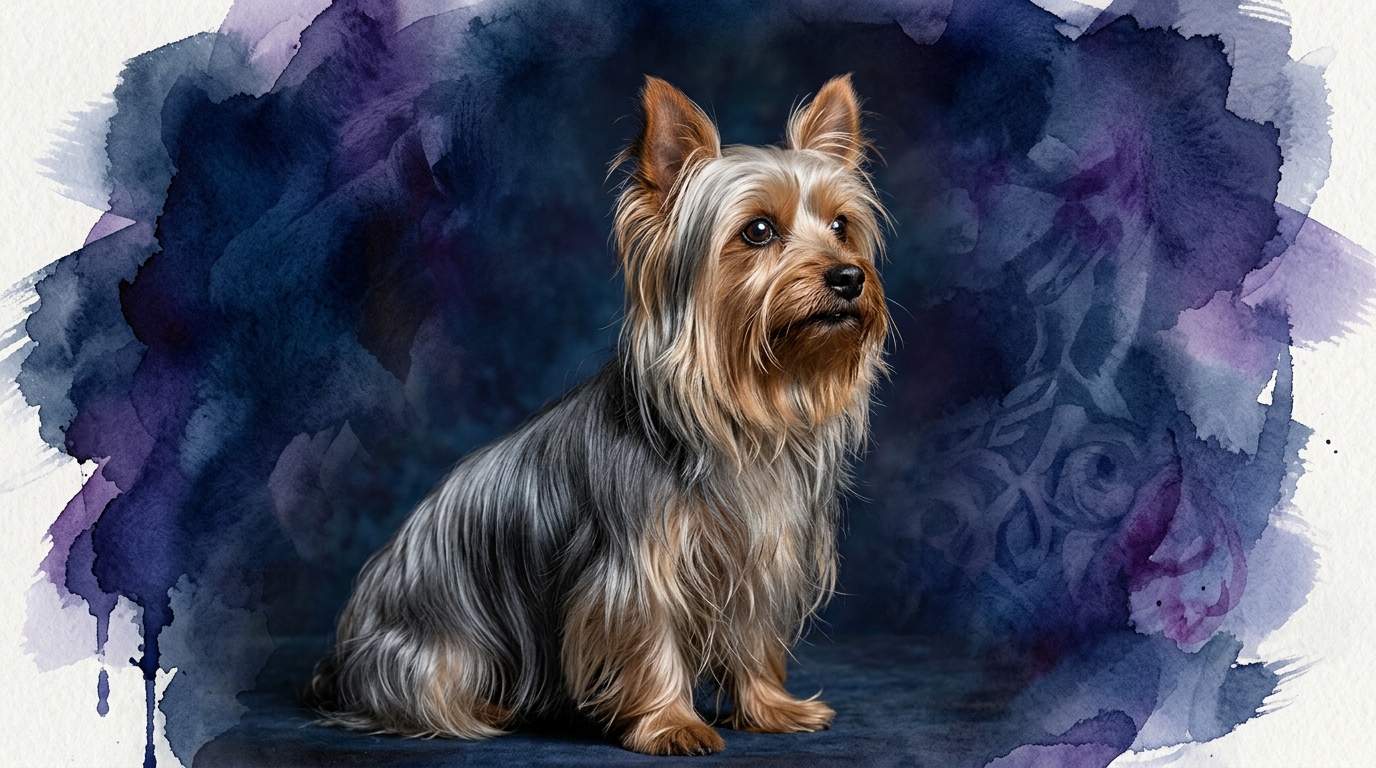
For a Silky Terrier, problem-solving (3/5) often revolves around navigating their domestic environment or achieving desired outcomes like getting a favored toy or attention. Their 3/5 score suggests they are adept at figuring out how to manipulate objects, open cabinets, or strategize to get what they want, often with a mischievous flair. Silkys can learn commands and tricks at a moderate pace (3/5), often eager to please their favored people. Their terrier tenacity, however, means they might also have their own ideas about what's important, requiring patient, positive reinforcement and making training a collaborative, engaging effort rather than rote memorization.
These small but mighty dogs display a significant capacity for social bonding and understanding household dynamics, scoring 3/5 in social intelligence. They read human emotions and intentions well, using this insight to form strong attachments and sometimes to subtly influence their owners, showcasing a savvy understanding of their social world. The Silky Terrier's instinctive drive (3/5) is deeply rooted in its ratting heritage, manifesting as a keen desire to chase, dig, and explore. This drive is persistent and energetic, pushing them to investigate every scent and movement, and can be a powerful motivator in play and training if channeled appropriately. Silkys possess a solid memory (3/5) for past experiences, routines, and the location of favored items or people. They will remember where they buried a toy or how a particular command leads to a reward, contributing to their ability to learn and adapt to household life with consistency.
Where the Pumi Excels Cognitively
The Pumi's cognitive strengths shine particularly in scenarios requiring independent assessment and adaptable application of learned behaviors within a dynamic environment. Their 3/5 problem-solving isn't just about simple tasks; it’s about anticipating, reacting, and adjusting strategies in real-time, much like a chess player. This manifests powerfully in canine sports like agility or obedience, where they must interpret complex courses on the fly, demonstrating a fluid and responsive cognitive style that leverages their herding instincts. Their herding background means their instinctive drive is often more directed and purposeful towards a specific 'task' even in play, allowing them to excel in activities that require sustained focus on an objective.
Where the Silky Terrier Excels Cognitively
The Silky Terrier's cognitive prowess is often underestimated due to their size, but their 3/5 scores reflect a sharp, quick-thinking mind particularly adept at navigating the nuances of a human household. They excel in what might be called 'domestic strategy,' figuring out intricate ways to achieve personal goals, whether it’s finding a dropped crumb or getting onto a forbidden couch. Their social intelligence, combined with their instinctive drive, allows them to be incredibly persuasive and tenacious in their pursuit of attention or desired outcomes, demonstrating a shrewd understanding of their environment and its inhabitants. They are masters of charming manipulation, using their understanding of human behavior to their advantage.
Training Ease: Pumi vs. Silky Terrier
When it comes to training, both breeds present unique considerations despite their identical 3/5 training speed. The Pumi, with its strong herding drive and desire to work alongside humans, often approaches training with a focused enthusiasm for complex tasks. They learn quickly when engaged, but their independent problem-solving means they might try to 'improve' on commands or find shortcuts, requiring a trainer who appreciates their thinking and can channel it. Consistency and varied exercises are key to keeping a Pumi stimulated and compliant, as their memory for routines can lead to boredom if not challenged.
The Silky Terrier, while also learning at a moderate pace, brings a distinct terrier tenacity to the training ring. They are quick to grasp new concepts, especially if rewards are enticing, but their inherent independence and strong prey drive can make them more prone to distraction or deciding a particular command isn't worth their effort at that moment. Training a Silky requires patience, positive reinforcement, and making the process fun and rewarding, often leveraging their desire for interaction rather than relying solely on strict obedience. Their memory ensures they retain what they learn, but their social intelligence means they might 'test' boundaries if not consistently reinforced.
Ideal Owners: Active vs. Relaxed Lifestyles
For active owners seeking a dynamic companion, the Pumi is an excellent match. Their 3/5 instinctive drive and problem-solving skills mean they thrive on regular physical exercise combined with mental challenges, such as advanced obedience, agility, or even herding trials. They require an owner who can consistently engage their intelligent mind and energetic body, providing ample opportunities for purposeful activity. A relaxed owner might find a Pumi becomes bored and expresses its frustration through undesirable behaviors, as their need for mental and physical exertion is significant.
The Silky Terrier, while energetic for a small dog, can adapt more readily to a moderately active lifestyle, making them suitable for owners who enjoy daily walks and interactive play but aren't necessarily looking for a running partner. Their 3/5 social intelligence means they genuinely enjoy being part of family activities, even if it's just cuddling on the couch, but still need consistent mental stimulation through puzzle toys and short training sessions. They can be a good fit for owners who appreciate a confident, spirited companion without the constant demands of a high-drive working dog, provided their problem-solving minds are kept busy.
The Verdict
Opt for a Pumi if you're an experienced, active owner eager to channel a dog's independent problem-solving and strong working drive into structured activities like dog sports or advanced training.
Select a Silky Terrier if you desire a spirited, confident companion who thrives on social interaction and moderate activity, excelling in domestic adaptability and charming tenacity.
🧠 Find Your Pet's IQ Score
Our Pet IQ Lab assessment covers 25+ tests across 5 cognitive dimensions — personalized to your breed.
Take the Full IQ Test →Frequently Asked Questions
Do Pumis and Silky Terriers get along with other pets?
Pumis, with their social intelligence, can coexist with other pets if properly socialized from a young age, often viewing them as part of their 'flock.' Silky Terriers, due to their terrier instincts, might have a stronger prey drive towards smaller animals, but can also live peacefully with other pets with careful introductions and supervision.
Are Pumis or Silky Terriers better for first-time dog owners?
Neither breed is typically recommended for absolute first-time dog owners due to their strong personalities and specific needs. Pumis require an owner experienced in channeling working dog energy, while Silkys benefit from owners familiar with terrier traits like independence and tenacity in training.
What kind of mental stimulation do these breeds need to prevent boredom?
Both breeds benefit from consistent mental enrichment. Pumis thrive on puzzle toys, scent work, and learning new, complex commands or tricks to satisfy their problem-solving and working drives. Silky Terriers enjoy interactive games, short training sessions, and toys that allow them to 'hunt' or dig safely, channeling their instinctive drives constructively.