Side-by-Side IQ Profile: Herding Agility vs. Working Resolve
The Cosmic Pet Pet IQ Lab assesses five key cognitive dimensions, and intriguingly, both the Pyrenean Shepherd and the Black Russian Terrier score a consistent 3/5 across all categories. This identical numerical rating, however, belies profound differences in how these breeds express their cognitive abilities, reflecting their specialized historical roles.
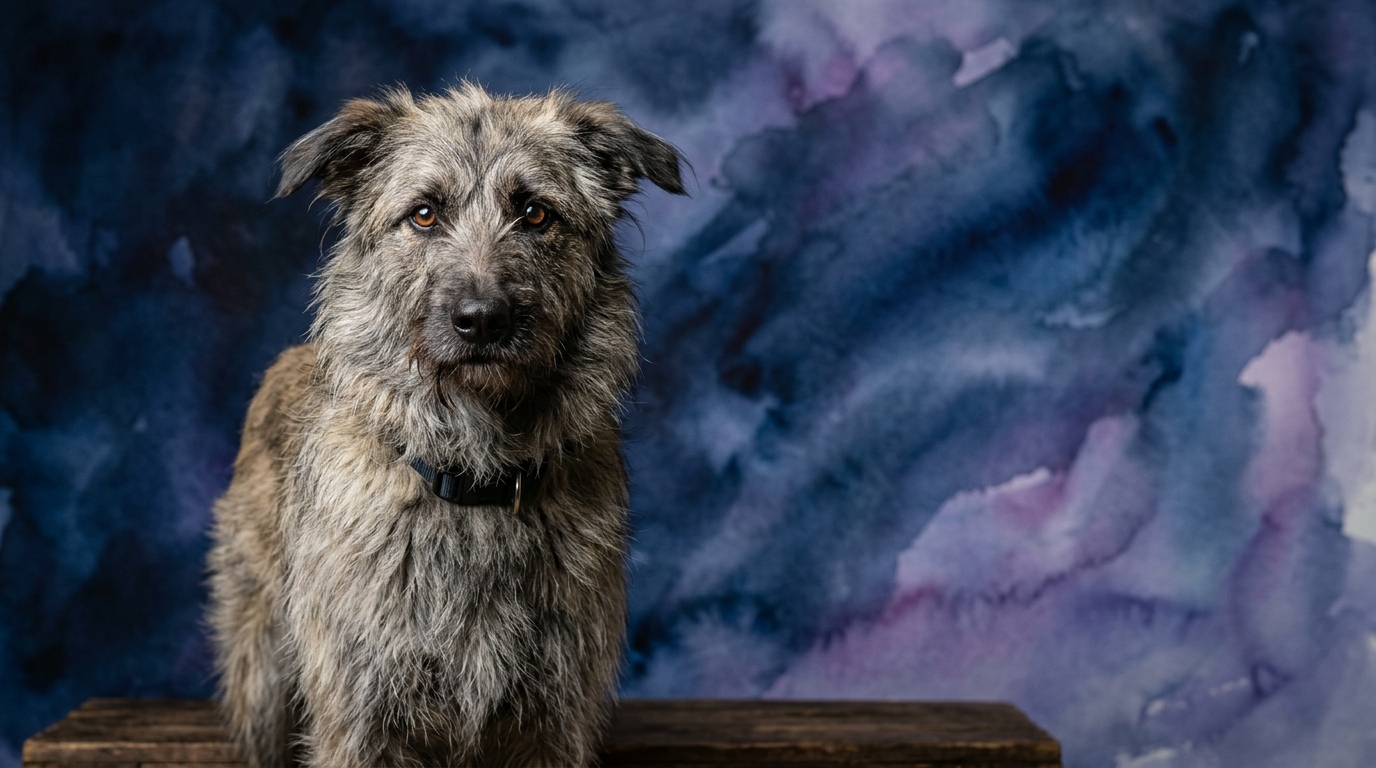
For the **Pyrenean Shepherd (Herding)**, a 3/5 rating across the board speaks to a balanced but intensely focused intellect geared towards dynamic environments. Their **Problem Solving (3/5)** isn't about brute force but about dynamic, on-the-spot tactical thinking. They excel at deciphering complex, live situations, such as anticipating the unpredictable movements of a flock or navigating varied terrain during a herding task. Their solutions are typically agile and adaptive, focusing on efficient movement and control within a constantly changing environment. They learn through observation and practical application, developing sophisticated strategies for managing scenarios involving other living beings, often requiring quick adjustments based on real-time feedback. A 3/5 in **Training Speed** indicates a solid capacity for acquiring new commands and tasks, especially when the training connects to a clear purpose or their innate drives. They thrive with consistent, engaging methods that tap into their desire to work alongside their human companions, rather than through rote repetition. Their **Social Intelligence (3/5)** is acutely geared towards interpreting subtle cues from both livestock and their human handlers, demonstrating an ability to gauge moods, intentions, and group dynamics to maintain order and cooperation. The core of their being is their **Instinctive Drive (3/5)** for herding, a powerful innate impulse to gather, move, and protect, which manifests as focused energy and a strong sense of purpose. Lastly, their **Memory (3/5)** is consistent for routines, commands, and past experiences, particularly strong for tasks related to their work or significant interactions, retaining complex sequences and learning from previous outcomes.
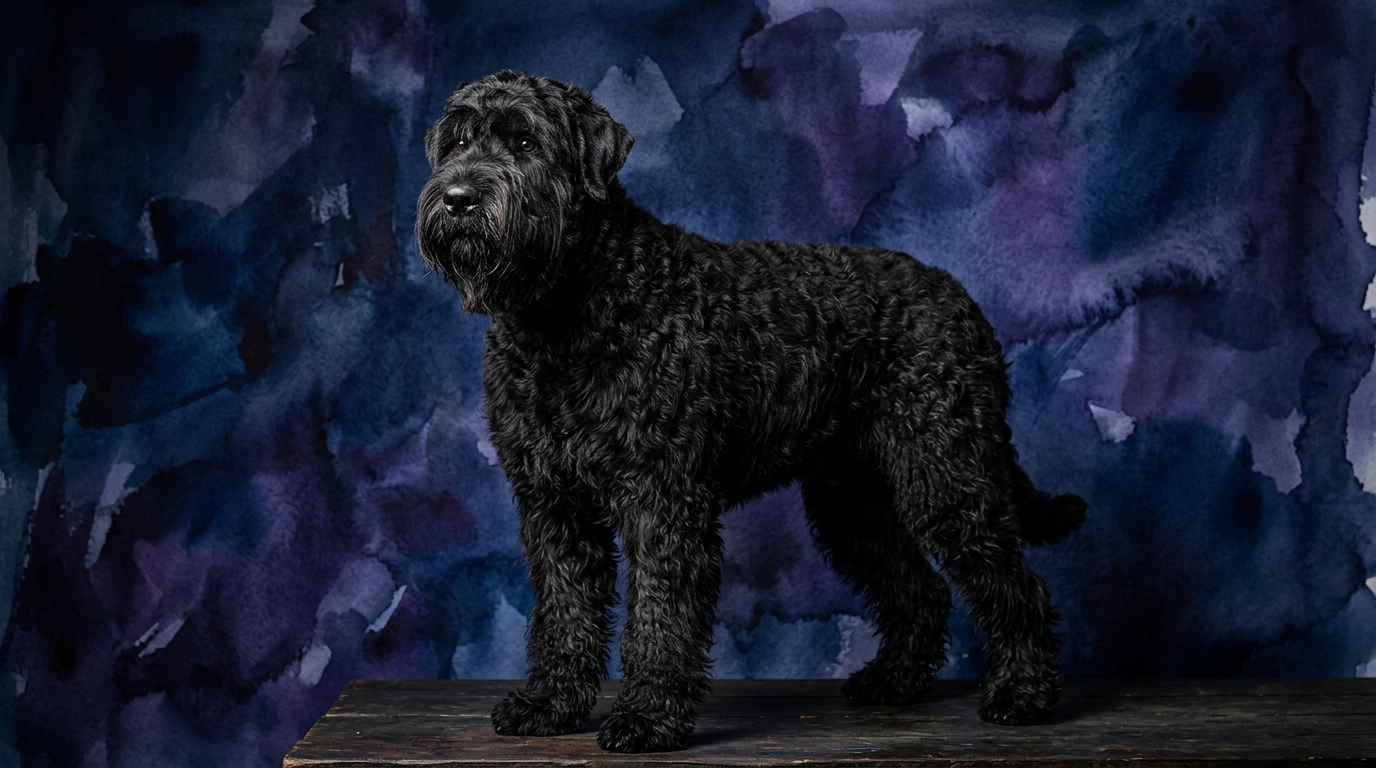
The **Black Russian Terrier (Working)**, also scoring 3/5 in every dimension, showcases a different, more deliberate manifestation of these cognitive traits, reflecting its origins as a robust military working dog. Their **Problem Solving (3/5)** often involves assessing threats, navigating obstacles with purpose, or executing complex protective duties. Their approach tends to be methodical, robust, and often physically assertive, focusing on achieving a defined objective with strength and precision, rather than the agile improvisation of a herding dog. They might strategize how to best contain a situation or overcome a physical barrier, valuing effectiveness and thoroughness in their solutions. Their 3/5 in **Training Speed** means they show a strong aptitude for acquiring and retaining complex commands, especially those involving obedience, protection, or specific tasks. Their learning benefits from structured, clear, and fair training that respects their powerful build and independent streak. This breed's **Social Intelligence (3/5)** is often directed towards discerning friend from potential foe and understanding hierarchical structures within their family unit, attuned to their owner's authority and intentions to perform protective roles effectively. Their formidable **Instinctive Drive (3/5)** centers on protection, guarding, and a strong territorial sense, profoundly manifesting as watchful vigilance and a deep commitment to their family and property. Finally, their **Memory (3/5)** is solid for commands, routines, and the individuals they encounter, aiding in building reliable obedience and consistent protective behavior, with an enduring recall of established boundaries and expectations.
Where the Pyrenean Shepherd Wins Cognitively
While both breeds exhibit a '3/5' in Problem Solving, the Pyrenean Shepherd's expression of this ability shines in dynamic, fluid environments. Their cognitive strength lies in rapidly assessing and reacting to ever-changing variables, such as a scattering flock, shifting terrain, or the subtle nuances of animal behavior. This isn't about brute force but about nuanced, on-the-fly tactical adjustments, predicting movement, and using subtle body language to influence others. Their social intelligence, also rated '3/5', is finely tuned to the collective consciousness of a group, whether sheep or people, allowing them to anticipate and guide rather than merely react. This makes them exceptional at orchestrating complex, live scenarios where foresight, quick decision-making, and gentle persuasion are paramount, often multi-tasking to manage several elements simultaneously. Their cognitive agility allows for constant adaptation and improvisation, a hallmark of their herding lineage.
Where the Black Russian Terrier Wins Cognitively
Conversely, the Black Russian Terrier's '3/5' in Problem Solving manifests as a more deliberate, robust approach, particularly valuable in tasks requiring steadfastness and precision. Their cognitive strength is evident in their capacity for evaluating situations for potential threats and executing protective strategies with unwavering resolve. This breed excels at structured problem-solving, like discerning an intruder from a welcomed guest, or mastering a multi-step obedience routine that requires both power and control. Their '3/5' instinctive drive leans heavily into territorial protection, making their memory and social intelligence particularly adept at identifying and recalling safe boundaries and individuals versus perceived threats. They are masters of consistent, reliable execution within a defined context, exhibiting a formidable focus and an enduring commitment to their assigned duties. Their cognitive processes prioritize thoroughness and unshakeable determination in their protective roles.
Which is Easier to Train and Why: Nuances in Learning Styles
Neither breed is inherently 'easy' in the sense of passive compliance, as both score a solid '3/5' in Training Speed, indicating a capable but not always biddable student. The Pyrenean Shepherd, with its herding background, often learns quickly when tasks are presented as engaging problems to solve, particularly if they tap into their innate drive to manage and control. They respond well to positive reinforcement and methods that allow them to feel like a partner in the process, but their independent spirit means repetitive, dull drills can lead to disengagement. Training them effectively means harnessing their quick intellect and desire for purpose, often through agility, herding games, or complex trick training that stimulates their quick-thinking nature. They need a handler who can keep up with their mental pace and provide consistent, varied challenges to maintain their interest and focus, channeling their problem-solving abilities productively.
The Black Russian Terrier, on the other hand, excels in structured obedience and task-oriented training, leveraging their '3/5' memory and instinctive drive for protection. They require a confident, consistent handler who establishes clear rules and expectations from an early age. While they learn commands efficiently, their strong will and powerful physique mean that training must be firm, fair, and commenced early to establish a clear hierarchy. They thrive on understanding their role and boundaries, and once committed, they perform with impressive reliability, often demonstrating a deep loyalty to their trainer. Their problem-solving abilities are frequently directed towards mastering a specific command or navigating an obstacle course with precision, rather than the improvisational fluidity seen in the Pyrenean Shepherd. This breed values a clear purpose and a strong leader, responding best to consistent methodology and a sense of shared objective.
Cognitive Needs: Active Engagement for Both
Both the Pyrenean Shepherd and the Black Russian Terrier demand active engagement from their owners, making neither suitable for a truly relaxed, sedentary lifestyle. The Pyrenean Shepherd, stemming from a lineage of tireless herders, possesses a relentless energy and a profound need for mental stimulation. An owner who can channel their '3/5' instinctive drive into activities like dog sports (agility, flyball), extensive hiking, or even actual herding work will find a devoted, engaged companion. Their cognitive abilities thrive when given complex problems to unravel and opportunities for independent thought and action, making them ideal for individuals who enjoy training challenges and outdoor adventures that push physical and mental boundaries. A lack of appropriate stimulation can lead to boredom and potentially destructive behaviors, as their problem-solving intellect seeks an outlet.
The Black Russian Terrier, while perhaps not displaying the same frantic pace as a herding dog, still requires considerable activity to satisfy their '3/5' instinctive drive and powerful physique. Their needs lean towards structured exercise, consistent training, and purposeful roles, such as protection sports, advanced obedience, or regular, vigorous walks and runs. They are better suited for owners who are active and enjoy a routine, providing consistent mental and physical challenges that reinforce their protective and working instincts. Their social intelligence and memory benefit from regular interaction and clearly defined roles within the family unit. A relaxed owner who cannot commit to their exercise and training needs may find this powerful breed challenging to manage, as their strong drives require consistent guidance and a clear understanding of their place in the world.
The Verdict
Choose the Pyrenean Shepherd if you desire an agile, mentally quick partner for dynamic activities, appreciate an independent thinker, and can provide extensive exercise and engaging problem-solving opportunities in a fluid environment.
Choose the Black Russian Terrier if you seek a powerful, steadfast companion for structured tasks, value a discerning guardian, and are prepared for consistent, firm training and dedicated physical activity that channels their protective instincts.
🧠 Find Your Pet's IQ Score
Our Pet IQ Lab assessment covers 25+ tests across 5 cognitive dimensions — personalized to your breed.
Take the Full IQ Test →Frequently Asked Questions
Are Pyrenean Shepherds good with other pets given their herding drive?
Pyrenean Shepherds can coexist with other pets, but their '3/5' instinctive herding drive means they may attempt to 'herd' smaller animals or children. Early socialization and consistent training are crucial to teach them appropriate interactions and redirect their natural impulses into acceptable outlets, preventing them from viewing other pets as 'livestock' to be managed.
How do Black Russian Terriers typically interact with strangers?
Black Russian Terriers, with their '3/5' social intelligence and strong protective drive, are generally reserved and discerning with strangers. They are not typically overtly friendly immediately and will assess new individuals, relying on their owner's cues to determine if a person is welcomed. Proper socialization from a young age is essential to ensure they are confident and appropriately selective, rather than fearful or overly aggressive.
Do identical IQ scores mean these breeds are equally easy to own for a first-time dog owner?
Identical IQ scores of '3/5' indicate similar cognitive potential, but not necessarily equal ease of ownership. Both breeds possess strong drives and require experienced handling, consistent training, and significant commitment, making them generally less suitable for first-time dog owners. Their specific cognitive strengths demand tailored approaches that novice owners may find challenging to implement effectively.