Side-by-Side IQ Profile: Unpacking the Shared Scores
Both breeds register a 3/5 across all five cognitive dimensions in The Cosmic Pet Pet IQ Lab. This doesn't mean they are identical in thought; rather, it indicates a moderate, adaptable level of cognitive function that manifests uniquely based on their breed heritage.
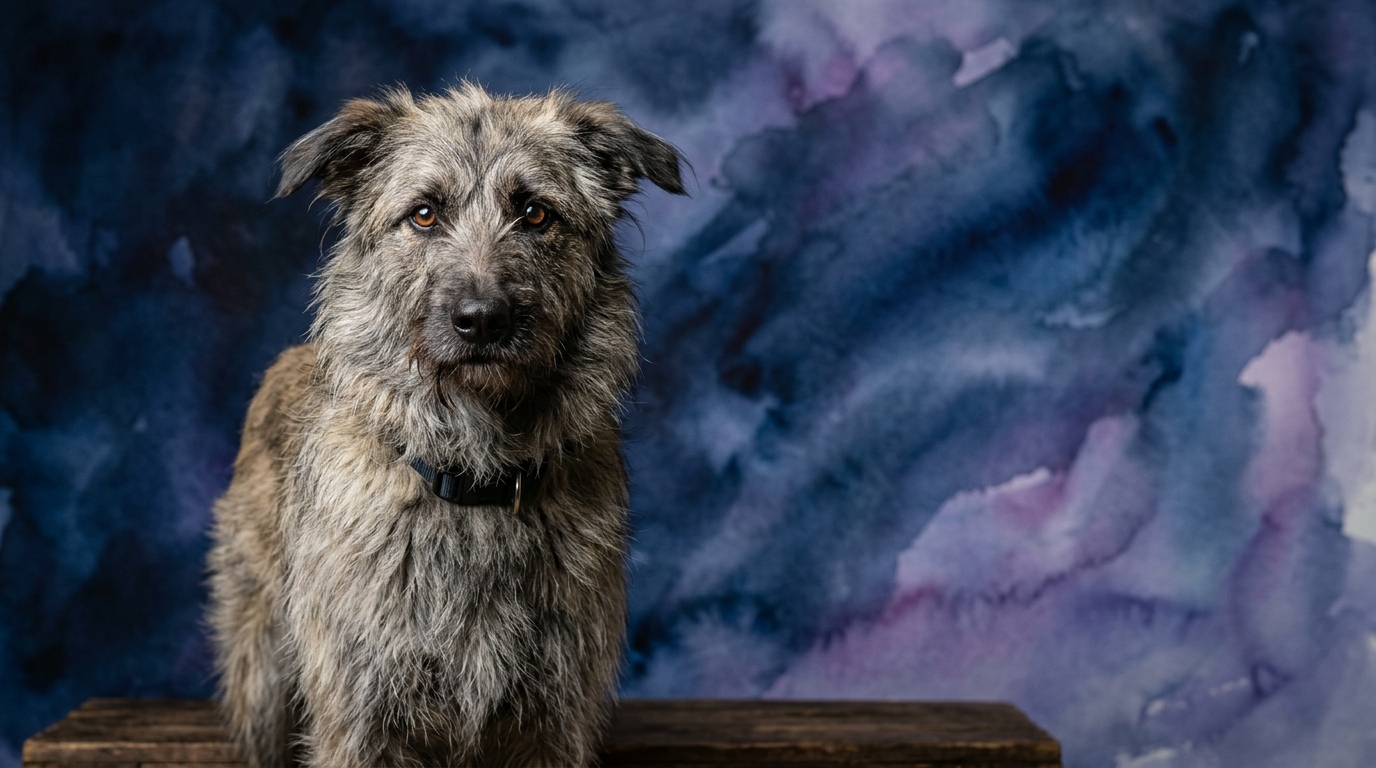
**Pyrenean Shepherd (Herding Group):** This breed typically demonstrates practical problem-solving (3/5), particularly in dynamic, real-world scenarios. They can quickly assess changing situations, such as livestock movement or an obstacle in their path, and adapt their approach; their solutions are often immediate and action-oriented, reflecting their historical role in managing flocks. They learn new commands at a moderate pace (Training Speed 3/5), thriving on consistency and clear direction, generally eager to please their handler, though their independent herding instinct means they may occasionally prioritize their own assessment over a direct command if not properly channeled. Pyrenean Shepherds possess a solid understanding of human cues and social structures within their familiar circle (Social Intelligence 3/5), reading intentions and moods, and forming deep, intuitive bonds with their family, while tending to be reserved with strangers, observing before engaging. Their predominant drive is herding (Instinctive Drive 3/5), a moderate but persistent urge to gather and control, manifesting as an attentiveness to movement, a desire to keep things in order, and sometimes a tendency to “herd” family members. They reliably recall learned commands, routines, and experiences (Memory 3/5), remembering specific training sequences and applying past lessons to new, similar situations for practical tasks and social interactions.
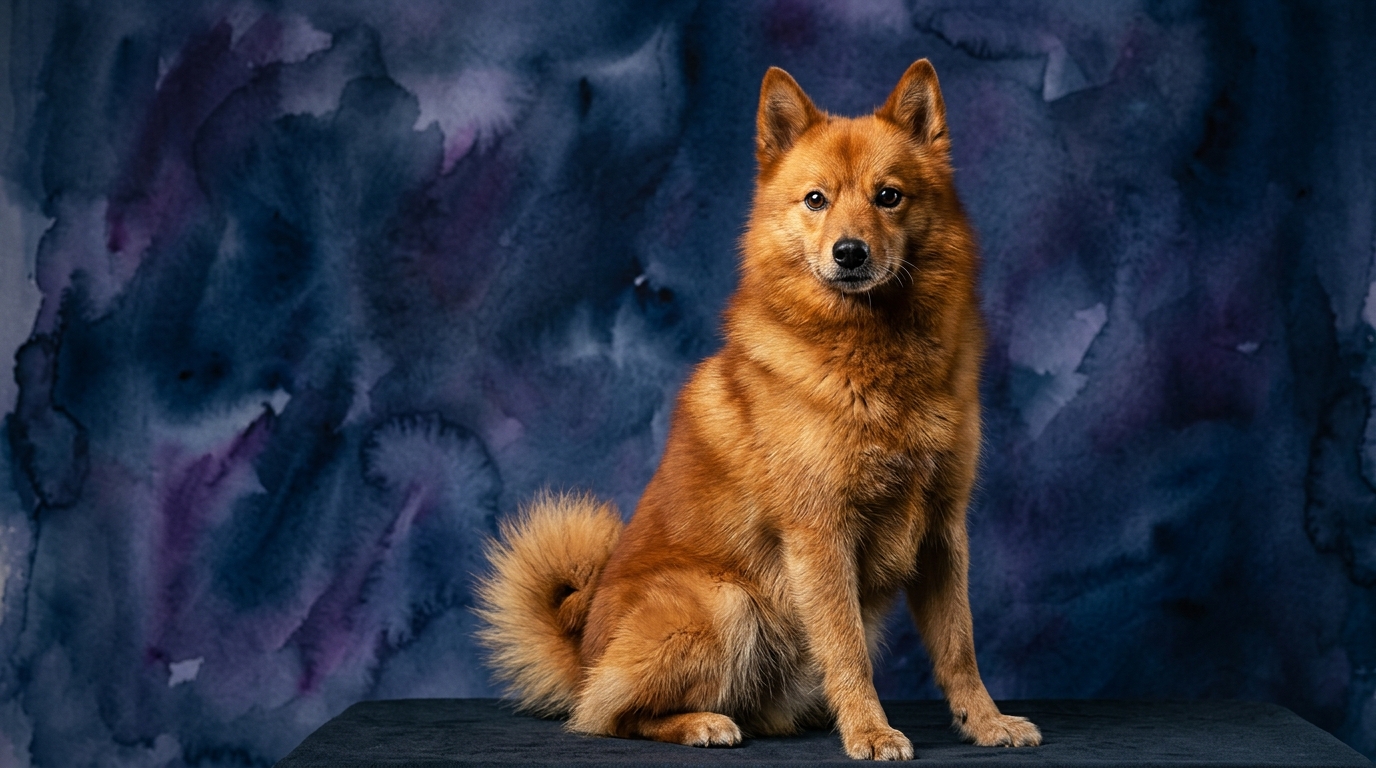
**Finnish Spitz (Non-Sporting Group):** The Finnish Spitz exhibits a pragmatic approach to problem-solving (3/5), often focused on their environment and sensory input; their historical role as hunting companions means they are adept at navigating terrain, locating game, and devising strategies to alert hunters, with solutions often more self-directed, aimed at achieving a personal goal like finding a scent. These dogs learn new behaviors at a moderate rate (Training Speed 3/5), responding best to positive reinforcement and engaging methods, but their independent streak, a hallmark of many primitive hunting breeds, means they might require more patience and creative motivation, with consistency being key. Finnish Spitzes are generally perceptive of their family's emotions and household dynamics (Social Intelligence 3/5), attuned to the mood of their human companions, often offering comfort, but can be aloof or watchful with unfamiliar people, characteristic of a breed with a strong sense of territory. Their primary drives revolve around vocalization and a keen prey instinct (Instinctive Drive 3/5), possessing a persistent urge to “bark at game,” a trait bred into them for hunting, meaning they are alert to novel stimuli, quick to investigate, and express themselves vocally. They demonstrate a good memory (3/5) for routines, learned commands, and significant events, remembering specific locations where they've found interesting things or past interactions, contributing to their ability to navigate their environment.
Where the Pyrenean Shepherd Excels Cognitively
While both breeds share identical numerical scores, the Pyrenean Shepherd's cognitive strengths often manifest in areas requiring dynamic adaptation and partnership. Their 3/5 problem-solving ability, for instance, is finely tuned for fluid, real-time decision-making in a collaborative context. A Pyrenean Shepherd might more readily adjust a herding pattern based on a handler's subtle body language or a sudden change in animal behavior, demonstrating a practical, responsive intellect. This contrasts with a more independent, self-directed problem-solving style. Their social intelligence, though rated 3/5, often includes a deep capacity for reading human *intentions* related to work or shared tasks, making them particularly adept at anticipating next steps in a joint activity. This breed's memory, also 3/5, is often exceptional for sequences of commands and complex routines, allowing them to perform intricate tasks reliably over time once learned.
Where the Finnish Spitz Excels Cognitively
The Finnish Spitz, with its identical 3/5 cognitive scores, showcases its own distinct set of strengths, particularly in areas demanding independent observation and environmental awareness. Their 3/5 problem-solving often shines when left to their own devices, such as figuring out how to access a hidden treat or navigating a complex scent trail. This reflects their hunting heritage where initiative was prized. Their instinctive drive, also 3/5, is specifically oriented towards their environment, manifesting as exceptional alertness and a refined ability to detect subtle changes in their surroundings, whether it's a squirrel in the yard or an unfamiliar sound. This acute environmental awareness, combined with their 3/5 memory, allows them to recall specific locations of interest or potential “threats,” making them exceptionally vigilant watchdogs. Their social intelligence, while 3/5, often leans towards a profound understanding of the household's emotional climate, sensing tension or joy and reacting with appropriate, albeit sometimes subtle, social cues.
Which is Easier to Train and Why
Despite both breeds scoring 3/5 in training speed, the *approach* to training and the *ease* of achieving consistent results can differ significantly due to their behavioral predispositions. The Pyrenean Shepherd, with its strong herding instinct and historical role as a working partner, often possesses an inherent desire to collaborate. While they have independent thought, their social intelligence (3/5) and instinctive drive (3/5 for herding) often translate into a dog that *wants* to work *with* their human. They respond well to clear, consistent instruction and positive reinforcement, often seeing training as a shared endeavor. Their high energy and focus, when properly channeled, can make them quick learners for complex sequences.
The Finnish Spitz, conversely, though also rated 3/5 for training speed, brings a more independent spirit to the training process. Their historical role as an independent hunting dog means they were bred to make their *own* decisions in the field, often working at a distance from the hunter. This independence can manifest as a tendency to weigh commands against their own perceived interests. While they can learn quickly, especially when motivated by high-value rewards, their training requires exceptional patience, creativity, and a deep understanding of their unique motivations. Their strong prey drive and vocalization instinct (3/5) mean that managing distractions and channeling these natural behaviors is a constant part of their training journey. Therefore, while both learn, the *path* to a well-trained Pyrenean Shepherd often feels more collaborative, whereas with a Finnish Spitz, it can feel more like negotiation.
Which Suits Active Owners vs Relaxed Owners
For the active owner seeking a diligent partner, the **Pyrenean Shepherd** is generally the more suitable choice. Their 3/5 instinctive drive for herding translates into a need for regular, engaging activity that stimulates both their body and mind. They thrive on having a “job” to do, whether it's agility, herding trials, long hikes, or complex obedience training. Their problem-solving (3/5) and memory (3/5) are well-suited for learning and executing intricate tasks, making them excellent companions for outdoor adventurers or those involved in dog sports. A Pyrenean Shepherd needs an owner who can consistently provide structured activity and mental challenges to prevent boredom and redirected energy.
For the owner who appreciates a more self-sufficient companion, albeit with specific needs, the **Finnish Spitz** might be a better fit, but with caveats. While they are not “relaxed” in the sense of being sedentary, their activity needs often revolve around bursts of intense play, scent exploration, and vigilant observation. Their 3/5 instinctive drive (vocalization, prey) means they require stimulation that allows them to express these natural behaviors safely. They enjoy walks, secure yard play, and opportunities to “hunt” for toys or treats. However, they are less likely to demand constant, collaborative work like a Pyrenean Shepherd. A Finnish Spitz owner needs to be prepared for their vocal nature and independent streak, providing a secure environment and consistent training, but might not need to commit to the same level of structured, partner-oriented activities daily. They are more suited to owners who enjoy quiet companionship punctuated by enthusiastic bursts of activity and who appreciate a dog with a strong, independent personality.
The Verdict
Choose the Pyrenean Shepherd if you desire an engaged, collaborative partner for demanding activities and appreciate a dog whose cognitive strengths shine in dynamic, partnership-oriented tasks. They thrive with consistent guidance and purpose, making them ideal for active owners seeking a working companion.
Opt for the Finnish Spitz if you value an independent, observant companion with a keen sense of its environment, and are prepared to manage its vocal nature and strong prey drive with patience and creativity. They suit owners who appreciate a dog with a distinct personality and can provide engaging, but often self-directed, mental stimulation.
🧠 Find Your Pet's IQ Score
Our Pet IQ Lab assessment covers 25+ tests across 5 cognitive dimensions — personalized to your breed.
Take the Full IQ Test →Frequently Asked Questions
Do Pyrenean Shepherds and Finnish Spitzes learn at the same pace?
While both breeds score 3/5 in training speed, their underlying motivations differ. Pyrenean Shepherds often learn quickly when engaged in collaborative tasks, while Finnish Spitzes, due to their independent nature, may require more creative motivation and patience.
Which breed is better at problem-solving?
Both score 3/5 in problem-solving, but their applications differ. Pyrenean Shepherds excel in practical, dynamic problem-solving related to their environment and human partnership, whereas Finnish Spitzes often apply their problem-solving to independent environmental exploration or achieving self-motivated goals.
How does their social intelligence compare?
Both have a 3/5 social intelligence score. Pyrenean Shepherds often display this through a deep understanding of human work cues and family dynamics, while Finnish Spitzes are attuned to household emotions and can be more reserved with strangers, reflecting their independent nature.