Side-by-Side Cognitive Profiles
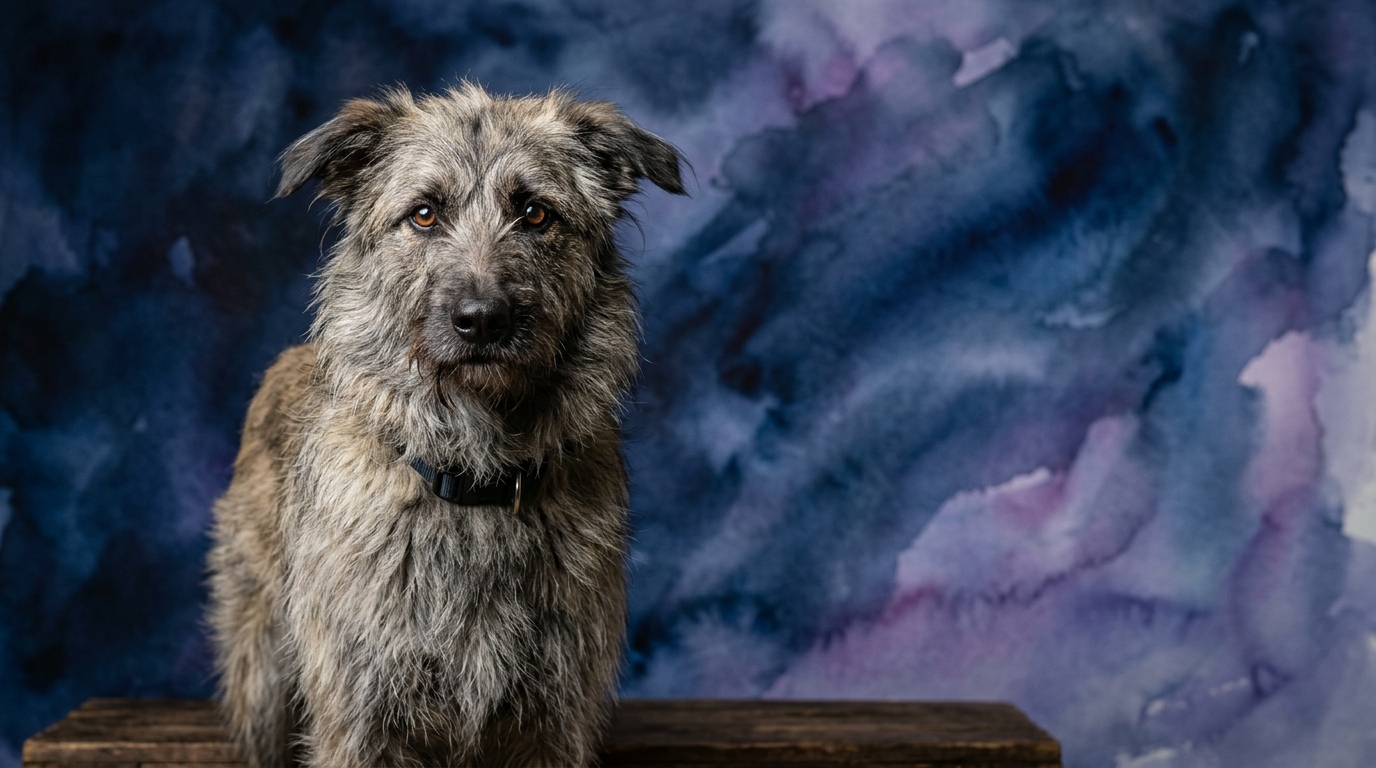
The Pyrenean Shepherd, a spirited herding dog, presents a balanced cognitive profile across our five dimensions. Its problem-solving is rated at 3/5, indicating a capacity for practical solutions, often relying on instinctual patterns within dynamic environments. Training speed also stands at 3/5, suggesting a moderate pace of command acquisition, requiring consistent and engaging methods to maintain focus. Social intelligence, at 3/5, reflects an ability to read and respond to human and animal cues, crucial for its herding role, yet with a degree of independent thought. Its instinctive drive is a solid 3/5, channeling its natural urges into purposeful action, while memory, also 3/5, implies a reliable but not instantaneous recall of learned behaviors and environmental details.
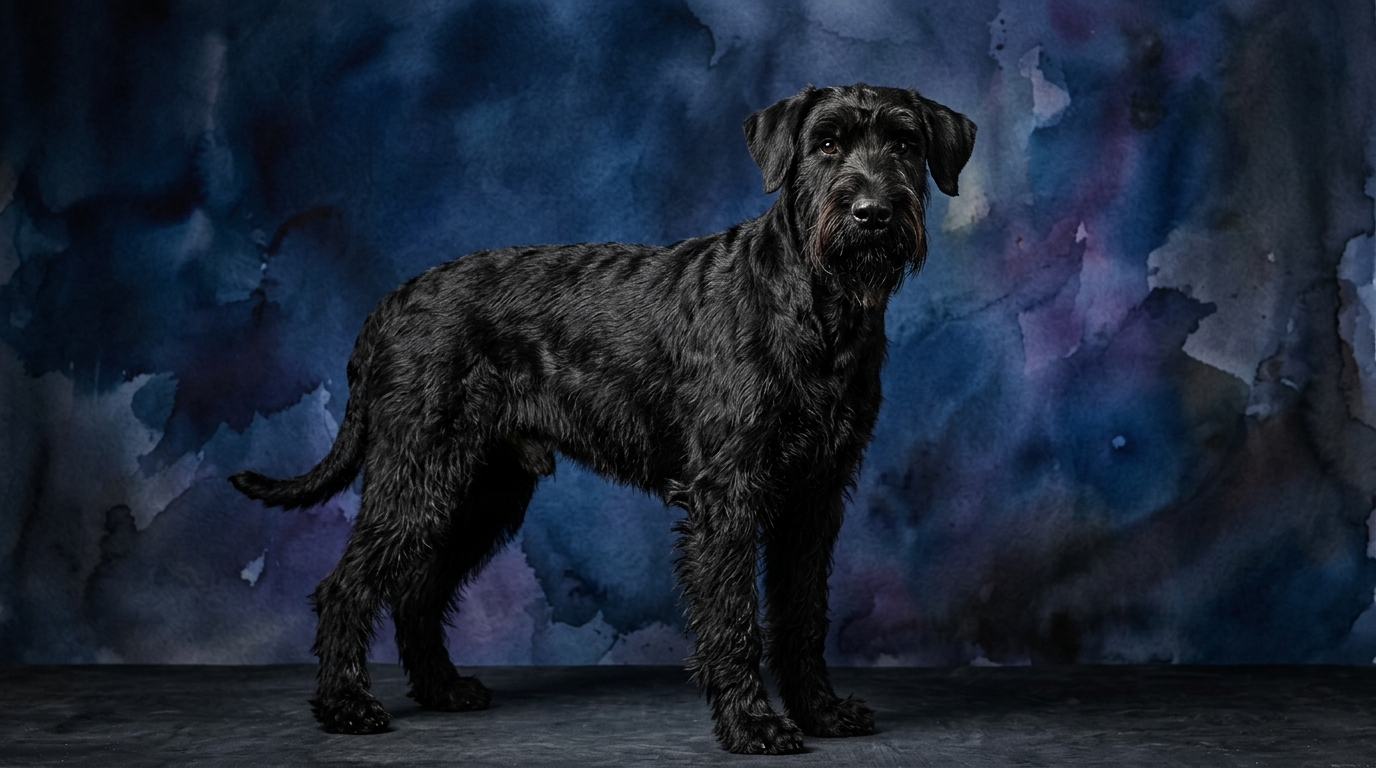
In contrast, the Giant Schnauzer, a robust working breed, demonstrates a cognitive profile geared towards precision and structured tasks. Its problem-solving capabilities are rated higher at 4/5, signifying a strong ability to analyze novel situations and devise effective strategies, often through abstract reasoning. Training speed is also a notable 4/5, indicating a quicker grasp of new commands and sequences, making it responsive to directive instruction. Social intelligence is a 3/5, similar to the Pyrenean Shepherd, suggesting an awareness of social dynamics but perhaps expressed with a more direct, less nuanced approach. Its instinctive drive is 3/5, channeled effectively into protection or utility work, while its memory score of 4/5 highlights an impressive capacity for retaining complex information and experiences over time.
Where the Pyrenean Shepherd Excels Cognitively
While the Giant Schnauzer shows higher scores in several metrics, the Pyrenean Shepherd’s cognitive strengths lie in its nuanced application of intelligence within fluid, less predictable situations. Its 3/5 scores across problem-solving, social intelligence, and instinctive drive, when combined, paint a picture of a dog adept at autonomous decision-making in dynamic environments. Imagine a Pyrenean Shepherd independently assessing a scattered flock, making split-second choices about which sheep to move, and subtly adjusting its approach based on their responses. This is not about executing a pre-programmed sequence but about adaptive, real-time problem-solving that leverages its instinctive drive and social awareness to manage a live, unpredictable 'puzzle.'
This breed's cognitive edge often manifests in its ability to read subtle environmental cues and respond with appropriate, often self-initiated, actions. Its moderate memory and training speed mean it learns from experience but retains an independent streak, making it less prone to simply waiting for direction and more inclined to initiate solutions based on its assessment of a situation. For owners who value a dog capable of thoughtful, independent action in complex, changing scenarios, the Pyrenean Shepherd's blend of cognitive traits offers a unique advantage.
Where the Giant Schnauzer Takes the Lead Cognitively
The Giant Schnauzer’s cognitive profile clearly positions it as a leader in structured learning, complex task execution, and robust memory retention. Its 4/5 scores in problem-solving, training speed, and memory highlight a capacity for abstract reasoning and rapid, precise acquisition of information. This breed excels when presented with defined tasks that require methodical thought and a sequence of learned behaviors, making it highly suitable for roles demanding consistency and accuracy, such as protection work, advanced obedience, or competitive dog sports.
A Giant Schnauzer’s superior problem-solving means it can often work through novel challenges with a logical progression, rather than relying solely on trial-and-error or instinct. Its faster training speed translates to quicker mastery of intricate commands, while its strong memory ensures these learned behaviors are retained with remarkable fidelity. This combination allows for the development of extensive repertoires of skills, making the Giant Schnauzer a prime candidate for owners seeking a dog that can reliably perform sophisticated duties and engage in mentally stimulating, structured activities.
Training Dynamics: Which is Easier and Why?
When considering ease of training, the Giant Schnauzer generally presents a more straightforward path due to its higher training speed (4/5) and memory (4/5). These scores indicate that a Giant Schnauzer will typically grasp new commands more quickly and retain them with fewer repetitions. Their inclination towards structured learning and desire to work closely with their handler often results in a dog that is eager to please and highly responsive to consistent, clear instruction. This translates into a smoother training process for complex routines or precision-based tasks, as they are adept at connecting actions with consequences and remembering long sequences of commands.
The Pyrenean Shepherd, with its 3/5 training speed and memory, requires a more creative and patient approach. While capable of learning, its strong independent streak, a hallmark of its herding lineage, means it might question commands or prioritize its own assessment of a situation over immediate compliance. Training a Pyrenean Shepherd often involves more engagement, variety, and understanding of their motivation, rather than purely directive methods. Owners might find success by making training feel like a collaborative problem-solving game rather than a strict lesson, working with their dog's natural instincts rather than against them. This doesn't mean they are difficult, but rather that their cognitive process in training is different, demanding a more nuanced handler.
Matching Breeds to Owner Lifestyles
For active owners who thrive on structured engagement and precise task work, the Giant Schnauzer is an exceptional match. Its cognitive profile supports consistent training, advanced obedience, and rigorous physical activities that involve clear objectives, such as agility, competitive protection sports, or even service work. These dogs flourish when given a 'job' that requires mental rigor and physical prowess, and they form strong partnerships with handlers who provide clear direction and consistent challenges. A Giant Schnauzer owner will enjoy the process of teaching complex skills and seeing their dog execute them with precision.
Owners seeking a dog for more independent, adaptive work, or those who appreciate a canine partner with a nuanced, self-directed approach to problem-solving, might find the Pyrenean Shepherd more appealing. While also requiring significant activity, their mental engagement often revolves around less structured, more dynamic scenarios – think long hikes where they can 'herd' the family, or engaging in scent work that allows for independent exploration and decision-making. Relaxed owners, in the sense of those seeking a low-engagement companion, would find both breeds challenging, as both demand substantial mental and physical stimulation to prevent boredom and undesirable behaviors. However, for active owners who enjoy a dog that thinks for itself within a framework, the Pyrenean Shepherd offers a unique, collaborative experience.
The Verdict
Choose the Pyrenean Shepherd if you value a thinking partner adept at independent, adaptive problem-solving in dynamic, less structured environments, and are prepared for a more nuanced training approach.
Opt for the Giant Schnauzer if you seek a highly trainable, precise, and reliable companion for structured tasks, advanced obedience, and consistent, directive work.
🧠 Find Your Pet's IQ Score
Our Pet IQ Lab assessment covers 25+ tests across 5 cognitive dimensions — personalized to your breed.
Take the Full IQ Test →Frequently Asked Questions
Do Pyrenean Shepherds make good family pets?
Yes, Pyrenean Shepherds can be wonderful family pets for active households that understand their need for mental stimulation and consistent, positive training. They are typically loyal and form strong bonds with their families, thriving on inclusion in daily activities.
Are Giant Schnauzers good with children?
Giant Schnauzers can be good with children, especially if raised with them from a young age and properly socialized. Their robust nature means supervision is always important, and they benefit from clear boundaries and training to ensure polite interactions with all family members.
Which breed requires more exercise?
Both breeds are high-energy dogs that require significant daily exercise and mental engagement. The Giant Schnauzer often thrives on structured, vigorous activity like running or advanced training, while the Pyrenean Shepherd also needs ample physical exertion, often preferring activities that engage its herding instincts or allow for independent exploration.