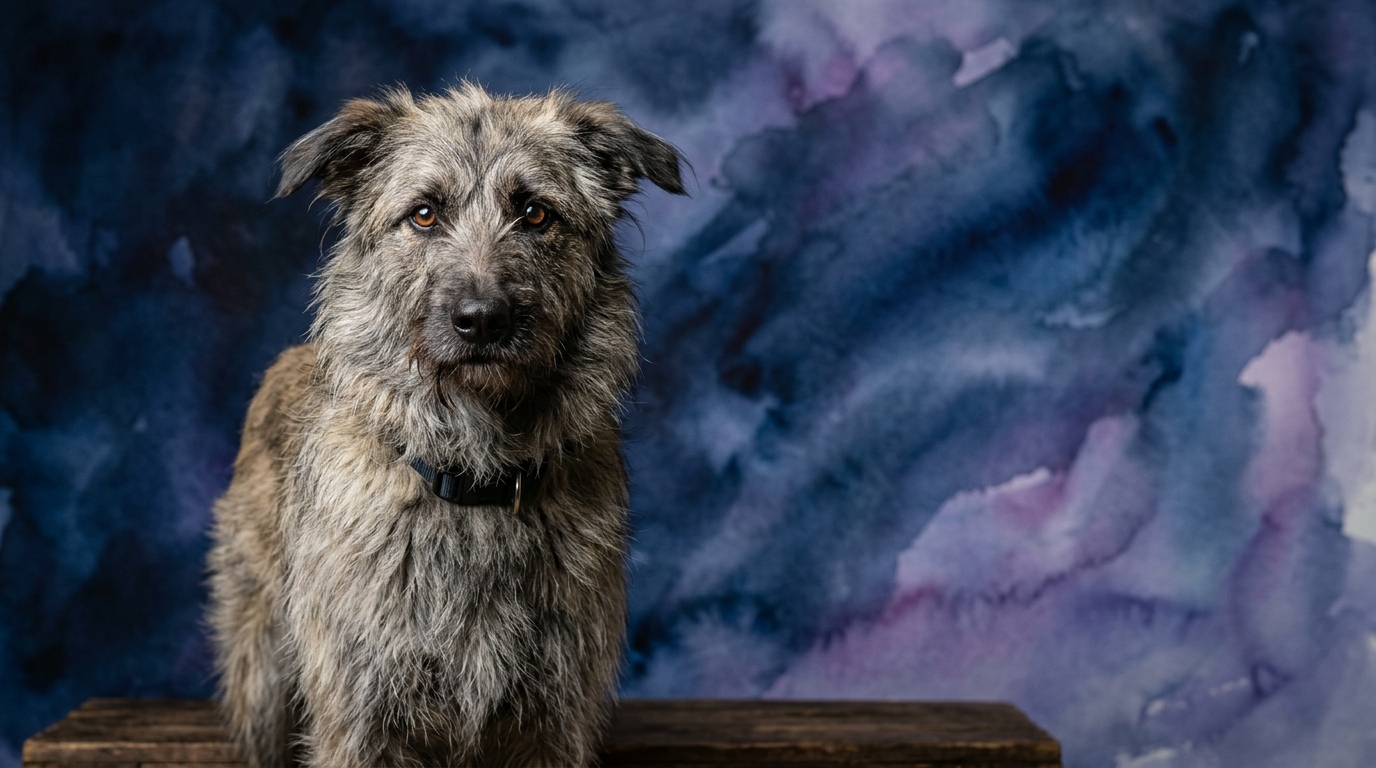
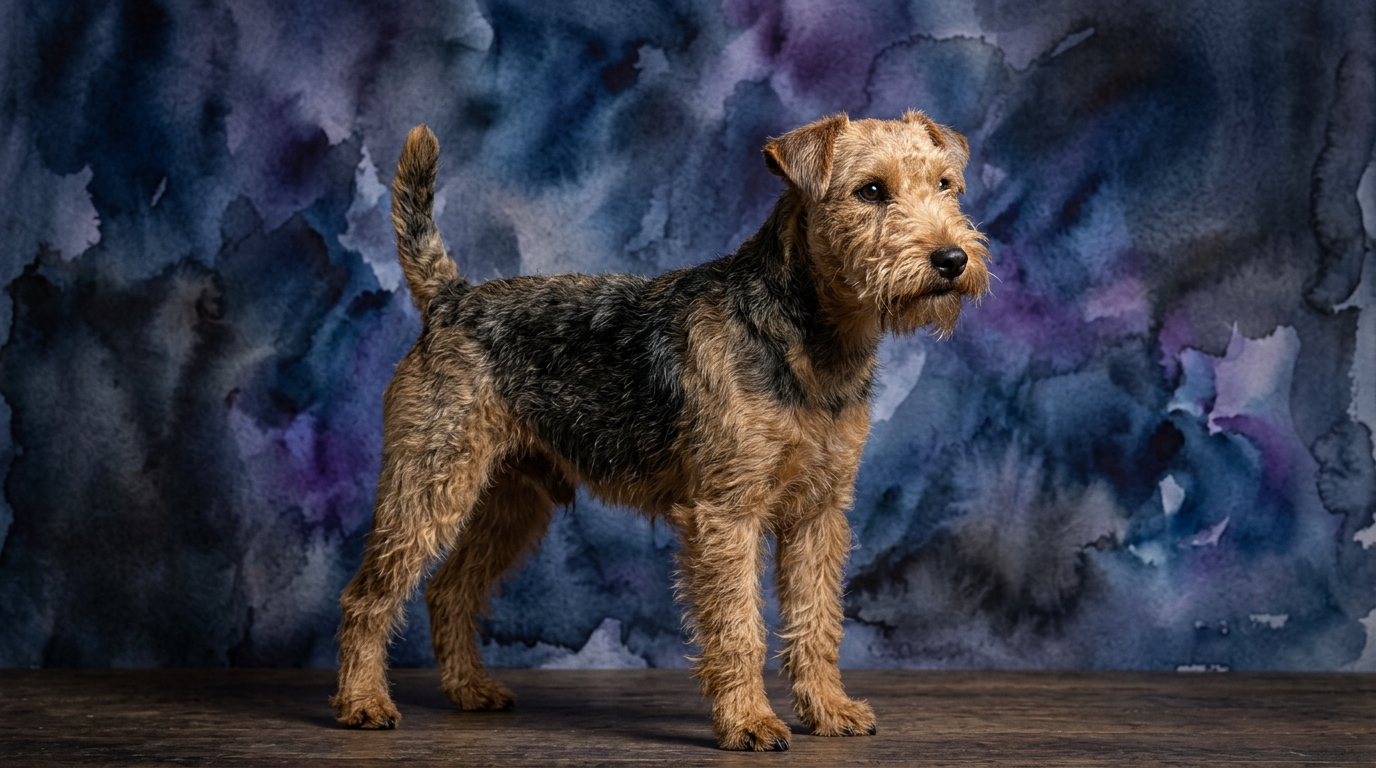
Side-by-Side Cognitive Profiles: Herding Wit vs. Terrier Grit
While both the Pyrenean Shepherd and the Lakeland Terrier register a consistent 3/5 across our five intelligence dimensions, the manifestation of these scores is deeply rooted in their breed-specific heritage and roles. Understanding this nuance is key to appreciating their individual cognitive strengths.
The Pyrenean Shepherd, a breed forged in the demanding environment of herding livestock in the Pyrenees mountains, displays its intelligence through a lens of cooperation and proactive management. Their problem-solving at 3/5 is often directed towards navigating complex flock dynamics, anticipating movements, and finding efficient ways to guide animals, frequently involving observation and strategic positioning. Training speed, also at 3/5, reflects their quick grasp of commands and routines when they perceive a clear purpose or partnership with their handler, though their independent thinking can lead to creative interpretations. Social intelligence, rated 3/5, allows them to keenly read human cues, understand the subtleties of their environment, and adapt to different working partners. Their instinctive drive, predictably 3/5, centers on a strong desire to gather, control, and protect, often extending to their human family. Finally, a 3/5 memory enables them to recall intricate routes, specific livestock behaviors, and a wide array of commands, crucial for their complex herding tasks.
Conversely, the Lakeland Terrier, originating from the Lake District of England where they were bred to hunt vermin in rocky terrain, applies its 3/5 intelligence in a more independent, persistent, and often audacious manner. Their problem-solving, also 3/5, manifests as ingenious methods for locating and dispatching prey, navigating tight spaces, or outwitting small animals, often requiring self-directed initiative. Training speed at 3/5 indicates they can learn rapidly, but their independent spirit means they often weigh whether a command aligns with their immediate interests, requiring engaging and consistent motivation. Social intelligence, rated 3/5, allows them to be astute observers of family dynamics, often understanding intentions and boundaries, though they are not above testing limits. Their instinctive drive, a robust 3/5, is powerfully geared towards hunting, digging, vocalizing, and relentless pursuit, reflecting their tenacious heritage. A 3/5 memory serves them well in recalling the locations of interesting scents, past successes in hunting or exploration, and which strategies yield the best personal rewards.
Where the Pyrenean Shepherd Shows its Cognitive Edge
Despite identical numerical scores, the Pyrenean Shepherd often demonstrates a cognitive edge in scenarios demanding collaborative effort and nuanced communication. Their herding lineage primes them for tasks requiring a keen awareness of group dynamics and a desire to work in sync with a human partner. This means they can excel in complex obedience routines, agility courses that require intricate sequencing, or even roles like service work where anticipating human needs and responding to subtle cues is paramount. Their problem-solving, while rated 3/5, is particularly strong when the solution involves strategic planning, such as moving objects or people from one point to another, or when it requires a 'big picture' understanding of a situation, rather than just focused persistence on a single target. They leverage their social intelligence to interpret human body language and vocal tones, allowing for a more fluid and responsive partnership in structured activities.
Where the Lakeland Terrier's Cognition Shines Brightest
The Lakeland Terrier, with its ingrained tenacity and independent spirit, typically excels in cognitive challenges that demand self-reliance and inventive persistence. Their 3/5 problem-solving often outshines in situations where a direct, handler-led approach might falter, such as figuring out how to open a child-proof gate, retrieving a toy from an awkward space, or navigating a novel environment without constant direction. Their strong instinctive drive fuels a relentless focus on tasks that appeal to their inherent desire to explore, dig, or 'hunt' for hidden items, making them highly effective in scent work or earthdog trials. While their training speed is 3/5, their memory is particularly effective at recalling what strategies led to personal gain, such as which family member is most likely to share food or which routes offer the most interesting smells. This makes them adept at learning through trial and error, often finding unconventional solutions that might surprise an owner accustomed to more 'team-player' breeds.
Training Dynamics: Partnering with a Pyrenean vs. Persuading a Lakeland
When it comes to training, the core differences in their breed roles become apparent, even with identical 3/5 training speed scores. The Pyrenean Shepherd, as a herding dog, generally approaches training as a collaborative effort. They are often eager to please and to engage in work with their handler, making them receptive to positive reinforcement and consistent guidance. Their strong social intelligence means they quickly pick up on what their human wants, and their 3/5 memory allows them to retain commands and routines well. However, their independent thinking, while valuable in herding, can sometimes translate to 'selective hearing' if they believe their own approach is superior or if they lack sufficient motivation. Training a Pyrenean Shepherd benefits from variety, mental challenges, and a strong, positive working relationship.
The Lakeland Terrier, on the other hand, often views training as a negotiation rather than an immediate compliance. Their 3/5 training speed means they are perfectly capable of understanding commands, but their powerful instinctive drive and independent problem-solving often mean they will weigh the immediate reward against their own desires. A Lakeland might learn a command quickly but choose not to execute it if there's a more interesting scent or perceived 'prey' nearby. This breed requires immense patience, creative training methods, and a firm, consistent approach that establishes clear boundaries while making training fun and rewarding. Their natural persistence means they will test limits, and owners must be prepared to consistently reinforce desired behaviors without becoming frustrated by their terrier's spirited independence.
Owner Suitability: Matching Minds to Lifestyles
The cognitive profiles of these two breeds distinctly shape their suitability for different owner lifestyles. The Pyrenean Shepherd thrives with active owners who enjoy engaging in structured activities and providing a 'job' for their dog. Their 3/5 instinctive drive for herding translates to a need for significant physical exercise and mental stimulation, such as dog sports like agility, obedience, or even practical herding work. Owners who appreciate a sensitive, cooperative partner and are prepared to engage in consistent, positive training will find the Pyrenean Shepherd a rewarding companion. They are best suited for environments where they have space to move and opportunities to channel their intellect into productive tasks, often forming deep, responsive bonds with their families.
The Lakeland Terrier also requires an active owner, but one who understands and embraces a different kind of drive. Their 3/5 instinctive drive for hunting and exploring means they need outlets for digging, chasing, and investigating. Owners who enjoy outdoor adventures, whether it's hiking, earthdog events, or simply robust play sessions, will appreciate the Lakeland's spirited energy. This breed benefits from owners who are firm, consistent, and creative in their training, recognizing that a Lakeland's intelligence often comes with a strong will. They are well-suited for families who can provide clear leadership and channel their terrier's tenacity into appropriate activities, preventing boredom that could lead to mischievous problem-solving. While affectionate, their independence means they might not always be seeking constant physical contact, preferring to explore their surroundings.
The Verdict
Choose the Pyrenean Shepherd if you seek a highly cooperative, sensitive partner for structured activities and a deep, responsive bond.
Opt for the Lakeland Terrier if you appreciate a tenacious, independent problem-solver with a spirited personality and enjoy channeling their natural drives.
🧠 Find Your Pet's IQ Score
Our Pet IQ Lab assessment covers 25+ tests across 5 cognitive dimensions — personalized to your breed.
Take the Full IQ Test →Frequently Asked Questions
Do Pyrenean Shepherds and Lakeland Terriers learn at the same pace?
Both breeds have a 3/5 training speed, indicating they are capable learners. However, the Pyrenean Shepherd often learns faster when motivated by cooperation, while the Lakeland Terrier learns quickly when the task aligns with their independent will or offers a clear, immediate reward.
Which breed is better at solving practical problems around the house?
The Pyrenean Shepherd excels at problems requiring cooperation or understanding complex sequences. The Lakeland Terrier often shines in independent problem-solving, like figuring out how to access forbidden areas or retrieving items, driven by their tenacious and inventive nature.
Are these breeds suitable for first-time dog owners?
Neither breed is typically recommended for novice owners without significant dedication. Both require consistent training, ample mental and physical stimulation, and owners who understand their distinct working drives and can provide strong, positive leadership.