Side-by-Side IQ Profile
At The Cosmic Pet Pet IQ Lab, we evaluate canine cognition across five key dimensions. While both the Pyrenean Shepherd and Miniature Bull Terrier register a consistent 3/5 across these metrics, the manifestation of these scores is deeply individual to each breed's history and temperament.
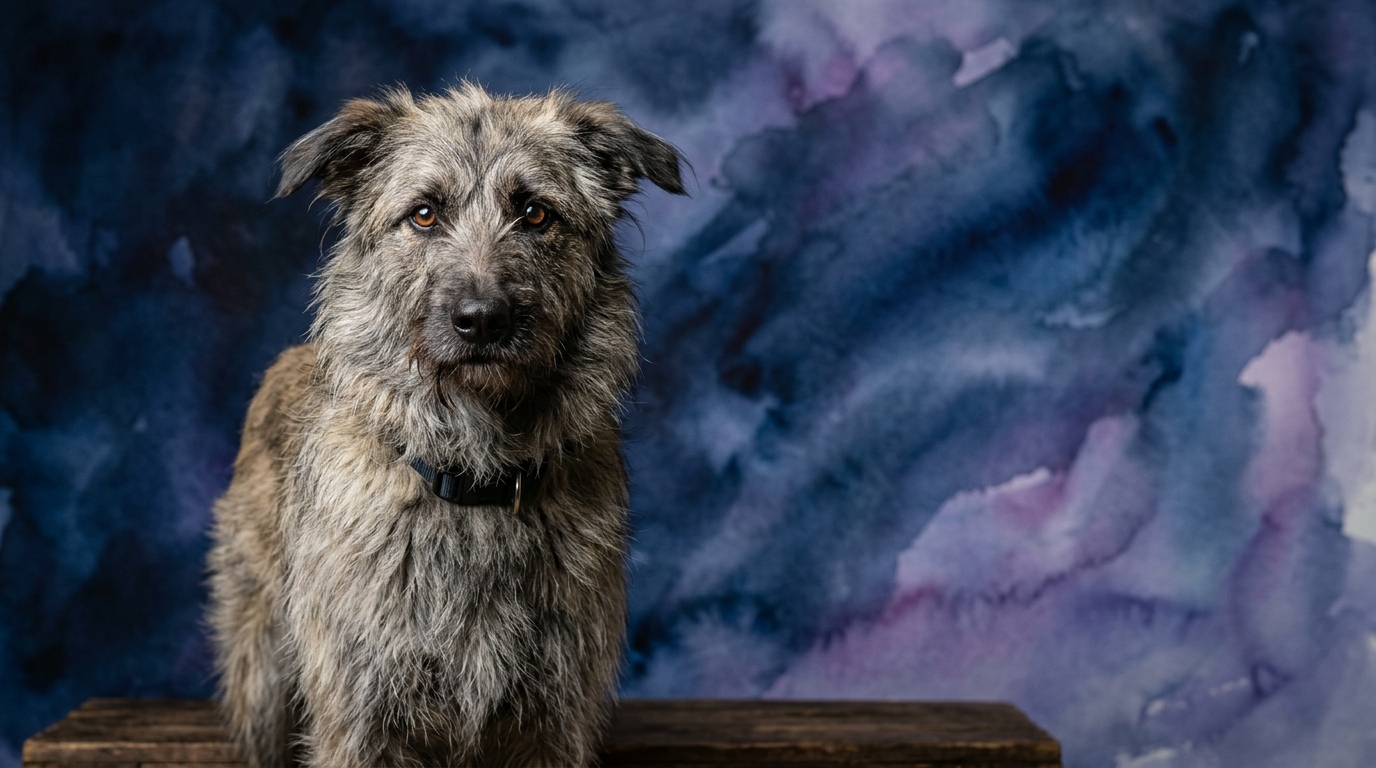
The Pyrenean Shepherd, a breed forged in the demanding environment of the Pyrenees mountains, showcases a specific type of mental agility. Their Problem Solving (3/5) is rooted in practical application, excelling at navigating complex terrains or skillfully managing livestock. This cognitive strength involves assessing dynamic situations and making swift, independent decisions to achieve a clear objective, often without direct human instruction in the moment. Their Training Speed (3/5) reflects an ability to absorb new commands and routines moderately well, particularly when tasks align with their innate herding instincts or provide a sense of purpose. While not always driven by a desire to please, their cooperative nature in a working context facilitates learning, though they may require engaging, varied methods to maintain focus. Pyrenean Shepherds' Social Intelligence (3/5) is finely tuned to observe and react to group dynamics, whether a flock of sheep or a human family. They can be reserved with strangers, carefully assessing new individuals, but form deep, perceptive bonds with their inner circle, often anticipating their owner's moods and intentions. Their Instinctive Drive (3/5) is defined by a strong herding impulse, manifesting as a desire to gather and manage, even towards family members or other pets. This drive translates into a need for meaningful activity, channeling their energy into tasks that engage their natural predispositions for movement and vigilance. Finally, their Memory (3/5) is reliable for learned commands, routines, and the locations of important resources or boundaries. They can recall complex sequences of actions and retain spatial information effectively, which was vital for their historical roles in expansive environments.
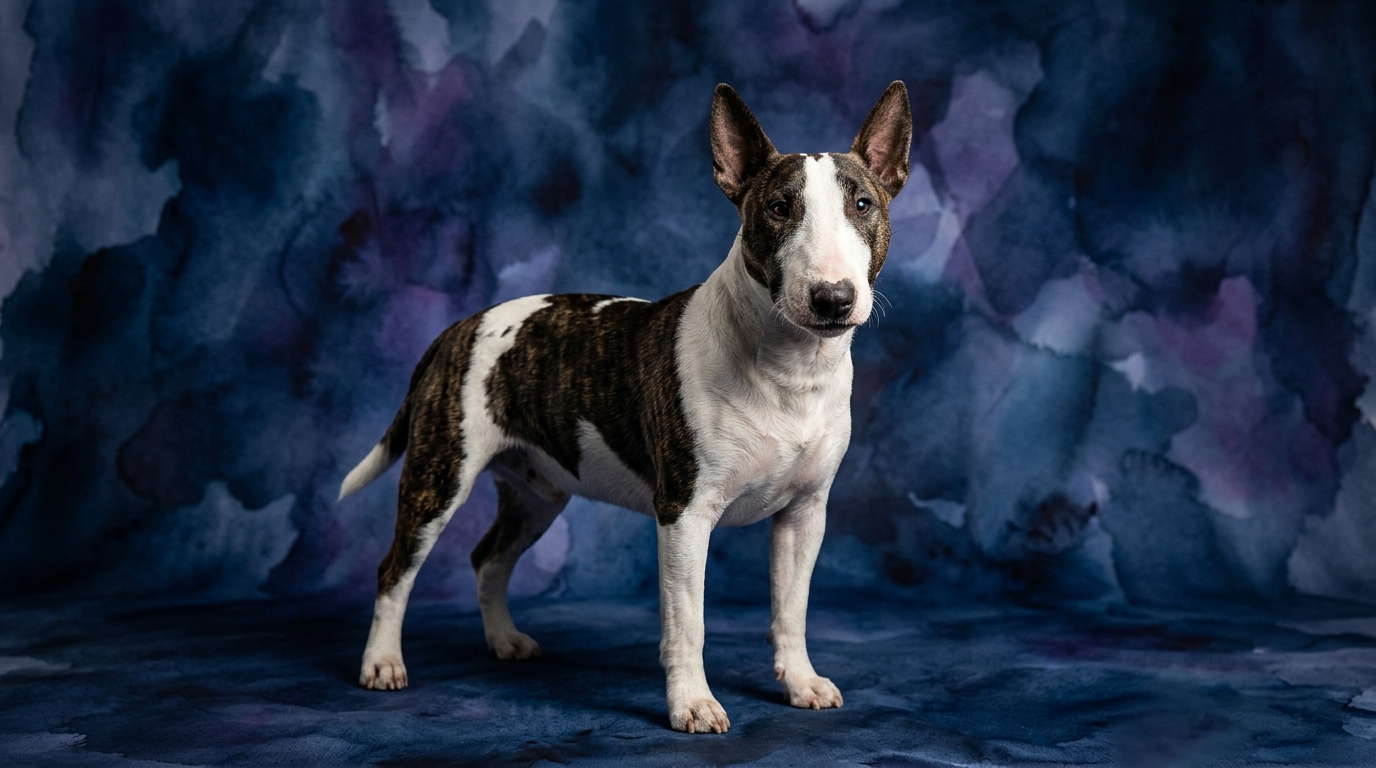
The Miniature Bull Terrier, a lively and tenacious terrier, presents a different cognitive blueprint. Their Problem Solving (3/5) is characterized by creative persistence and often a touch of mischievousness. They are adept at figuring out how to access desired objects, open latches, or manipulate situations to their advantage, driven by a tenacious 'can-do' attitude that rarely accepts defeat. Miniature Bull Terriers' Training Speed (3/5) allows them to learn commands with moderate quickness, especially when training is framed as a fun game or offers immediate, high-value rewards. However, their independent spirit and occasional stubborn streak mean that progress isn't always linear, requiring patient, consistent, and highly motivating approaches to keep them engaged. Their Social Intelligence (3/5) often manifests as charisma, possessing a keen ability to read human emotions and respond with playful antics or comforting presence. While they bond deeply with their families, their social interactions with other dogs can sometimes be assertive, reflecting their assertive terrier heritage. The Instinctive Drive (3/5) of a Miniature Bull Terrier is strongly expressed through prey drive and profound tenacity. This can lead to persistent digging, chasing small animals, or an unwavering focus on a toy. This drive fuels their energetic nature and requires appropriate outlets to prevent boredom and destructive behaviors. Their Memory (3/5) is good for routines, people, and places, quickly associating specific cues with outcomes. They remember both positive and negative experiences vividly, which can influence their future responses to training and social interactions.
Where Pyrenean Shepherd Wins Cognitively
Despite identical raw scores, the Pyrenean Shepherd's cognitive strengths shine in areas demanding nuanced environmental awareness and collaborative purpose. Their problem-solving (3/5) is less about outsmarting an owner for a treat and more about assessing a dynamic situation, like preventing a sheep from straying, which requires rapid, context-specific decision-making in a fluid environment. This breed exhibits a superior capacity for sustained focus on a long-term objective, often involving intricate sequences of actions that rely heavily on their memory (3/5) for complex patterns and spatial understanding. Their social intelligence (3/5) uniquely predisposes them to anticipating subtle shifts in group behavior, making them exceptionally attuned to their human companions' non-verbal cues and emotional states within a working partnership, fostering a deeper, more intuitive connection based on mutual understanding rather than pure entertainment.
Where Miniature Bull Terrier Wins Cognitively
The Miniature Bull Terrier, while also scoring 3/5, demonstrates cognitive advantages in areas requiring sheer will and inventive manipulation. Their problem-solving (3/5) is characterized by a tenacious ingenuity, finding unconventional routes to achieve their desires, whether it's outwitting a puzzle toy or devising a scheme to get extra attention. This breed’s instinctive drive (3/5) fuels an unparalleled resilience; they rarely give up on a goal, even in the face of repeated setbacks, a mental fortitude that can be both admirable and challenging. Furthermore, their social intelligence (3/5) often manifests as a charming, almost theatrical ability to engage and amuse their human family, reading social cues for maximum playful impact and possessing an endearing, almost childlike capacity for joy and affection that can brighten any home.
Which is Easier to Train and Why
When considering ease of training, the Pyrenean Shepherd generally presents a more straightforward path for an experienced owner, primarily due to their intrinsic instinctive Drive (3/5) being geared towards cooperation and purpose. Their herding background means they are often predisposed to follow direction, especially when tasks mimic their natural inclinations, such as agility or other dog sports that provide a “job.” While they possess an independent streak, their desire for a working partnership and a clear role within their family structure facilitates training Speed (3/5). In contrast, the Miniature Bull Terrier's instinctive Drive (3/5) is heavily influenced by their independent, tenacious terrier nature. Their training Speed (3/5) is often hampered by a strong “what’s in it for me?” attitude and a tendency to get bored with repetitive drills. Training a Mini Bull Terrier requires exceptional patience, creativity, and a high-reward system to overcome their inherent stubbornness and keep them engaged, making them more of a challenge for the novice trainer.
Which Suits Active Owners vs Relaxed Owners
Both breeds demand a significant commitment from their owners, but their activity needs differ in quality. The Pyrenean Shepherd, with its instinctive Drive (3/5) for herding and high physical stamina, thrives with active owners who can provide structured activities that engage both body and mind. They excel in dog sports like agility, obedience, or herding trials, requiring regular, vigorous exercise and mental challenges to prevent boredom and potential undesirable herding behaviors towards people or other pets. A relaxed owner would likely find a Pyrenean Shepherd overwhelming, as their pent-up energy can manifest as anxiety or destructive tendencies. The Miniature Bull Terrier also requires active engagement, but their instinctive Drive (3/5) leans more towards bursts of intense play, digging, and chasing. While they enjoy long walks, their mental stimulation often comes from interactive games, puzzle toys, and consistent training that channels their tenacity. They can adapt to some downtime, often enjoying cuddles, but still need daily outlets for their considerable energy and robust personality. Neither breed is truly suited for a “relaxed” owner in the sense of minimal interaction or exercise.
The Verdict
Choose the Pyrenean Shepherd if you seek a vigilant, sensitive companion who thrives on purpose-driven activities and a structured partnership where their natural instincts can be channeled productively.
Opt for the Miniature Bull Terrier if you desire a spirited, tenacious personality that requires a patient, humorous owner ready for creative engagement and firm guidance to navigate their independent streak.
🧠 Find Your Pet's IQ Score
Our Pet IQ Lab assessment covers 25+ tests across 5 cognitive dimensions — personalized to your breed.
Take the Full IQ Test →Frequently Asked Questions
Are Pyrenean Shepherds good for first-time dog owners?
Pyrenean Shepherds are generally not recommended for first-time dog owners due to their strong herding instincts, sensitivity, and need for consistent, experienced guidance. They thrive with owners who understand working breeds and can provide ample mental and physical stimulation.
Do Miniature Bull Terriers get along with other pets?
Miniature Bull Terriers can coexist with other pets, especially if raised with them from a young age and properly socialized. However, their strong prey drive and assertive nature mean they might not always be suitable for homes with very small animals or other dominant dogs.
What kind of mental stimulation do these breeds need?
Both breeds require substantial mental stimulation to prevent boredom. Pyrenean Shepherds benefit from activities like agility, obedience, herding games, and complex puzzle toys that mimic problem-solving tasks. Miniature Bull Terriers enjoy interactive games, scent work, puzzle feeders, and training that challenges their cleverness and tenacity, keeping their independent minds occupied.