Side-by-Side IQ Profile: Interpreting Identical Scores
The Cosmic Pet Pet IQ Lab assigns both the Pyrenean Shepherd and the Pekingese a consistent 3/5 across all five measured cognitive dimensions: Problem Solving, Training Speed, Social Intelligence, Instinctive Drive, and Memory. While these numerical scores are identical, their practical manifestation in each breed is deeply influenced by their ancestral roles and inherent temperaments. A 3/5, therefore, doesn't mean identical cognitive function, but rather a moderate capacity that expresses itself through different channels.
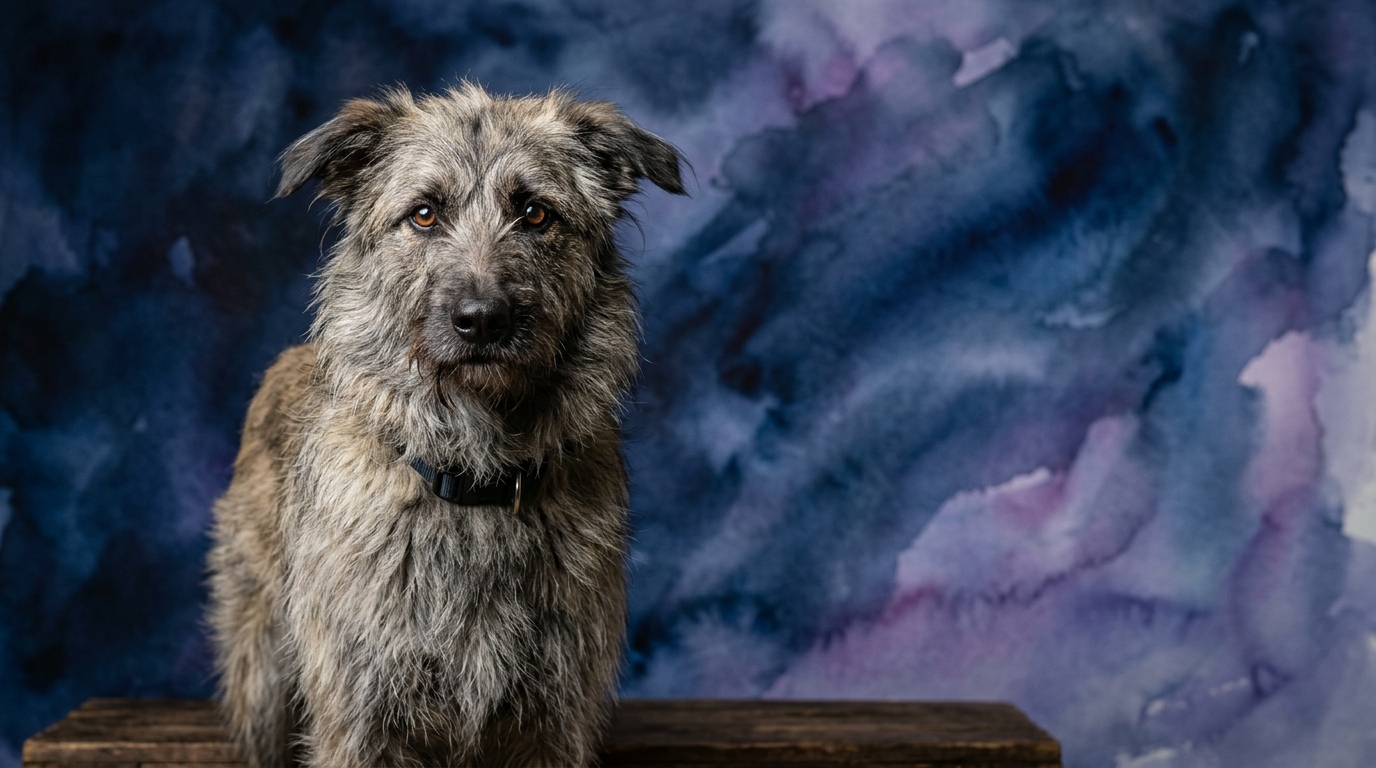
For the Pyrenean Shepherd, a 3/5 in **Problem Solving** reflects their capacity for independent thought when managing livestock, such as devising strategies to re-gather a straying sheep or navigating complex, varied terrain. Their **Training Speed** at 3/5 indicates they can grasp new commands and tasks efficiently, especially when those tasks align with their innate working drive, though they may question repetitive or seemingly purposeless drills. Their **Social Intelligence** score of 3/5 often points to a keen awareness of their handler's cues and intentions in a working context, paired with a natural reserve towards strangers. **Instinctive Drive** at 3/5 clearly highlights their strong herding impulses and desire to work, which forms the core of their motivation. Finally, their **Memory** at 3/5 is evident in their ability to recall complex routes, learned commands, and the routines associated with their tasks.
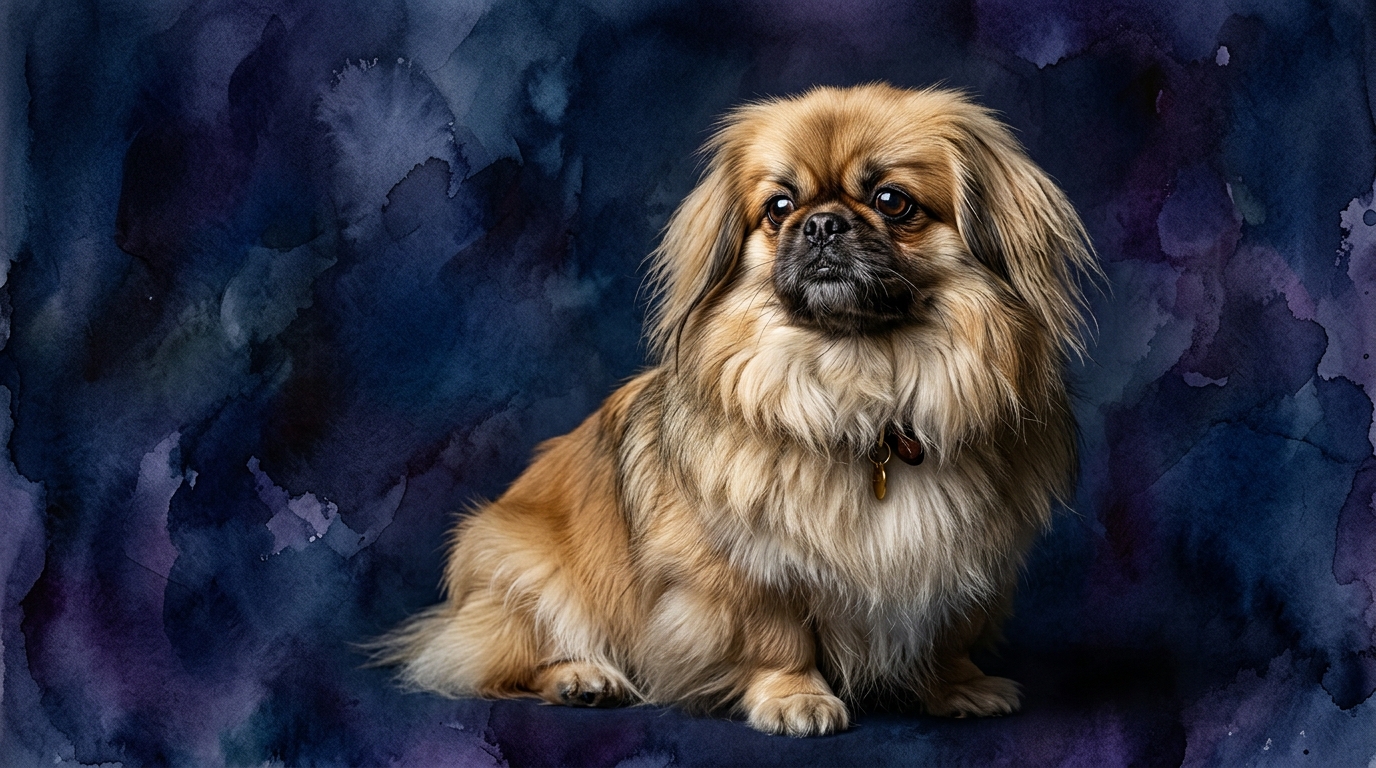
Conversely, for the Pekingese, a 3/5 in **Problem Solving** typically manifests as ingenuity in navigating their domestic environment to achieve comfort or manipulate situations to their advantage, such as figuring out how to reach a preferred napping spot or subtly signaling their desires to their human companions. Their **Training Speed** at 3/5 means they can learn basic commands, but their independent and sometimes self-important nature often requires consistent, positive motivation to engage in training that doesn't immediately benefit them. **Social Intelligence** at 3/5 for a Pekingese often means a profound attunement to their chosen human's moods and routines, while maintaining a dignified aloofness towards others. Their **Instinctive Drive** at 3/5 is less about external tasks and more about a deep desire for companionship, comfort, and guarding their personal space and beloved people. Their **Memory** at 3/5 allows them to remember their favorite places, routines, and the individuals they deem important, often with a long-lasting recall for both positive and negative experiences.
Where the Pyrenean Shepherd Wins Cognitively
The Pyrenean Shepherd's cognitive strengths truly shine in dynamic, task-oriented environments. Their 3/5 Problem Solving, when combined with their instinctive drive, allows them to excel at rapid, independent decision-making in fluid situations. Unlike many breeds that might wait for direct instruction, a Pyrenean Shepherd often anticipates and reacts, making split-second judgments to manage a flock or navigate an obstacle course. This specific application of problem-solving is a clear advantage, rooted in centuries of working alongside shepherds.
Furthermore, their 3/5 Instinctive Drive gives them a sustained focus and endurance for complex tasks that require both mental and physical effort. While a Pekingese's drive might be focused on personal comfort, the Pyrenean Shepherd's drive propels them through challenging scenarios, maintaining concentration and purpose over extended periods. Their memory for sequences and spatial arrangements, also rated 3/5, is particularly robust in contexts related to their working heritage, allowing them to remember intricate patterns of movement or the layout of large areas.
Where the Pekingese Wins Cognitively
The Pekingese, despite its lower Coren ranking, possesses distinct cognitive advantages particularly suited to its role as a companion. Their 3/5 Social Intelligence, while appearing reserved to outsiders, often translates into an exceptionally nuanced understanding of their primary human's emotional state and subtle cues. They excel at reading micro-expressions and adjusting their behavior to provide comfort or solicit attention, demonstrating a sophisticated form of interpersonal intelligence within their chosen social sphere.
Their Problem Solving at 3/5, though not tied to herding, makes them remarkably self-sufficient in a domestic setting. They are adept at optimizing their environment for comfort and security, often finding ingenious ways to get where they want to be or to communicate their needs without overt demands. This self-reliant problem-solving, coupled with their 3/5 memory for routines and preferences, allows them to navigate home life with a dignified independence, often requiring less direct management than other breeds. Their instinctive drive, focused on guarding and companionship, provides a steadfast loyalty that is deeply ingrained.
Which Is Easier to Train and Why
When considering ease of training, the Pyrenean Shepherd generally presents a more direct path for owners who understand their working mentality. Their 3/5 Training Speed is augmented by a strong desire to engage in meaningful tasks and a natural willingness to follow a leader, especially when the training aligns with their instinctive drives. They are eager to learn and please in a structured, purposeful environment, making them highly receptive to advanced obedience, agility, or herding training. However, their intelligence and independent streak mean they can become bored or frustrated with repetitive, unstimulating drills, sometimes offering their own creative interpretations if not properly engaged.
The Pekingese, with its identical 3/5 Training Speed, approaches learning from a different perspective. Their independent nature and historical role as a cherished companion mean they often see training as a suggestion rather than a command. They are perfectly capable of learning, but their motivation is internal and often tied to their own comfort or desire for attention from their chosen person. This means training requires immense patience, positive reinforcement, and a deep understanding of their unique personality. They respond best to short, engaging sessions that feel like a game or lead to a clear reward, and they are quick to disengage if they deem an activity pointless or too demanding. Their occasional stubbornness is not a lack of intelligence, but rather a strong sense of self-preservation and dignity.
Which Suits Active Owners vs. Relaxed Owners
The Pyrenean Shepherd is unequivocally suited for active owners. Their high energy levels, combined with a 3/5 Instinctive Drive and Problem Solving, demand regular physical exertion and mental stimulation. They thrive when given a job to do, whether it's herding, agility, long hikes, or advanced obedience. Owners who enjoy outdoor activities, dog sports, or have a passion for training will find a highly engaged and enthusiastic partner in a Pyrenean Shepherd. A sedentary lifestyle would lead to boredom, frustration, and potentially destructive behaviors, as their cognitive and physical needs would go unmet.
The Pekingese, on the other hand, is an ideal match for relaxed owners. Their cognitive profile, with its focus on domestic problem-solving, social intelligence within a close circle, and a drive for comfort, makes them perfectly content with a more leisurely pace of life. While they enjoy short, gentle walks and playtime, their primary needs revolve around companionship, a comfortable environment, and quiet interaction. Owners who prefer indoor activities, enjoy a calm household, and appreciate a dog that is both independent and deeply devoted will find the Pekingese to be a wonderfully fitting companion. Their cognitive strengths are best appreciated in a setting that values their quiet dignity and nuanced communication.
The Verdict
Choose the Pyrenean Shepherd if you are an active individual seeking a highly engaged, task-oriented canine partner who thrives on mental and physical challenges, and you appreciate a dog with independent problem-solving skills in dynamic environments.
Choose the Pekingese if you are a relaxed owner seeking a devoted, self-sufficient companion who excels at subtle communication and navigating a domestic environment with dignified charm, and you appreciate their unique blend of independence and loyalty.
🧠 Find Your Pet's IQ Score
Our Pet IQ Lab assessment covers 25+ tests across 5 cognitive dimensions — personalized to your breed.
Take the Full IQ Test →Frequently Asked Questions
Do Pyrenean Shepherds need a 'job' to be content?
Yes, Pyrenean Shepherds, with their strong 3/5 instinctive drive and problem-solving abilities, are happiest when given a purpose. This doesn't always have to be herding; activities like agility, obedience, or even complex puzzle toys can fulfill their cognitive and physical needs, preventing boredom.
Are Pekingese difficult to train due to their independence?
Pekingese aren't necessarily 'difficult' to train, but their 3/5 training speed is coupled with a strong independent streak. They require patient, consistent, positive reinforcement methods, and owners must understand that their motivation is often internal, requiring engaging approaches rather than strict obedience demands.
Can a Pekingese be good with children, given their social intelligence?
A Pekingese's 3/5 social intelligence is often directed towards their primary human, and they can be reserved with others. They can coexist peacefully with respectful, older children who understand their need for personal space and quiet interaction, but they are generally not robust playmates for boisterous young children.