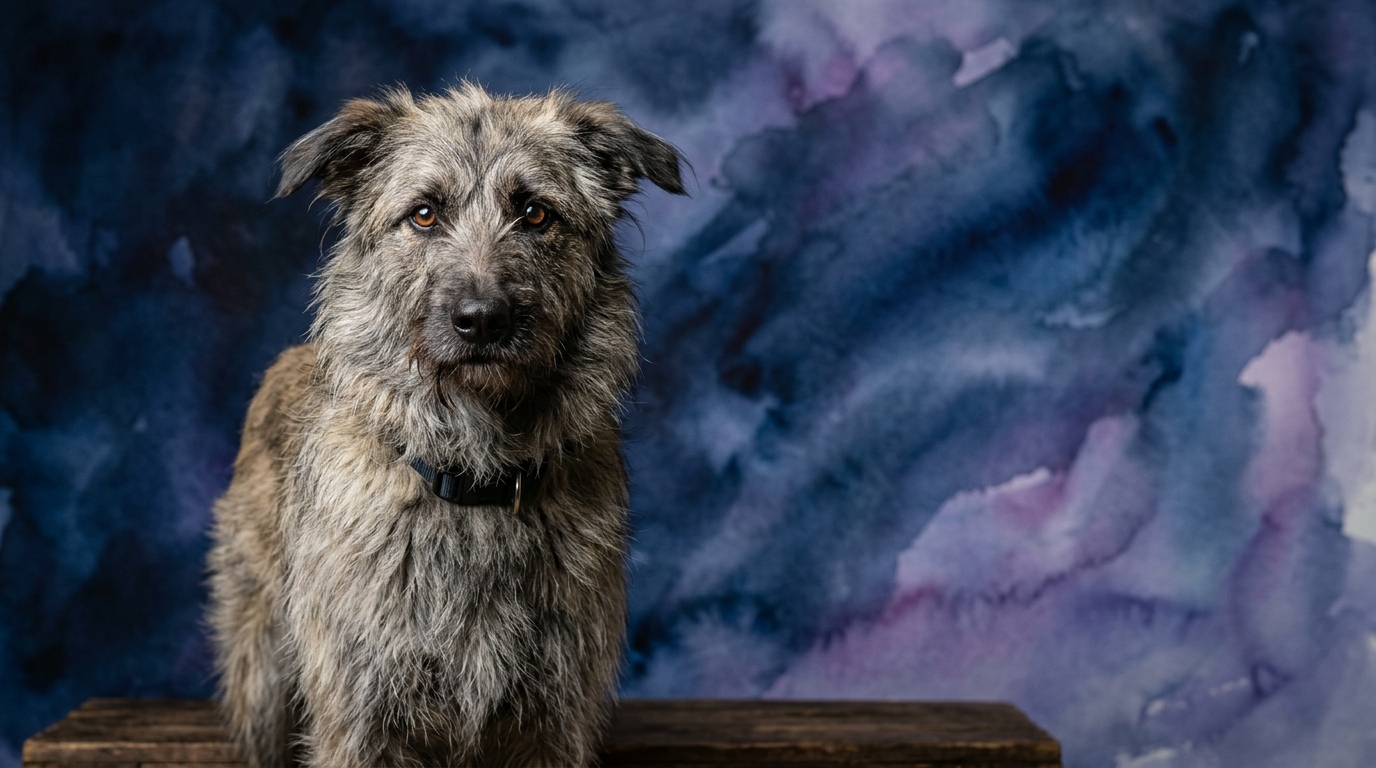
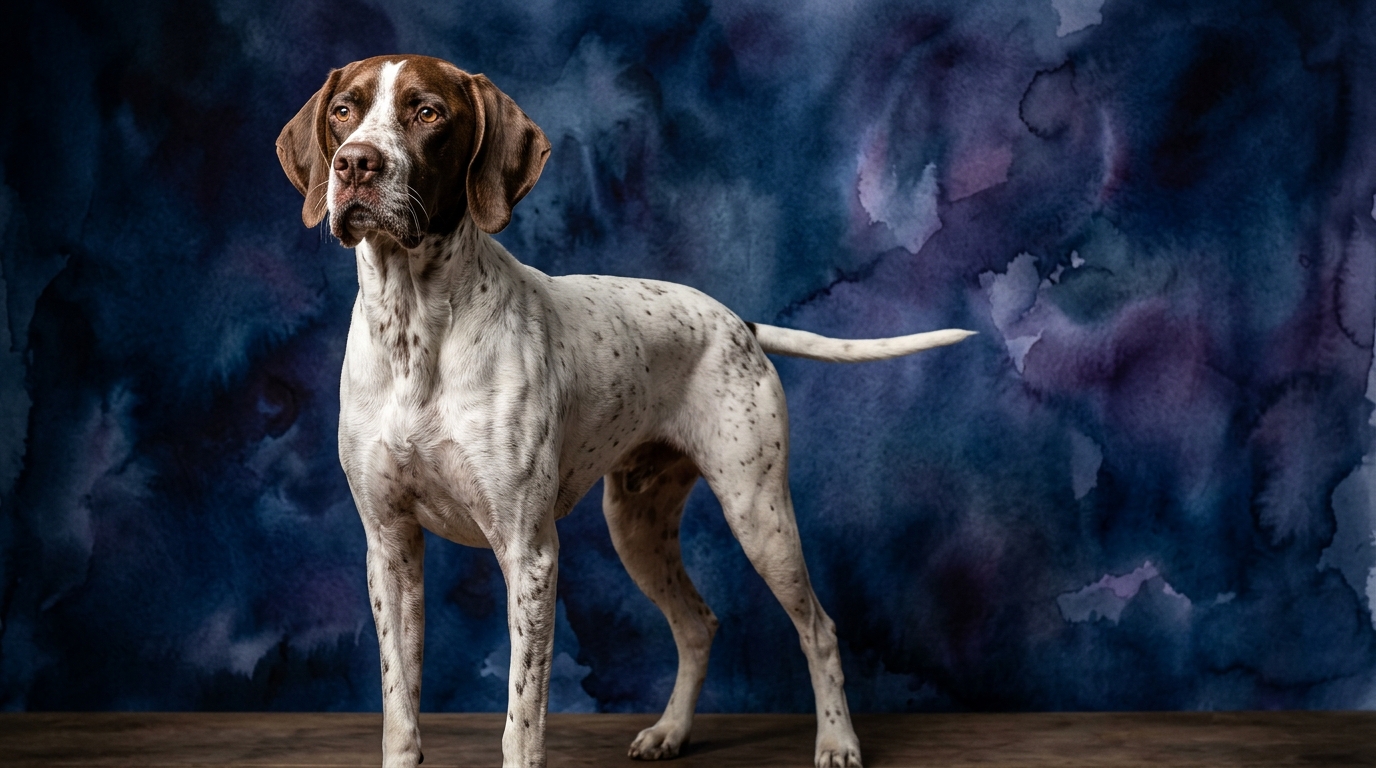
Side-by-Side IQ Profile: Herding Instinct Meets Sporting Prowess
The Cosmic Pet Pet IQ Lab provides a framework for evaluating canine cognition across five key dimensions. While both the Pyrenean Shepherd and the Pointer register a consistent 3/5 across the board, the *application* and *expression* of these scores are deeply informed by their ancestral roles and inherent motivations.
For the Pyrenean Shepherd, a breed originating from the rugged Pyrenees mountains, their cognitive strengths are finely tuned for livestock management. Their intelligence is a tool for control and coordination, often involving complex spatial awareness and subtle communication.
The Pointer, conversely, is a breed purpose-bred for locating game birds. Their mental faculties are geared towards independent searching, scent discrimination, and a cooperative partnership with a hunter. Their cognitive efforts are focused on detection and communication of findings.
**Problem Solving (3/5):** A Pyrenean Shepherd's problem-solving skills typically manifest in their ability to adapt herding strategies to diverse terrain or recalcitrant livestock. They might creatively block an escape route or gather a scattered flock using unconventional approaches, demonstrating flexible thinking within their working context.
A Pointer's problem-solving, also rated 3/5, shines when navigating complex scent puzzles in the field. This involves intelligently working wind currents, discerning faint bird scent from other stimuli, and systematically covering ground to pinpoint game, often requiring rapid on-the-spot decisions.
**Training Speed (3/5):** The Pyrenean Shepherd's training speed, at 3/5, reflects their capacity to quickly grasp complex herding commands and sequences. They learn by doing and excel when given a purpose, readily picking up cues that directly contribute to their work, such as 'fetch them up' or 'lie down' for control.
The Pointer's 3/5 training speed is evident in their efficient acquisition of hunting commands, like 'whoa' for pointing or specific retrieve instructions. They are eager learners when the task aligns with their strong prey drive, making them responsive to methods that leverage their natural instincts.
**Social Intelligence (3/5):** Pyrenean Shepherds exhibit a 3/5 social intelligence primarily through their nuanced interactions with their flock and handler. They learn to read the subtle body language of sheep, anticipate their movements, and respond to the faintest signals from their human partner during herding.
Pointers, with the same 3/5 social intelligence, demonstrate this through their cooperative hunting partnership. They are adept at reading their handler's hand signals and vocal commands from a distance, understanding the flow of the hunt, and communicating the presence of game through their iconic point.
**Instinctive Drive (3/5):** The Pyrenean Shepherd's 3/5 instinctive drive is a powerful herding impulse. This isn't just about chasing; it's about controlling movement, gathering, and protecting. This drive provides a strong internal motivation for their work and learning, shaping much of their behavior.
The Pointer's 3/5 instinctive drive is rooted in their intense prey drive and desire to hunt. This manifests as an unyielding focus on scent, a systematic search pattern, and the unwavering point. This drive is the engine of their cognitive engagement in field work.
**Memory (3/5):** A Pyrenean Shepherd's 3/5 memory serves them well in remembering complex herding routes, the layout of pastures, and the specific quirks of individual livestock. They retain sequences of commands and adapt them based on past experiences with their charges.
For the Pointer, a 3/5 memory is crucial for recalling scent patterns, the locations of previous bird flushes, and specific training cues even after extended periods. They remember terrain features and effective search strategies, building a mental map of their hunting grounds.
Where the Pyrenean Shepherd Wins Cognitively
While both breeds score identically, the Pyrenean Shepherd demonstrates a cognitive edge in adaptive, dynamic problem-solving within a fluid, living environment. Their herding role demands constant assessment of multiple variables—livestock movement, terrain, weather, and handler intent. This requires a unique blend of spatial reasoning and predictive intelligence, allowing them to anticipate and redirect movement effectively. Their social intelligence, in this context, extends beyond human interaction to a deep understanding of animal behavior, a skill less emphasized in the Pointer's primary role.
Where the Pointer Wins Cognitively
The Pointer's cognitive strengths truly shine in sustained, focused sensory processing and methodical search strategies. Their problem-solving is exceptionally geared towards scent discrimination and triangulation, allowing them to pinpoint game with remarkable precision over vast areas. Their memory excels in retaining complex scent landscapes and efficient search patterns. This breed's instinctive drive for independent searching and locating, coupled with a keen awareness of wind and terrain, gives them a specific cognitive advantage in systematic, scent-driven tasks that require endurance and singular focus.
Which is Easier to Train and Why
Determining which is 'easier' to train is less about raw training speed (both 3/5) and more about aligning with their inherent motivations. The Pyrenean Shepherd, with its strong desire to control and manage, can be highly responsive to training that gives them a job or a purpose. However, their independent problem-solving nature can sometimes lead to them making their own decisions if not consistently guided. Their herding instinct, if not channeled, might manifest as nipping or attempting to 'herd' family members.
The Pointer, driven by an intense prey drive and a desire to work cooperatively in the field, often finds traditional obedience and field training highly rewarding. They typically possess a strong desire to please their handler, especially when tasks involve scent work or retrieving. Their challenge can be managing their powerful prey drive in environments without game, as their focus can be singular. Therefore, the Pointer might seem 'easier' to train for specific, task-oriented commands that tap into their natural hunting behaviors, while the Pyrenean Shepherd might require a more nuanced approach to harness and direct their independent herding drive.
Which Suits Active Owners vs. Relaxed Owners
Both the Pyrenean Shepherd and the Pointer require active owners, but their activity needs differ in nature. The Pyrenean Shepherd thrives with owners who can provide mental engagement through activities that mimic herding work, such as agility, rally, or even extensive, challenging hikes. They need a purpose and consistent stimulation to prevent boredom and channel their considerable energy and problem-solving skills. A relaxed owner would likely find a Pyr Shep's persistent need for activity and mental engagement overwhelming.
The Pointer is also a breed for active owners, particularly those interested in outdoor pursuits like running, hiking, or hunting. Their endurance and drive to cover ground mean they need significant physical exercise daily to be content. While they can be calm indoors after adequate exercise, their innate drive means they are not suited for a sedentary lifestyle. Neither breed would be a good fit for a truly 'relaxed' owner who prefers minimal daily engagement beyond short walks.
The Verdict: When to Choose Each Breed
The Verdict
Choose the Pyrenean Shepherd if you are an active, experienced owner seeking a highly engaged partner for dog sports, herding, or complex outdoor adventures, valuing a dog with independent thought and a strong desire for purpose.
Opt for the Pointer if you are an avid outdoors person or hunter, ready to provide extensive physical exercise and structured training that leverages their powerful scent drive and cooperative hunting instincts.
🧠 Find Your Pet's IQ Score
Our Pet IQ Lab assessment covers 25+ tests across 5 cognitive dimensions — personalized to your breed.
Take the Full IQ Test →Frequently Asked Questions
Do Pyrenean Shepherds make good family pets?
Pyrenean Shepherds can be excellent family pets for active households that understand their need for mental and physical stimulation. They bond closely with their families but may be reserved with strangers and require early socialization to thrive in varied environments.
Are Pointers good with children?
Pointers generally have a gentle and tolerant nature, making them suitable companions for children, especially if raised with them. Their high energy levels mean supervision is important to ensure play remains appropriate, and they benefit from training to manage their exuberance.
Which breed is more prone to separation anxiety?
Both breeds, being highly bonded and active, can be prone to separation anxiety if left alone for extended periods without adequate exercise or mental engagement. Consistent routine, proper training, and sufficient stimulation are key to preventing this in either the Pyrenean Shepherd or the Pointer.