Side-by-Side Cognitive Profile
To truly understand the cognitive makeup of these two breeds, we examine five key dimensions: Problem Solving, Training Speed, Social Intelligence, Instinctive Drive, and Memory, as measured by The Cosmic Pet Pet IQ Lab. These metrics provide a nuanced view beyond simple labels, revealing how each breed processes information and interacts with its world.
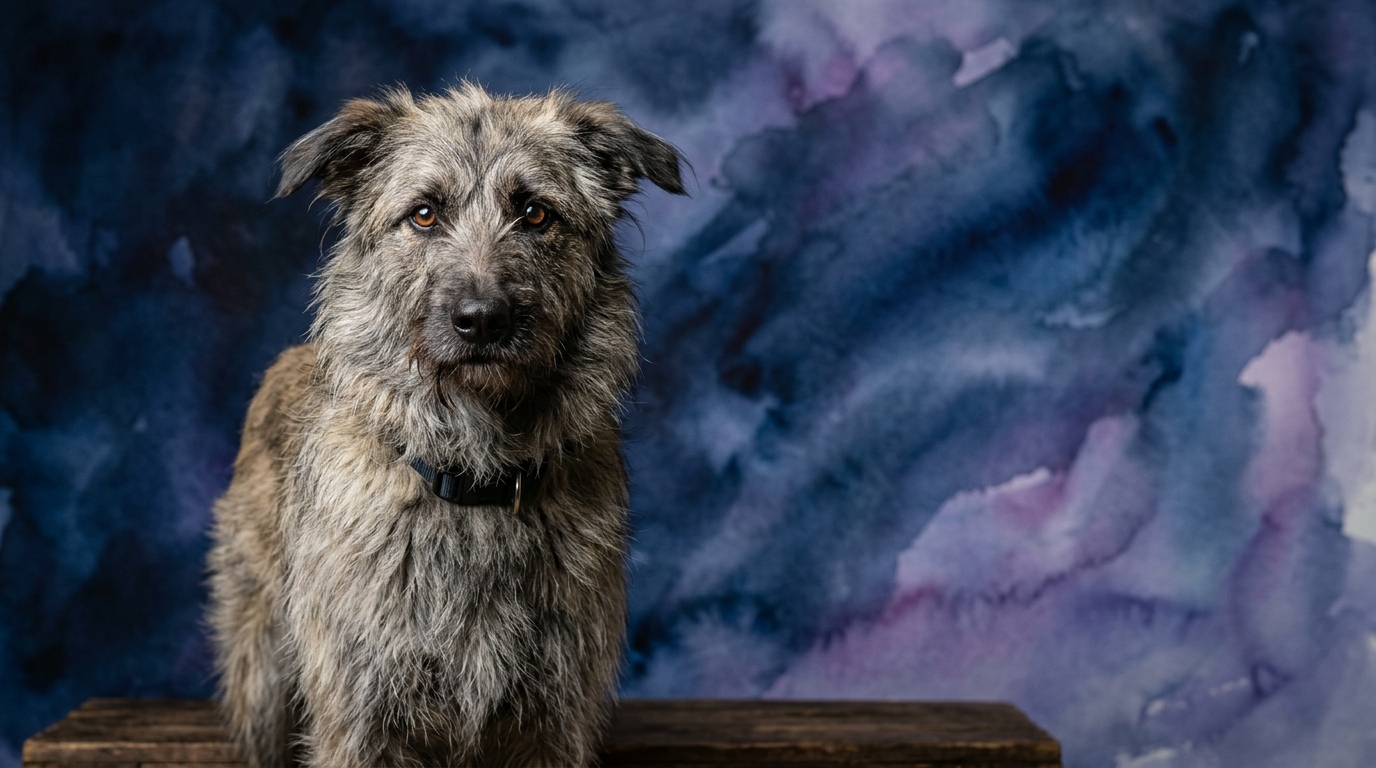
The **Pyrenean Shepherd**, a Herding breed, presents a balanced profile across these dimensions: Problem Solving 3/5, Training Speed 3/5, Social Intelligence 3/5, Instinctive Drive 3/5, and Memory 3/5. These dogs demonstrate practical, on-the-spot solutions, particularly when navigating complex, unpredictable environments like mountain pastures or crowded livestock pens. Their problem-solving isn't about rote memorization but about adapting to fluid situations, often relying on intuition and quick assessment rather than pre-planned strategies. They learn new commands at a steady pace, but their independent spirit means they often require patient, consistent reinforcement and clear, engaging methods. They respond best when they understand the 'why' behind a command, rather than just rote repetition, making training a collaborative effort. Pyrenean Shepherds possess a keen understanding of their human family's emotions and social structures, often forming deep, selective bonds. While reserved with strangers, they can subtly read and respond to nuanced cues from their trusted companions, showing sensitivity to moods and intentions. Their herding instinct is a powerful motivator, manifesting as a strong desire to gather, control, and protect their 'flock,' whether that's livestock, family members, or even inanimate objects. This drive fuels their focus and determination in tasks. They reliably retain learned behaviors, routines, and the topography of their environment, remembering specific training sequences and past interactions, contributing to their consistency in daily life and their ability to navigate familiar territories.
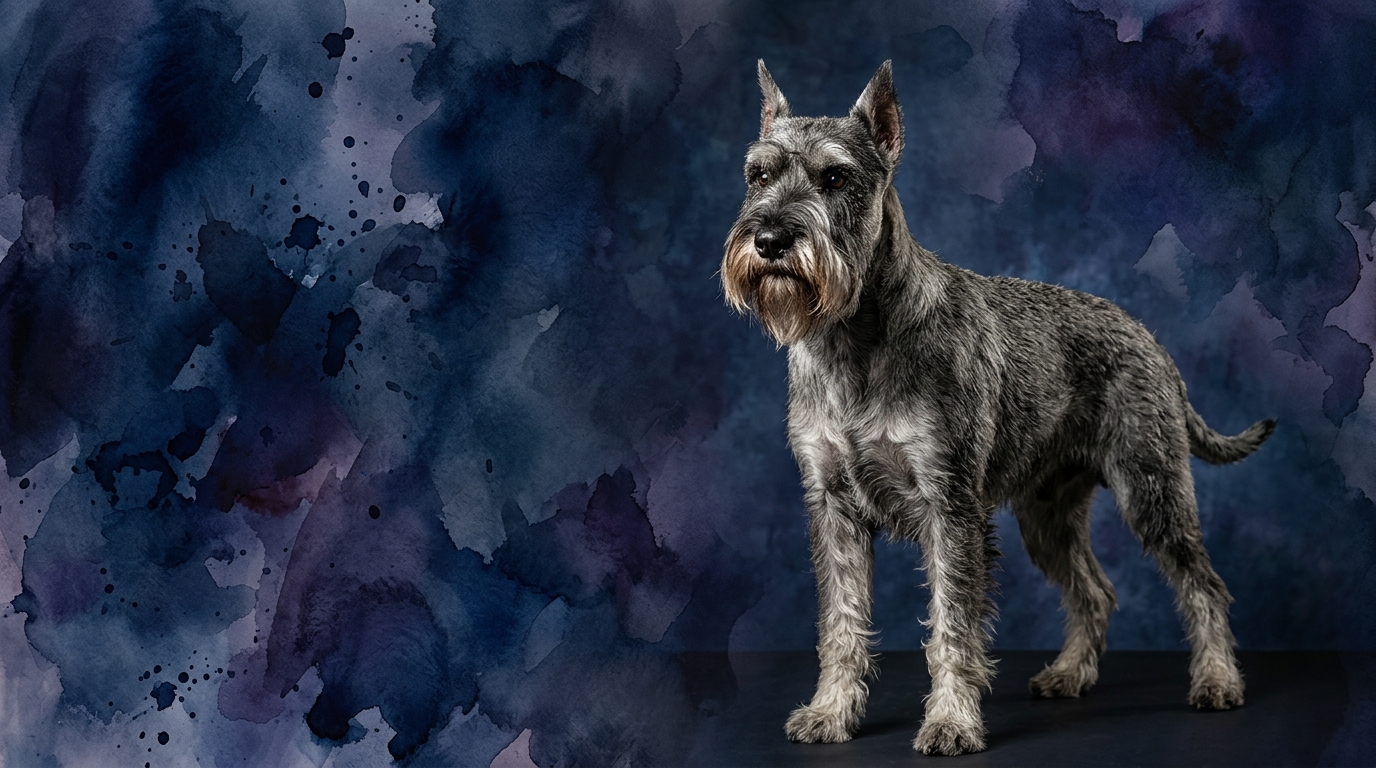
The **Standard Schnauzer**, a Working breed with a Coren ranking of #22, shows a different distribution of cognitive strengths: Problem Solving 4/5, Training Speed 4/5, Social Intelligence 3/5, Instinctive Drive 3/5, and Memory 4/5. Standard Schnauzers exhibit a strong capacity for analytical thought and strategic planning. They readily figure out how to manipulate objects, solve puzzle feeders, or devise routes to desired locations, often demonstrating a clear understanding of cause-and-effect relationships. These dogs typically absorb new commands and multi-step routines with notable speed, often eager to engage and respond to clear, positive instruction. Their quick grasp of concepts makes them excellent candidates for advanced obedience and complex dog sports. They are perceptive about human emotions and family dynamics, often forming strong, watchful bonds with their primary caregivers. While generally discerning with new people, they observe social interactions intently and can adapt their behavior based on the cues they perceive from their family. Their working drive is pronounced, encompassing a desire for purposeful activity, whether it's guarding, tracking, or participating in active sports. This drive translates into tenacity and focus when given a task, making them resilient and determined. Standard Schnauzers possess a robust memory, allowing them to recall intricate sequences of commands, past training experiences, and specific individuals or events over extended periods. This contributes significantly to their reliability and ability to perform complex learned behaviors consistently.
Where the Pyrenean Shepherd Cognitively Excels
While the Standard Schnauzer shows higher scores in certain cognitive dimensions, the Pyrenean Shepherd often exhibits a unique cognitive strength rooted in its herding heritage: independent, adaptive problem-solving within dynamic, natural environments. Their 3/5 in problem-solving reflects an innate ability to make quick, autonomous decisions when managing livestock, often without direct human command, such as anticipating a sheep's movement, subtly redirecting a stray, or finding an alternate route through challenging terrain. This self-reliant cognitive approach, coupled with their instinctive drive, means they excel at tasks requiring continuous assessment of fluid situations and proactive intervention, rather than merely executing pre-programmed commands. Their social intelligence, also rated 3/5, extends beyond human interaction to a keen awareness of group dynamics, allowing them to subtly influence and guide, a nuanced skill vital for managing a flock or a family unit with a light touch.
Where the Standard Schnauzer Cognitively Excels
The Standard Schnauzer clearly excels in several key cognitive areas, positioning them as remarkably adaptable and efficient learners. Their 4/5 in problem-solving indicates a strong capacity for analytical thought, allowing them to quickly assess new situations, understand complex tasks, and devise effective solutions, whether it's figuring out how to open a child-proof gate or navigating an intricate agility course. This cognitive flexibility is closely linked to their impressive 4/5 training speed; they absorb new commands and multi-step routines with striking rapidity, often showing an eager willingness to engage and a quick grasp of desired behaviors. Furthermore, their superior memory, also rated 4/5, ensures that these learned skills and solutions are retained over long periods, making them consistently reliable in performance and recall. This combination of quick learning, robust problem-solving, and lasting memory positions them as highly capable partners for intricate training disciplines and varied working roles.
Training Aptitude: Pyrenean Shepherd vs. Standard Schnauzer
Based on their cognitive profiles, the Standard Schnauzer is generally considered more straightforward to train for obedience and complex tasks. Their 4/5 rating in training speed, coupled with a 4/5 in problem-solving and memory, means they quickly comprehend and retain commands, often requiring fewer repetitions to master a new skill. They tend to be eager students, thriving on mental engagement and clear, consistent direction, which makes them highly responsive to structured training programs like competitive obedience, rally, or even protection work. Their Coren ranking of #22 further underscores their aptitude for understanding and executing human commands efficiently. In contrast, the Pyrenean Shepherd, with a 3/5 training speed, may take longer to grasp new concepts and often prefers to work more independently. Their strong instinctive drive and self-reliant problem-solving, while invaluable in their original herding context, can sometimes manifest as a thoughtful deliberation before complying, or even a preference to solve a problem their own way, rather than immediate, rote obedience. Training a Pyrenean Shepherd requires more patience, creativity, and an understanding of their independent spirit, focusing on building a trusting partnership rather than strict command-and-control. Owners must engage their intellect and provide motivation that aligns with their inherent drives.
Matching Breeds to Owner Lifestyles
Both the Pyrenean Shepherd and the Standard Schnauzer require active engagement, but the nature of that activity differs significantly, making them suitable for distinct types of active owners. The Pyrenean Shepherd, with its deep-seated herding instincts, independent problem-solving, and moderate training speed, thrives with owners who can provide outlets for their innate drives, such as herding trials, advanced agility, or extensive, varied outdoor exploration that allows for independent decision-making. Their need for continuous mental engagement and a sense of purpose means they are best suited for owners who enjoy dynamic interaction and are prepared to engage with a dog that thinks for itself and sometimes challenges expectations. A more relaxed or passive owner might find their intensity, territoriality, and independent decision-making challenging to manage without sufficient mental and physical outlets, potentially leading to undesired behaviors. The Standard Schnauzer, with its robust working drive, higher training speed, and strong memory, is also for active owners, but ones who prefer structured activities like obedience, tracking, agility, or protection sports. They enjoy having a 'job' and excel when given clear tasks and opportunities to learn and perform. While they appreciate vigorous exercise, their cognitive profile also makes them content with focused training sessions, mental puzzles, and consistent routines, making them adaptable for owners who value both physical activity and structured mental engagement within a clear framework.
The Verdict
If you're an experienced owner seeking an independent, thoughtful partner for dynamic outdoor activities, herding, or intricate problem-solving where autonomy is valued, the Pyrenean Shepherd will be a rewarding companion.
Opt for the Standard Schnauzer if you desire a quick-learning, versatile partner eager for structured training, dog sports, and a clear working role, thriving on consistent direction and mental challenges.
🧠 Find Your Pet's IQ Score
Our Pet IQ Lab assessment covers 25+ tests across 5 cognitive dimensions — personalized to your breed.
Take the Full IQ Test →Frequently Asked Questions
Is the Pyrenean Shepherd difficult to manage due to its independence?
While independent, the Pyrenean Shepherd isn't inherently difficult, but requires an owner who understands and channels their self-reliant nature. Consistent, positive training and ample mental stimulation are key to a harmonious relationship with these thoughtful dogs.
How does the Standard Schnauzer's problem-solving skill manifest in daily life?
A Standard Schnauzer's problem-solving often appears as figuring out how to open gates, retrieve dropped items, or strategizing during play. They quickly learn routines and can anticipate events, making them adept at navigating their home environment with purpose.
Which breed is better for a first-time dog owner?
Given its higher training speed and eagerness to please, the Standard Schnauzer might be a more manageable choice for a first-time owner committed to consistent training. The Pyrenean Shepherd's independence and nuanced needs often benefit from a more experienced handler.