Side-by-Side IQ Profile
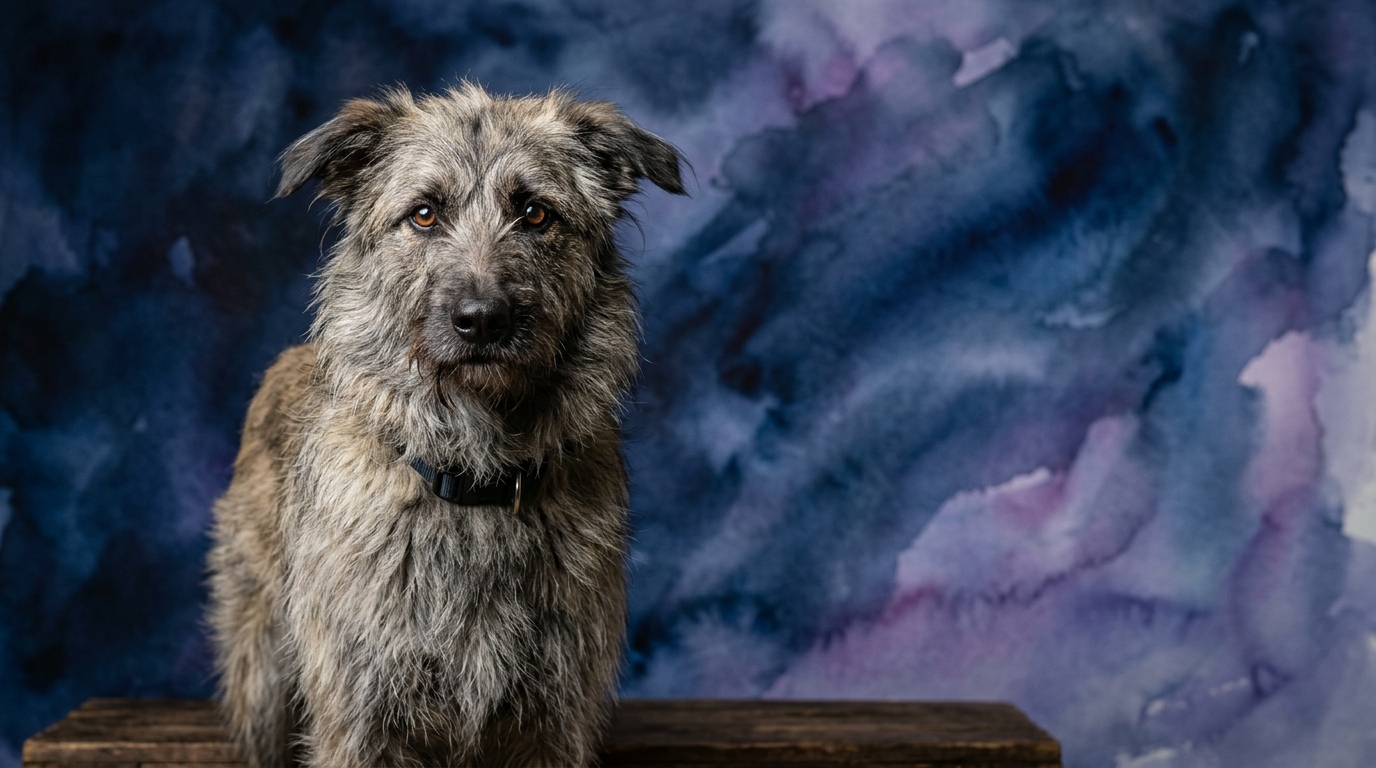
The Cosmic Pet Pet IQ Lab framework assesses canine cognition across five dimensions, offering a nuanced view of intelligence. For the Pyrenean Shepherd, a breed shaped by independent flock management, its profile shows a balanced aptitude: Problem Solving at 3/5 indicates a capacity for navigating challenges, though not always with immediate solutions; Training Speed at 3/5 suggests a steady learning curve; Social Intelligence, also 3/5, points to a moderate ability to interpret human cues. Its Instinctive Drive of 3/5 reflects inherent herding behaviors, and a Memory score of 3/5 signifies reliable retention. This breed is not included in Coren's ranking, often due to its specialized working background.
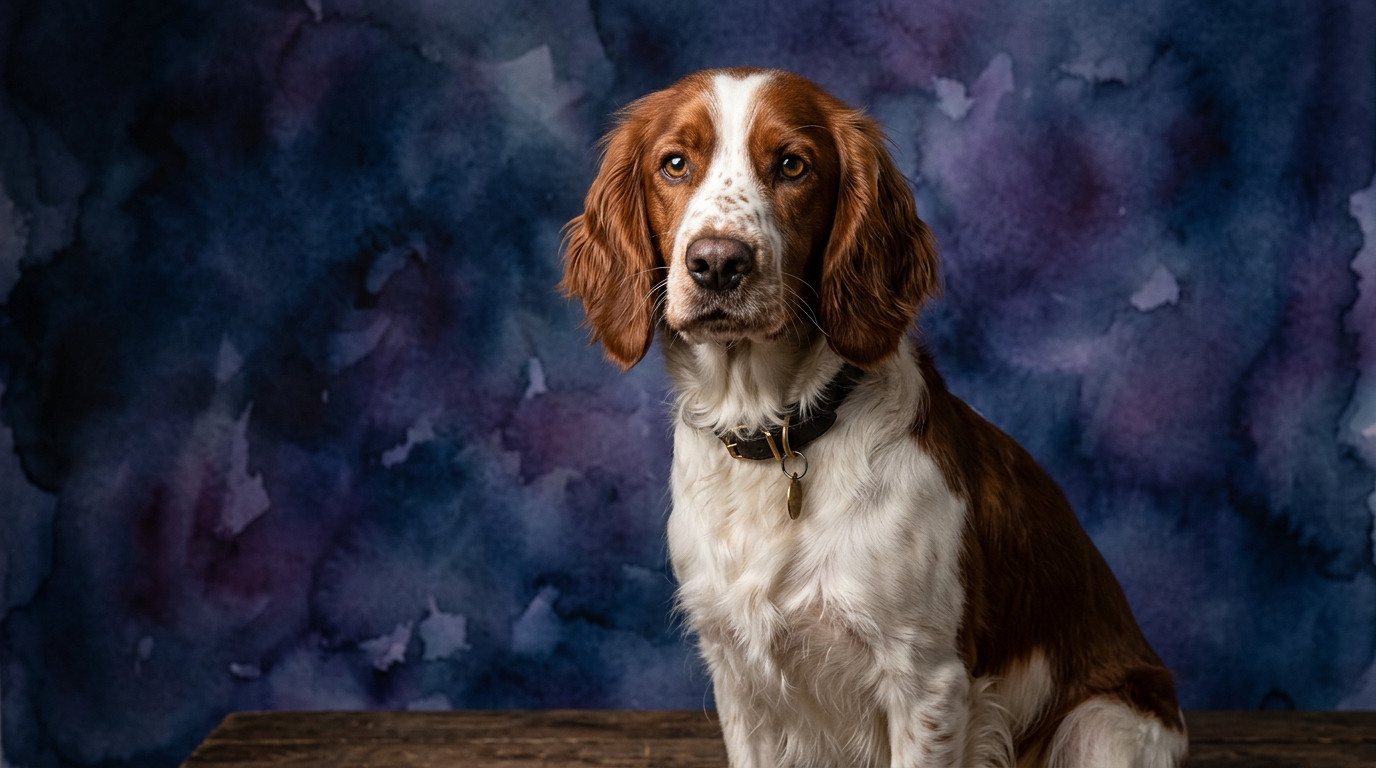
In contrast, the Welsh Springer Spaniel, developed for flushing and retrieving, presents a profile with several higher scores. Its Problem Solving ability earns a 4/5, suggesting a quicker grasp of novel challenges and adaptive approaches. Training Speed also stands at 4/5, indicating a comparatively faster rate of acquiring new commands. Social Intelligence aligns with the Pyrenean Shepherd at 3/5, demonstrating similar social cue understanding. Its Instinctive Drive, also 3/5, is channeled into hunting and retrieving. Crucially, the Welsh Springer Spaniel's Memory is rated 4/5, suggesting a superior ability to recall training, locations, and interactions. This breed holds a respectable Coren rank of #31, placing it well within the above-average category for working and obedience intelligence.
Where Pyrenean Shepherd Wins Cognitively
While the Pyrenean Shepherd's individual scores might be slightly lower in some metrics, its cognitive strengths are deeply intertwined with its herding heritage. Its 3/5 Problem Solving and Training Speed, viewed through the lens of a pastoral dog, highlight an independent, resilient thinking style. They needed to make swift decisions without direct human command while managing livestock, demonstrating a practical, self-reliant intelligence. This means they excel in situations requiring independent judgment and perseverance, rather than immediate, rote obedience.
Their 3/5 Social Intelligence isn't about being aloof, but rather a selective engagement prioritizing the task at hand over constant human interaction, valuable for flock oversight. Their Instinctive Drive, also 3/5, is a finely tuned engine for herding, manifesting as acute awareness of movement and a drive to gather. The Pyrenean Shepherd's cognitive wins are thus found in its capacity for autonomous thought and unwavering dedication to its inherent task, allowing it to navigate complex, dynamic environments with self-sufficiency.
Where Welsh Springer Spaniel Wins Cognitively
The Welsh Springer Spaniel demonstrates cognitive advantages in areas emphasizing rapid learning, retention, and collaborative problem-solving. Its 4/5 Problem Solving ability means it tends to process new information and adapt to changing circumstances more quickly. This swift processing allows them to learn complex sequences of actions, such as retrieving specific items or navigating intricate obstacle courses, with greater ease. The 4/5 Training Speed score is a direct indicator of this efficiency; they typically pick up commands with fewer repetitions.
Their superior Memory, also rated at 4/5, is a significant cognitive asset, allowing recall of a vast repertoire of commands, locations, and past interactions. This strong memory underpins its effectiveness in field work, where remembering scent trails and handler instructions is paramount. While Social Intelligence and Instinctive Drive are 3/5, the application of this drive towards partnership and retrieving fully leverages its learning and memory strengths. The Welsh Springer Spaniel's cognitive wins are rooted in its capacity for quick assimilation of information, robust recall, and an eagerness to engage in structured, collaborative tasks.
Which Is Easier to Train and Why
Based on the IQ Lab scores, the Welsh Springer Spaniel generally presents as the easier breed to train. Its 4/5 Training Speed indicates a quicker uptake of new commands, meaning fewer repetitions are typically needed. This is further supported by its 4/5 Problem Solving score, suggesting it can more readily interpret and adapt to training scenarios, finding efficient solutions. Their superior 4/5 Memory also ensures that once a behavior is learned, it is retained effectively, reducing the need for constant re-training.
In contrast, the Pyrenean Shepherd, with its 3/5 scores in Training Speed, Problem Solving, and Memory, requires a more patient and consistent approach. While capable, their learning curve is steadier, not as rapid. Their independent herding mindset can sometimes translate into a more thoughtful, rather than immediate, response to commands, as they might assess the situation before complying. The Welsh Springer Spaniel's eager-to-please nature complements its cognitive strengths, making it highly motivated by handler interaction. The Pyrenean Shepherd, while responsive, may require more effort to convince that a command is truly necessary, reflecting its historically autonomous role.
Which Suits Active Owners vs. Relaxed Owners
Both breeds are inherently active, but their cognitive profiles suggest nuances in the type of activity they thrive on, influencing owner suitability. The Welsh Springer Spaniel, with its 4/5 Problem Solving and Training Speed, thrives with owners who provide consistent, engaging mental and physical challenges. They excel in activities like obedience, agility, or scent work, requiring quick learning and a collaborative spirit. An active owner who enjoys structured training, regular long walks, and interactive games will find a Welsh Springer Spaniel a highly fulfilling partner. Their higher memory score means they retain routines well, making them predictable in established activities. A more relaxed owner might find their need for engagement overwhelming.
The Pyrenean Shepherd, while also requiring significant physical activity, benefits from an owner who appreciates its independent, thoughtful nature. Its 3/5 Problem Solving and Social Intelligence, alongside its herding drive, mean it often enjoys activities allowing some autonomy, such as exploring varied terrains or herding sports. They might be less inclined towards repetitive, rote obedience, preferring tasks with purpose or independent decision-making. An active owner who enjoys hiking, exploring, or engaging in activities tapping into natural problem-solving without constant direction would be a good match. A 'relaxed owner' providing minimal engagement would likely find either breed challenging, but the Pyrenean Shepherd's independent streak might lead to less desirable self-directed activities if not properly channeled.
The Verdict
Choose a Pyrenean Shepherd if you appreciate a dog with independent thought, a self-reliant approach to tasks, and are prepared to engage with a steady learner who thrives on purpose-driven activities. They are best suited for owners who value a resilient partner for outdoor adventures and nuanced work, understanding their unique herding intelligence.
Opt for a Welsh Springer Spaniel if you seek a highly trainable, responsive companion eager to collaborate in structured activities and sports, and who exhibits excellent memory and quick problem-solving skills. They flourish with active owners who enjoy consistent training, interactive games, and a dog that quickly masters and recalls commands.
🧠 Find Your Pet's IQ Score
Our Pet IQ Lab assessment covers 25+ tests across 5 cognitive dimensions — personalized to your breed.
Take the Full IQ Test →Frequently Asked Questions
Does Coren's ranking fully capture a breed's intelligence?
Coren's ranking primarily assesses 'working and obedience intelligence,' focusing on how quickly a dog learns and obeys commands. It doesn't fully encompass all aspects of canine cognition, such as independent problem-solving, social adaptability, or instinctive drives, which are crucial for breeds like the Pyrenean Shepherd in their specialized roles.
Are Pyrenean Shepherds difficult to train because their scores are lower?
Pyrenean Shepherds are not difficult to train, but they learn at a steadier pace and often require more consistent motivation due to their independent nature. Their intelligence is geared towards autonomous decision-making in herding, meaning they might question commands rather than immediately comply, requiring a patient, understanding approach from their owner.
How do the instinctive drives of these two breeds differ in practical terms?
Both breeds have a 3/5 instinctive drive, but its manifestation differs: the Pyrenean Shepherd's drive is primarily for herding, showing a strong impulse to gather and control movement, which needs appropriate outlets. The Welsh Springer Spaniel's drive is geared towards sporting activities like flushing and retrieving, leading to a natural inclination for scent work and bringing items back to a handler.