Side-by-Side IQ Profile: Unpacking Cognitive Dimensions
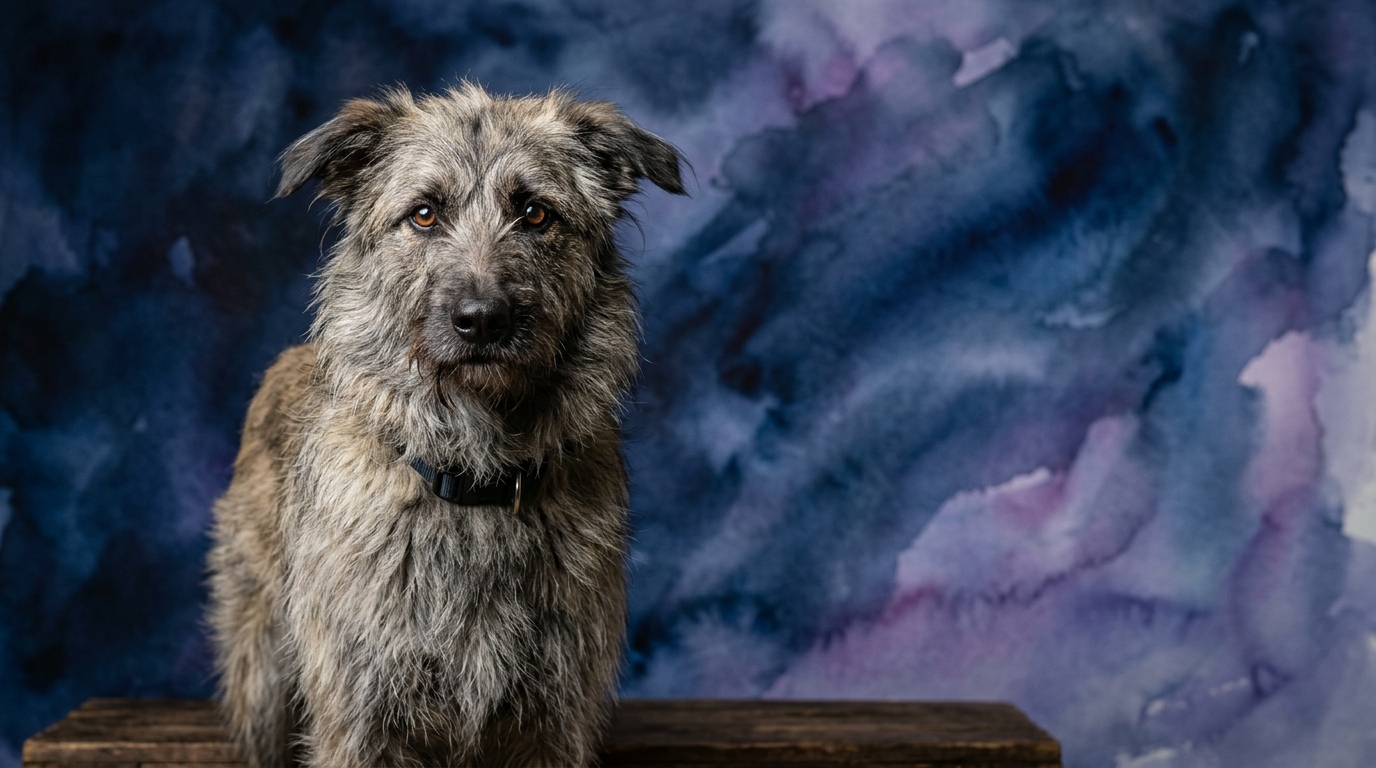
For the Pyrenean Shepherd, a Problem Solving score of 3/5 indicates a capacity for moderate adaptability, allowing them to navigate new situations and basic puzzles with a thoughtful approach. Their Training Speed, also 3/5, suggests they absorb new commands at an average pace, responding well to consistent, positive reinforcement. Social Intelligence at 3/5 means they are generally adept at interpreting human and canine cues, fostering good communication within a family unit. An Instinctive Drive of 3/5 reflects their herding heritage, manifesting as a moderate inclination to gather or control, which can be channeled effectively. Lastly, their Memory score of 3/5 allows them to retain learned behaviors and routines reliably, though occasional refreshers help solidify knowledge.
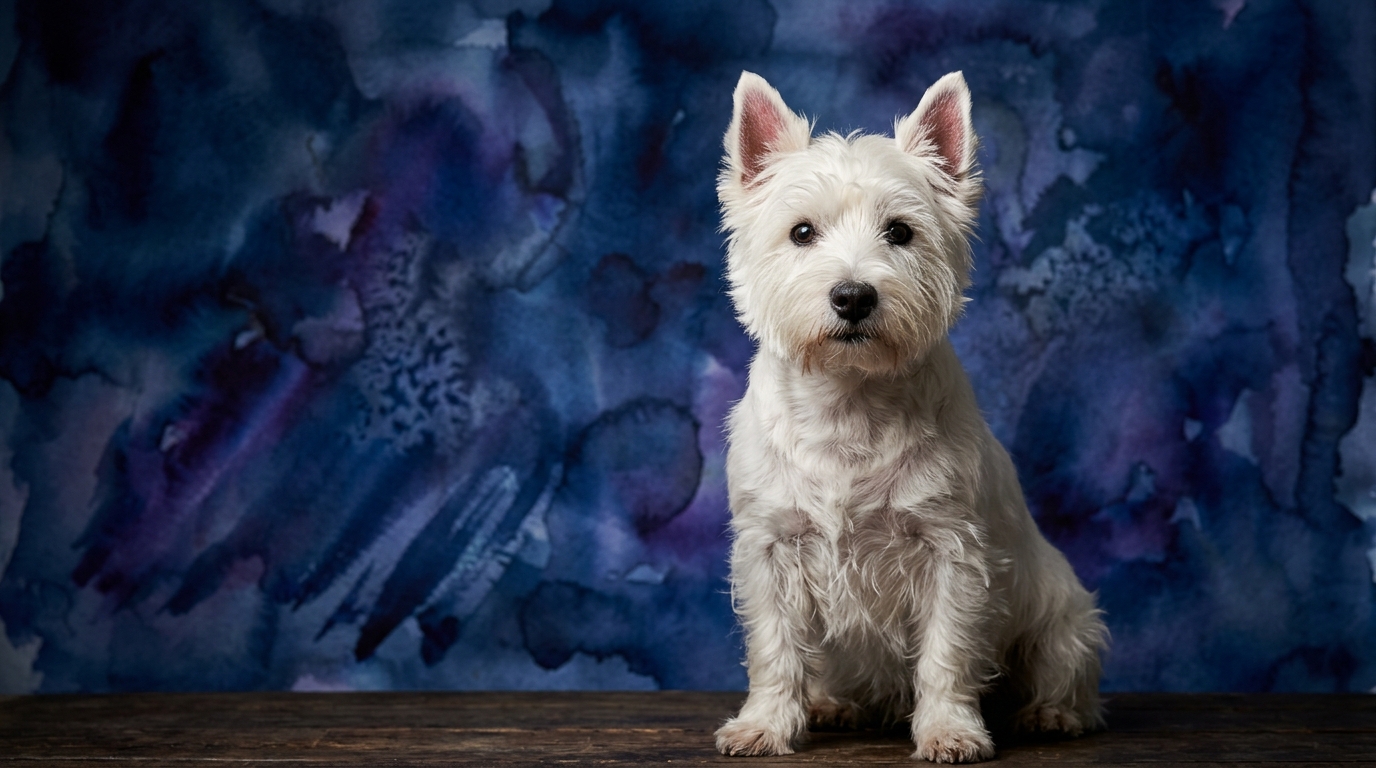
The West Highland White Terrier mirrors the Pyrenean Shepherd in several dimensions. Their Problem Solving capability (3/5) enables them to tackle everyday challenges and simple brain games with a similar level of engagement. Training Speed (3/5) means they learn new tasks at a steady rate, benefiting from clear, repetitive instruction. Social Intelligence (3/5) equips them with a reasonable understanding of social dynamics, helping them integrate smoothly into family life. Their Instinctive Drive (3/5) is rooted in their terrier background, showing up as a moderate inclination to dig, chase small prey, or investigate, requiring appropriate outlets. The standout difference is their Memory score of 4/5, indicating a superior ability to recall past experiences, commands, and routines with remarkable longevity, making both positive and negative lessons deeply ingrained.
Where the Pyrenean Shepherd Wins Cognitively
While both breeds share similar scores across most cognitive dimensions, the Pyrenean Shepherd's blend, paired with its herding lineage, offers subtle advantages in specific contexts. Its 3/5 instinctive drive, though moderate, is geared towards cooperation and managing movement, translating into a natural inclination for tasks that involve subtle direction and responsiveness to handler cues in open spaces. Unlike the Westie's independent terrier drive, the Pyrenean Shepherd's problem-solving often manifests within a framework of working *with* a human partner, making them adept at nuanced collaborative activities. This breed may excel in agility courses or complex obedience routines where precise, sustained focus on the handler's instruction, rather than independent exploration, is paramount. Their balanced cognitive profile, without one dominant trait overshadowing others, allows for a more generalist application of their mental faculties in varied, dynamic environments.
Where the West Highland White Terrier Wins Cognitively
The West Highland White Terrier's distinct cognitive strength lies squarely in its superior Memory (4/5). This enhanced recall capability means that once a behavior, a command, or even a boundary is thoroughly learned, it tends to stick with remarkable tenacity. For an owner, this translates into less need for constant repetition to maintain training standards over time; a well-taught "stay" or "recall" will likely endure for years. This strong memory also contributes to their ability to learn complex sequences of tricks or routines, as they can reliably string together multiple commands. Furthermore, their vivid recall can make them exceptionally good at remembering specific people, places, or even cues from their environment, which can be beneficial for consistent behavior in familiar settings. However, this excellent memory also means they can just as readily recall undesirable habits or negative experiences, emphasizing the importance of positive, consistent training from a young age.
Which is Easier to Train and Why
When considering ease of training, the West Highland White Terrier holds a slight edge primarily due to its 4/5 memory score, compared to the Pyrenean Shepherd's 3/5. While both breeds share a 3/5 training speed, meaning they absorb new commands at an average pace, the Westie's superior memory ensures that once a lesson is learned, it is retained far more reliably and requires fewer refreshers. A Pyrenean Shepherd, while capable of learning complex tasks, might need more consistent practice over time to maintain the same level of proficiency. The Pyrenean Shepherd's 3/5 instinctive drive, rooted in herding, means it's often eager to please and work collaboratively, which can make initial training engaging. However, the Westie's terrier drive, also rated 3/5, can sometimes lead to independent decision-making, requiring a trainer to be exceptionally consistent and engaging to overcome potential stubbornness. Ultimately, the Westie's robust memory makes well-established training more durable, simplifying long-term behavioral management.
Matching Breed to Owner Lifestyle: Active vs. Relaxed
The distinction between these two breeds regarding owner lifestyle preferences becomes clearer when examining their combined cognitive profiles and inherent drives. The Pyrenean Shepherd, with its 3/5 instinctive drive for herding and overall balanced cognitive scores, thrives with active owners who can provide consistent mental and physical engagement. Their problem-solving and social intelligence, while not exceptionally high, are best utilized in environments that offer varied activities, such as advanced obedience, agility, or even herding trials, fulfilling their need for purpose. This breed often prefers to be actively involved in family life, requiring owners who appreciate a dog that needs to "do" something. A more relaxed owner might find the Pyrenean Shepherd's moderate energy and mental stimulation needs challenging to meet, potentially leading to boredom-induced behaviors.
The West Highland White Terrier, despite its strong memory, also possesses a 3/5 instinctive drive rooted in its terrier heritage, meaning they have a moderate urge to dig, chase, and explore. While they appreciate activity and play, their energy demands are generally more manageable than a herding breed. They suit owners who are moderately active but also appreciate a dog with a strong personality and an independent streak. Their superior memory means they will remember routines and boundaries, making them adaptable to a consistent home environment, even if it's not constantly on the go. Relaxed owners who enjoy regular walks, interactive play sessions, and consistent mental challenges like puzzle toys, rather than intense athletic pursuits, might find the Westie a more suitable companion. They are content with a structured home life and thrive on companionship, provided their terrier instincts are acknowledged and managed.
The Verdict
Opt for the Pyrenean Shepherd if you are an active owner seeking a collaborative partner for diverse activities like dog sports, valuing a dog that engages thoughtfully in a working relationship.
Select the West Highland White Terrier if you appreciate a dog with a robust memory for training and routines, thriving in a moderately active home that values consistent companionship and a spirited personality.
🧠 Find Your Pet's IQ Score
Our Pet IQ Lab assessment covers 25+ tests across 5 cognitive dimensions — personalized to your breed.
Take the Full IQ Test →Frequently Asked Questions
Does the West Highland White Terrier's memory mean it's easier to house train?
The Westie's 4/5 memory can certainly aid in house training, as they are likely to remember where they should relieve themselves and the associated routines more quickly and consistently than a dog with lower memory. However, consistency from the owner is still paramount for success.
How does the Pyrenean Shepherd's instinctive drive manifest in a non-herding home?
In a non-herding home, the Pyrenean Shepherd's 3/5 instinctive drive might manifest as an interest in "herding" family members or other pets, an inclination to patrol the yard, or a strong desire for structured activities that mimic a job, like agility or advanced obedience. Channeling this drive through play and training is crucial.
Can both breeds excel in obedience training despite their similar training speed scores?
Yes, both breeds can excel in obedience training. While their training speed is rated 3/5, indicating an average learning pace, consistent positive reinforcement and clear communication will yield excellent results for both. The Westie's superior memory might give it an advantage in retaining complex sequences over the long term.