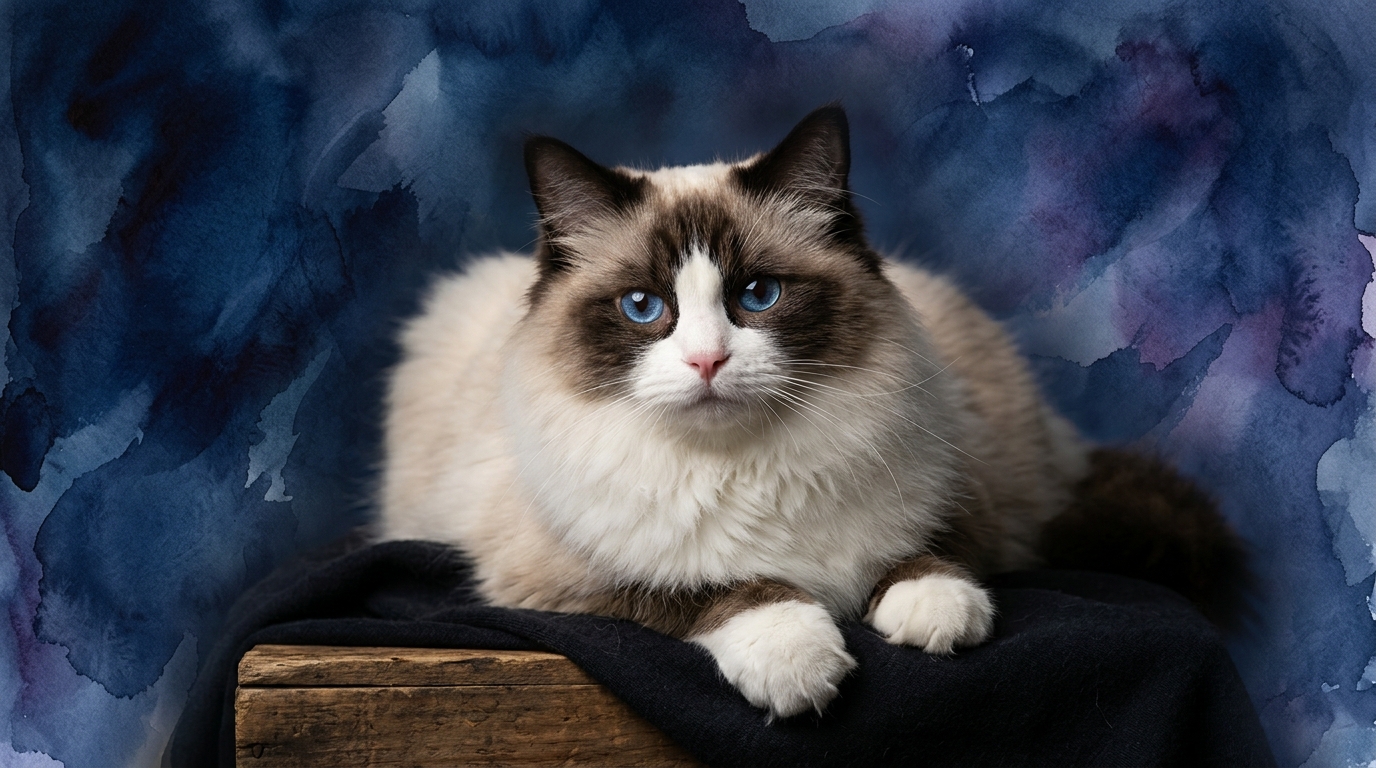
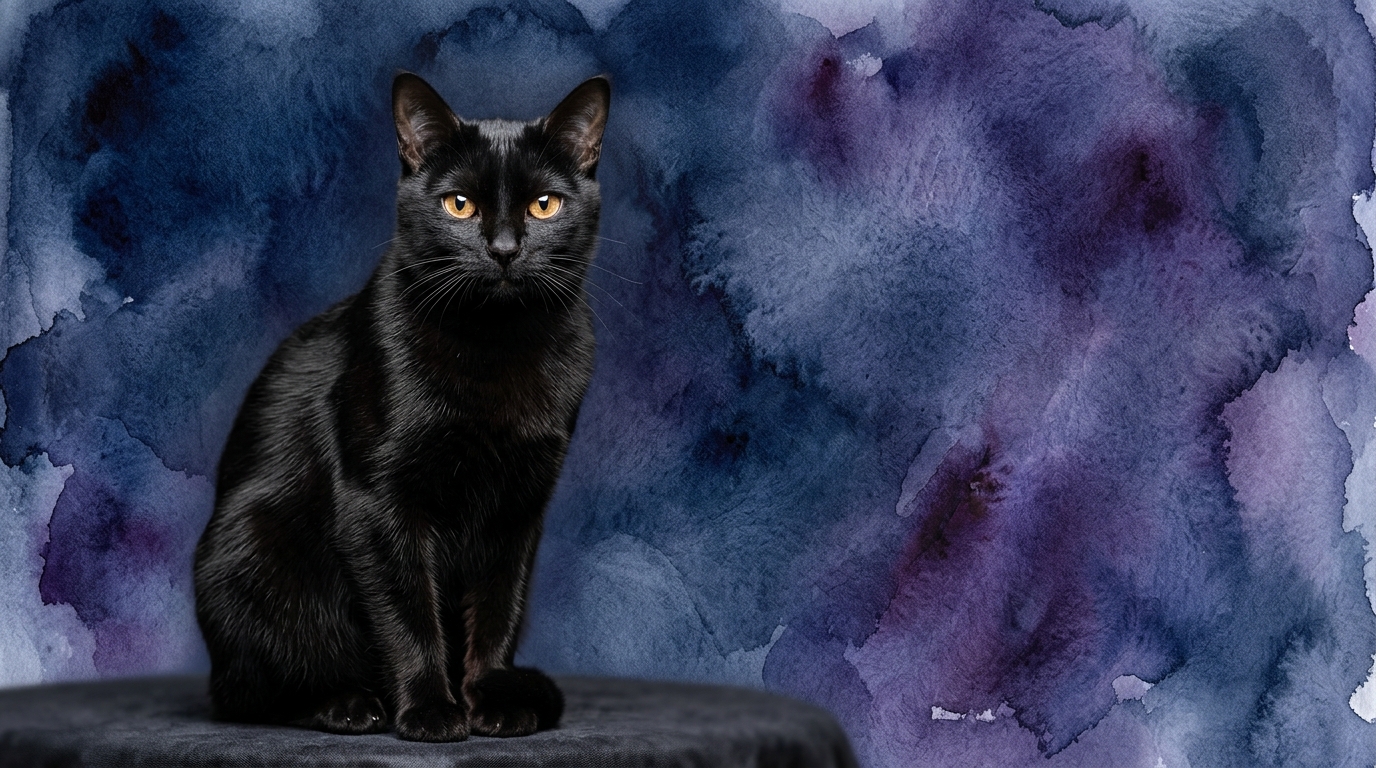
Side-by-Side IQ Profile: Ragdoll vs. Bombay
The Cosmic Pet Pet IQ Lab provides a detailed breakdown of feline intelligence across five crucial dimensions, offering a clearer picture than a single score. For both the Ragdoll and the Bombay, their Problem Solving ability scores 3 out of 5, indicating they are capable of navigating moderately complex challenges, understanding routines, and figuring out simple mechanisms like opening non-childproof cupboards or solving basic puzzle feeders. They won't be master escape artists, but they are certainly not stumped by everyday curiosities.
Similarly, both breeds share a Training Speed rating of 3 out of 5, suggesting they learn at an average pace. Consistent, positive reinforcement methods will yield results, but owners should expect a steady progression rather than instant mastery of new commands or tricks. Patience and repetition are key for both the Ragdoll and the Bombay to internalize new behaviors.
A significant divergence appears in Social Intelligence. The Ragdoll boasts an impressive 5 out of 5, signifying an exceptional capacity for understanding and responding to human emotions, intentions, and social cues. They are deeply attuned to their family members, often seeking out companionship and thriving on close interaction. In contrast, the Bombay scores a solid 3 out of 5, indicating a moderate level of social engagement; they enjoy interaction and affection but tend to be more independent and less intensely focused on human emotional states.
Instinctive Drive presents another key difference. The Ragdoll registers a low 2 out of 5, meaning their natural hunting instincts and exploratory urges are relatively subdued. They are generally content with a calm indoor environment, less prone to chasing small prey or extensive territorial exploration. The Bombay, however, scores 3 out of 5, reflecting a moderate instinctive drive. This means they possess a healthy curiosity, enjoy engaging in playful 'hunting' of toys, and are more inclined to explore their surroundings with enthusiasm.
Finally, both breeds share a Memory score of 3 out of 5. This suggests they have a reliable capacity to remember important routines, the faces of their family members, and associations between actions and consequences. They will remember where their favorite toys are kept or the sound of the treat bag, demonstrating a practical and functional memory for daily life.
Where Ragdoll Wins Cognitively
The Ragdoll's most prominent cognitive advantage lies in its unparalleled Social Intelligence, scoring a perfect 5 out of 5. This isn't merely about being affectionate; it's about a profound capacity to read and respond to human emotional states. A Ragdoll often seems to anticipate their owner's needs for comfort or companionship, offering a gentle presence during quiet moments or a playful nudge when sensing a desire for interaction. This high social acumen makes them exceptional emotional support animals, deeply integrated into the family's emotional fabric.
Furthermore, their lower Instinctive Drive (2/5) contributes to their cognitive 'win' in specific contexts. While a higher drive might seem beneficial for some, the Ragdoll's subdued instincts mean they are less distracted by primal urges. They are less likely to be consumed by the need to hunt imaginary prey or extensively patrol territory, allowing them to remain more present and focused on human interaction. This combination of extreme social attunement and reduced primal distractions fosters a cat that is singularly devoted and remarkably adaptable to quiet, companion-focused living.
Where Bombay Wins Cognitively
The Bombay's cognitive strengths often manifest through its balanced profile, particularly its moderate Instinctive Drive of 3 out of 5. This isn't an overwhelming drive but a healthy level of curiosity and playfulness that encourages engagement with their environment and interactive toys. Unlike the Ragdoll's more subdued nature, a Bombay is more likely to initiate games of chase, pounce on feather wands, or explore new nooks and crannies, providing consistent mental stimulation through active play.
While their Social Intelligence is a solid 3 out of 5, not matching the Ragdoll's peak, this moderate score combined with their balanced drive means they are affectionate without being overtly demanding. They enjoy interaction on their own terms, offering a blend of independence and companionship. This cognitive balance allows the Bombay to be a versatile companion, capable of entertaining themselves with puzzles or toys, yet always ready for a warm cuddle, appealing to owners who appreciate a cat with a lively spirit and playful engagement.
Which is Easier to Train and Why
Both Ragdolls and Bombays share a Training Speed of 3 out of 5, suggesting neither is inherently 'easier' in terms of raw learning pace. However, their distinct social intelligence and instinctive drives influence *how* they respond to training and *what motivates them* most effectively. The Ragdoll, with its exceptional Social Intelligence (5/5), is highly motivated by positive attention, praise, and the desire to please their human. They are likely to respond enthusiastically to clicker training and reward-based methods because the social reward of pleasing their owner is a powerful reinforcement. Their lower instinctive drive also means fewer distractions from primal urges during a training session, allowing for better focus on the task at hand.
The Bombay, while equally capable of learning at an average pace, might require a slightly different motivational approach due to its moderate Social Intelligence (3/5) and Instinctive Drive (3/5). While they appreciate affection, treat rewards, or engaging play might be equally, if not more, effective motivators than praise alone. Their moderate instinctive drive means they might excel at learning tricks that mimic hunting behaviors, like fetching or pouncing on command, as these tap into their natural inclinations. However, this same drive could also mean they are more easily distracted by environmental stimuli. Consistency, patience, and identifying the most compelling reward — whether it's food, a favorite toy, or a burst of affection — are crucial for successful training with a Bombay.
Which Suits Active Owners vs. Relaxed Owners
For owners seeking a serene and deeply affectionate companion who thrives on close emotional connection, the Ragdoll is an ideal match. Their low Instinctive Drive (2/5) means they are content with a calm indoor environment, less prone to rambunctious play or extensive exploration. Coupled with their exceptional Social Intelligence (5/5), Ragdolls excel as 'lap cats' and constant companions, making them perfect for relaxed households, seniors, or individuals who desire a gentle, ever-present feline friend without demanding high levels of interactive play or stimulation.
Conversely, owners who enjoy more interactive play, puzzle-solving, and perhaps even teaching tricks will find the Bombay a more suitable companion. Their moderate Instinctive Drive (3/5) ensures they have a healthy curiosity and enjoy engaging in playful activities, making them more likely to initiate games or explore new environments. While still affectionate, the Bombay's balanced profile appeals to those who want a cat that is both playful and loving, willing to participate in structured play sessions and benefit from regular mental enrichment without being overly demanding or hyperactive. They offer a dynamic presence for a moderately active home.
The Verdict
Choose a Ragdoll if your priority is an exceptionally devoted, emotionally attuned companion who thrives on close human interaction and possesses a serene indoor disposition.
Choose a Bombay if you desire a playful, moderately independent, and engaging companion who enjoys interactive games and exploration, while still offering plenty of affection.
🧠 Find Your Pet's IQ Score
Our Pet IQ Lab assessment covers 25+ tests across 5 cognitive dimensions — personalized to your breed.
Take the Full IQ Test →Frequently Asked Questions
Are Ragdolls and Bombays equally good at learning new tricks?
Both breeds score 3/5 for Training Speed, meaning they learn at an average pace. However, Ragdolls might be more motivated by social praise due to their high social intelligence, while Bombays might respond better to treat or play rewards, tapping into their moderate instinctive drive.
How do their social intelligence scores impact their interactions with other pets?
A Ragdoll's 5/5 social intelligence often translates to a highly adaptable and accepting nature with other pets, seeking harmonious relationships. A Bombay's 3/5 social intelligence means they are generally friendly but may be more selective or require a longer adjustment period to integrate with other animals, preferring to maintain some independence.
Does a Ragdoll's low instinctive drive mean they are less playful than a Bombay?
Not necessarily 'less playful,' but their play style differs. Ragdolls (2/5 drive) tend to engage in gentler, more companion-oriented play. Bombays (3/5 drive) often display more vigorous, 'hunting'-style play, enjoying chasing and pouncing, which can be perceived as more active or engaged.