Unpacking the Cognitive Profiles: Ragdoll vs. Egyptian Mau
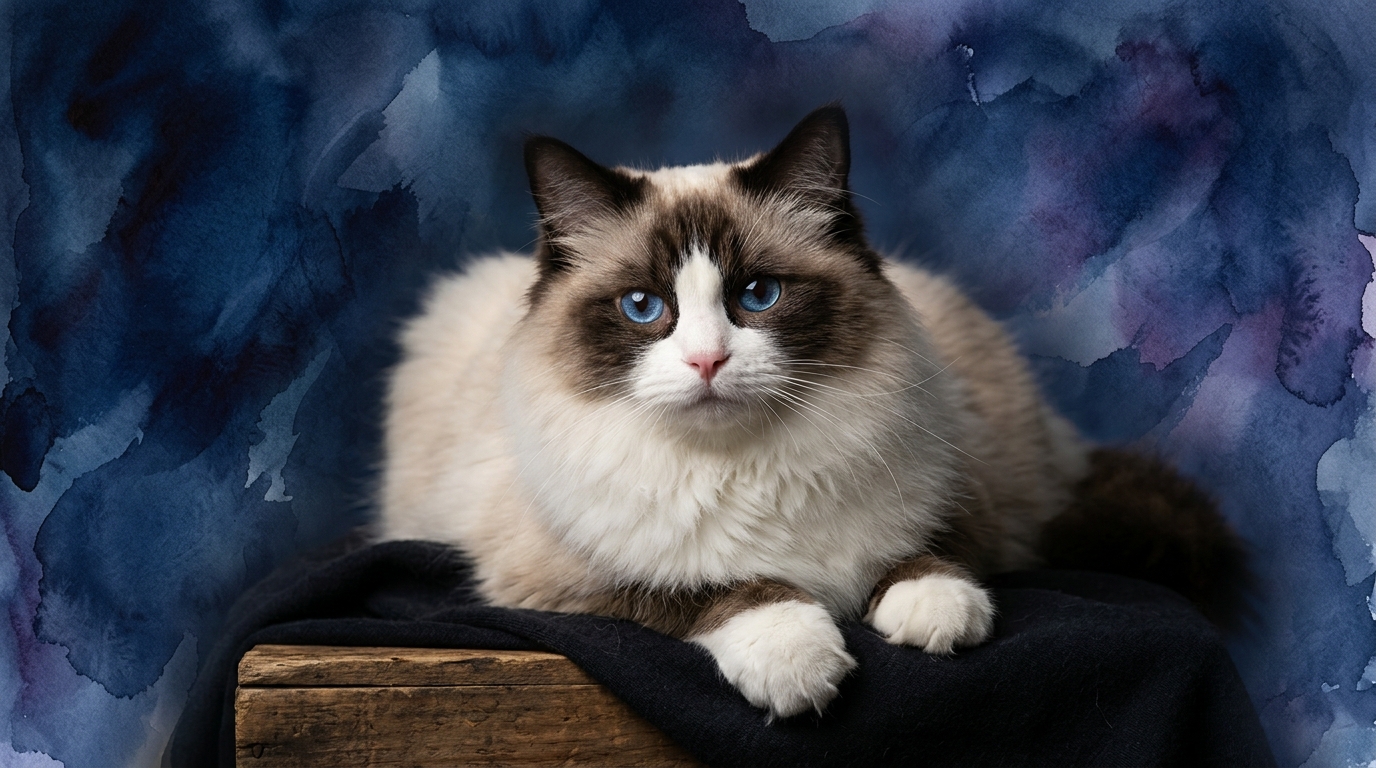
The Ragdoll presents a unique cognitive blueprint. Its Problem Solving score of 3/5 indicates a solid capacity for navigating moderately complex challenges, understanding routines, and figuring out simple mechanisms, demonstrating a practical intelligence. With a Training Speed of 3/5, they are responsive to consistent, positive reinforcement, capable of learning tricks and adapting to leash training, often motivated by their desire for human interaction. The standout trait is their Social Intelligence, rated at a remarkable 5/5, reflecting a deep attunement to human emotions, a strong preference for companionship, and remarkable patience with family members. Their Instinctive Drive is lower at 2/5, meaning their hunting instincts are less pronounced, making them more content with gentle play. Finally, their Memory of 3/5 ensures they retain routines, remember people and places, and recall learned behaviors, influencing their responses over time.
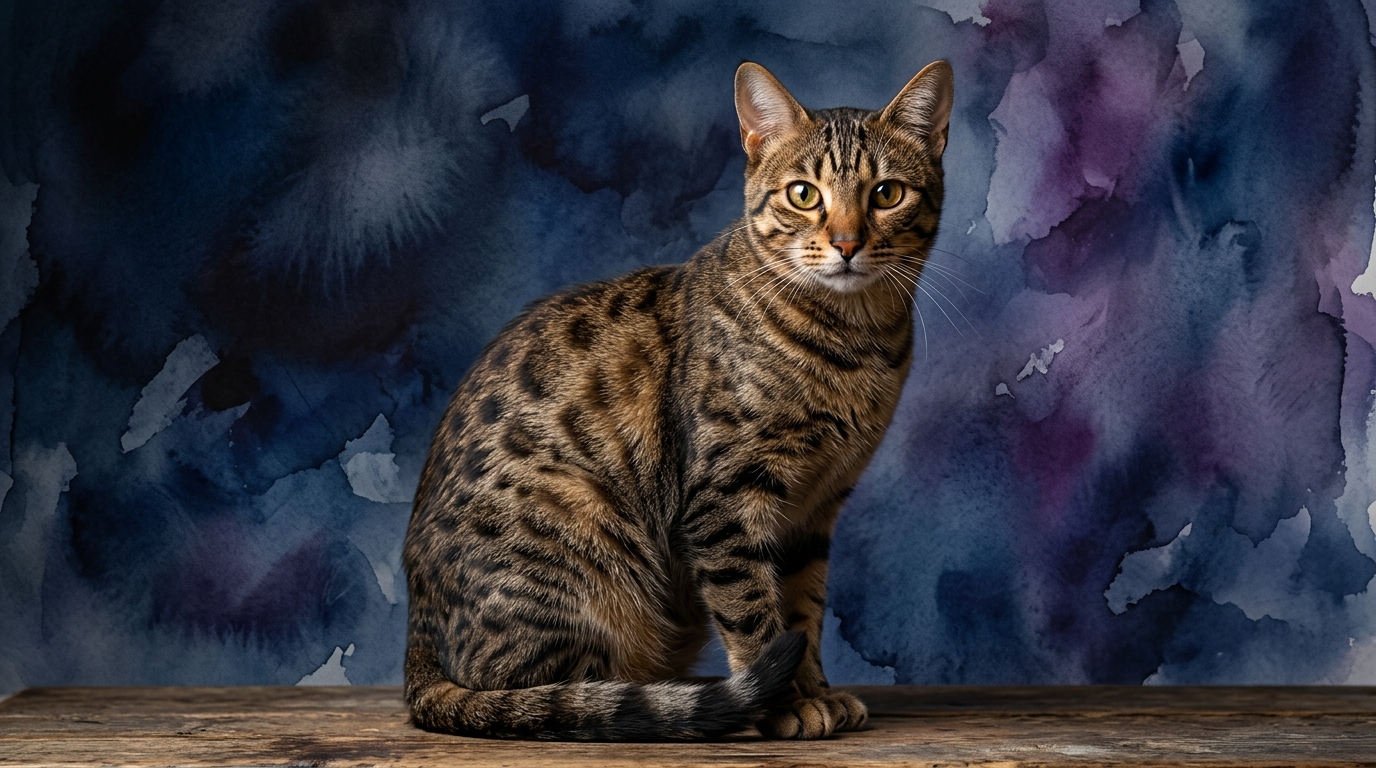
The Egyptian Mau shares some cognitive similarities but boasts distinct differences. Its Problem Solving score is also 3/5, indicating a comparable ability to figure out puzzles and navigate environments, often driven by curiosity. Similarly, their Training Speed is 3/5; they respond well to engaging and stimulating training, though their motivation might stem more from mental challenge than purely social rewards. Their Social Intelligence is rated 3/5; while affectionate and capable of forming strong bonds, they are generally less universally outgoing than a Ragdoll, often preferring to initiate interactions on their own terms. The Mau’s Instinctive Drive is 3/5, a moderate yet notable prey drive that manifests as a love for chasing, pouncing, and exploring. Their Memory also stands at 3/5, allowing them to recall routines, preferred spots, and trusted individuals, shaping their daily habits and interactions.
Where the Ragdoll Shines Cognitively
The Ragdoll's most pronounced cognitive strength lies in its exceptional social intelligence (5/5). This isn't merely about being friendly; it reflects a sophisticated capacity for understanding and responding to human cues. They often seem to anticipate their owner's moods, offering comfort or seeking interaction at opportune moments. This high social acumen makes them particularly adept at integrating into diverse family structures, showing patience with children and other pets, and adapting smoothly to various social situations. Their contentment in human company also contributes to their ease in domestic settings, making them less prone to anxiety when their preferred people are nearby.
This social prowess also subtly influences their problem-solving and training. While their problem-solving score is 3/5, their drive to engage with humans means they might work harder on a puzzle if it involves shared activity or leads to a treat offered by their person. Similarly, their 3/5 training speed is often amplified by their desire to please and connect, making them highly receptive to positive reinforcement that strengthens their bond with their trainer. They learn not just for a reward, but for the positive social interaction it brings.
Where the Egyptian Mau Demonstrates Unique Strengths
The Egyptian Mau, while sharing a 3/5 problem-solving and training speed with the Ragdoll, distinguishes itself with a slightly elevated instinctive drive (3/5). This isn't just about physical activity; it translates into a heightened curiosity and a keen interest in their surroundings. Their cognitive strengths are often expressed through their engagement with their environment – adeptly navigating complex spaces, figuring out how to access elevated perches, or deducing the mechanics of new toys. This moderate drive means they are more consistently motivated by activities that tap into their natural hunting behaviors, such as interactive games involving chasing and pouncing, which provides mental stimulation alongside physical exercise.
Their 3/5 social intelligence, while not as universally effusive as the Ragdoll's, signifies a capacity for deep, selective bonds. Maus are discerning in their affections, and once trust is established, they can be incredibly devoted and communicative with their chosen humans. This means their problem-solving efforts might be directed towards achieving goals that benefit their core family, like "problem-solving" how to get attention from a specific person. Their cognitive engagement is often more self-directed and exploratory, thriving in environments that offer opportunities for independent investigation and play that satisfies their intrinsic drives.
Training Dynamics: Ragdoll vs. Egyptian Mau
Both breeds share a training speed score of 3/5, indicating a moderate capacity for learning. However, the *approach* to training and the *types* of behaviors they excel at can differ due to their distinct social and instinctive profiles. The Ragdoll, with its exemplary social intelligence (5/5), often thrives on training that deepens the human-feline bond. They are typically motivated by praise, gentle petting, and the sheer joy of interacting with their people. This makes them amenable to learning household manners, responding to their name, and even performing simple tricks like "sit" or "come" primarily for the social reward and positive attention. Their lower instinctive drive (2/5) means they are less likely to be distracted by external stimuli like prey movements during indoor training sessions.
The Egyptian Mau, conversely, with its slightly higher instinctive drive (3/5) and a more discerning social intelligence (3/5), might be more engaged by training that incorporates puzzle elements or mimics hunting scenarios. While they appreciate positive reinforcement, their motivation can be significantly boosted by games that involve chasing, pouncing, or mental challenges. They might excel at agility courses or learning to retrieve specific toys, driven by their natural desire to explore and "hunt." For the Mau, training is often a form of stimulating engagement, a mental workout as much as a social interaction. Their selective social nature means they might be less universally eager to please than a Ragdoll, requiring a trainer to first establish a strong, trusting bond.
Tailoring Companionship: Active vs. Relaxed Lifestyles
Choosing between these two breeds often comes down to aligning their cognitive and behavioral tendencies with an owner's lifestyle. The Ragdoll, with its exceptionally high social intelligence (5/5) and lower instinctive drive (2/5), is an ideal companion for relaxed owners or those seeking a constant, gentle presence. They thrive in environments where they receive ample human interaction, enjoy being part of family activities, and are content with indoor living. Their cognitive profile makes them adaptable to quiet homes, apartments, or situations where their primary joy comes from close companionship and observation of their human family. They are not typically demanding of intense physical or mental stimulation, preferring instead to be involved through proximity and affection.
The Egyptian Mau, with its moderate instinctive drive (3/5) and slightly more independent social intelligence (3/5), is better suited for active owners who appreciate a cat with a spark of curiosity and a need for engagement. These cats benefit from environments that offer opportunities for exploration, interactive play, and mental challenges. Owners who enjoy dedicating time to structured play sessions, providing puzzle toys, or even considering leash training for outdoor adventures will find the Mau a rewarding companion. Their cognitive makeup drives them to investigate, climb, and engage with their surroundings, making them a good fit for households that can provide consistent enrichment and appreciate a cat that expresses its affection through playful interaction and discerning loyalty.
The Verdict
If you seek a deeply affectionate, adaptable companion who thrives on constant human connection and offers emotional support with a gentle demeanor, the Ragdoll's exceptional social intelligence makes it an ideal choice.
If you're an active owner who appreciates a curious, playful feline with a moderate drive for exploration and hunting, capable of forming deep, selective bonds, the Egyptian Mau will provide engaging companionship.
🧠 Find Your Pet's IQ Score
Our Pet IQ Lab assessment covers 25+ tests across 5 cognitive dimensions — personalized to your breed.
Take the Full IQ Test →Frequently Asked Questions
Are Ragdolls more adaptable to new environments or people compared to Egyptian Maus?
Yes, Ragdolls, due to their 5/5 social intelligence, generally adapt more readily to new environments, people, and even other pets. Their strong desire for companionship makes them more resilient to changes as long as their human family is present, whereas Egyptian Maus might take longer to warm up to new situations or strangers.
Which breed is more likely to engage in "mischievous" problem-solving, like opening cupboards?
While both have a 3/5 problem-solving score, the Egyptian Mau's slightly higher instinctive drive (3/5) and inherent curiosity might make them more inclined to "problem-solve" ways to access interesting places or objects, driven by an exploratory urge rather than purely social motivation.
Do Egyptian Maus require more interactive play than Ragdolls to stay cognitively stimulated?
Yes, due to their 3/5 instinctive drive, Egyptian Maus generally benefit from and seek out more interactive play sessions that mimic hunting behaviors. Ragdolls, with their 2/5 instinctive drive, are often content with less intense play, preferring gentle interaction and close proximity to their human companions for cognitive engagement.