Side-by-Side Cognitive Profiles: The Cosmic Pet Pet IQ Lab Data
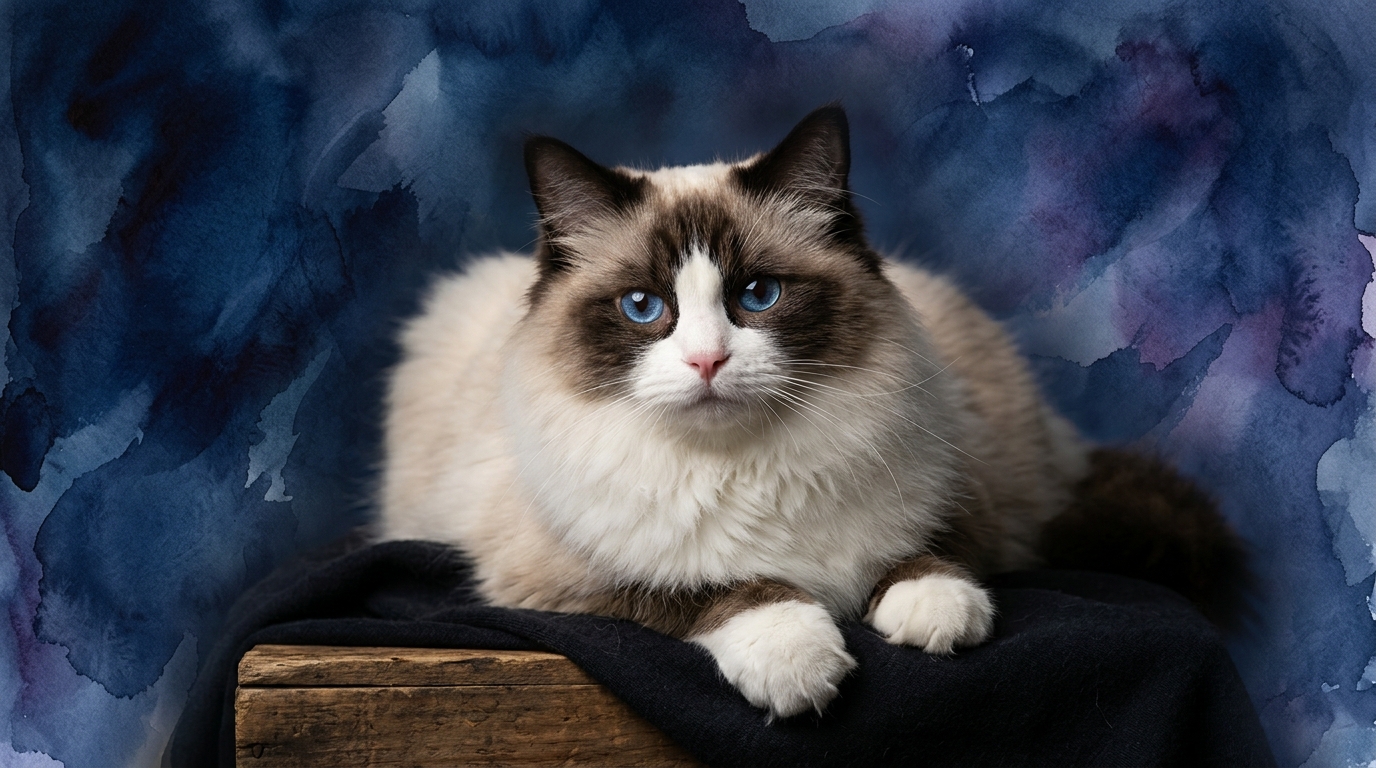
The Ragdoll, a breed celebrated for its docile nature and striking blue eyes, presents a cognitive profile indicating a balanced intellect with a distinct social aptitude. The Cosmic Pet Pet IQ Lab scores the Ragdoll at 3/5 for Problem Solving, suggesting a capacity for navigating common challenges and understanding basic mechanisms, but without an overwhelming drive for complex intellectual feats. Their Training Speed also registers at 3/5, meaning they are receptive to learning new commands and routines, provided the approach is consistent and positive. However, it is in Social Intelligence where the Ragdoll truly shines, earning a perfect 5/5. This reflects an exceptional ability to understand human emotions, cues, and intentions, fostering deep, interactive bonds. Contrasting this, their Instinctive Drive is a modest 2/5, indicating a less intense inclination towards hunting, exploring, or self-preservation behaviors compared to more wild-at-heart felines. Finally, their Memory is rated 3/5, allowing them to adequately recall learned experiences and routines.
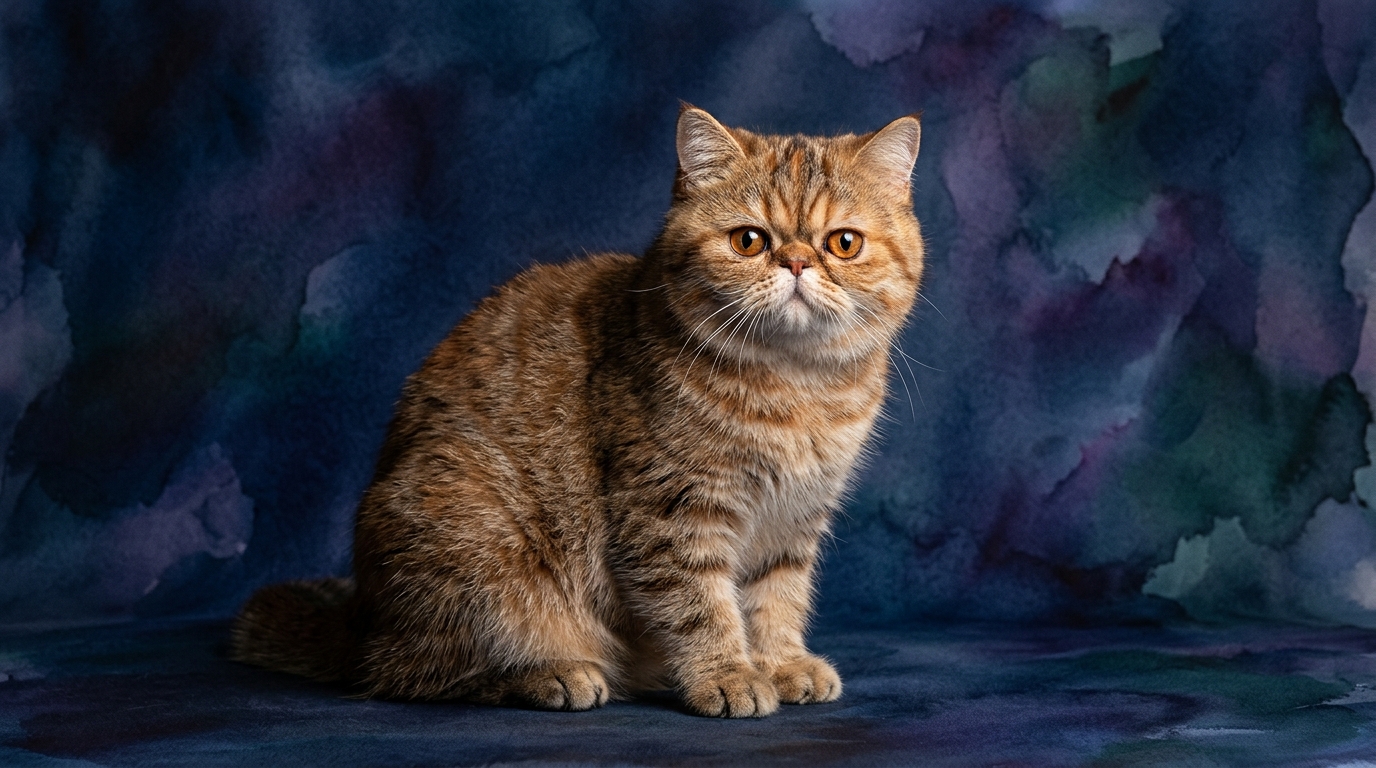
In contrast, the Exotic Shorthair, often described as a 'lazy man's Persian' due to its short coat and similar facial structure, offers a subtly different cognitive makeup. For Problem Solving, the Exotic Shorthair matches the Ragdoll at 3/5, demonstrating a similar foundational ability to resolve everyday conundrums without being overly driven by them. Their Training Speed also aligns at 3/5, meaning they can learn effectively with patient, reward-based methods, but won't necessarily pick things up at lightning pace. Where the Exotic Shorthair diverges is in Social Intelligence, scoring 3/5. While affectionate and appreciative of companionship, they tend to be more reserved and independent than the highly gregarious Ragdoll, valuing quiet presence over constant interaction. Their Instinctive Drive is a slightly higher 3/5, suggesting a moderate interest in play that mimics hunting, environmental exploration, and a general curiosity about their surroundings. Like the Ragdoll, their Memory is rated 3/5, indicating a reliable capacity for retaining information about their environment and routines.
Where the Ragdoll Cognitively Excels
The Ragdoll's unequivocal cognitive advantage lies in its extraordinary Social Intelligence, scoring a perfect 5/5 compared to the Exotic Shorthair's 3/5. This isn't merely about being 'friendly'; it's about a profound capacity for interspecies communication and empathy. Ragdolls are exceptionally attuned to human emotional states, often responding with comforting purrs or gentle nudges when their owner is distressed. They actively seek out human companionship, following their people from room to room, greeting them at the door, and preferring to be in close proximity. This high social acumen means they are adept at understanding complex social cues, not just direct commands, but also subtleties in tone of voice, body language, and even unspoken desires for affection. This cognitive strength transforms them into highly interactive and responsive companions, capable of forming bonds that many owners describe as uniquely deep and emotionally resonant.
Where the Exotic Shorthair Cognitively Shines
While the Ragdoll excels in social aptitude, the Exotic Shorthair holds a subtle but significant cognitive edge in Instinctive Drive, rated 3/5 compared to the Ragdoll's 2/5. This difference, though seemingly small, translates to a more robust engagement with their natural feline instincts. Exotic Shorthairs often display a greater inclination for exploratory behaviors, a keener interest in investigating new scents or objects, and a more pronounced enjoyment of play that simulates hunting. They might be more inclined to stalk a feather toy, chase a laser pointer with intensity, or explore the highest shelves of a cat tree. This slightly elevated instinctive drive means they possess a more inherent capacity for self-entertainment and independent activity. While still affectionate, their cognitive makeup allows for a more balanced approach to companionship, where they can derive satisfaction from their own pursuits without constantly relying on human interaction for stimulation, offering a contented presence that isn't always demanding.
Trainability: Which Breed Learns More Easily?
Despite both breeds sharing a 3/5 rating for Training Speed, the Ragdoll generally proves easier to train due to its superior Social Intelligence (5/5). Training a cat, or any animal, isn't solely about its raw ability to learn, but also its motivation and willingness to engage with the trainer. Ragdolls, with their strong desire for human connection and approval, perceive training sessions as valuable opportunities for interaction and bonding. They are more likely to respond enthusiastically to positive reinforcement, not just for the treat, but for the shared experience and the praise from their beloved human. Their ability to read social cues means they can better understand what is expected of them, making them more receptive to learning tricks, walking on a leash, or coming when called. This intrinsic social motivation often makes the training process feel less like a chore and more like a collaborative game, fostering quicker and more reliable skill acquisition.
Matching Cognitive Profiles to Owner Lifestyles
For owners who lead an active lifestyle and desire a highly interactive companion, the Ragdoll's cognitive profile is an ideal match. Their exceptional social intelligence means they thrive on consistent engagement, whether it's learning new tricks, participating in interactive play sessions, or simply being involved in daily household activities. An owner who enjoys teaching their cat to fetch, walk on a leash, or solve puzzle feeders will find the Ragdoll's eagerness to connect and respond incredibly rewarding. They are not content to merely observe; they want to be an integral, participating member of the family, offering a constant, affectionate presence that aligns perfectly with an owner seeking a deeply bonded and responsive pet.
Conversely, the Exotic Shorthair's cognitive makeup aligns beautifully with owners seeking a more relaxed yet affectionate companion. While they appreciate human presence, their moderate social intelligence and slightly higher instinctive drive mean they are often content with quiet companionship and independent pursuits. An owner who enjoys a cat that is happy to nap nearby, observe the world with gentle curiosity, and engage in occasional bursts of playful exploration without constant demands for attention will find the Exotic Shorthair's temperament appealing. They offer a comforting, mellow presence, providing affection on their own terms and demonstrating a self-sufficiency that suits a household where the feline companion is a cherished, yet not overly demanding, presence.
The Verdict
Choose the Ragdoll when you prioritize a deeply bonded, highly interactive companion eager to participate in family life and respond to social cues, valuing their profound connection above all.
Choose the Exotic Shorthair when you seek a gentle, affectionate cat that values its independence, enjoys quiet companionship, and can entertain itself with moderate exploration, offering a serene presence.
🧠 Find Your Pet's IQ Score
Our Pet IQ Lab assessment covers 25+ tests across 5 cognitive dimensions — personalized to your breed.
Take the Full IQ Test →Frequently Asked Questions
Are Ragdolls truly 'dog-like' in their intelligence?
While not dogs, their exceptional social intelligence often leads them to display behaviors akin to canines, such as following owners, greeting at the door, and seeking constant interaction, making them highly responsive companions within the feline world.
Do Exotic Shorthairs enjoy playing games or puzzles?
Exotic Shorthairs possess a moderate problem-solving ability and instinctive drive, meaning they can enjoy interactive play and simple puzzles, though they might not seek out complex challenges with the same intensity as some other breeds, preferring gentle engagement.
Which breed is better for a multi-pet household?
The Ragdoll's high social intelligence often makes them adaptable and friendly with other pets, readily integrating into a multi-animal environment, while the Exotic Shorthair's more reserved nature means they can coexist peacefully but might require a slower, more patient introduction to new animal companions.