A Side-by-Side Look at Their Cognitive Profiles
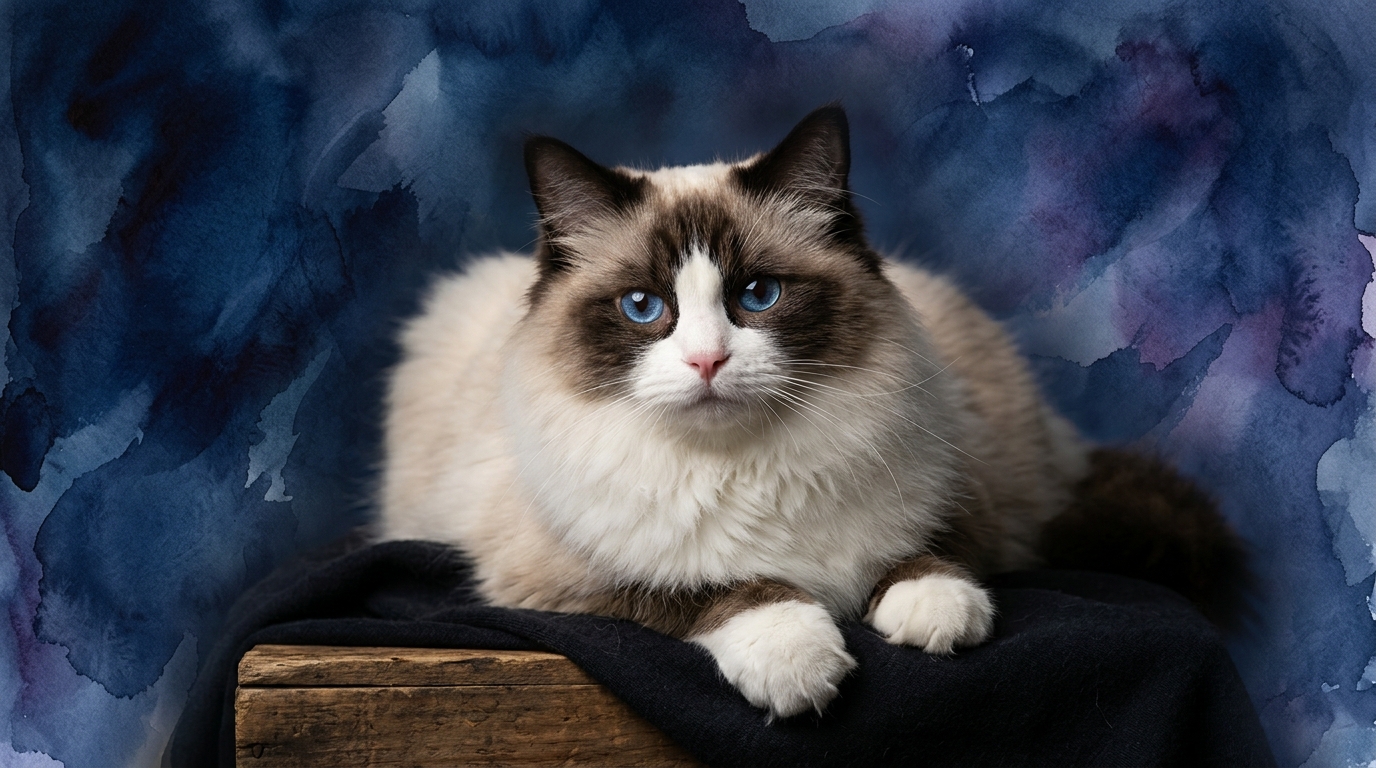
The Cosmic Pet Pet IQ Lab employs a five-dimensional framework to assess feline intelligence, offering a granular view beyond simple labels. For the Ragdoll, we observe a Problem Solving score of 3/5, indicating a capacity for learning routines and navigating familiar challenges, but not necessarily for complex strategic thinking. Their Training Speed also stands at 3/5, suggesting they respond well to consistent positive reinforcement and can acquire new behaviors at a steady pace. Where Ragdolls truly shine is in Social Intelligence, scoring an impressive 5/5, reflecting an exceptional ability to bond deeply with humans, read emotional cues, and seek companionship. Their Instinctive Drive is lower at 2/5, meaning they typically exhibit less predatory behavior or intense exploratory urges. Finally, their Memory is rated 3/5, allowing them to retain information about their environment, routines, and key individuals effectively.
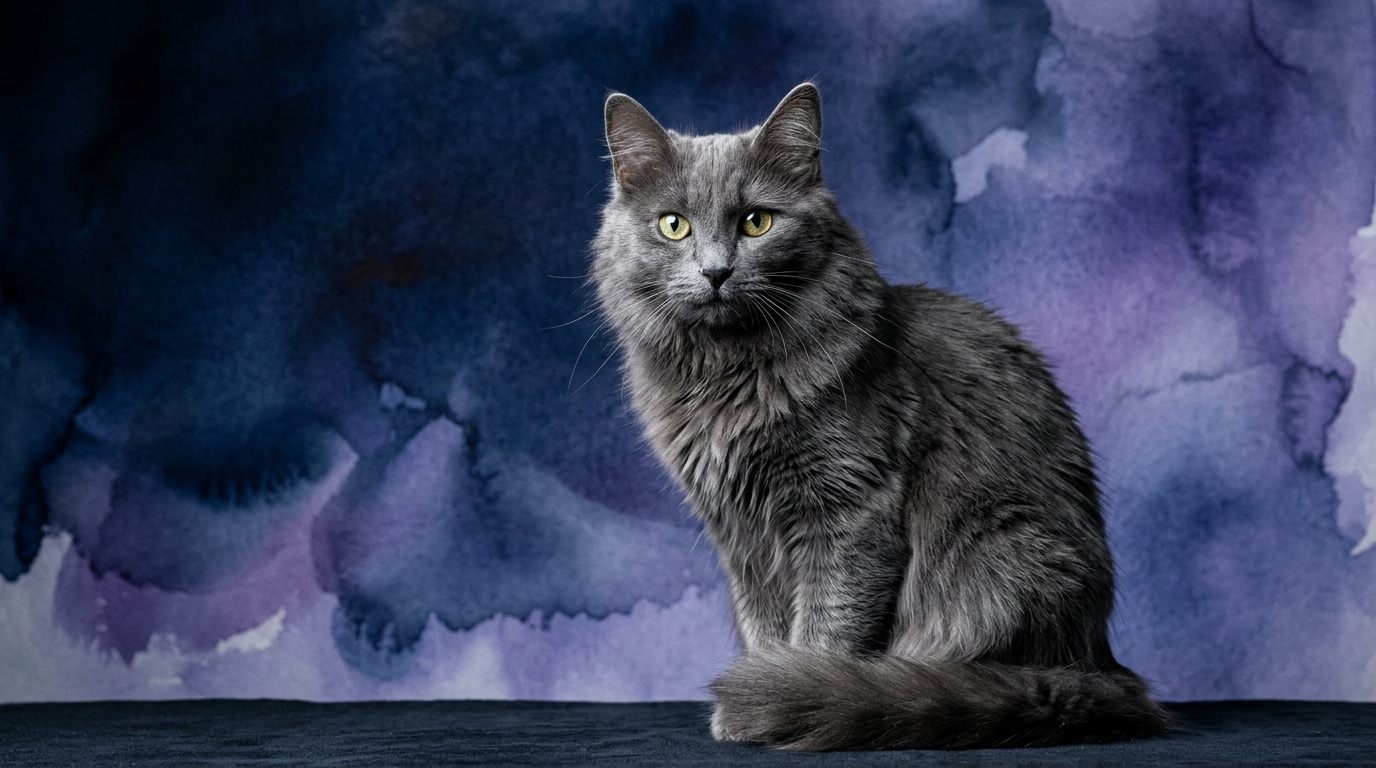
In contrast, the Nebelung presents a slightly different cognitive fingerprint. Their Problem Solving ability matches the Ragdoll at 3/5, indicating a similar aptitude for understanding cause and effect in their immediate surroundings. Their Training Speed also aligns at 3/5, suggesting they are equally capable of learning tasks when approached with patience and engaging methods. The Nebelung's Social Intelligence, however, is rated 3/5, signifying a capacity for strong bonds but often with a select few, and a tendency to be more reserved or observant with strangers. Their Instinctive Drive is a moderate 3/5, indicating a healthy interest in play that simulates hunting and a desire for some environmental exploration. Like the Ragdoll, their Memory is also 3/5, allowing them to recall important details about their lives and relationships.
Where the Ragdoll's Mind Truly Shines
The Ragdoll's standout cognitive strength lies unequivocally in their Social Intelligence, rated at a perfect 5/5. This isn't just about being friendly; it reflects a profound capacity for emotional attunement and a deep understanding of human social dynamics. A Ragdoll often acts as a true companion, following their owners from room to room, greeting them at the door with genuine enthusiasm, and offering comfort during moments of distress. Their high social intelligence makes them exceptionally responsive to vocal cues and body language, often anticipating their owner's needs or mood. This cognitive dimension allows them to seamlessly integrate into family life, thriving on interaction and forming exceptionally strong, almost dog-like, bonds. Their ability to read and react to human emotions makes them incredibly adaptable to various household environments, provided they receive ample affection and attention, making them feel like a true member of the family rather than just a pet.
This superior social cognition also translates into their interaction with guests; while some cats might retreat, a well-socialized Ragdoll often displays a calm curiosity, allowing themselves to be petted and enjoying the extended social circle. They are less prone to anxiety in new social settings because their primary cognitive drive is connection, making them remarkably comfortable in a bustling household or with frequent visitors. Their low Instinctive Drive (2/5) further supports their social nature, as they are less likely to be distracted by hunting urges or territorial anxieties, instead focusing their mental energy on their human companions.
The Nebelung's Unique Cognitive Strengths
The Nebelung's cognitive profile, while sharing similarities in problem-solving and memory, distinguishes itself through a more pronounced Instinctive Drive, rated at 3/5 compared to the Ragdoll's 2/5. This moderate drive means Nebelungs possess a greater inherent curiosity and a stronger inclination towards play that mimics hunting. They often enjoy chasing toys, engaging in interactive wand play, and exploring their environment with a keen, observant nature. This isn't just about physical activity; it's a cognitive engagement with their surroundings, where they are actively processing sensory input and strategizing their 'hunt.' Owners might notice a Nebelung meticulously stalking a toy mouse or carefully surveying a room from a high perch, demonstrating a mental engagement with their world that is driven by their innate predatory instincts.
While their Social Intelligence is a respectable 3/5, it manifests differently than the Ragdoll's. Nebelungs often form deep, loyal bonds, but they tend to be more reserved and selective, preferring the company of their chosen few. This discernment can be seen as a cognitive strength, as they are not indiscriminately affectionate but rather invest their social energy into meaningful relationships. They are excellent observers, often taking in their surroundings before engaging, which points to a thoughtful, analytical approach to new situations. This combination of moderate instinctive drive and selective social intelligence makes them adept at entertaining themselves, finding mental stimulation in their environment, and engaging in structured play sessions that satisfy their natural inclinations.
Training Aptitude: Ragdoll vs. Nebelung
Both Ragdolls and Nebelungs share a Training Speed score of 3/5, suggesting that neither breed is inherently quicker or slower to grasp new commands or behaviors. However, the nuances in their Social Intelligence significantly influence the *experience* of training. A Ragdoll, with their 5/5 Social Intelligence, often approaches training with an eagerness to please and a desire for interaction. They are highly motivated by praise, attention, and the opportunity to spend quality time with their human. This means that while the cognitive process of learning a trick might be similar, the Ragdoll's willingness to engage and their responsiveness to social reinforcement can make them *feel* easier to train for tasks like leash walking, coming when called, or even simple tricks. Their strong bond and desire for companionship serve as powerful intrinsic motivators, leading to more cooperative training sessions.
The Nebelung, with a Social Intelligence of 3/5, might require a different approach. While capable of learning at the same pace, they might not be as overtly eager to participate in every training session purely for social interaction. Their motivation might need to be more extrinsic, relying on high-value treats, engaging toys, or making the training process itself a form of stimulating play that appeals to their moderate Instinctive Drive (3/5). They are intelligent and can learn, but an owner might need more patience and creativity to hold their attention and make training enjoyable for them. Consistency is paramount for both, but a Nebelung might be more likely to disengage if they don't see immediate personal benefit or if the training feels too demanding of their independent nature.
Matching Minds: Active vs. Relaxed Owners
Choosing between a Ragdoll and a Nebelung often comes down to an owner's lifestyle and what they seek in a feline companion, directly influenced by these cognitive profiles. For the relaxed owner who desires a gentle, affectionate, and relatively low-maintenance companion, the Ragdoll is an ideal match. Their high Social Intelligence (5/5) means they thrive on close human interaction and are content to be a calm, comforting presence, often happy to lounge nearby or engage in gentle play. Their low Instinctive Drive (2/5) means they are less demanding of intense play sessions or extensive environmental enrichment, preferring instead to focus their attention on their human family. They are excellent for individuals or families who spend a lot of time at home and can offer consistent affection, valuing a cat that actively seeks out and enjoys companionship.
Conversely, the Nebelung is better suited for an owner who appreciates a cat with a more independent streak but still forms deep, loyal bonds, and who is willing to engage in more structured, stimulating play. Their moderate Instinctive Drive (3/5) means they benefit from interactive toys, puzzle feeders, and opportunities for 'hunting' play that satisfies their natural curiosity and mental engagement. While their Social Intelligence (3/5) means they are not as overtly demonstrative as a Ragdoll, they are incredibly devoted to their chosen people and will enjoy quality time on their own terms, often through play or quiet companionship. An active owner, or one who enjoys providing varied mental and physical enrichment, will find the Nebelung's thoughtful and playful nature highly rewarding, appreciating their distinct balance of independence and affection.
The Verdict
Choose a Ragdoll if you seek a profoundly social, affectionate companion who thrives on constant human interaction and offers a calm, comforting presence, requiring less intense physical and mental stimulation beyond companionship.
Opt for a Nebelung if you appreciate a cat with a keen observational mind, a moderate drive for exploratory play, and a discerning social nature that forms deep, loyal bonds with a select few, offering a rewarding balance of independence and engagement.
🧠 Find Your Pet's IQ Score
Our Pet IQ Lab assessment covers 25+ tests across 5 cognitive dimensions — personalized to your breed.
Take the Full IQ Test →Frequently Asked Questions
Are Ragdolls good with children and other pets?
Yes, their exceptional Social Intelligence (5/5) and gentle nature make Ragdolls generally very tolerant and adaptable companions for children and other well-behaved pets. They tend to be patient and less prone to aggression, enjoying being part of a larger social group.
Do Nebelungs require a lot of grooming?
Nebelungs possess a beautiful double coat that does require regular grooming, typically a few times a week, to prevent mats and reduce shedding. While not as high-maintenance as some long-haired breeds, their coat needs consistent attention to stay healthy and lustrous.
Which breed is more vocal?
Ragdolls tend to be moderately vocal, expressing themselves with soft meows and chirps, especially when seeking attention or conversation, reflecting their high social intelligence. Nebelungs are generally known to be quieter cats, using soft trills or meows more sparingly, often to communicate with their closest companions.