Side-by-Side IQ Profile: Ragdoll vs. Pixiebob
The Cosmic Pet Pet IQ Lab employs a five-dimensional framework to assess feline intelligence, offering a nuanced understanding beyond simple anecdotes. For both the Ragdoll and the Pixiebob, we observe shared strengths and notable differences across these cognitive facets.
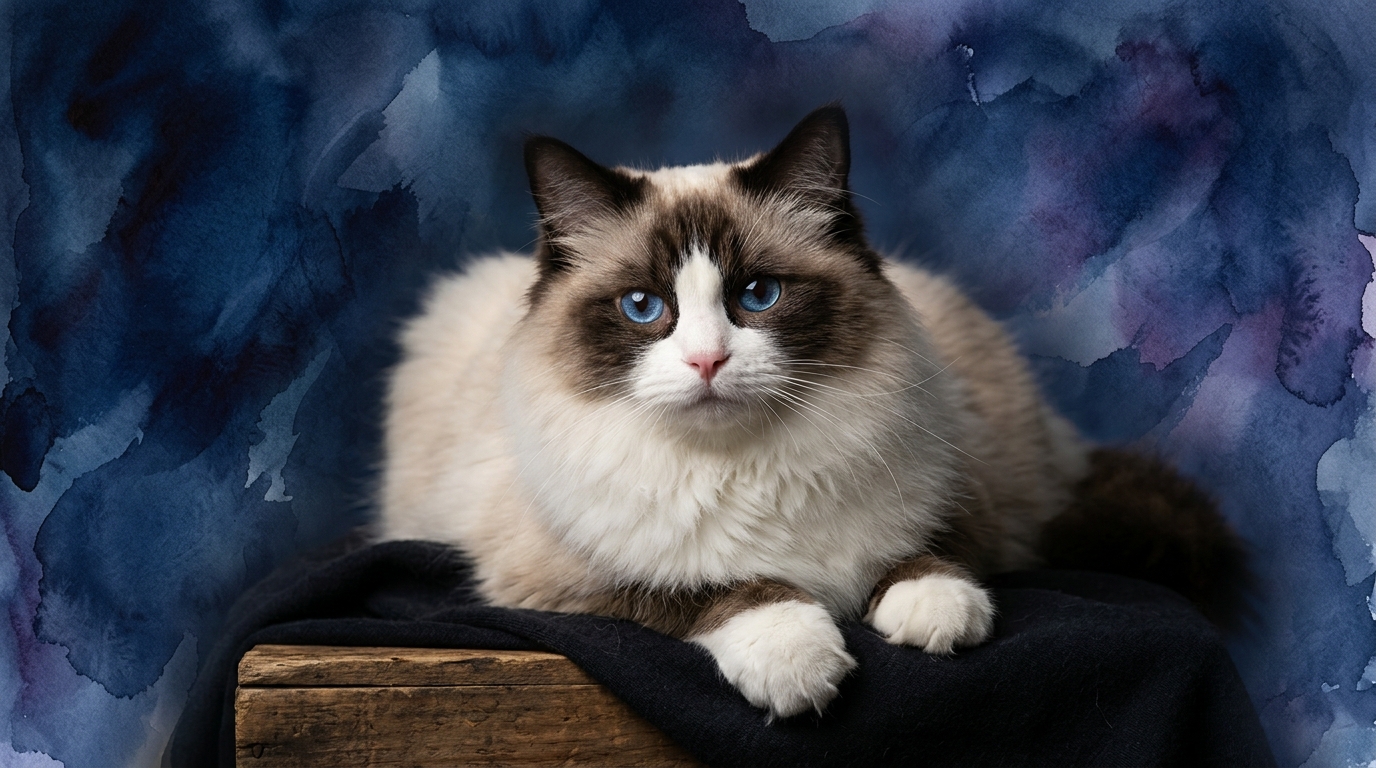
The Ragdoll, a cat breed cherished for its docile nature, scores a 3/5 in Problem Solving, indicating a moderate ability to figure out simple puzzles, such as batting at a treat dispenser or navigating a familiar obstacle. Their Training Speed also sits at a 3/5, suggesting they learn new commands at a steady, average pace. Where the Ragdoll truly shines is in Social Intelligence, earning a perfect 5/5, signifying an exceptional capacity for emotional connection and a deep desire for human interaction. Conversely, their Instinctive Drive is lower at 2/5, meaning they exhibit less intense predatory behaviors or a strong urge for independent exploration. Their Memory is rated 3/5, enabling them to recall routines, people, and spatial information reliably.
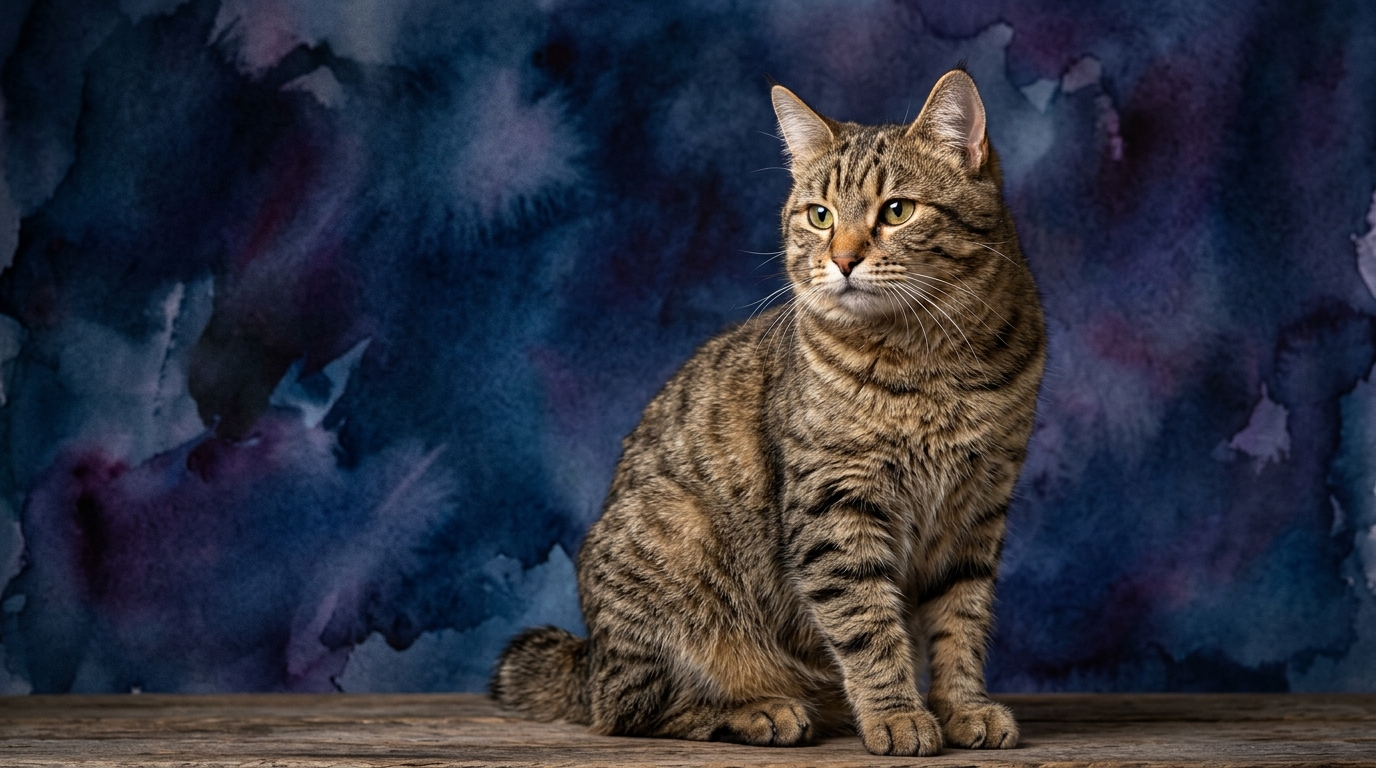
The Pixiebob, often admired for its wild appearance, shares the Ragdoll's 3/5 score in Problem Solving, demonstrating a similar moderate aptitude for navigating environmental challenges and learning from experience. Their Training Speed also matches at 3/5, indicating a comparable rate of acquiring new skills, though their motivation may differ. In Social Intelligence, the Pixiebob registers a 3/5, forming strong bonds and enjoying companionship but with a more reserved, less overtly dependent demeanor than the Ragdoll. Their Instinctive Drive is a moderate 3/5, reflecting a healthy interest in chasing, pouncing, and exploring. Like the Ragdoll, the Pixiebob's Memory is rated 3/5, allowing for consistent recall of daily routines and familiar individuals.
Where the Ragdoll Wins Cognitively
The Ragdoll's undisputed cognitive advantage lies in its unparalleled Social Intelligence, scoring a rare 5/5. This isn't merely about being friendly; it reflects a profound capacity for emotional attunement and an innate, persistent desire for interaction with their human companions. A Ragdoll often displays an acute awareness of its owner's mood, seeking to comfort during moments of sadness or initiating play when sensing an invitation. This high social drive means they are frequently found "following their person" from room to room, participating in household activities, and actively soliciting attention through gentle nudges, soft vocalizations, or simply by maintaining close physical proximity. This cognitive trait makes them exceptionally responsive to human-initiated games and communication, fostering a deeply integrated and responsive presence within the family unit. Their lower Instinctive Drive (2/5) further supports this social focus, as their attention is less diverted by independent exploration or intense hunting simulations, and more readily directed towards interpersonal connection and companionship. They are masters of co-existence, thriving on the shared experience of daily life with their people.
Where the Pixiebob Wins Cognitively
The Pixiebob's cognitive edge is most apparent in its more pronounced Instinctive Drive, rated at 3/5, which is notably higher than the Ragdoll's. This indicates a stronger innate inclination towards activities that mimic natural feline behaviors, such as hunting, exploring, and problem-solving through environmental interaction. A Pixiebob often displays a keen, focused interest in tracking moving objects, engaging vigorously with interactive toys, and meticulously investigating new scents or spaces within their territory. While their Problem Solving score is shared with the Ragdoll at 3/5, their elevated drive can often translate into a more persistent and enthusiastic approach to puzzle feeders or interactive games that require strategic thinking to "capture" a reward. This drive encourages a more self-reliant play style and a greater appreciation for environments that offer opportunities for physical and mental stimulation aligned with their natural predatory instincts. They often exhibit a methodical approach to play, strategizing their pounces and chases, which can be a captivating display for owners who enjoy observing and facilitating these natural behaviors.
Which is Easier to Train and Why
Both Ragdolls and Pixiebobs share a Training Speed score of 3/5, indicating they learn new commands and routines at a moderate pace. However, the *nature* of their training experience diverges significantly due to their differing social intelligence and instinctive drives. A Ragdoll, with its 5/5 Social Intelligence, is often more motivated by human praise, affection, and the sheer desire to participate alongside their owner. They are highly attuned to human cues and eager to please, making them receptive to learning tricks, leash training, or coming when called primarily for the sake of interaction and connection. Their lower Instinctive Drive means they are less likely to be distracted by external stimuli or to prioritize independent activities over a training session with their person. A Ragdoll might quickly learn to "sit" or "stay" for a gentle head scratch and verbal affirmation, thriving on the positive reinforcement of shared moments.
Conversely, the Pixiebob's 3/5 Social Intelligence and 3/5 Instinctive Drive mean their training motivation might be more varied and often more tangibly driven. While they will form bonds and respond to their owners, they may require more concrete rewards, such as high-value treats or engaging toys, to maintain focus and enthusiasm. Training a Pixiebob might involve incorporating activities that tap into their natural hunting drive, such as "fetch" with a favored toy or puzzle-solving games that lead to a reward. They might be less inclined to perform purely for affection and more driven by the satisfaction of a successful "hunt" or a tasty treat. Therefore, while both are trainable, the Ragdoll might *feel* easier to train for an owner who values compliance driven by companionship, whereas the Pixiebob might require a more creative, reward-based approach that taps into its inherent drives, making the process more like an engaging game than a direct command-response exercise.
Which Suits Active Owners vs. Relaxed Owners
For the relaxed owner seeking a calm, deeply connected companion, the Ragdoll is an ideal match. Their exceptional Social Intelligence (5/5) means they thrive on close human interaction and are content to be near their people, whether lounging on a lap or quietly observing household activities from a comfortable perch. Their lower Instinctive Drive (2/5) indicates a reduced need for intense physical activity or complex environmental enrichment to prevent boredom; they are generally less prone to destructive behaviors stemming from unmet physical or mental demands. Ragdolls prefer a peaceful, affectionate existence where human presence is the primary source of contentment, often engaging in gentle, interactive play sessions that prioritize bonding over strenuous activity.
Active owners who enjoy engaging their feline companions in more stimulating activities would find the Pixiebob a rewarding choice. With an Instinctive Drive of 3/5, Pixiebobs benefit from regular interactive play sessions that simulate hunting, such as wand toys or laser pointers, satisfying their natural predatory urges. They appreciate puzzle feeders that challenge their Problem Solving skills (3/5) and might enjoy supervised outdoor excursions on a leash or within a secure catio, satisfying their natural curiosity and exploratory instincts. While they enjoy human company (Social Intelligence 3/5), they also possess a degree of self-reliance, making them suitable for owners who appreciate an independent spirit that can be engaged through varied and stimulating activities, rather than relying solely on constant human proximity for satisfaction.
The Verdict
Choose a Ragdoll if you seek a profound emotional connection and a calm, highly interactive companion who prioritizes human presence and affection above all else. They are ideal for homes where quiet companionship and a gentle demeanor are most valued.
Opt for a Pixiebob if you appreciate an independent spirit with a zest for exploration and interactive play, and you are prepared to engage their natural instincts through stimulating activities. They are best suited for owners who enjoy a more active, dynamic relationship with their cat.
🧠 Find Your Pet's IQ Score
Our Pet IQ Lab assessment covers 25+ tests across 5 cognitive dimensions — personalized to your breed.
Take the Full IQ Test →Frequently Asked Questions
Do Ragdolls get bored easily if not constantly entertained?
With their low Instinctive Drive (2/5) and high Social Intelligence (5/5), Ragdolls are less prone to boredom driven by a need for constant physical stimulation. They find significant contentment in human presence and interaction, though regular gentle play and affection are still important for their well-being.
Are Pixiebobs good family cats, especially with children?
Pixiebobs, with their 3/5 Social Intelligence, can be good family cats, forming bonds with multiple members. They tend to be tolerant and enjoy interactive play, but may appreciate their own space more than a Ragdoll and might require children to understand their cues for independent time.
How do their similar memory scores (3/5) impact their daily lives?
A 3/5 memory score for both breeds means they are perfectly capable of remembering routines, people, and specific locations of resources like food or litter boxes. This allows them to adapt well to household schedules and recognize familiar faces, contributing to a stable and predictable home life for both.