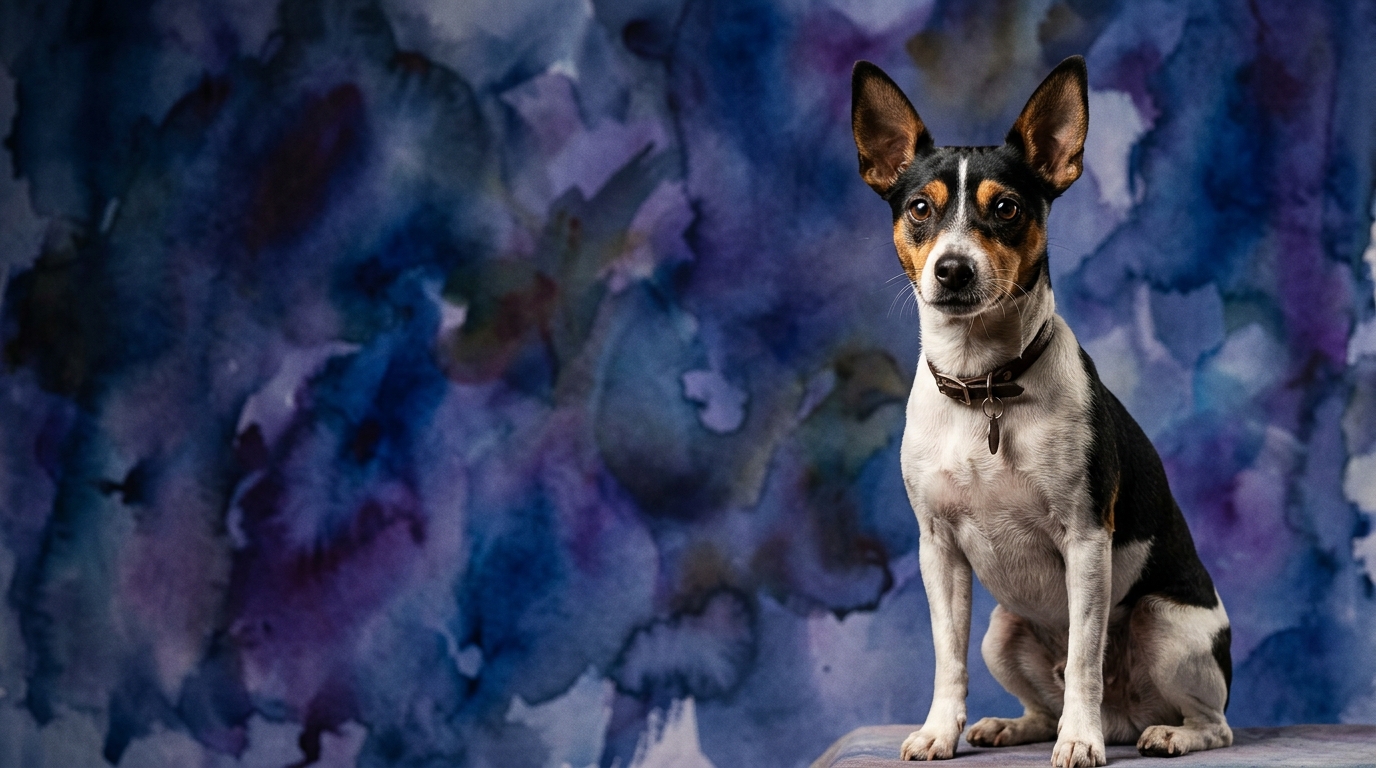
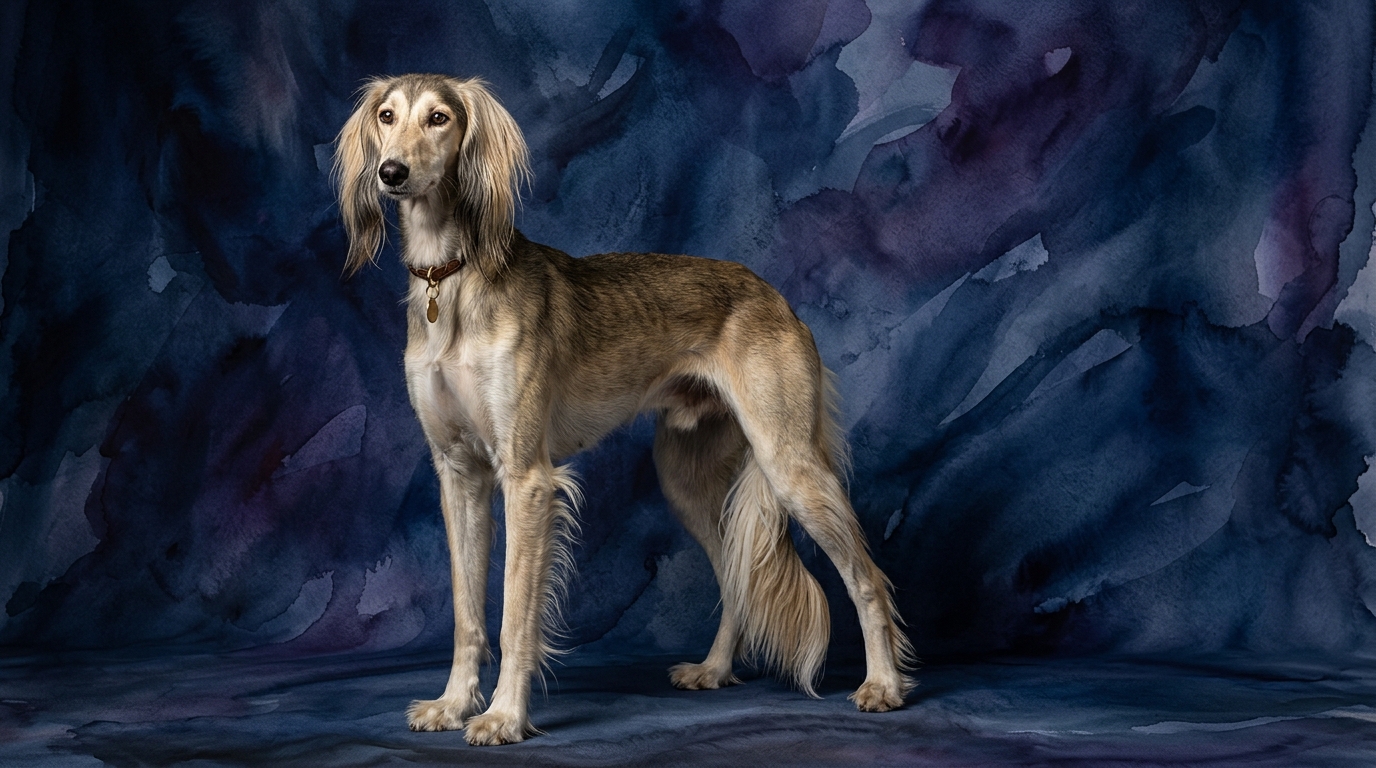
Side-by-Side IQ Profile: Rat Terrier vs. Saluki
The Cosmic Pet Pet IQ Lab assesses canine intelligence across five key dimensions, each rated on a scale of 1 to 5. While both the Rat Terrier and Saluki register a consistent 3/5 across the board, understanding these scores requires looking beyond the numbers to how these traits are expressed within their unique breed contexts.
**Problem Solving (3/5):** A rating of 3/5 indicates both breeds possess a moderate ability to navigate novel challenges and figure out solutions. For the Rat Terrier, this often translates to their historical role of outsmarting vermin, demonstrating cleverness in confined spaces, or figuring out how to access hidden objects within their immediate environment. The Saluki, conversely, applies this capacity to tasks requiring spatial reasoning and strategic decision-making over vast distances, such as navigating complex terrain efficiently during a pursuit or identifying optimal routes during a chase.
**Training Speed (3/5):** A 3/5 in training speed suggests both breeds learn new commands and routines at an average pace. Rat Terriers can be quick to pick up new tricks and obedience cues, though their independent nature might mean they require consistent engagement and variety to maintain focus. Salukis, while capable of learning, often approach training with a more discerning, independent attitude, meaning their learning speed might appear slower if the motivation isn't inherently compelling or aligned with their sighthound instincts.
**Social Intelligence (3/5):** With a 3/5, both breeds demonstrate a moderate capacity to interpret social cues and understand their environment. Rat Terriers are often attuned to their human family's moods and intentions, capable of adapting their behavior based on these observations and seeking interaction. Salukis, while sometimes perceived as aloof, form deep, discerning bonds with their chosen family and possess a subtle understanding of social dynamics, often observing rather than overtly participating in every interaction, yet keenly aware of their human companions.
**Instinctive Drive (3/5):** A moderate instinctive drive of 3/5 means both breeds possess inherent behavioral patterns tied to their ancestry. For the Rat Terrier, this manifests as a pronounced prey drive towards small, scurrying animals, often accompanied by a strong urge to dig and investigate. The Saluki's drive is primarily a powerful sight-predation instinct, compelling them to pursue anything that moves quickly and at a distance, a legacy of their ancient role as desert hunters.
**Memory (3/5):** A 3/5 in memory indicates both breeds retain information moderately well. Rat Terriers are adept at remembering routines, past training, and the locations of favored toys or treats within their territory. Salukis demonstrate impressive recall for specific paths, hunting grounds, and the nuances of their human companions' habits, often recalling events or people encountered long ago, particularly those related to their prey drive or comfortable resting spots.
Where the Rat Terrier Wins Cognitively
Despite identical numerical scores, the Rat Terrier's cognitive strengths shine particularly bright in specific contexts, largely owing to their terrier heritage. Their problem-solving at 3/5, for instance, is expressed with a tenacious, hands-on approach. A Rat Terrier often excels at tasks requiring intricate manipulation or sustained effort in a confined space – think puzzle toys that demand clever pawing and nudging, or scent work that requires persistent investigation of a small, detailed area. Their instinctive drive, also 3/5, fuels a focused determination that, when channeled, makes them adept at 'figuring things out' through trial and error, particularly when a small, moving target is involved. This translates to a quick, reactive intelligence suited for dynamic, close-quarters challenges, allowing them to adapt rapidly to changing stimuli within their immediate environment. Their memory, while rated 3/5, is often applied to remembering successful strategies for overcoming specific obstacles or locating hidden items, making them highly effective in repetitive, goal-oriented games.
Where the Saluki Wins Cognitively
The Saluki's cognitive profile, while numerically matching the Rat Terrier, reveals distinct advantages rooted in their sighthound lineage. Their 3/5 problem-solving ability is less about close-quarters manipulation and more about strategic assessment of open spaces and moving targets. A Saluki's cognitive 'win' lies in their unparalleled capacity for independent decision-making during a high-speed chase, where they must constantly calculate trajectories, anticipate prey movements, and navigate complex terrain without direct human guidance. Their instinctive drive (3/5) is a powerful engine for this type of sustained, focused pursuit, allowing them to maintain cognitive engagement over long distances. The Saluki's memory, also 3/5, is particularly impressive for spatial awareness and the recall of efficient routes or the habits of potential prey, demonstrating a different kind of practical intelligence essential for their historical role. Furthermore, their social intelligence, while rated 3/5, often manifests as a discerning observation of their environment and companions, allowing them to make nuanced judgments about who to trust and when to engage, rather than an overt eagerness to please.
Which is Easier to Train and Why
Given both breeds score 3/5 in training speed, neither can be definitively labeled 'easier' in a universal sense; rather, their training requires different approaches. The Rat Terrier's moderate training speed is often coupled with an eager-to-please attitude towards their trusted handler, making them responsive to positive reinforcement and engaging, varied sessions. Their social intelligence helps them grasp human expectations, but their instinctive drive and moderate attention span mean training must be kept fun, short, and stimulating to prevent boredom or distraction. They thrive on activities like agility or barn hunt, which tap into their natural problem-solving and prey drive, making training feel like a game. In contrast, the Saluki's training speed, also 3/5, is heavily influenced by their independent sighthound nature. While they understand commands through their social intelligence, their compliance is often contingent on their own motivation and a perceived lack of more compelling alternatives (like chasing something in the distance). Training a Saluki requires immense patience, consistency, and an understanding that traditional obedience might not be their forte. They often respond best to lure-based training or activities that allow them to utilize their natural running and chasing instincts, such as lure coursing, where their cognitive focus becomes intensely channeled and rewarding.
Which Suits Active Owners vs. Relaxed Owners
The choice between a Rat Terrier and a Saluki significantly depends on an owner's lifestyle and activity level, as their cognitive needs are deeply intertwined with their physical requirements. The Rat Terrier, despite its moderate instinctive drive, is a bundle of energy requiring consistent mental and physical stimulation. They are an excellent fit for active owners who enjoy engaging in dog sports, long hikes, daily interactive play, and providing plenty of puzzle toys to challenge their problem-solving skills. A Rat Terrier thrives on being an active participant in family life and can become restless or destructive without adequate outlets for their cognitive and physical energy. Conversely, the Saluki, with its equally moderate instinctive drive, necessitates a different kind of activity. While they require intense bursts of running in a securely fenced area to satisfy their powerful sight-predation drive, they are often remarkably calm, quiet, and dignified companions indoors. They are suited for owners who can provide these essential outlets for high-speed exercise but appreciate a more reserved, independent presence within the home. They are not ideal for owners seeking a constantly 'on' companion or those who cannot provide secure off-leash running opportunities.
The Verdict
Choose Rat Terrier if you seek an active, engaging companion eager to participate in varied mental and physical challenges, thriving on close interaction and problem-solving games in a compact, adaptable package.
Choose Saluki if you appreciate a dignified, independent companion that requires intense, focused bursts of physical activity to satisfy its unique sighthound instincts, coupled with a calm, observant presence indoors.
🧠 Find Your Pet's IQ Score
Our Pet IQ Lab assessment covers 25+ tests across 5 cognitive dimensions — personalized to your breed.
Take the Full IQ Test →Frequently Asked Questions
Are Rat Terriers good apartment dogs?
Rat Terriers can adapt to apartment living if their significant needs for mental and physical stimulation are consistently met. Their problem-solving skills and moderate instinctive drive require daily engaging activities, walks, and puzzle toys to prevent boredom and destructive behaviors in smaller spaces.
Do Salukis need a lot of exercise?
Salukis require a specific type of exercise: intense, high-speed running in a securely fenced area for at least 30-60 minutes daily to satisfy their powerful sight-predation drive. While calm indoors, this outlet is crucial for their well-being, leveraging their instinctive drive and memory for efficient movement.
How do their independent natures affect training?
Both breeds possess a moderate instinctive drive and independence. Rat Terriers can be independent problem-solvers, requiring engaging, positive reinforcement to maintain focus. Salukis are more discerning; their training requires patience and understanding of their sighthound motivations, often responding best to activities that tap into their natural chase instincts rather than strict obedience.