
Side-by-Side IQ Profiles: Understanding the 3/5 Score
Both the Rat Terrier and the Silky Terrier register a consistent 3 out of 5 across all five core intelligence dimensions within The Cosmic Pet Pet IQ Lab. This consistent score indicates a solid, adaptable cognitive framework rather than a deficit. For the Rat Terrier, a breed historically developed for pest control and farm work, this 3/5 in problem-solving often translates into independent strategy formulation for tasks like locating hidden objects or navigating complex outdoor environments. Their training speed, also 3/5, reflects an ability to grasp commands efficiently, though this might be tempered by their strong environmental focus. Social intelligence at 3/5 means they are capable of understanding human cues and household dynamics, often in a practical, task-oriented manner, while their instinctive drive at 3/5 is prominently expressed through vigilance, chasing, and digging. Memory, at 3/5, ensures they recall routines, learned commands, and locations relevant to their activities.
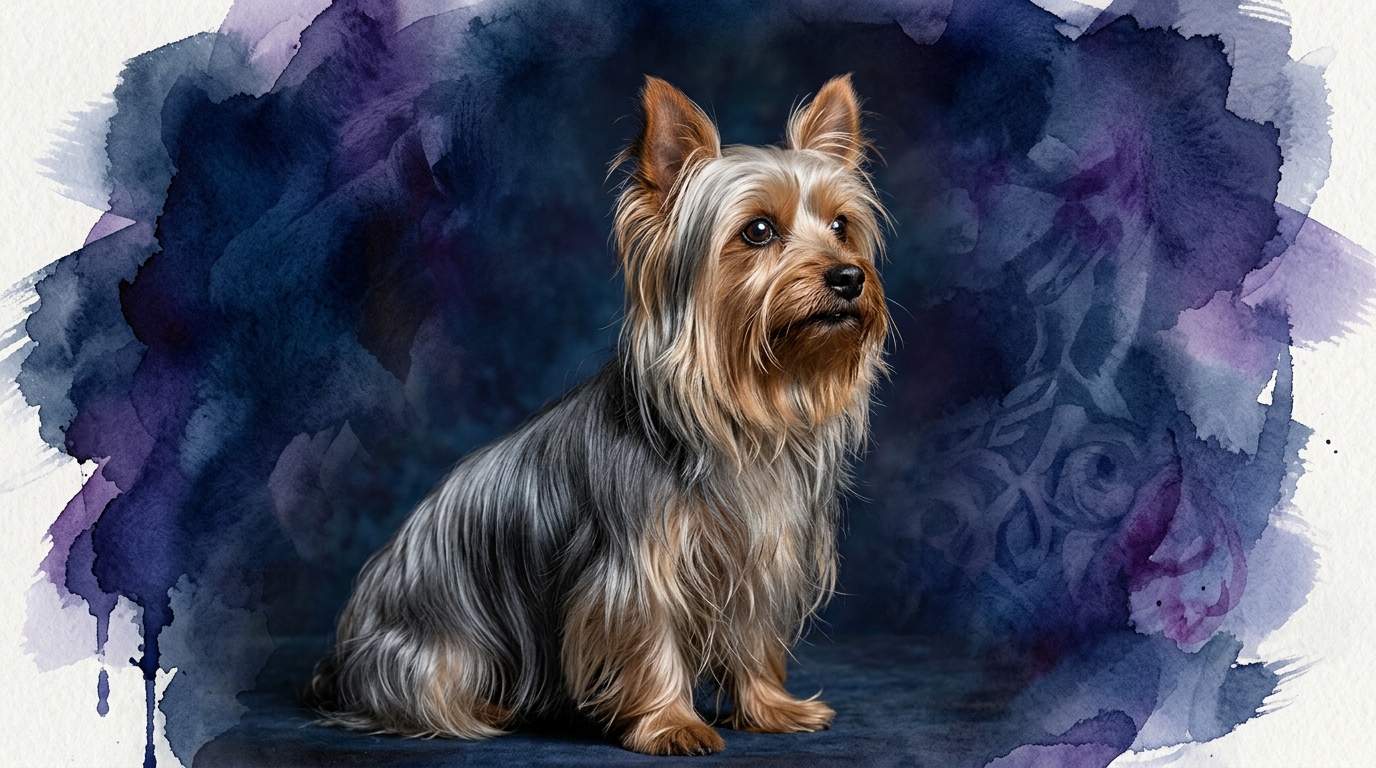
The Silky Terrier, a breed primarily developed for companionship, interprets these same 3/5 scores through a different lens. Their problem-solving capacity (3/5) frequently manifests as cleverness in navigating domestic spaces, figuring out how to gain attention, or manipulating situations to their advantage, such as coaxing extra treats. A 3/5 in training speed for a Silky suggests they learn quickly, but their progress can be influenced by their terrier-typical independence and a desire to engage on their own terms, requiring engaging and positive reinforcement. Their social intelligence (3/5) is particularly adept at reading human emotions and intentions within the family unit, fostering strong bonds. Instinctive drive (3/5) in a Silky often translates to alert barking, a keen sense of observation, and a persistent, sometimes feisty, spirit. Their 3/5 memory ensures they remember household rules, preferred people, and past interactions vividly.
Where the Rat Terrier Excels Cognitively
The Rat Terrier's cognitive strengths distinctly shine in areas demanding independent thought and environmental engagement. Their 3/5 problem-solving, when paired with their instinctive drive, makes them exceptional at tasks requiring self-reliance, such as navigating varied terrains or figuring out how to access a confined space. This isn't just about physical agility; it's about a mental map and strategic approach to overcoming obstacles. For instance, a Rat Terrier might quickly assess the weakest point in a fence or the most efficient path to corner a perceived 'pest.' This practical application of their intelligence makes them highly effective in roles where quick, unprompted decisions are valuable, whether it’s in agility courses or simply exploring a new backyard.
Furthermore, their memory, while rated 3/5, is particularly robust for spatial awareness and task-related sequences. They can recall complex scent trails, remember the precise location of a buried toy from weeks ago, or navigate a familiar park with uncanny accuracy. This spatial memory and environmental awareness are critical components of their working heritage. Their social intelligence, though not as overtly affectionate as some breeds, allows them to form strong, cooperative bonds with handlers during joint activities, understanding subtle cues and working as a team to achieve a goal, rather than just seeking validation.
Where the Silky Terrier Shines Cognitively
The Silky Terrier’s cognitive prowess truly stands out in their nuanced understanding of human social dynamics and their adaptive problem-solving within a domestic setting. Their 3/5 social intelligence is often expressed as a finely tuned ability to read the moods of their family members, discerning who is receptive to play, who needs comfort, or who might be persuaded for an extra treat. This allows them to seamlessly integrate into family life and become expert communicators of their own needs and desires, often through subtle body language or vocalizations. They are adept at charming their way into laps or preferred sleeping spots, demonstrating a sophisticated grasp of cause and effect in human interaction.
Their 3/5 problem-solving, while not focused on hunting, is highly effective in navigating the intricacies of a home. A Silky might quickly learn how to open a cupboard with a loose latch, figure out which family member is most likely to share food, or discover the optimal perch to observe household activities. This practical, human-centric problem-solving, combined with their 3/5 memory, means they quickly learn household routines and remember which actions lead to desired outcomes. Their instinctive drive, while still terrier-like, is often channeled into being a vigilant alarm system for their home, demonstrating an acute awareness of their immediate environment and any perceived changes.
Training: Rat Terrier's Focus vs. Silky Terrier's Finesse
When it comes to training, both breeds, with their 3/5 training speed, are capable learners, but their inherent behavioral differences dictate distinct approaches. The Rat Terrier, rooted in a working background, often thrives on training that feels purposeful and engaging. Their strong instinctive drive means they can be easily distracted by environmental stimuli like smells or movement, requiring a trainer to be consistent and to make lessons more compelling than a squirrel. They respond well to clear, concise commands and positive reinforcement for completing tasks, and their independence means they might try to problem-solve a command in their own way if not guided precisely. Early socialization and consistent boundary setting are crucial to channel their natural curiosity and drive into productive learning.
The Silky Terrier, while equally capable of learning quickly, often brings a more opinionated and companion-oriented personality to the training ring. Their social intelligence means they are highly attuned to their handler's emotions, and they excel with positive reinforcement, especially when it strengthens their bond. However, their terrier tenacity can emerge as stubbornness if they don't see the value in a command or if they perceive an inconsistent approach. Training a Silky often benefits from finesse, patience, and a focus on making learning a fun, rewarding interaction. They might be more inclined to 'test' boundaries than a Rat Terrier, requiring a confident yet gentle hand to ensure consistency and prevent unwanted behaviors from becoming entrenched. Their memory ensures they recall both positive and negative training experiences, making a positive approach paramount.
Lifestyle Match: Active Engagement vs. Domestic Charm
Understanding the cognitive leanings of these breeds is key to matching them with the right owner lifestyle. The Rat Terrier, with its strong instinctive drive and independent problem-solving (both 3/5), is an ideal companion for active owners who enjoy outdoor adventures, participate in dog sports like agility or earthdog trials, or simply appreciate a dog with a 'job' to do. Their need for mental and physical stimulation is significant; an under-stimulated Rat Terrier might invent their own (potentially destructive) problems to solve. They thrive with owners who can provide consistent exercise, engaging training sessions that tap into their natural curiosity, and opportunities to explore and investigate. Their social intelligence allows them to be wonderful companions, but they often prefer interaction that involves shared activity rather than constant cuddling.
The Silky Terrier, while still possessing a terrier's zest, often suits owners who prefer a slightly more relaxed, yet still engaged, domestic lifestyle. Their superior social intelligence (3/5) and human-centric problem-solving make them excellent companions for individuals or families who are home frequently and enjoy a dog that is deeply integrated into daily life. They thrive on attention and interaction, often initiating play or seeking affection. While they enjoy walks and playtime, their exercise needs are generally less intense than a Rat Terrier's, making them suitable for apartment living or homes with smaller yards, provided their minds are kept active with puzzle toys, consistent training, and ample human interaction. They are adaptable but truly flourish when their strong social bonds are nurtured.
The Verdict
Choose a Rat Terrier if you seek an active, independent partner for outdoor adventures and enjoy engaging a dog in purposeful, mentally stimulating tasks.
Opt for a Silky Terrier if you desire a charming, socially adept companion who thrives on close human interaction and brings a spirited, watchful presence to a domestic setting.
🧠 Find Your Pet's IQ Score
Our Pet IQ Lab assessment covers 25+ tests across 5 cognitive dimensions — personalized to your breed.
Take the Full IQ Test →Frequently Asked Questions
Do Rat Terriers and Silky Terriers have the same intelligence?
Based on The Cosmic Pet Pet IQ Lab, both breeds score 3/5 across all five intelligence dimensions. While their raw scores are identical, how this intelligence manifests differs significantly due to their distinct breed purposes and temperaments.
Which breed is better for first-time dog owners?
Neither breed is inherently 'easier' for first-time owners, as both require consistent training and socialization. A Rat Terrier might suit an active first-timer ready for an independent spirit, while a Silky Terrier might be better for someone seeking a charming companion willing to invest in bond-based training.
Are Rat Terriers or Silky Terriers more prone to digging?
Rat Terriers, with their strong instinctive drive rooted in pest control, are generally more prone to digging than Silky Terriers. While Silkys may occasionally dig, it's typically not to the same persistent extent or with the same intensity as a Rat Terrier.