
Side-by-Side Cognitive Profiles
The Cosmic Pet Pet IQ Lab employs five key dimensions to evaluate canine cognition: Problem Solving, Training Speed, Social Intelligence, Instinctive Drive, and Memory. For the Redbone Coonhound, a breed known for its tenacious tracking abilities, we observe a balanced profile with consistent scores across the board. They register 3/5 for Problem Solving, indicating an aptitude for navigating challenges related to their hunting heritage, but perhaps less for abstract puzzles. Their Training Speed is also 3/5, suggesting they learn with consistent effort, though not always with immediate grasp. Social Intelligence stands at 3/5, reflecting a capacity for connection while maintaining a degree of independence. Instinctive Drive, crucial for a hound, is 3/5, fueling their pursuit of scents. Finally, their Memory is 3/5, allowing them to recall learned patterns and experiences reliably.
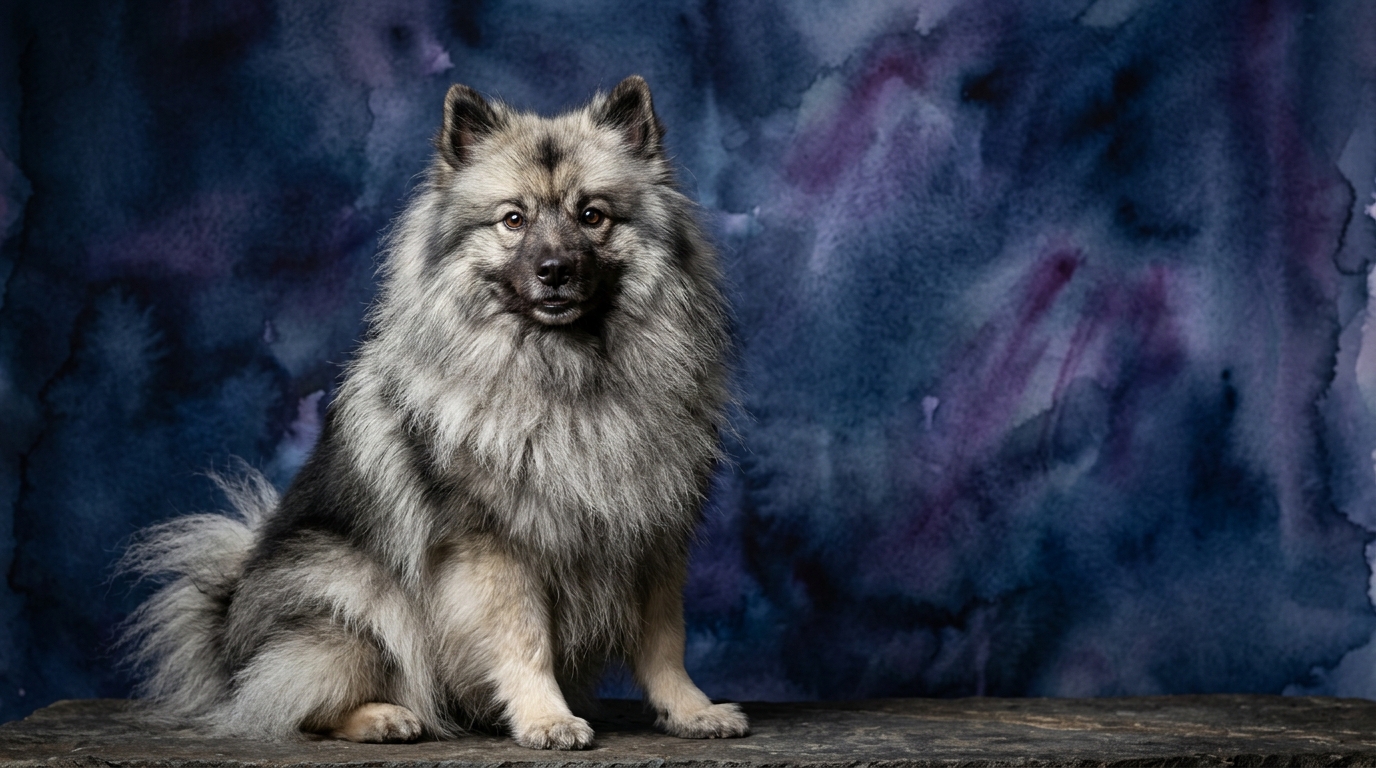
In contrast, the Keeshond, a captivating Non-Sporting breed, presents a different cognitive landscape with several standout scores. They achieve a robust 4/5 in Problem Solving, pointing to a breed that can adapt quickly to novel situations and devise creative solutions. Their Training Speed also scores 4/5, indicating a quicker understanding and retention of new commands. Social Intelligence matches the Redbone Coonhound at 3/5, highlighting a solid ability to interact and bond within a family unit. Instinctive Drive is likewise 3/5, often manifesting as attentiveness and a desire to be involved in household activities. The Keeshond’s most striking cognitive strength is Memory, scoring an impressive 5/5, suggesting exceptional retention of learned information and routines. Furthermore, the Keeshond holds a notable #16 ranking in Coren's intelligence scale, a metric that often emphasizes rapid command acquisition and obedience.
Where the Redbone Coonhound Excels Cognitively
While the Redbone Coonhound doesn't boast numerically higher scores in any single cognitive dimension compared to the Keeshond, their balanced profile of 3/5 across problem-solving, training speed, social intelligence, instinctive drive, and memory forms a cohesive cognitive strength tailored to their specific heritage. Their problem-solving, though rated 3/5, is acutely tuned for complex scent-tracking tasks. This isn't about solving abstract puzzles; it's about discerning intricate olfactory information, navigating varied terrain, and persisting until a trail is followed to its conclusion. This specialized application of cognitive resources makes them exceptionally adept at their traditional work. Their instinctive drive, also at 3/5, fuels this persistence, enabling them to maintain focus on a scent for extended periods, a cognitive feat requiring sustained attention and an unwavering goal orientation that many other breeds might lack.
Furthermore, their moderate social intelligence (3/5) allows them to work collaboratively with a handler, accepting guidance while retaining the independence crucial for a hound ranging afield. This balance ensures they are receptive to human direction without losing their self-reliance. Their memory (3/5) is sufficient for recalling complex scent patterns and learned routes, contributing to their effectiveness in their working role. For owners seeking a partner for scent work, tracking, or simply appreciating a dog whose cognitive architecture is optimized for a specific, demanding task, the Redbone Coonhound’s particular blend of abilities represents a distinct advantage.
Where the Keeshond Excels Cognitively
The Keeshond undeniably shines in several cognitive areas, showcasing a profile that highlights adaptability and a strong capacity for learning and retention. Their problem-solving ability, rated at 4/5, indicates a breed that can quickly assess new situations and devise effective strategies, whether it’s figuring out how to open a cabinet or mastering a complex agility course. This cognitive flexibility means they are less likely to get stuck on a single approach and can adjust their behavior based on outcomes, making them engaging companions for interactive games and mental challenges. Complementing this is their training speed, also at 4/5. This suggests Keeshonds typically grasp new commands and routines with greater ease and fewer repetitions than average. They often enjoy the process of learning and respond well to positive reinforcement, making them a rewarding partner for obedience, tricks, or even more advanced dog sports.
However, the Keeshond’s most striking cognitive advantage lies in their exceptional memory, achieving a perfect 5/5. This superior recall means they retain learned information, commands, and experiences for extended periods, contributing to their consistent behavior and reliability. Once a Keeshond learns something, it tends to stick. This robust memory, combined with their strong problem-solving and training speed, positions them as highly capable students in various disciplines. Their placement as #16 in Coren’s ranking further underscores their aptitude for working and obedience tasks, reflecting a breed that readily understands and executes commands, making them a consistently responsive and attentive companion.
Which is Easier to Train and Why
Evaluating trainability through the lens of cognitive scores, the Keeshond generally presents as the easier breed to train. Their 4/5 rating in Training Speed directly translates to a quicker acquisition of new commands and behaviors. This means Keeshonds are often more responsive to initial instruction, require fewer repetitions to solidify a command, and tend to pick up on new routines with enthusiasm. Their problem-solving score of 4/5 further aids trainability, allowing them to understand the *why* behind a task, not just the *how*, and to generalize learned behaviors to new contexts more readily. They frequently enjoy the mental engagement that training provides, seeing it as an interactive activity with their human.
In contrast, the Redbone Coonhound, with a Training Speed of 3/5, will typically require more patience and consistency during training sessions. While perfectly capable of learning, they may take longer to master commands, especially if the task doesn't immediately align with their inherent scent-driven instincts. Their problem-solving at 3/5, while effective for their specific work, might mean they are less inclined to generalize solutions to abstract obedience tasks. Training a Redbone often benefits from leveraging their instinctive drive, such as incorporating scent work into their routine, to keep them engaged and motivated. Therefore, while both breeds are trainable, the Keeshond's cognitive profile makes for a smoother and often faster training journey.
Active Owners vs. Relaxed Owners: A Cognitive Match
When considering lifestyle, the Redbone Coonhound’s cognitive profile, particularly their 3/5 instinctive drive and problem-solving geared towards tracking, points towards suitability for more active owners. Their heritage as a working hound means they thrive on activities that engage their powerful sense of smell and desire to explore. Owners who enjoy long hikes, scent work, or even just extended adventures in varied environments will find a Redbone to be an eager and capable companion. Their moderate social intelligence (3/5) allows them to bond closely, but their drive often means they need an outlet for their energy and mental stimulation that goes beyond casual strolls. They are not typically content with a purely sedentary existence, requiring consistent engagement to prevent boredom.
The Keeshond, while certainly enjoying activity, offers a cognitive blend that can adapt to both active and more relaxed ownership, though they are not couch potatoes. Their strong memory (5/5) and problem-solving (4/5) mean they benefit immensely from mental stimulation like puzzle toys, trick training, and interactive games, which can be enjoyed indoors or out. Their social intelligence (3/5) ensures they are deeply connected to their family, often preferring to be involved in whatever their humans are doing. While they appreciate walks and playtime, their adaptability means they can also be content with a more relaxed home life, provided their mental needs are met. Owners seeking a responsive companion who enjoys both active outings and quiet companionship will find the Keeshond a versatile match, thriving on consistent interaction and mental engagement rather than solely intense physical exertion.
The Verdict
Choose the Redbone Coonhound if you are an active owner passionate about scent work, tracking, or spending significant time outdoors, appreciating a dog whose cognitive strengths are dedicated to specialized tasks and persistent pursuit.
Opt for the Keeshond if you seek a highly trainable, mentally agile companion with exceptional memory, suitable for diverse activities from obedience to companionship, and capable of thriving in both active and more relaxed home environments.
🧠 Find Your Pet's IQ Score
Our Pet IQ Lab assessment covers 25+ tests across 5 cognitive dimensions — personalized to your breed.
Take the Full IQ Test →Frequently Asked Questions
Do Redbone Coonhounds and Keeshonds get along well with children?
Both breeds possess a social intelligence rating of 3/5, indicating they can form good family bonds. Redbones are generally good with respectful children, especially if raised with them, though their energy can be robust. Keeshonds are typically affectionate and tolerant, often enjoying being part of family activities, making them suitable companions for children.
What kind of mental stimulation do these breeds need?
The Redbone Coonhound thrives on activities that engage their strong instinctive drive, such as scent work, tracking games, and exploring new environments that challenge their problem-solving related to navigation and scent. The Keeshond, with higher problem-solving and memory, benefits greatly from puzzle toys, learning new tricks, obedience training, and interactive games that challenge their quick wit and retention.
Are Redbone Coonhounds or Keeshonds prone to separation anxiety?
While both breeds have a social intelligence of 3/5, their expression of this can differ. Redbone Coonhounds, due to their independent hunting nature, might tolerate solitude better than some breeds, but still require companionship. Keeshonds are very people-oriented and can be prone to separation anxiety if left alone for extended periods without adequate mental or physical outlets, given their strong desire for family involvement.