Side-by-Side IQ Profile: Rhodesian Ridgeback vs. Affenpinscher
At The Cosmic Pet Pet IQ Lab, we evaluate canine intelligence across five key dimensions. Interestingly, both the Rhodesian Ridgeback and the Affenpinscher score a consistent 3/5 across the board. However, understanding what a '3/5' means for each breed, given their distinct histories and breed groups, provides a much richer cognitive picture.
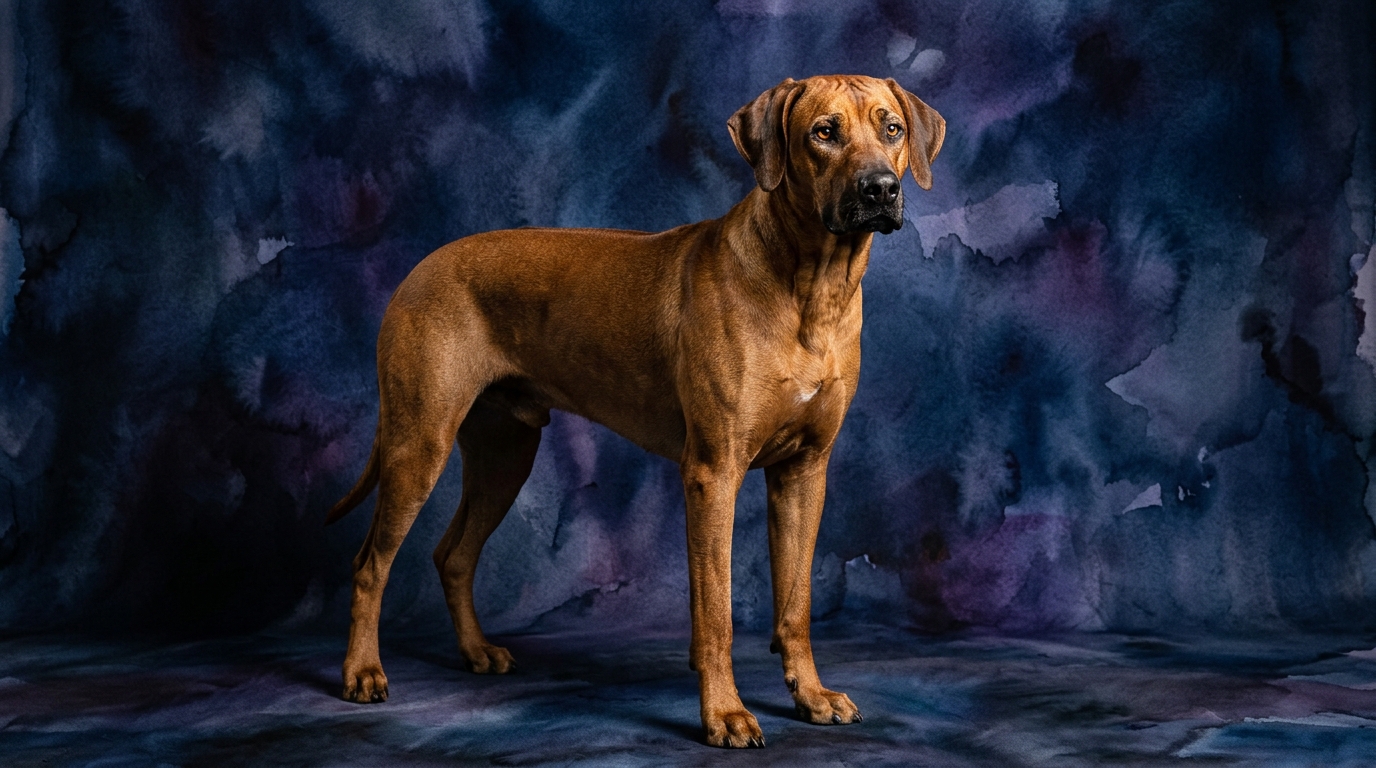
The Rhodesian Ridgeback, a dignified Hound (Coren rank #52), exhibits a Problem Solving score of 3/5 that reflects a capacity for independent thought, particularly in scenarios requiring strategic pursuit or containment. A Ridgeback might excel at figuring out how to bypass an obstacle to reach a perceived 'prey' or resource, relying on their own judgment rather than constant human direction. Their solutions are often practical and goal-oriented, rooted in their original function as lion hunters. Their Training Speed of 3/5 indicates they possess the ability to learn commands and routines, but their strong will and independent nature mean learning isn't always immediate or without negotiation. They process information efficiently, but their motivation often needs to align with their inherent drives, such as scent work or guarding, making training a partnership built on mutual respect and clear communication. Social Intelligence, also 3/5, points to a nuanced understanding of social cues, both canine and human. Ridgebacks are observant, often assessing new individuals or situations before engaging. They form deep bonds with their family, displaying loyalty and protective instincts, but might be reserved with strangers, reading social dynamics carefully before extending trust. Their social responses are deliberate rather than overtly effusive. Their Instinctive Drive, a prominent 3/5, manifests as a powerful inclination towards tracking, chasing, and guarding. While it can be channeled into constructive activities like lure coursing or protection work, it requires consistent management. This intrinsic motivation fuels their endurance and focus when pursuing a task they deem important. Finally, their Memory of 3/5 means Ridgebacks have a solid memory for routines, commands, and especially for significant events or individuals. They remember past training sessions, effective strategies for achieving goals, and the layout of their territory, contributing to their reliability in established routines and their ability to recall complex scent trails over time.
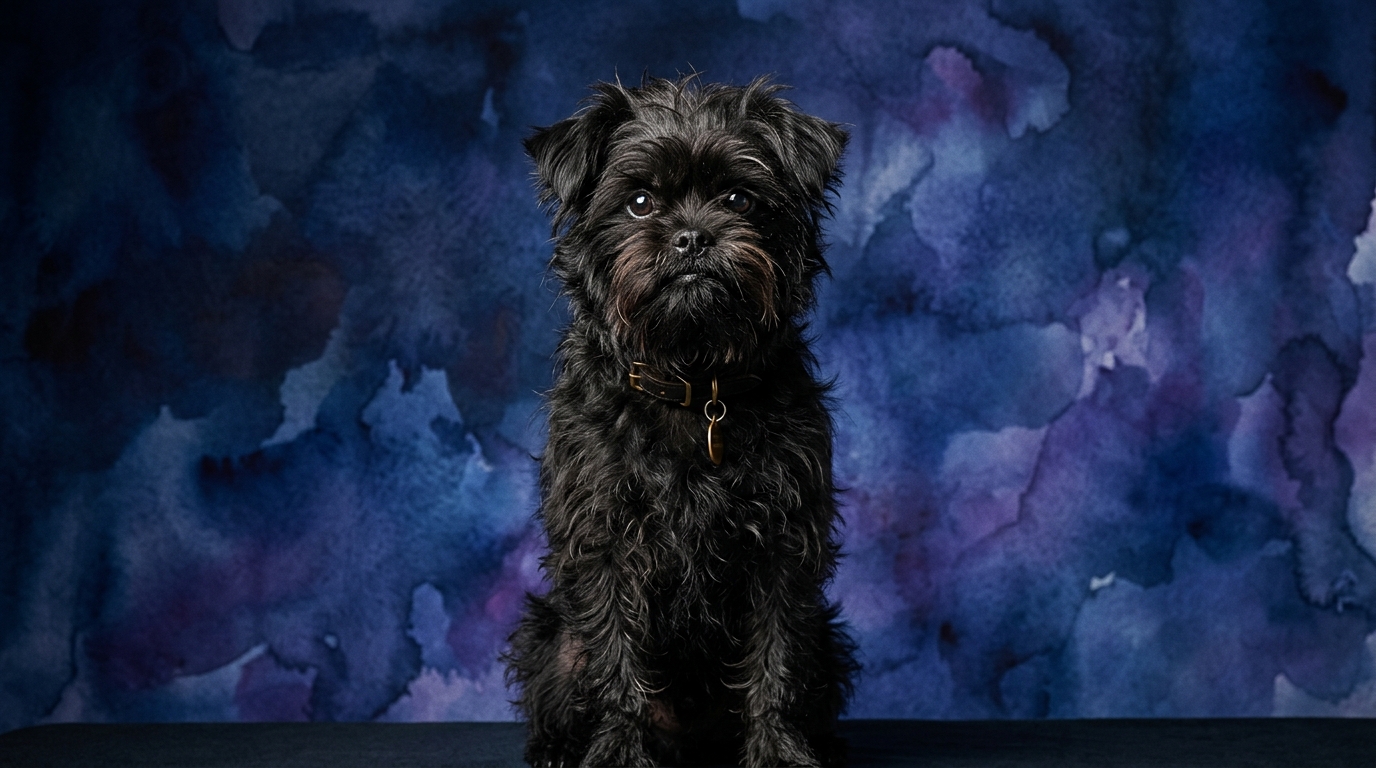
The Affenpinscher, a spirited Toy breed (not Coren-ranked), also scores 3/5 in Problem Solving. For an Affenpinscher, this often involves navigating their environment with ingenuity, whether it's finding a dropped treat under furniture or manipulating toys to extract hidden rewards. Their solutions are often quick and agile, reflecting their history as fearless ratters. They might use their small size to their advantage, figuring out how to squeeze into tight spaces or climb onto surfaces to reach desired objects. Their Training Speed of 3/5 demonstrates a good capacity for learning new tricks and commands, often picking up on cues with relative ease when properly motivated. Their eagerness to engage and their playful nature can make training sessions enjoyable. However, their independent 'big dog in a small body' attitude means they can also be stubborn, requiring patient and consistent positive reinforcement to maintain focus. Their Social Intelligence of 3/5 means Affenpinschers are acutely attuned to their human companions' moods and intentions, often acting as sensitive barometers of household emotional states. They thrive on interaction and can be quite adept at soliciting attention or comfort. While affectionate with their chosen family, they can be discerning with strangers, using their social awareness to determine who is trustworthy. Their Instinctive Drive, also 3/5 despite their small stature, retains a robust prey drive, evident in their keen interest in chasing small scurrying objects or engaging in spirited play with toys. This drive also contributes to their alertness and territorial nature, making them vigilant watchdogs who will readily alert their owners to anything unusual. Lastly, their Memory of 3/5 means Affenpinschers possess a reliable memory for routines, people, and specific locations of interest, like where treats are stored or where their favorite napping spot is. They remember past interactions and learn from experience, allowing them to adapt their behavior based on previous outcomes, which aids in house-training and consistent behavioral expectations.
Where the Rhodesian Ridgeback Wins Cognitively
The Rhodesian Ridgeback's independent problem-solving truly shines in situations requiring self-reliance and strategic thinking over vast areas. When faced with a complex scent trail or an environmental challenge that doesn't have a direct human command, the Ridgeback's cognitive strength lies in their ability to autonomously assess, plan, and execute. Their memory for terrain and past successful strategies, coupled with their sustained instinctive drive, allows them to persevere through difficult tasks that demand physical and mental stamina without constant oversight. This deep-seated self-sufficiency, honed for hunting, gives them an edge in tasks requiring sustained, independent focus and decision-making far from human intervention.
Where the Affenpinscher Wins Cognitively
The Affenpinscher's cognitive strengths truly emerge in their adaptability within a human domestic environment and their quick, agile problem-solving for immediate, smaller-scale challenges. Their social intelligence, while rated the same, manifests as a more immediate and expressive responsiveness to human emotional states, making them particularly adept at companion roles requiring close attunement. They excel at quickly learning novel tricks or navigating intricate indoor spaces, using their memory for object locations and their sharp observational skills to their advantage. Their focused, almost terrier-like tenacity in 'rattling' out solutions to minor puzzles, combined with their training speed for fun, reward-based learning, gives them an advantage in tasks requiring quick wit and engagement within a confined setting.
Which is Easier to Train and Why
Neither breed is inherently 'easy' in the conventional sense, as both possess a 3/5 training speed, but their challenges differ significantly due to their behavioral origins. The Affenpinscher, with their desire for human interaction and a history of being companion ratters, often responds well to positive reinforcement and play-based training, especially for tricks or obedience within a familiar setting. Their smaller size also makes managing any stubborn tendencies less physically demanding. However, their independent spirit can lead to selective listening if they deem a task uninteresting. The Rhodesian Ridgeback, conversely, requires a trainer who understands their strong independent streak and deep-seated hunting drives. While they learn, their training speed of 3/5 means they evaluate commands based on their own perceived value or instinctual alignment. Training a Ridgeback involves channeling their formidable instinctive drive into desired behaviors, often requiring more patience, consistency, and a nuanced understanding of their hound mentality to overcome their inherent self-sufficiency and potential for distraction by scent. Therefore, for a novice owner seeking a more straightforward obedience experience, the Affenpinscher might present fewer behavioral hurdles, provided the owner is prepared for a spirited personality.
Which Suits Active Owners vs. Relaxed Owners
The Rhodesian Ridgeback is unequivocally better suited for active owners. Their robust physique and their high instinctive drive demand regular, vigorous exercise and mental stimulation that taps into their hound heritage, such as running, hiking, or scent work. A relaxed owner would struggle to meet the Ridgeback's innate need for physical and mental engagement, potentially leading to boredom and destructive behaviors. The Affenpinscher, while energetic and playful, can adapt more readily to a moderately active household. They enjoy walks and play sessions but don't require the same intensity or duration of exercise as a Ridgeback. Their smaller size also makes indoor play a more viable option for burning off energy. Therefore, a relaxed owner who enjoys shorter, consistent play and walks, but also values quiet companionship, would find the Affenpinscher a better fit.
The Verdict
Choose the Rhodesian Ridgeback if you are an experienced, active owner seeking an independent, loyal companion for outdoor adventures and structured training that respects their hound instincts.
Choose the Affenpinscher if you desire a spirited, amusing, and adaptable companion for a moderately active household, appreciating their quick wit and affectionate, albeit sometimes stubborn, personality.
🧠 Find Your Pet's IQ Score
Our Pet IQ Lab assessment covers 25+ tests across 5 cognitive dimensions — personalized to your breed.
Take the Full IQ Test →Frequently Asked Questions
Do identical IQ scores mean these breeds are equally 'smart'?
Not precisely. Identical numerical scores like 3/5 indicate a similar level of cognitive ability across the measured dimensions, but the application and manifestation of those abilities differ significantly based on breed purpose and temperament. For example, problem-solving for a Ridgeback might involve independent tracking, while for an Affenpinscher, it could be clever manipulation of objects indoors.
How does a '3/5' in training speed translate differently for each breed?
A 3/5 training speed means both breeds can learn, but their motivations and training approaches vary. The Ridgeback learns effectively but often requires strong, consistent leadership and tasks that align with their independent hound drives. The Affenpinscher also learns well, especially with positive reinforcement, but their 'big dog' personality in a small body can lead to occasional stubbornness, requiring engaging and patient methods.
Which breed is more adaptable to different living situations based on their intelligence?
The Affenpinscher, despite their spirited nature, generally exhibits greater adaptability to various living situations, including apartments, due to their smaller size and more companion-oriented social intelligence. The Rhodesian Ridgeback, with its strong instinctive drives and need for extensive physical and mental exercise, thrives best in environments that offer ample space and opportunities for outdoor activities.