
Side-by-Side Cognitive Profiles: Decoding the 3/5 Score
At first glance, both the Rhodesian Ridgeback and the English Foxhound present with identical scores across the five dimensions of cognitive function: Problem Solving (3/5), Training Speed (3/5), Social Intelligence (3/5), Instinctive Drive (3/5), and Memory (3/5). However, these scores represent a functional baseline, and their expression varies significantly due to each breed's unique history and purpose. A 3/5 score indicates a solid, functional capacity, not an absence of cognitive skill, but rather a moderate level that is often situationally specific or requires particular motivation to fully manifest.
For the Rhodesian Ridgeback, a breed developed in Southern Africa to track and hold large game, its Problem Solving at 3/5 often manifests as independent resourcefulness. This means they are adept at navigating complex environments or figuring out how to achieve a desired outcome on their own, whether it’s finding a way around an obstacle or subtly manipulating a situation to their advantage. Their Training Speed at 3/5 reflects a capacity to learn commands and routines efficiently, but often with a strong independent streak; they grasp concepts well but might choose to comply based on perceived benefit or the trainer's consistency rather than an inherent eagerness to please. Social Intelligence at 3/5 means they are deeply attuned to their immediate family unit, often forming strong bonds and understanding subtle human cues within their established pack, though they tend to be reserved or even aloof with strangers. Their Instinctive Drive at 3/5 is pronounced in their prey drive and protective instincts, stemming from their hunting heritage. Finally, Memory at 3/5 indicates a good recall for routines, learned commands, and both positive and negative experiences, contributing to their discerning nature.
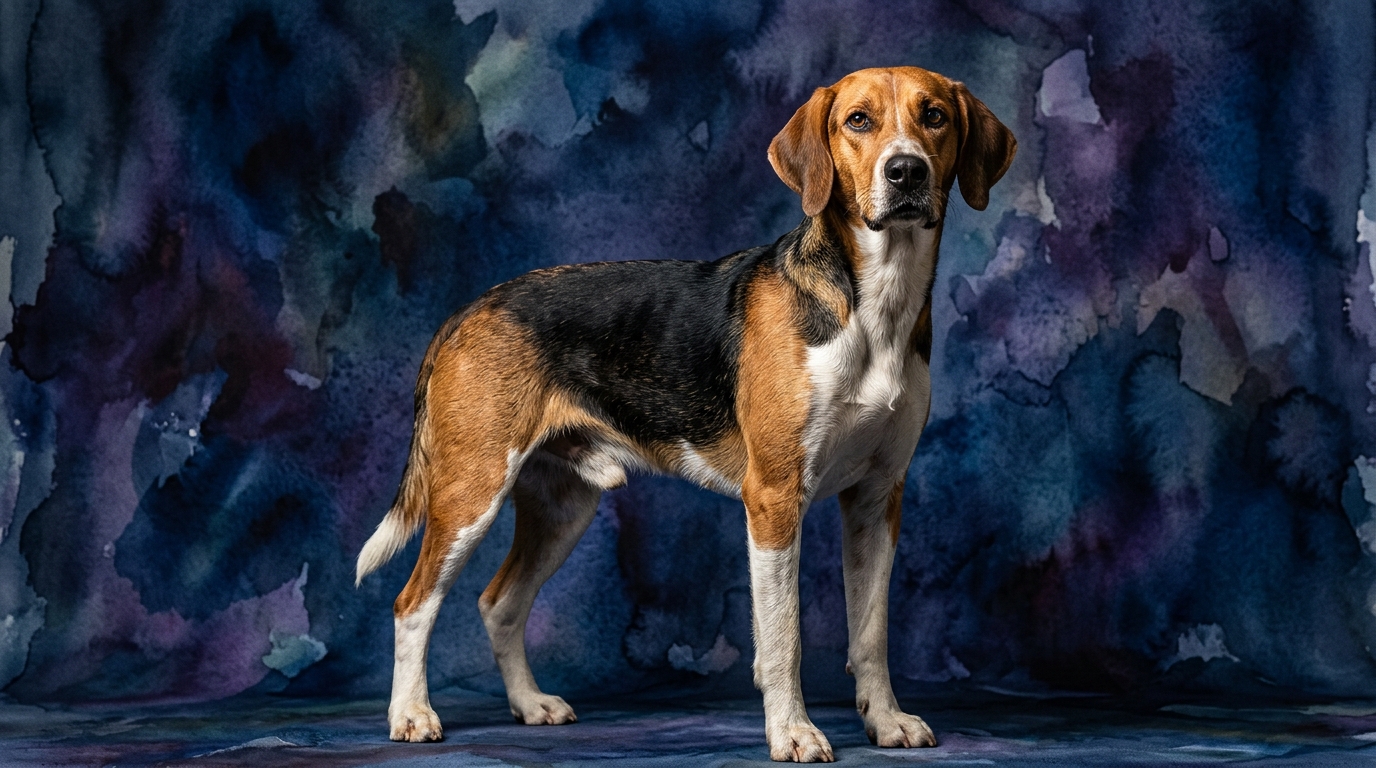
The English Foxhound, conversely, was meticulously bred for pack hunting, primarily fox hunting, across the British countryside. Its Problem Solving at 3/5 is predominantly expressed through its extraordinary scenting abilities and endurance. They excel at deciphering complex scent trails and navigating varied terrain over long distances, a sophisticated form of environmental problem-solving. Their Training Speed at 3/5 is evident in their ability to learn signals and cues essential for coordinated pack work, such as responding to a huntsman's horn. However, individual obedience training can be more challenging, not due to a lack of learning capacity, but because their powerful scent drive frequently overrides other stimuli. Social Intelligence at 3/5 for a Foxhound is almost exclusively pack-oriented; they thrive in the company of other dogs, understanding canine social hierarchies and communication nuances instinctively. While friendly with people, their primary social focus is often their canine companions. Their Instinctive Drive at 3/5 is overwhelmingly dominated by their scent and chase drive, a relentless focus on tracking that defines much of their mental landscape. Memory at 3/5 allows them to remember complex hunting routes, scent patterns, and the roles of pack members, vital for their historical purpose.
Where the Rhodesian Ridgeback Excels Cognitively
The Rhodesian Ridgeback shines in cognitive areas requiring independent thought and selective engagement. Their 3/5 Problem Solving manifests as a discerning ability to assess situations and act autonomously, often demonstrating foresight in their actions, particularly concerning their territory or family. This independence, while sometimes perceived as stubbornness in training, is a cognitive strength in scenarios demanding self-reliance. For instance, a Ridgeback might meticulously plan an escape from a secured yard by observing patterns in human behavior, rather than simply trying to brute-force a barrier. They also exhibit a nuanced 3/5 Social Intelligence within their family, understanding emotional states and responding with appropriate comfort or protection, which is a more personal, one-on-one cognitive skill compared to the Foxhound’s broader pack-centric social understanding. Their memory contributes to this, allowing them to recall specific interactions and preferences of their human companions, leading to a more tailored and responsive bond.
Where the English Foxhound Excels Cognitively
The English Foxhound's cognitive strengths are deeply rooted in its specialized hunting heritage. Its 3/5 Problem Solving is unparalleled in the realm of scent detection and tracking. A Foxhound's ability to interpret a complex tapestry of odors, follow a faint trail for miles, and differentiate between aged and fresh scents is a sophisticated form of cognitive processing that few breeds can match. This isn't just instinct; it involves complex sensory processing and decision-making about which path to follow. Their 3/5 Social Intelligence within a canine pack is also a distinct advantage. They seamlessly integrate into a group, understanding the intricate dynamics of cooperation, communication, and hierarchy required for coordinated hunting. This pack-focused cognition means they are experts at reading canine body language and responding appropriately in group settings, a skill less emphasized in the more independent Ridgeback. Their memory for routes and scent patterns is critical to this, allowing them to effectively navigate and operate within their specialized environment.
Training Aptitude: Independence vs. Instinct
When it comes to ease of training, the Rhodesian Ridgeback and English Foxhound present different challenges, both rooted in their 3/5 Training Speed score, but manifesting distinctly. The Rhodesian Ridgeback can be easier to train for general household obedience and companion tasks, provided the trainer understands their independent nature. They learn quickly when motivated by positive reinforcement and consistent methods, but will often question commands or resist if they perceive them as pointless or if the trainer is inconsistent. Their problem-solving capacity means they will quickly learn how to circumvent rules if given an opportunity, requiring a firm yet fair approach. They respond well to a strong, respected leader who can engage their intellect.
The English Foxhound, while capable of learning, is generally more challenging for typical companion dog training due to its overwhelming instinctive drive (3/5). Their nose is their world, and once a scent is engaged, their training speed for general obedience can appear to plummet. Recalling a Foxhound off a compelling scent trail requires immense dedication and early, consistent training, often with a very high-value reward that can compete with the thrill of the chase. Their pack orientation also means they may not prioritize individual human commands over the perceived "call of the wild" or the presence of other dogs. They learn best when tasks align with their natural drives or when trained within a highly structured, repetitive environment that mimics their historical working conditions.
Owners: Active Companions vs. Dedicated Handlers
The cognitive makeup and energy levels of these breeds dictate very different ideal living situations. The Rhodesian Ridgeback, with its independent problem-solving and deep family bonds, thrives with active owners who can provide consistent training, mental stimulation, and a clear leadership role. They require significant daily exercise, but also appreciate downtime with their family. Their cognitive need is for purpose and engagement, not just physical exertion. They are well-suited to owners who enjoy activities like hiking, jogging, or dog sports that engage both body and mind. A relaxed owner who cannot meet their needs for engagement and structure may find a Ridgeback's independence challenging, potentially leading to destructive behaviors fueled by their problem-solving skills being applied inappropriately.
The English Foxhound, with its intense instinctive drive and pack-oriented social intelligence, is best suited for owners who are deeply committed to managing and channeling their powerful natural instincts. This typically means active, experienced handlers, often those involved in hunting, scent work, or extensive outdoor activities. Their need for sustained, vigorous exercise is paramount; a simple walk around the block is insufficient. They are not content to be relaxed house pets without a significant outlet for their scent drive. Owners must be prepared for a dog that will follow its nose above all else and may require a secure, fenced yard and a robust off-leash recall program. A relaxed owner would likely find themselves overwhelmed by the Foxhound's boundless energy and singular focus on scent.
The Verdict
Choose the Rhodesian Ridgeback if you seek an independent, discerning companion who will form a deep bond with your family and thrive with consistent, engaging training and an active lifestyle that provides mental challenges beyond simple physical exertion.
Opt for the English Foxhound if you are an experienced, highly active individual or family deeply invested in scent work, hunting, or providing an extensive outlet for a dog with an unwavering drive and a strong pack mentality.
🧠 Find Your Pet's IQ Score
Our Pet IQ Lab assessment covers 25+ tests across 5 cognitive dimensions — personalized to your breed.
Take the Full IQ Test →Frequently Asked Questions
Are Rhodesian Ridgebacks stubborn?
Rhodesian Ridgebacks can exhibit a strong will and independence, which some owners interpret as stubbornness. This trait stems from their historical role requiring autonomous decision-making in hunting, meaning they often assess commands before complying if they don't see the immediate benefit or if the training is inconsistent.
Can an English Foxhound be a family pet?
While English Foxhounds can be friendly, their intense exercise requirements and overwhelming scent drive make them challenging as typical family pets. They thrive best in environments where their working instincts are fully engaged, often alongside other dogs, and require significant dedication from their owners to manage their needs.
Which breed is better for first-time dog owners?
Neither breed is typically recommended for first-time dog owners due to their specific needs and strong drives. Both require experienced handlers who understand their unique cognitive profiles, training challenges, and substantial exercise requirements. The Ridgeback's independence and the Foxhound's instinctual focus demand knowledgeable guidance.