Side-by-Side Cognitive Profiles
The Cosmic Pet Pet IQ Lab evaluates canine cognition across five distinct dimensions, offering a granular view beyond generic labels. For both the Rhodesian Ridgeback and the Xoloitzcuintli, this assessment yields a uniform score of 3/5 across the board, suggesting a balanced yet specific set of cognitive strengths.
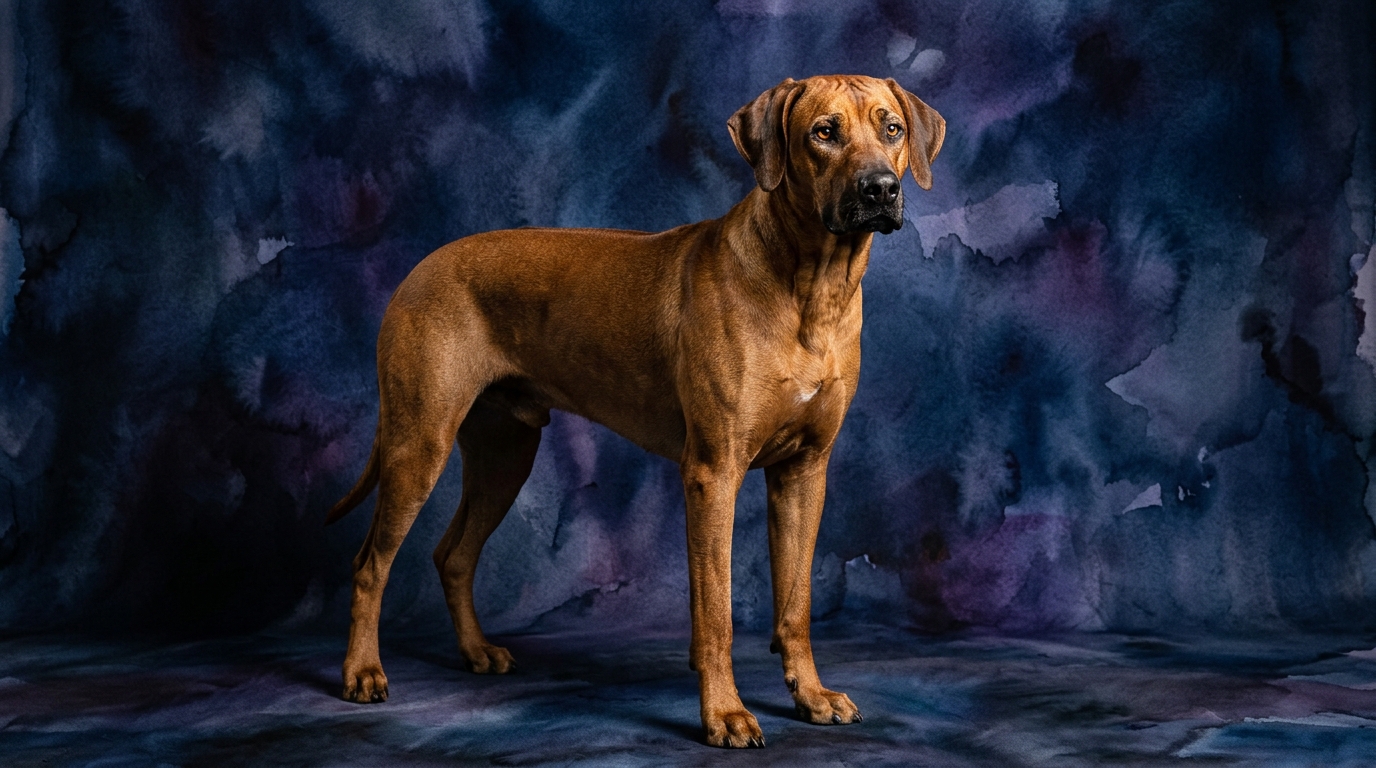
For the Rhodesian Ridgeback, a Hound group member with a Coren ranking of #52, their Problem Solving at 3/5 reflects an ability to independently navigate complex situations, a trait honed by their historical role in tracking large game. Their Training Speed, also 3/5, indicates they can grasp new commands efficiently, though their independent spirit might require consistent, engaging methods. Social Intelligence at 3/5 means they form deep bonds with their family but often maintain a reserved demeanor with strangers, assessing new individuals before fully engaging. An Instinctive Drive of 3/5 highlights their strong prey drive and protective nature, rooted in their guardian heritage. Finally, their Memory at 3/5 suggests they retain learned behaviors and experiences effectively, which can be both an asset in training and a challenge if negative associations are formed.
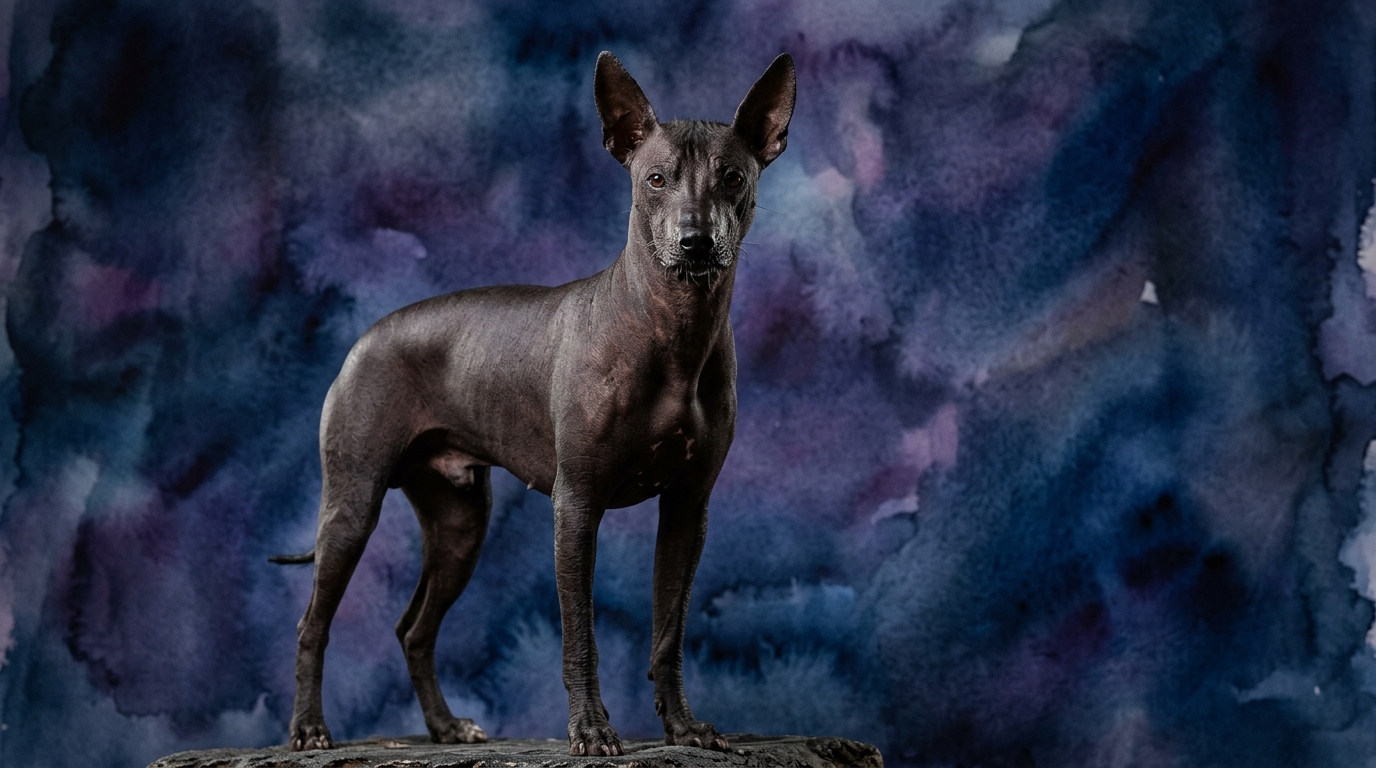
The Xoloitzcuintli, belonging to the Non-Sporting group and currently not Coren-ranked, presents an identical 3/5 score for Problem Solving. This manifests as a resourceful adaptability within their environment, finding clever ways to achieve comfort or explore, rather than necessarily solving human-designed puzzles. Their Training Speed of 3/5 indicates they are receptive to learning, often motivated by a desire to please their primary caregivers, though their sensitivity means harsh methods can be counterproductive. Social Intelligence at 3/5 underscores their profound loyalty to their chosen family, often exhibiting a watchful, almost discerning aloofness towards unfamiliar faces. An Instinctive Drive of 3/5 points to their ancient role as companions and guardians, possessing a strong territorial sense and acute awareness of their surroundings. Their Memory, also 3/5, allows them to recall routines, people, and specific experiences with precision, contributing to their predictable and comforting presence.
Where the Rhodesian Ridgeback Cognitively Excels
The Rhodesian Ridgeback's cognitive strengths are deeply intertwined with their heritage as independent hunters and guardians. Their 3/5 in problem-solving, coupled with a robust instinctive drive, manifests in superior spatial reasoning and environmental awareness, particularly in outdoor settings. They excel at deciphering complex scent trails, demonstrating a focused persistence that few breeds can match. This isn't merely about following a path; it involves making independent decisions about changing wind patterns, terrain, and the age of a scent, all while maintaining a singular objective. Their memory further supports this, allowing them to recall specific landmarks or scent profiles, making them adept at navigating challenging environments.
Furthermore, their social intelligence, while reserved, enables them to quickly assess potential threats or novel situations, making calculated judgments about when to intervene or alert. This isn't a reactive response but a considered evaluation, drawing on their memory of past interactions and their innate protective instincts. In situations requiring sustained mental focus and physical endurance, such as long hikes or tracking exercises, the Ridgeback's cognitive architecture shines, allowing them to maintain concentration over extended periods while processing dynamic environmental information.
Where the Xoloitzcuintli Cognitively Excels
The Xoloitzcuintli's cognitive advantages are rooted in their long history as close human companions and guardians, leading to refined social and environmental sensitivities. Their 3/5 in social intelligence manifests as an exceptional attunement to human emotions and household dynamics. They possess an almost uncanny ability to detect subtle shifts in mood or routine, often responding with comforting presence or watchful vigilance without explicit cues. This perceptive quality makes them adept at integrating seamlessly into family life, often anticipating needs or reacting to unspoken signals.
Their problem-solving, while not necessarily geared towards complex outdoor tasks, excels in optimizing their comfort and security within the home environment. They are resourceful in finding the warmest spots, the most comfortable perches, or the most strategic viewpoints to monitor their territory. This practical intelligence, combined with their sharp memory, means they quickly learn household rules, preferred sleeping spots, and the schedules of their family members. Their instinctive drive, focused on guardianship, translates into an acute awareness of their immediate surroundings, making them excellent, discerning sentinels who understand the difference between a familiar sound and an unusual intrusion.
Training Dynamics: Rhodesian Ridgeback vs. Xoloitzcuintli
Both breeds share a 3/5 rating for training speed, but the underlying behavioral nuances that influence their trainability differ considerably. The Rhodesian Ridgeback, with their independent hound mindset and strong instinctive drive, can learn commands quickly but often requires a trainer who understands their motivations and can offer compelling reasons to comply. They are not inherently eager to please in the same way some other breeds are; instead, they often weigh the benefit of obeying a command against their own desires. Consistency, firm but fair leadership, and positive reinforcement are paramount. A Ridgeback might challenge a command if they perceive it as illogical or unrewarding, demonstrating their problem-solving ability in a way that can be frustrating for novice owners. Early socialization and obedience are crucial to channel their strong will effectively.
The Xoloitzcuintli, while equally capable of learning at a 3/5 speed, approaches training with a different temperament. Their social intelligence and deep bond with family make them generally receptive to training, often motivated by praise and gentle affection. However, their inherent sensitivity means they can be easily overwhelmed or shut down by harsh corrections, loud voices, or inconsistent methods. Building trust and a positive relationship is the foundation of successful Xolo training. They thrive on calm, patient instruction and clear communication. Their reserved nature with strangers can sometimes make training in novel environments or with unfamiliar people more challenging, requiring a gradual and supportive approach to ensure they remain confident and engaged.
Suitability for Active vs. Relaxed Owners
The distinction between these two breeds regarding owner lifestyle preferences lies primarily in their physical and mental stimulation requirements. The Rhodesian Ridgeback is undoubtedly a companion for active owners. Their robust physique and heritage demand significant daily exercise, often including long runs, hikes, or structured activities like lure coursing or tracking. Beyond physical exertion, their problem-solving and instinctive drive require consistent mental engagement through training, puzzle toys, and exploring new environments. An owner who enjoys outdoor adventures, has the time and energy for daily rigorous activity, and can provide consistent mental challenges will find the Ridgeback a fulfilling partner. They thrive on having a 'job' and can become restless or destructive if under-stimulated.
Conversely, while not sedentary, the Xoloitzcuintli is a better fit for owners who appreciate a more relaxed, yet still engaged, lifestyle. They enjoy regular walks, playtime in a secure yard, and opportunities for social interaction with their family. However, their exercise needs are generally less intense than a Ridgeback's, and they are often content to curl up alongside their human companions indoors. Their sensitivity and preference for a predictable routine mean they flourish in calm, stable home environments. Owners who value a deeply loyal, watchful, and affectionate companion, and who are prepared to offer consistent companionship and gentle training, will find the Xoloitzcuintli a perfect match. They are adaptable to apartment living provided their moderate exercise needs are met and they receive ample attention.
The Verdict
Choose the Rhodesian Ridgeback if you are an active, experienced owner seeking a resilient, independent companion for outdoor adventures and structured training challenges.
Opt for the Xoloitzcuintli if you desire a deeply loyal, sensitive, and watchful companion who thrives in a calm home environment with consistent affection and moderate activity.
🧠 Find Your Pet's IQ Score
Our Pet IQ Lab assessment covers 25+ tests across 5 cognitive dimensions — personalized to your breed.
Take the Full IQ Test →Frequently Asked Questions
Are Rhodesian Ridgebacks stubborn during training?
Ridgebacks possess a strong will and independent problem-solving skills, which can sometimes be perceived as stubbornness. They respond best to consistent, positive reinforcement and training methods that make compliance rewarding and engaging for their keen minds.
How do Xoloitzcuintli express their social intelligence?
Xolos demonstrate their social intelligence through profound loyalty to their family, often being highly attuned to their owners' emotions and routines. They tend to be reserved or aloof with strangers, preferring to observe new people from a distance before accepting them into their social circle.
Do both breeds require extensive grooming?
Neither breed requires extensive grooming. Rhodesian Ridgebacks have a short, dense coat that needs minimal brushing, while Xoloitzcuintli, especially the hairless variety, require specific skin care like moisturizing and sun protection, but no traditional coat grooming.