
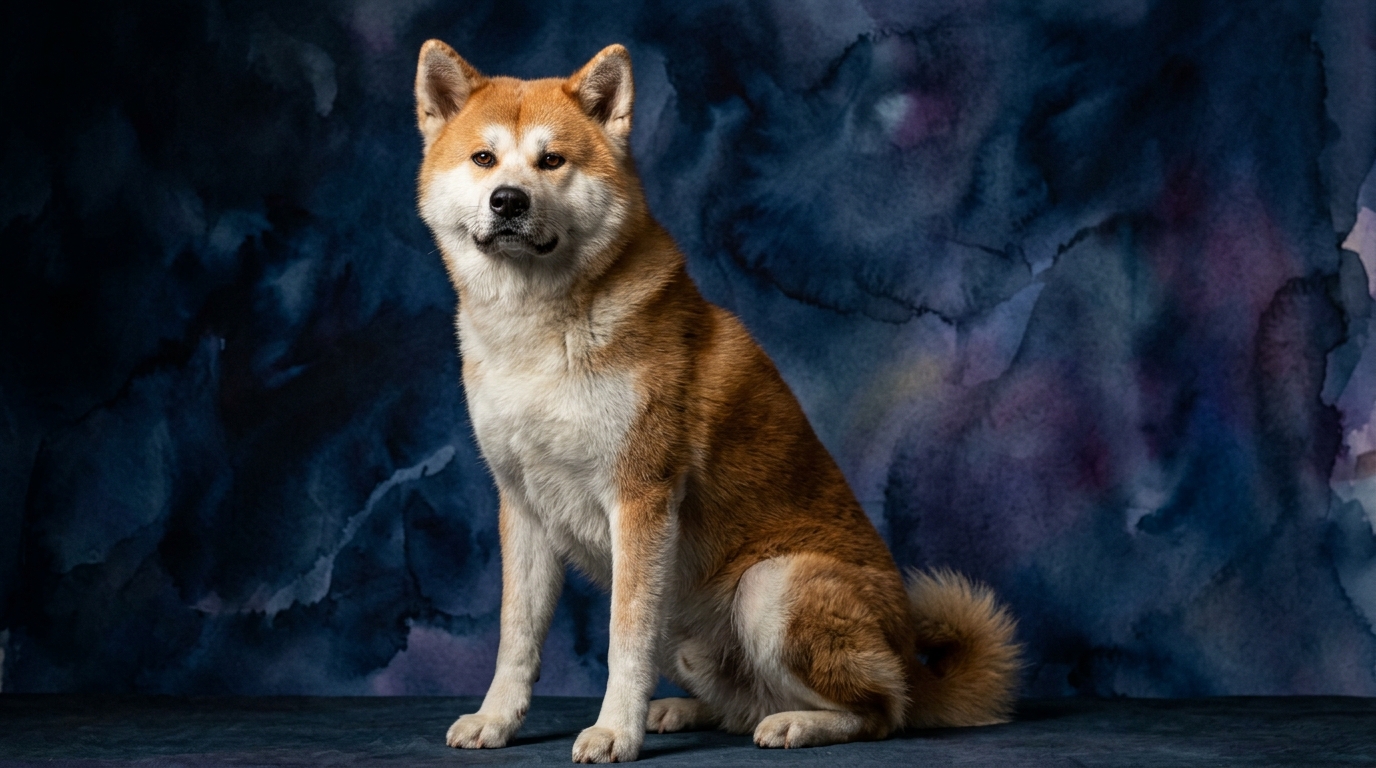
Side-by-Side IQ Profile: Rottweiler vs. Akita
**Rottweiler (Coren Rank #9):** This breed demonstrates exceptional cognitive agility. Their Problem Solving score of 5/5 indicates a profound capacity to independently navigate complex situations and adapt to new challenges. A Training Speed of 4/5 means they grasp new commands quickly, requiring fewer repetitions. Social Intelligence at 4/5 points to their nuanced understanding of human cues and social hierarchies, making them responsive companions. An Instinctive Drive of 5/5 highlights their powerful natural inclinations for guarding and protection. Finally, their Memory score of 5/5 suggests an enduring retention of learned behaviors and experiences, contributing to their reliability.
**Akita (Coren Rank #54):** The Akita presents a fascinating contrast. Their Problem Solving at 3/5 suggests a moderate ability to tackle novel problems, often preferring established routines or requiring more guidance. A Training Speed of 2/5 indicates Akitas typically require more patience and repetition to internalize new commands, often due to their independent nature. Social Intelligence at 3/5 implies they understand social dynamics, but their interactions can be more reserved, often preferring a smaller, trusted circle. An Instinctive Drive of 5/5 demonstrates a formidable natural inclination for guarding and territoriality, deeply rooted in their heritage. Their Memory score of 4/5 signifies good recall of past events and training, though perhaps not with the same absolute precision as the Rottweiler.
Where the Rottweiler Wins Cognitively
The Rottweiler consistently outperforms the Akita in areas demanding rapid cognitive processing and adaptability. Their superior Problem Solving (5/5 vs. 3/5) means a Rottweiler is far more likely to independently assess a novel situation, like figuring out how to open a complex latch, and devise a successful strategy without direct instruction. This breed's elevated Training Speed (4/5 vs. 2/5) allows for significantly faster acquisition of new commands, making advanced obedience or specialized task training a more fluid and less time-intensive process. Furthermore, the Rottweiler's higher Social Intelligence (4/5 vs. 3/5) grants them a more intuitive grasp of human emotional states and intentions, fostering a deeper, more responsive partnership. They are quicker to pick up on subtle cues from their handlers, leading to more harmonious interactions. Their perfect Memory score (5/5 vs. 4/5) ensures lessons learned are retained with remarkable clarity, building a robust foundation for consistent behavior over time.
Where the Akita Wins Cognitively
While the Akita's Coren rank is lower, their cognitive profile reveals distinct strengths, particularly in their unwavering Instinctive Drive (5/5 for both, but the Akita's expression is unique). This drive manifests as profound loyalty and an inherent, formidable protective instinct for their family and territory. Unlike the Rottweiler's more general working drive, the Akita's instinctive nature is often channeled into vigilant, self-reliant guardianship, requiring less direct instruction to activate. Their Problem Solving, while rated lower, is often applied with a specific, determined focus on their immediate environment and perceived threats, rather than broad adaptability. An Akita's lower Training Speed can be interpreted not as a deficit, but as a reflection of their independent reasoning; they process commands through their own filter of utility and purpose. Their strong Memory (4/5) combined with their powerful instinctive drive makes them exceptionally consistent in their protective roles once boundaries and loyalties are established. This breed excels in situations demanding steadfast, self-directed vigilance, rather than eager compliance.
Which is Easier to Train and Why
Based on the IQ profile, the Rottweiler is demonstrably easier to train due to their higher Training Speed (4/5) and superior Social Intelligence (4/5). A Rottweiler’s eagerness and quick comprehension mean they connect new commands with actions and rewards more rapidly, often requiring fewer repetitions. For instance, teaching a Rottweiler a complex routine typically progresses faster because they are attuned to their handler’s wishes and are motivated by cooperative engagement. Their strong memory further solidifies these lessons. In contrast, the Akita’s Training Speed (2/5) indicates a more deliberate learning process. Akitas often require more patience, consistency, and a clear demonstration of the command's value. They are less driven by social compliance and more by their own assessment of a situation, which can make initial training periods feel more challenging. Their independence means they might question the necessity of a command, requiring a trainer to build a strong, trusting relationship and make sessions highly engaging.
Which Suits Active Owners vs. Relaxed Owners
The cognitive profile of both breeds offers distinct fits for owner lifestyles. An active owner who enjoys consistent engagement, advanced training, and a highly responsive companion would find the Rottweiler a more suitable match. Their 5/5 Problem Solving and 4/5 Training Speed make them excellent candidates for dog sports like obedience or protection work, where quick thinking and rapid learning are paramount. They thrive on having a "job" and appreciate consistent mental and physical challenges, benefiting from owners who can provide structured training and diverse activities. Conversely, for an owner seeking a more relaxed companion who values independence and a quieter, more self-assured presence, the Akita could be a better fit. While Akitas possess a powerful Instinctive Drive (5/5), it often manifests as vigilant guardianship rather than a constant need for active, complex tasks. Their lower Training Speed and more moderate Social Intelligence mean they don't demand the same level of constant mental stimulation. An Akita owner needs to be prepared for a dog that might prefer to observe rather than participate, appreciating a loyal, watchful companion who thrives on routine and a strong, consistent bond.
The Verdict
Choose the Rottweiler if you seek a highly trainable, socially responsive partner eager for diverse mental and physical challenges, thriving on cooperative engagement and rapid learning. This breed is ideal for active owners committed to consistent, structured training and who desire a dog that quickly adapts and problem-solves.
Opt for the Akita if you appreciate a dignified, independent companion with a formidable protective instinct, valuing unwavering loyalty over eager compliance. This breed suits patient owners who understand their need for clear boundaries, consistent routine, and a quieter, self-reliant presence.
🧠 Find Your Pet's IQ Score
Our Pet IQ Lab assessment covers 25+ tests across 5 cognitive dimensions — personalized to your breed.
Take the Full IQ Test →Frequently Asked Questions
Is a Rottweiler or Akita better for first-time dog owners?
The Rottweiler's higher trainability and social intelligence generally make them a more manageable choice for committed first-time owners willing to invest in consistent training. Akitas, with their independent nature and slower training speed, can be more challenging for novices who might struggle with their specific motivational drivers and strong-willed temperament.
Do both breeds require a lot of exercise?
Both breeds benefit from regular exercise, but their needs differ. Rottweilers, with their high instinctive drive and problem-solving ability, require more structured physical and mental activity to prevent boredom. Akitas also need daily exercise to maintain health, but their activities might be less intensely focused on complex tasks, often preferring walks and patrol-like activities in their territory.
How do their protective instincts compare?
Both breeds possess a 5/5 Instinctive Drive for protection, but its expression varies. The Rottweiler’s protection is often more handler-directed and responsive to cues, stemming from their cooperative nature. The Akita’s protective instinct is typically more self-directed and territorial, stemming from their independent guardianship, and may require careful socialization to manage.