
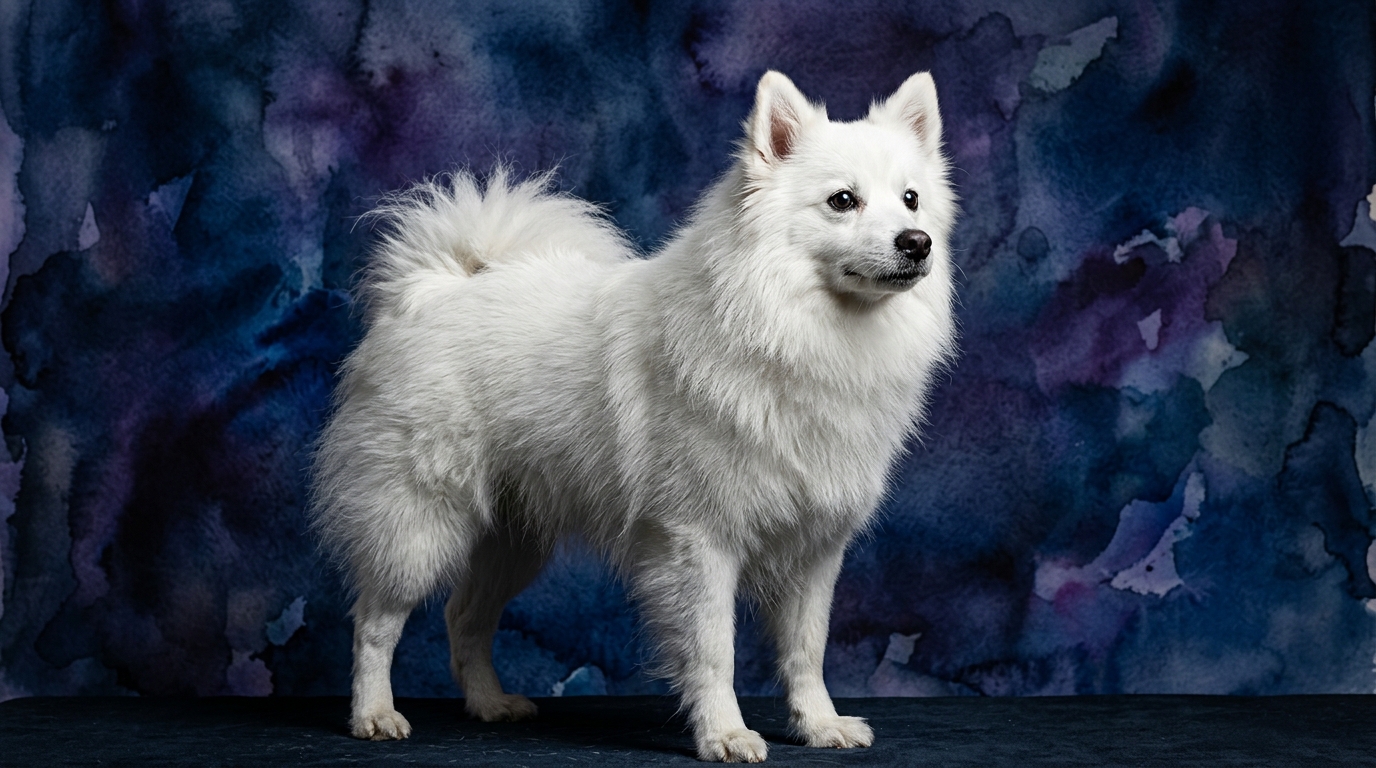
Side-by-Side IQ Profile: Rottweiler vs. American Eskimo Dog
At The Cosmic Pet Pet IQ Lab, we evaluate canine intelligence across five key dimensions. The Rottweiler, a breed with a Coren rank of #9, consistently demonstrates a robust cognitive architecture, particularly in areas demanding focused intellect and drive. Its Problem Solving is rated 5/5, indicating an exceptional capacity for navigating complex situations, quickly figuring out solutions to novel challenges, and understanding intricate command sequences. Training Speed scores 4/5, meaning Rottweilers typically grasp new commands and routines with impressive swiftness, often requiring fewer repetitions than many other breeds. Their Social Intelligence is 4/5, reflecting a strong understanding of social hierarchies and human intentions, allowing them to form deep bonds and respond appropriately to various social dynamics. A powerful Instinctive Drive of 5/5 defines the Rottweiler, manifesting as a strong desire to work, protect, and engage in purposeful tasks, fueling their focus and persistence. Finally, their Memory is 5/5, demonstrating superb recall, retaining learned commands, routines, and experiences over extended periods, contributing significantly to their reliability.
In contrast, the American Eskimo Dog, while not Coren-ranked, presents a more balanced and moderate cognitive profile across all dimensions. Its Problem Solving is rated 3/5, showing a moderate ability to solve problems, capable of learning routines and addressing straightforward challenges, though they may require more guidance for complex obstacles. Training Speed is 3/5, indicating that this breed learns at a steady pace, generally requiring consistent repetition and positive reinforcement to solidify new commands. Social Intelligence also stands at 3/5; American Eskimo Dogs display moderate social awareness, forming bonds with their family and understanding basic human emotions, but their interpretation of complex social cues might be less nuanced. Their Instinctive Drive is 3/5, manifesting as a desire for companionship and play, but without the intense, purpose-driven focus seen in working breeds. Lastly, Memory is 3/5, meaning American Eskimo Dogs possess a reliable recall for routines and learned behaviors, remembering familiar commands and people, but intricate sequences might require more prompting.
Where the Rottweiler Wins Cognitively
The Rottweiler’s cognitive strengths are deeply rooted in their history as working dogs, providing them with distinct advantages in demanding scenarios. Their exceptional Problem Solving (5/5) means they don't just follow commands; they understand the *why* behind them and can adapt. For instance, if a gate is slightly ajar, a Rottweiler might quickly figure out how to nudge it open, whereas another dog might wait for human intervention. This aptitude makes them adept at complex tasks like protection work, search and rescue, or competitive obedience, where independent thought and strategic action are vital. Their profound Instinctive Drive (5/5) isn't just about raw energy; it's a powerful internal motivation to engage with purpose, making them highly focused and persistent learners. This drive, combined with a 5/5 Memory, means that once a Rottweiler learns a task or a boundary, it's deeply ingrained, allowing for consistent performance and recall of intricate sequences years later. Their strong Social Intelligence (4/5) allows them to discern subtle shifts in human mood and intention, enabling them to respond with appropriate vigilance or affection, making them highly attuned partners in various roles.
Where the American Eskimo Dog Wins Cognitively
While the American Eskimo Dog's scores are consistently moderate (3/5 across the board), this balanced cognitive profile translates into distinct advantages for certain lifestyles. Their moderate Instinctive Drive (3/5) means they are less prone to developing obsessive behaviors or requiring constant, intense mental stimulation to prevent boredom, unlike breeds with very high drives. This makes them less demanding in terms of needing a 'job' every day, offering a more relaxed companionship. Their moderate Social Intelligence (3/5) often manifests as a generally friendly and adaptable nature, typically getting along well with various household members and visitors without the intense scrutiny or protective instincts of a higher-scoring social breed. This adaptability allows them to thrive in diverse home environments, from busy families to quieter households, without the need for constant hierarchical negotiation. Their balanced Memory (3/5) is perfectly sufficient for retaining household routines, basic commands, and the faces of loved ones, ensuring they are well-behaved and responsive companions without the potential for recalling past negative interactions with the same intensity as a 5/5 memory breed might.
Which Is Easier to Train and Why
When considering ease of training, the Rottweiler significantly outpaces the American Eskimo Dog due to their superior cognitive attributes. The Rottweiler's Training Speed (4/5) means they typically grasp new commands and concepts much faster, requiring fewer repetitions to achieve mastery. This rapid acquisition is further bolstered by their exceptional Problem Solving skills (5/5), which enable them to understand the desired outcome of a command rather than just mimicking an action. For example, teaching a Rottweiler a multi-step retrieve task might involve fewer sessions because they can logically connect the steps. In contrast, the American Eskimo Dog's Training Speed (3/5) suggests a more gradual learning curve, necessitating patience and consistent reinforcement. Their moderate Problem Solving (3/5) means they may learn through more trial and error, requiring the trainer to break down tasks into smaller, simpler steps. While both breeds are trainable, the Rottweiler's inherent Instinctive Drive (5/5) to work and engage, combined with their strong Memory (5/5), means they often seek to engage in training and retain lessons with remarkable fidelity, making the overall process more efficient and rewarding for an experienced handler. The American Eskimo Dog, while cooperative, might require more creative motivation and varied approaches to maintain engagement over longer training periods.
Which Suits Active Owners vs. Relaxed Owners
The choice between these two breeds largely hinges on an owner's lifestyle and their capacity to meet a dog's inherent needs. The Rottweiler, with its profound Instinctive Drive (5/5) and high Problem Solving capacity, is an ideal match for active owners who can provide consistent mental and physical challenges. These dogs thrive when given a purpose, whether it's advanced obedience, protection sports, hiking, or regular, structured training sessions that engage their powerful minds. An owner who enjoys rigorous activity and can dedicate time to channeling this breed's energy and intelligence will find an exceptionally loyal and capable partner. Conversely, the American Eskimo Dog, characterized by its moderate Instinctive Drive (3/5) and balanced Social Intelligence (3/5), is better suited for owners seeking a more relaxed yet still engaging companion. While they appreciate daily walks and playtime, they do not typically demand the intense, purpose-driven activities that a Rottweiler requires. They are often content with family companionship, moderate exercise, and opportunities for social interaction, making them a good fit for individuals or families with a more relaxed pace of life who can still offer consistent attention and basic enrichment.
The Verdict
Choose a Rottweiler if you are an experienced, active owner seeking a highly capable, driven working partner for advanced training, protective roles, or demanding physical activities, and you can commit to consistent mental and physical stimulation.
Opt for an American Eskimo Dog if you desire a charming, adaptable companion with moderate exercise needs and a friendly disposition, suitable for a more relaxed family environment where companionship and basic enrichment are priorities.
🧠 Find Your Pet's IQ Score
Our Pet IQ Lab assessment covers 25+ tests across 5 cognitive dimensions — personalized to your breed.
Take the Full IQ Test →Frequently Asked Questions
Do Rottweilers require extensive early socialization due to their social intelligence?
Yes, Rottweilers, with their 4/5 social intelligence, benefit immensely from early and consistent socialization. This helps them learn to interpret various social cues correctly and develop appropriate responses, channeling their protective instincts responsibly.
Can an American Eskimo Dog excel in dog sports despite its moderate scores?
Absolutely, an American Eskimo Dog can excel in various dog sports like agility or obedience, especially with a dedicated owner. Their moderate training speed and problem-solving mean they might take longer to master complex tasks, but their willingness to engage ensures progress.
How does memory differ in daily life for these two breeds?
A Rottweiler's 5/5 memory means they recall lessons and routines with exceptional clarity, often remembering commands and boundaries years later. An American Eskimo Dog's 3/5 memory is reliable for daily routines and familiar commands but might require more frequent reinforcement for less common or older lessons.