
Side-by-Side IQ Profile: Rottweiler vs. Coton de Tuléar
At The Cosmic Pet Pet IQ Lab, we evaluate canine cognition across five key dimensions. For the Rottweiler, classified in the Working group and ranked #9 by Coren, its profile is formidable. Problem Solving scores 5/5, indicating an exceptional capacity for complex analysis and devising solutions, often requiring intricate thought processes. Training Speed is 4/5, meaning they grasp new commands swiftly, demonstrating eagerness to learn and comply. Social Intelligence registers 4/5, reflecting adeptness at reading human cues and social dynamics, fostering deep bonds and understanding family structures. Instinctive Drive is a perfect 5/5, signifying powerful inherent drives for guarding or protection, deeply ingrained in their nature. Memory also scores 5/5, ensuring information, commands, and experiences are retained over long periods, making past lessons enduring.
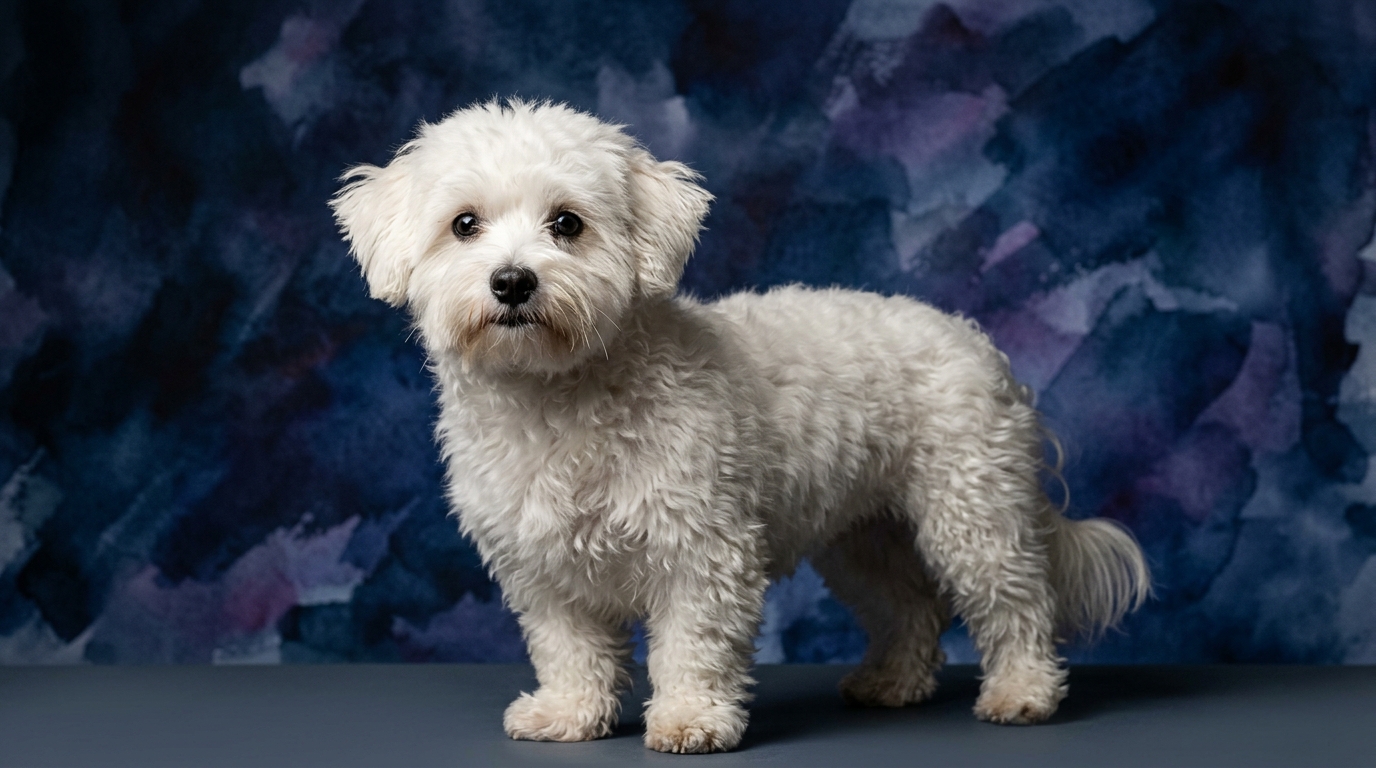
The Coton de Tuléar, a Non-Sporting breed without a Coren ranking, presents a different cognitive landscape. Its Problem Solving is 3/5, showing moderate ability to navigate novel situations, often relying on learned behaviors rather than complex innovation. Training Speed is 3/5, meaning they learn at a moderate pace, benefiting from consistent, positive reinforcement and patience. Social Intelligence is 3/5, indicating capability to understand basic social cues and form attachments, though perhaps with less nuance. Instinctive Drive is 3/5, revealing moderate inherent drives, typically expressed as companionship or playful interactions, not strong working instincts. Memory also stands at 3/5, implying good retention of familiar routines and people, though complex tasks might require more repetition for lasting recall.
Where the Rottweiler Excels Cognitively
The Rottweiler’s cognitive architecture truly shines in scenarios demanding robust mental processing and steadfast recall. With a perfect 5/5 in Problem Solving, these dogs actively strategize, capable of navigating intricate obstacle courses, figuring out complex latches, or understanding multi-step commands that require sequential thought. Their 5/5 Instinctive Drive fuels a profound capacity for working roles, manifesting as an innate understanding of boundaries, territory, and protective duties. This isn't merely aggression, but a deeply embedded drive to assess and respond to perceived threats or changes. Furthermore, their 5/5 Memory ensures that lessons learned, whether a specific protection routine or complex agility sequence, are retained with remarkable permanence, reducing the need for constant refreshers and allowing for an extensive behavioral repertoire. They apply learned solutions to new, similar challenges, demonstrating sophisticated adaptive learning.
Where the Coton de Tuléar Excels Cognitively
While the Coton de Tuléar's cognitive profile, marked by 3/5 scores, may not boast the raw processing power of a working breed, its strengths lie in areas perfectly suited for its companion role. Their moderate instinctive drive means they are typically less prone to intense territoriality or prey drive, making them inherently more adaptable to diverse living situations and social gatherings without requiring significant redirection of powerful innate urges. This translates to a dog generally content with less structured 'work' and more focused on amiable human interaction. Their social intelligence, while not as nuanced as a working dog assessing complex threats, is perfectly pitched for forming strong, affectionate bonds within a family unit, understanding subtle emotional shifts, and providing comforting companionship. They excel at being present, engaging playfully, and thriving in environments where their primary 'task' is to be a beloved family member, requiring a different kind of cognitive aptitude focused on social harmony.
Training Dynamics: Which is Easier and Why?
When assessing ease of training, it’s crucial to consider both the dog’s learning capacity and the handler’s experience. The Rottweiler, with its 4/5 Training Speed and 5/5 Memory, grasps and retains complex commands with remarkable efficiency. Their powerful 5/5 Instinctive Drive, while needing experienced guidance, can be a formidable asset when channeled for tasks like obedience or protection, as they possess an inherent desire for purpose. However, this intensity means they require a confident, consistent, and knowledgeable trainer to manage their strong will and direct drives constructively. They thrive on clear leadership and consistent boundaries.
In contrast, the Coton de Tuléar, with 3/5 scores in Training Speed and Memory, learns at a more moderate pace. While they may require more repetitions, their lower instinctive drives mean fewer inherent challenges related to dominance or strong working urges. Training a Coton is often more about patience and positive reinforcement to maintain engagement, as they are generally eager to please. They are less likely to test boundaries with the same intensity, making them a forgiving option for novice owners, though consistency remains key.
Matching Breeds to Lifestyles: Active vs. Relaxed Owners
The choice between a Rottweiler and a Coton de Tuléar largely hinges on an owner’s lifestyle and capacity for engagement. The Rottweiler is suited for active, dedicated owners who can provide substantial physical exercise and, crucially, ample mental stimulation. Their 5/5 Problem Solving and 5/5 Instinctive Drive demand an outlet; without engaging work or training, their powerful minds can become bored and potentially destructive. They thrive on structured activities like obedience trials or advanced training, and require owners prepared to be consistent leaders and provide daily challenges. This breed needs a job, a purpose, and an owner committed to their ongoing cognitive development.
Conversely, the Coton de Tuléar is an ideal match for more relaxed owners or those seeking an adaptable companion. While they enjoy playtime and daily walks, their moderate energy levels and lower instinctive drives mean they are generally content with less strenuous activity and thrive on social interaction within the home. They are well-suited to apartment living or homes with smaller yards, provided they receive regular attention and companionship. Their cognitive needs are primarily met through interactive play, cuddle sessions, and consistent, gentle training rather than demanding work, making them a wonderful fit for individuals or families desiring a charming, affectionate companion.
The Verdict
Choose a Rottweiler if you are an experienced, active owner seeking a highly capable working dog with significant cognitive demands and a strong, protective instinct.
Choose a Coton de Tuléar if you desire a gentle, adaptable companion dog, content with moderate activity and thriving on affectionate social interaction in varied home environments.
🧠 Find Your Pet's IQ Score
Our Pet IQ Lab assessment covers 25+ tests across 5 cognitive dimensions — personalized to your breed.
Take the Full IQ Test →Frequently Asked Questions
Do Rottweilers need more mental stimulation than Coton de Tuléars?
Yes, Rottweilers, with their 5/5 Problem Solving and Instinctive Drive, require extensive mental engagement through training, puzzles, and structured activities to prevent boredom. Coton de Tuléars have moderate needs, content with interactive play and companionship.
Is a Coton de Tuléar easier for a first-time dog owner?
Generally, yes. Coton de Tuléars have lower instinctive drives and are less demanding in terms of assertive leadership, making their training and management more forgiving for novices. Rottweilers require experienced, consistent handling due to their powerful drives and cognitive demands.
How do their social intelligence differences impact family life?
Rottweilers' 4/5 social intelligence means they are perceptive and bond deeply, often taking on a protective role within the family, requiring careful socialization. Coton de Tuléars, with 3/5 social intelligence, focus more on affectionate companionship and adapt well to various family members without strong guarding tendencies.