Side-by-Side IQ Profile
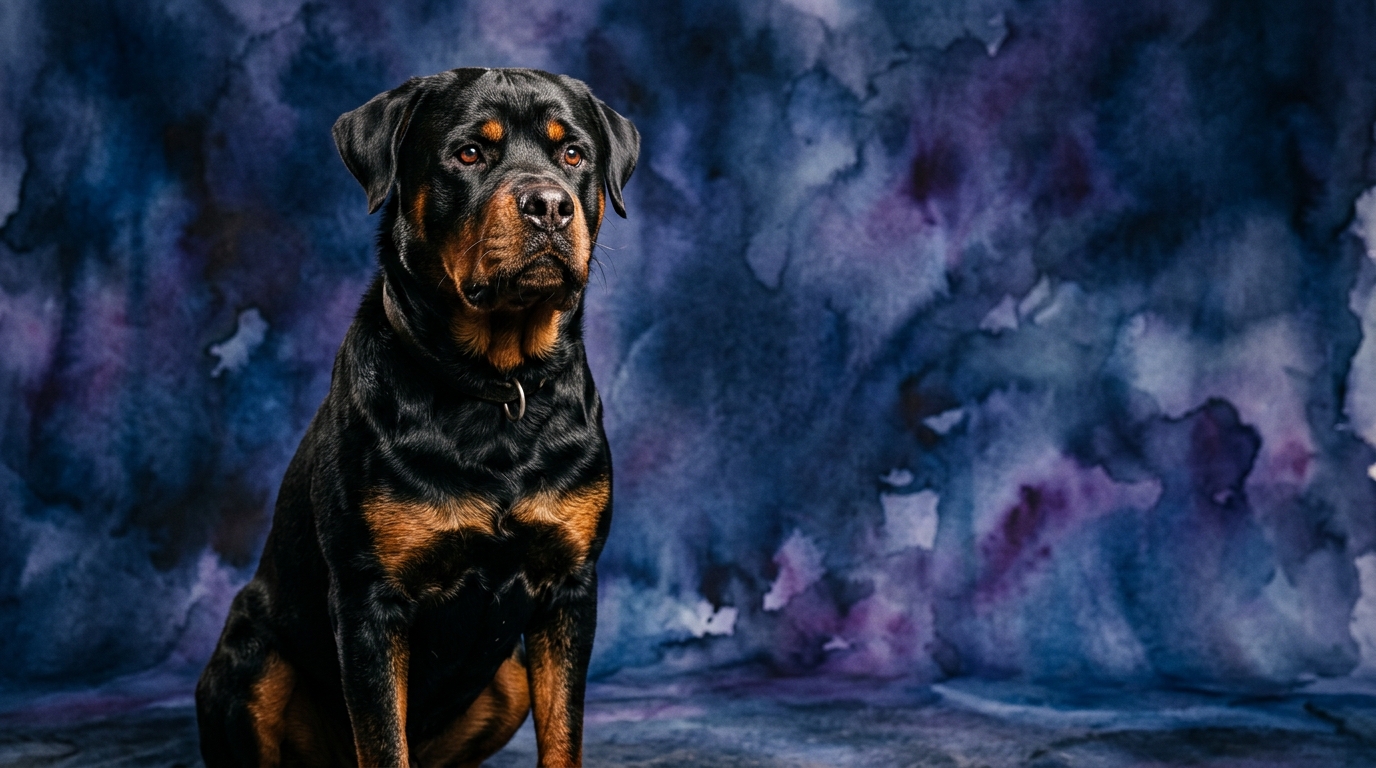
The Rottweiler's cognitive blueprint, as measured by The Cosmic Pet Pet IQ Lab, paints a picture of sharp acuity and strong purpose. Their Problem Solving is rated a perfect 5/5, indicating an exceptional capacity to analyze novel situations and devise effective solutions independently, often demonstrating a deep strategic understanding. Training Speed, at 4/5, reflects a swift grasp of commands and routines, though their independent nature might require consistent, engaging methods to prevent boredom. Social Intelligence scores 4/5, suggesting a nuanced understanding of human cues and pack dynamics, enabling them to form strong bonds and interpret emotional states. With an Instinctive Drive of 5/5, their inherent working aptitudes – whether guarding, herding, or protection – are profoundly ingrained and readily expressed. Finally, their Memory, also a 5/5, means they retain learned behaviors, positive experiences, and even negative associations over significant periods, making early positive reinforcement crucial. This impressive cognitive package contributed to their #9 rank on Stanley Coren's intelligence scale.
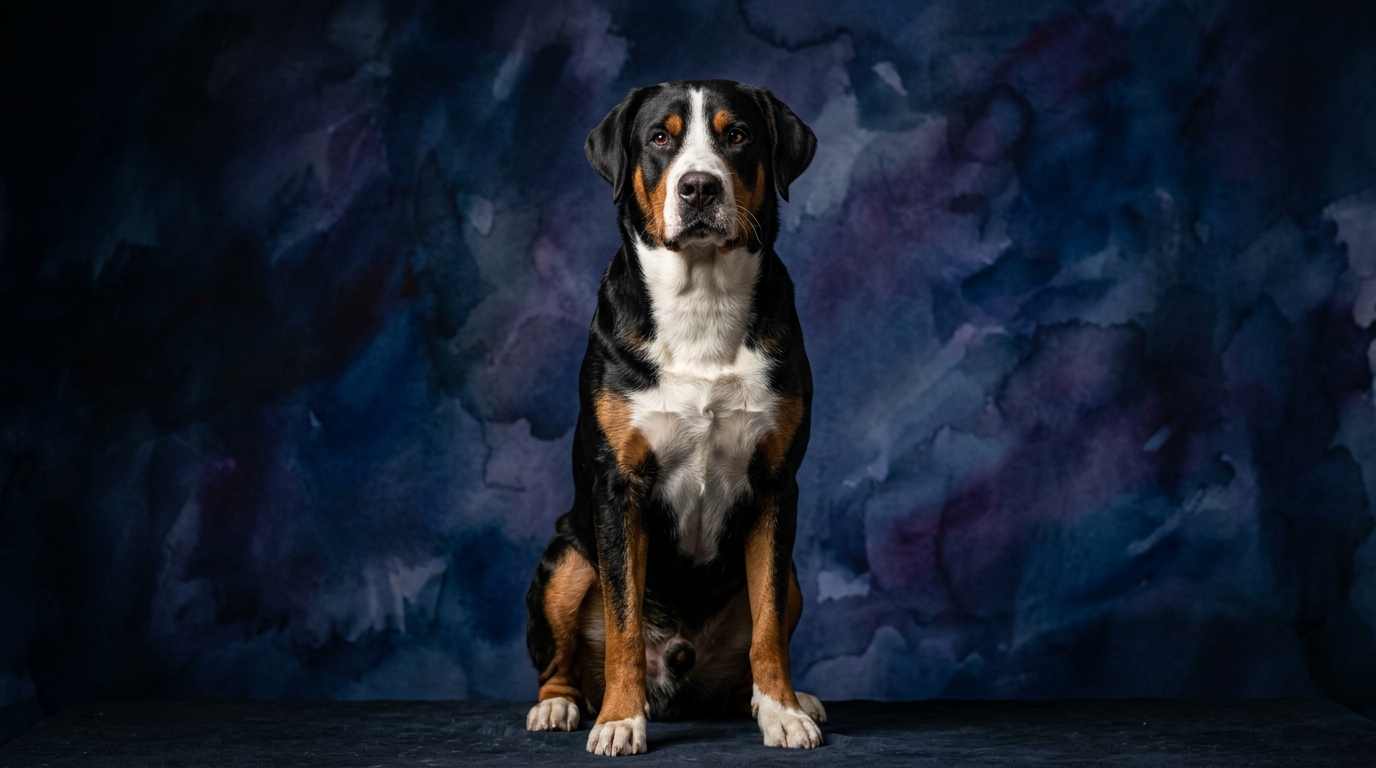
In contrast, the Greater Swiss Mountain Dog presents a more balanced, though still capable, cognitive profile. Their Problem Solving, rated 3/5, indicates they can navigate challenges and learn from experience, but might take longer to grasp complex multi-step solutions or require more guidance than their Rottweiler counterparts. A Training Speed of 3/5 means they are trainable and willing to learn, but consistency and patience are key, as they may not pick up new commands with the same rapid pace. Social Intelligence, also at 3/5, suggests they are amiable and can form strong family bonds, though they might not exhibit the same subtle interpretation of human nuances or complex social manipulation seen in higher-scoring breeds. Their Instinctive Drive, 3/5, points to a moderate expression of their working heritage; they possess guardian instincts and a desire to be part of the family unit, but perhaps without the intense focus or drive for specific tasks. Memory, at 3/5, means they learn and retain information adequately, but repetition might be more critical for solidifying behaviors over the long term. The Greater Swiss Mountain Dog is not specifically ranked on Coren's scale, which often focuses on obedience and working intelligence, but their scores reflect a robust, practical intellect suited to their historical roles.
Where Rottweiler Wins Cognitively
The Rottweiler's cognitive strengths truly shine in areas demanding independent thought and tenacious retention. Their perfect 5/5 Problem Solving score means they are adept at figuring things out on their own, whether it's navigating a complex puzzle toy or understanding how to open a gate. This capacity for autonomous reasoning can be a double-edged sword: a Rottweiler will often find the most efficient path to a goal, which might not always align with human expectations, requiring proactive mental engagement from owners. Furthermore, their 5/5 Instinctive Drive gives them an edge in tasks requiring sustained focus and purpose. Historically bred for herding and guarding, this drive manifests as a deep-seated desire to work and protect, making them exceptional candidates for advanced obedience, protection sports, or even service roles where unwavering dedication is paramount. This isn't just about physical drive; it's a cognitive commitment to their inherent purpose. Lastly, their 5/5 Memory is a significant advantage. A Rottweiler remembers commands, routines, and experiences with remarkable clarity, meaning once a behavior is learned, it is likely to stick. This reliability in recall and learned tasks makes advanced training rewarding and allows for building a complex repertoire of skills over time, though it also means they remember negative experiences or inadequate training just as vividly.
Where Greater Swiss Mountain Dog Wins Cognitively
While the Greater Swiss Mountain Dog's cognitive scores are more moderate across the board, these traits contribute to a distinct, appealing personality profile that many owners seek. Their 3/5 Instinctive Drive, for instance, means they possess a strong desire to be part of the family and fulfill a role, but without the intense, sometimes overwhelming, work ethic of a Rottweiler. This translates to a dog that is generally content with being a companion, enjoying family activities without constantly seeking a demanding 'job.' Their moderate Problem Solving (3/5) and Training Speed (3/5) can translate to a more deliberate and less impulsive approach to new situations. They may not leap to conclusions or try to outsmart their owner, but instead, process information at a steadier pace, making them less prone to independent mischief driven by an overactive intellect. This measured cognitive approach often results in a dog that is generally more relaxed and less demanding of constant mental stimulation, provided their basic needs for companionship and moderate exercise are met. Their 3/5 Social Intelligence also means they are generally affable and good-natured, forming strong, loyal bonds without necessarily analyzing every subtle human cue with intense scrutiny, which can be less intimidating for some owners and easier to manage in diverse social settings.
Which is Easier to Train and Why
When assessing ease of training, it's crucial to distinguish between learning speed and overall manageability. The Rottweiler, with its 4/5 Training Speed and 5/5 Memory, typically picks up commands and complex sequences with remarkable rapidity. Their high Problem Solving (5/5) means they understand the 'why' behind actions and can generalize learned behaviors effectively. However, this cognitive prowess demands an equally engaging and consistent training approach. A bored Rottweiler might use its problem-solving skills to find alternative, less desirable activities, or simply decide a task isn't worth their effort if not presented compellingly. Their strong Instinctive Drive (5/5) requires channeling into productive outlets; without clear direction, this drive can manifest as stubbornness or a propensity to follow their own agenda. Training a Rottweiler is often about intellectual sparring – a rewarding challenge for experienced handlers who can provide structure, variety, and firm but fair leadership. In contrast, the Greater Swiss Mountain Dog, with a 3/5 Training Speed and 3/5 Memory, learns at a more deliberate pace. They are generally eager to please and less inclined to independently challenge authority or 'test' boundaries with the same intensity as a Rottweiler. Their moderate Instinctive Drive (3/5) means they are less likely to become overstimulated or fixated on a task, making them generally more amenable to routine obedience. Training a Greater Swiss Mountain Dog requires patience, consistency, and positive reinforcement, focusing on clear communication and gradual progression. While they may not achieve the same rapid mastery of complex tasks, their willingness and generally lower propensity for independent problem-solving in a challenging way can make them a more straightforward training experience for novice owners.
Which Suits Active Owners vs. Relaxed Owners
The choice between a Rottweiler and a Greater Swiss Mountain Dog often comes down to an owner's lifestyle and their capacity for engagement. The Rottweiler, with its profound cognitive abilities – 5/5 Problem Solving, 5/5 Instinctive Drive, and 5/5 Memory – thrives with active, dedicated owners who are prepared to provide significant mental and physical stimulation. These dogs require a 'job,' whether it's advanced obedience, protection work, agility, or even complex puzzle games and regular training sessions that challenge their intellect. Owners who enjoy structured activities, consistent leadership, and view dog ownership as an active partnership where they can channel a powerful mind will find the Rottweiler immensely rewarding. This breed is not for the faint of heart or the truly relaxed owner; neglect of their mental needs can lead to boredom-driven behaviors. The Greater Swiss Mountain Dog, on the other hand, is generally a better fit for owners seeking a sturdy, loyal companion with a more moderate activity level. Their 3/5 scores across the board indicate a capable but less intensely driven mind. They enjoy walks, playtime with family, and being included in daily activities, but they don't typically demand the same level of rigorous mental engagement or constant 'work' to feel fulfilled. Relaxed owners who can provide consistent, loving attention, moderate exercise, and basic obedience training will find a devoted and generally good-natured family member in the Greater Swiss Mountain Dog. They are content to be part of the household rhythm without needing constant intellectual challenges.
The Verdict
Choose a Rottweiler if you are an experienced owner seeking a powerful, highly trainable working partner who thrives on consistent mental challenges, structured training, and a clear leadership role. They excel in demanding roles and offer deep, complex companionship for those prepared to engage their profound intellect.
Opt for a Greater Swiss Mountain Dog if you desire a steadfast, good-natured family companion who is trainable but doesn't require constant, intense mental work, offering a more relaxed yet still active partnership. They are well-suited for owners seeking a loyal presence with moderate demands.
🧠 Find Your Pet's IQ Score
Our Pet IQ Lab assessment covers 25+ tests across 5 cognitive dimensions — personalized to your breed.
Take the Full IQ Test →Frequently Asked Questions
Are Rottweilers good with children?
Rottweilers, with their 4/5 Social Intelligence, can be excellent family dogs and very protective of children within their family unit, provided they are well-socialized from a young age and properly trained. Their strong instinctive drive and protective nature mean supervision is always advised, especially with unfamiliar children.
Do Greater Swiss Mountain Dogs bark a lot?
Greater Swiss Mountain Dogs, possessing a moderate 3/5 instinctive drive, can be alert barkers, especially when strangers approach their home or if they perceive something unusual. However, they are not typically considered excessive barkers compared to some other breeds, and proper training can manage this tendency.
Which breed requires more exercise?
While both breeds benefit from regular exercise, the Rottweiler's 5/5 instinctive drive and high energy often demand more vigorous and mentally stimulating activity to prevent boredom and behavioral issues. The Greater Swiss Mountain Dog, with its 3/5 instinctive drive, is generally content with moderate daily walks and playtime.