
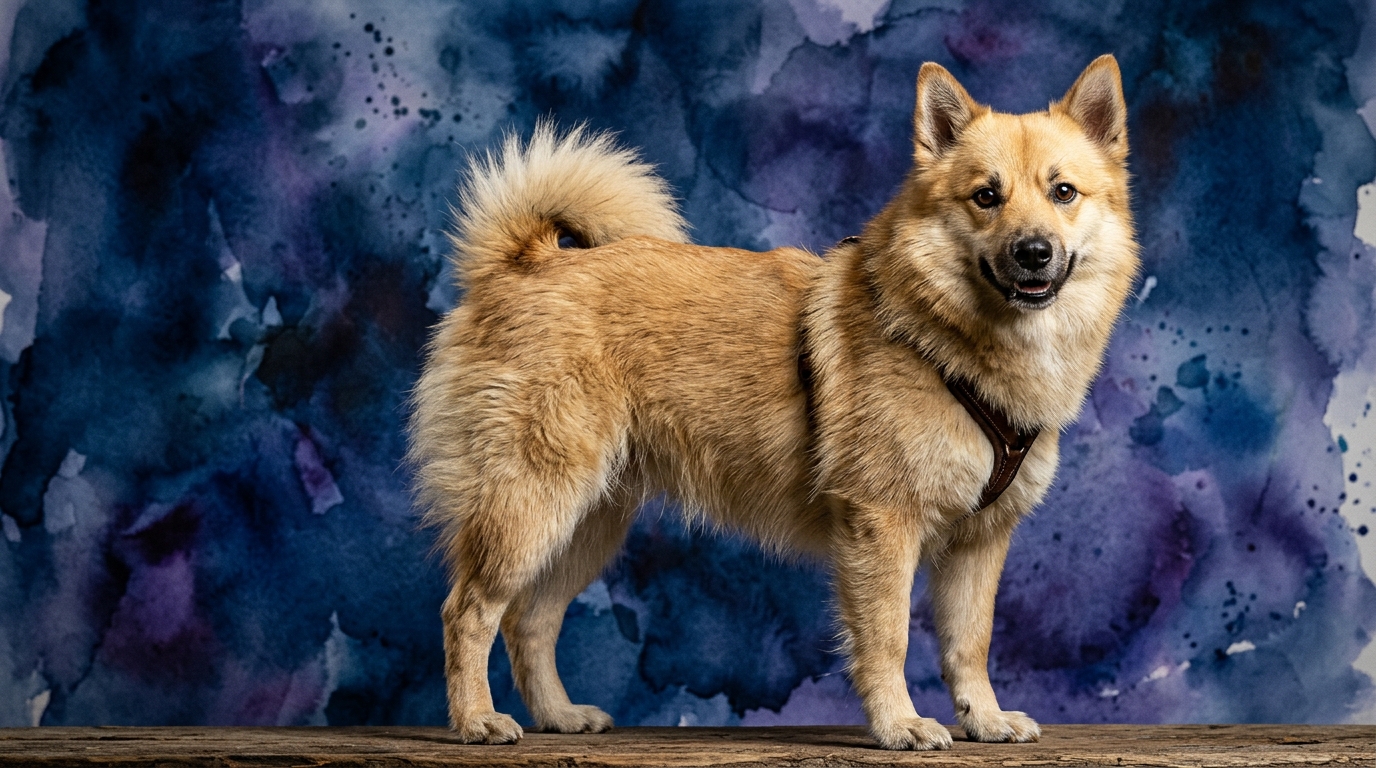
A Side-by-Side IQ Profile: Rottweiler vs. Norwegian Buhund
The Rottweiler, ranked #9 by Coren, demonstrates a formidable cognitive profile. Their problem-solving ability is 5/5, indicating a capacity for complex thought and independent decision-making. Training speed is 4/5 for quick command grasp, while social intelligence also rates 4/5, allowing nuanced family interactions. A 5/5 instinctive drive points to powerful motivation for purpose-driven activities, complemented by an exceptional 5/5 memory for retaining learned behaviors.
The Norwegian Buhund, a herding breed, presents a more moderate yet distinctly functional cognitive blueprint. Problem-solving is 3/5, reflecting practical intelligence focused on immediate tasks. Training speed is 3/5, meaning steady learning but requiring more repetition. Social intelligence is 3/5, showcasing bonding ability with an independent streak. Their instinctive drive is 3/5, channeling energy into herding, and memory, also 3/5, retains necessary pastoral skills.
Where the Rottweiler Excels Cognitively
The Rottweiler's cognitive strengths are evident in scenarios demanding high-level processing and retention. Their 5/5 problem-solving allows them to dissect complex situations, from intricate obedience courses to assessing territorial threats. This superior capacity for analytical thought makes them adept at learning multi-step commands and adapting strategies based on environmental feedback, showcasing a brain wired for intricate tasks.
Furthermore, the Rottweiler's exceptional 5/5 memory coupled with a powerful 5/5 instinctive drive creates a formidable combination for consistent performance. They reliably recall extensive repertoires of commands, routines, and boundaries, making them predictable and dependable partners once trained. This deep retention means learned tasks are rarely forgotten, enabling precision and dedication in demanding roles like protection work or competitive obedience.
Unique Cognitive Strengths of the Norwegian Buhund
While the Norwegian Buhund may not boast the same raw cognitive scores, their intelligence is uniquely adapted for their historical role as independent herders. Their 3/5 problem-solving and instinctive drive, though moderate, reflect a self-reliant mind capable of making on-the-spot decisions regarding flock management without constant human direction. This functional intelligence is geared towards autonomous operation, demonstrating practical, real-time assessment skills in open spaces.
The Buhund's 3/5 social intelligence, combined with moderate training speed, points to a cognitive profile that values partnership but retains independence. Their brain is wired for cooperative effort where they contribute judgment, rather than simply executing commands. This means they excel where a dog needs to think for itself within a broader framework, showing initiative and decision-making capacity stemming from working alongside shepherds.
Training Dynamics: Which Breed is Easier?
For ease of training, the Rottweiler generally offers a more straightforward path for dedicated owners. Their 4/5 training speed, combined with 5/5 memory and powerful instinctive drive, means quick command grasp and reliable retention. They are eager to work and please, thriving on structured tasks and consistent guidance. This makes them highly responsive to positive reinforcement and capable of mastering advanced obedience or protection training efficiently.
The Norwegian Buhund, with its 3/5 training speed and memory, requires a different approach. Their independent spirit, a hallmark of their herding lineage, means they may question commands or seek their own solutions. Training demands patience, creativity, and consistency. While capable learners, their moderate scores suggest they may not pick up complex sequences as rapidly. Owners should anticipate more repetition and focus on making training engaging to maintain the Buhund's interest.
Matching Breeds to Lifestyles: Active vs. Relaxed Owners
For active owners seeking a canine partner for demanding activities and a strong sense of purpose, the Rottweiler is often an ideal match. Their profound instinctive drive (5/5) and exceptional problem-solving (5/5) demand significant mental and physical engagement. Owners providing structured training, dog sports, or a consistent "job" will see their Rottweiler thrive. This breed is not suited for a sedentary lifestyle, as unchanneled energy can lead to boredom and undesirable behaviors.
The Norwegian Buhund, also active, suits owners appreciating an independent streak and love for exploring. Their moderate instinctive drive (3/5) and problem-solving (3/5) require regular exercise and mental stimulation, but perhaps less intense "work." They are excellent companions for hiking or agility, and their herding background means they appreciate overseeing their family. They can adapt to a slightly more relaxed home compared to a Rottweiler, provided activity and companionship needs are met.
The Verdict
You are an experienced, dedicated owner prepared to invest significant time in structured training and mental engagement for a dog that excels in complex tasks and loyal protection.
You are an active owner who appreciates an independent, spirited companion for outdoor adventures and can provide consistent, patient training tailored to a dog with a strong herding instinct.
🧠 Find Your Pet's IQ Score
Our Pet IQ Lab assessment covers 25+ tests across 5 cognitive dimensions — personalized to your breed.
Take the Full IQ Test →Frequently Asked Questions
Does a higher Coren rank mean a dog is "smarter"?
The Coren rank primarily measures "working and obedience intelligence," focusing on how quickly a dog learns and obeys commands. It doesn't encompass all aspects of canine cognition, such as problem-solving in natural environments or social intelligence, which are equally important for different roles.
Are Norwegian Buhunds difficult to train due to their independence?
Norwegian Buhunds are not inherently difficult, but their independent nature and moderate training speed mean they require more patience, consistency, and engaging methods than some other breeds. Owners often find success by making training a collaborative effort, leveraging their social intelligence and natural instincts.
Can a Rottweiler adapt to a family with young children?
A well-socialized and properly trained Rottweiler, with its strong social intelligence and desire to protect its family, can be an excellent companion for families with children. However, their size, strength, and strong instinctive drive necessitate constant supervision and early training to ensure safe and appropriate interactions.