
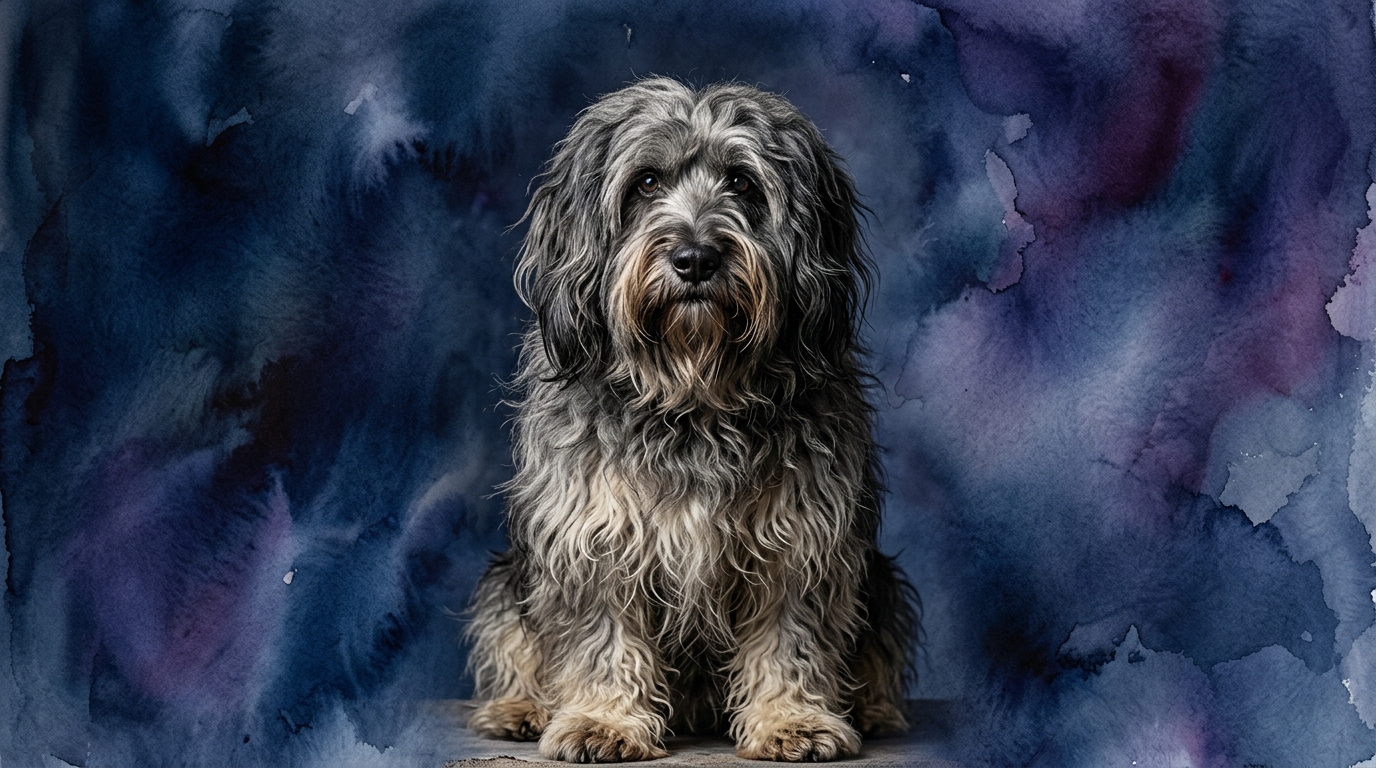
Side-by-Side IQ Profile: Rottweiler vs. Polish Lowland Sheepdog
**Rottweiler (Working Group, Coren Rank #9)**
**Problem Solving (5/5):** Rottweilers possess exceptional analytical capabilities, readily dissecting complex scenarios and devising effective solutions. This manifests in their ability to navigate intricate tasks, understand cause-and-effect relationships quickly, and adapt strategies when faced with novel obstacles. Their robust cognitive architecture allows them to think critically, often anticipating outcomes.
**Training Speed (4/5):** These dogs absorb new commands and routines with impressive alacrity, often requiring fewer repetitions than many breeds to solidify a behavior. Their strong desire for purpose and handler cooperation fuels this rapid learning, though their assertiveness requires a confident, consistent training approach to channel their mental energy constructively.
**Social Intelligence (4/5):** Rottweilers exhibit profound sensitivity to human emotional states and intentions, forming deep, intuitive bonds with their primary caregivers. While discerning and often reserved with strangers, their social acumen allows them to interpret subtle cues within their trusted circle, fostering a strong, protective partnership.
**Instinctive Drive (5/5):** Their genetic blueprint is saturated with potent guarding, territorial, and protective instincts, coupled with a significant prey drive. This innate programming equips them with a relentless focus on their perceived duties, demanding structured outlets for these powerful, inherent behaviors to ensure balanced development.
**Memory (5/5):** Rottweilers boast an outstanding memory, retaining learned behaviors, complex sequences of commands, and past experiences with remarkable fidelity. Both positive and negative associations are deeply etched, making early, consistent positive reinforcement crucial for shaping their long-term conduct and confidence.
**Polish Lowland Sheepdog (Herding Group, Not Coren-Ranked)**
**Problem Solving (3/5):** Polish Lowland Sheepdogs are capable problem-solvers for practical, real-world tasks, particularly those related to their herding roots. While they can navigate moderate challenges, abstract or highly complex, multi-step problems might require more guidance or simplification, preferring pragmatic solutions over intricate intellectual exercises.
**Training Speed (3/5):** These dogs learn at a steady, deliberate pace, benefiting significantly from patient, positive reinforcement and consistent repetition. Their independent nature, a hallmark of many herding breeds, means they may take longer to fully internalize commands, often needing to understand the "why" before committing to a behavior.
**Social Intelligence (3/5):** Affectionate and deeply devoted to their families, Polish Lowland Sheepdogs demonstrate clear social awareness within their established pack. However, they can be reserved, even aloof, with unfamiliar individuals and environments, necessitating extensive early socialization to foster confident, appropriate interactions outside their immediate circle.
**Instinctive Drive (3/5):** Their herding instinct is present and often manifests as a desire to 'manage' or gather family members, but it is generally less intense than in breeds bred for more aggressive herding or protection. Their prey drive is moderate, less pronounced than working breeds, making them generally less inclined to chase or fixate on small animals.
**Memory (3/5):** Polish Lowland Sheepdogs possess adequate memory for commands and routines, retaining information sufficiently for daily life and basic training. While they recall past experiences, their memory might not be as sharp or as detailed for complex sequences or subtle environmental cues as breeds with higher scores, requiring occasional refreshers.
Where the Rottweiler Wins Cognitively
The Rottweiler’s cognitive strengths shine particularly in structured, goal-oriented tasks that demand intense focus and rapid assimilation. Their 5/5 Problem Solving score means they excel at quickly assessing novel situations and devising effective solutions, whether it's navigating an agility course or understanding a complex multi-step command sequence. This breed's 4/5 Training Speed is underpinned by an innate drive to please and a remarkable capacity to connect actions with outcomes, allowing them to master new skills with fewer repetitions than many other dogs. Furthermore, their 5/5 Memory ensures that once a concept or behavior is learned, it is deeply ingrained, making them reliable partners in advanced obedience, protection work, or service roles where consistent recall is paramount. Their profound instinctive drives provide a powerful mental engine, channeling their formidable intellect into purposeful action.
Where the Polish Lowland Sheepdog Excels Cognitively
While the Polish Lowland Sheepdog’s scores might appear lower, their cognitive profile offers distinct advantages in specific contexts. Their 3/5 Problem Solving, coupled with a moderate Instinctive Drive, fosters a more independent and adaptable approach to challenges, particularly in less structured environments. They are adept at making their own decisions when direct instruction isn't available, a valuable trait for a herding dog managing a flock autonomously. Their social intelligence, while reserved with strangers, allows them to form incredibly deep, nuanced bonds within their family, often displaying a subtle understanding of household dynamics and a capacity for quiet companionship that doesn't demand constant engagement. This breed thrives on thoughtful interaction rather than rigorous, high-stakes mental challenges, making them less prone to stress in less demanding cognitive roles and more content with a relaxed, family-focused existence.
Trainability: Which is Easier to Train and Why?
The Rottweiler is generally easier to train in terms of raw speed and the ability to grasp complex commands quickly. Their 4/5 Training Speed and 5/5 Memory mean they absorb new information with impressive efficiency, often forming associations after only a few repetitions. This is largely due to their strong desire to work, their intense focus, and their inherent drive to form a cooperative partnership with their handler. However, their assertiveness and powerful instincts (5/5 Instinctive Drive) demand a firm, consistent, and experienced trainer to channel their formidable mental and physical energy appropriately. In contrast, the Polish Lowland Sheepdog, with its 3/5 Training Speed and more independent nature, requires a more patient and engaging approach. They might take longer to internalize commands and often need to understand the 'purpose' behind a task before committing, reflecting their herding breed tendency to think for themselves rather than blindly obey. Their training benefits from positive reinforcement and consistency, avoiding harsh methods that can make them withdraw or become stubborn.
Matching Owners: Active vs. Relaxed Lifestyles
For active owners seeking a canine partner for demanding activities, the Rottweiler is an ideal match. Their high instinctive drive, exceptional problem-solving abilities, and robust memory mean they thrive with structured work, advanced training, and mentally stimulating challenges like competitive obedience, protection sports, or service dog roles. They require significant mental engagement alongside physical exercise to prevent boredom and destructive behaviors. Conversely, the Polish Lowland Sheepdog is better suited for moderately active to relaxed owners. While they enjoy regular walks and playtime, their lower instinctive drive and moderate problem-solving capacity mean they are less demanding in terms of intense, high-stakes mental work. They appreciate companionship, family activities, and a comfortable home environment, often content to observe and participate in a more relaxed manner, making them excellent companions for those who prefer thoughtful interaction over constant, high-octane engagement.
The Verdict
Choose a Rottweiler if you are an experienced owner seeking a highly capable, driven working partner for advanced training, protection, or service roles, ready to provide consistent structure and mental engagement. Their rapid learning and profound memory make them excel in demanding, purposeful tasks.
Opt for a Polish Lowland Sheepdog if you desire a devoted, adaptable family companion who thrives on companionship and moderate activity, appreciating a more independent spirit and patient, positive training methods. They offer subtle social intelligence and a relaxed presence for owners who value thoughtful interaction over intense cognitive challenge.
🧠 Find Your Pet's IQ Score
Our Pet IQ Lab assessment covers 25+ tests across 5 cognitive dimensions — personalized to your breed.
Take the Full IQ Test →Frequently Asked Questions
Does Coren ranking truly reflect a dog's overall intelligence?
Coren ranking primarily measures 'working and obedience intelligence,' which reflects a dog's ability to learn and follow human commands. It doesn't fully encompass other dimensions like problem-solving in natural environments or social intelligence, meaning breeds not highly ranked can still possess unique and valuable cognitive strengths.
How does a Rottweiler's high instinctive drive impact their trainability?
A Rottweiler's powerful instinctive drive, while making them quick learners for specific tasks, also means these instincts need careful management and channeling. Without appropriate outlets and consistent guidance, their protective or prey drives can become challenging, requiring experienced handling to direct their formidable mental energy constructively.
What kind of mental stimulation is best for a Polish Lowland Sheepdog?
Polish Lowland Sheepdogs thrive on mental stimulation that engages their natural curiosity and moderate herding instincts without being overly intense. Puzzle toys, scent work, short positive reinforcement training sessions, and opportunities to 'manage' their family in a gentle way are excellent for keeping their minds engaged and preventing boredom.