
Side-by-Side IQ Profile
The Rottweiler, securing a notable Coren rank of #9, presents a robust cognitive architecture. Their problem-solving ability, rated 5/5, suggests a profound capacity for independent thought and navigating complex scenarios, often figuring out solutions rather than waiting for instruction. Training speed, at 4/5, indicates they pick up new commands and routines with efficiency, though their strong will might necessitate consistent, clear guidance. Social intelligence, at 4/5, means they comprehend human cues and form strong bonds, though their primary focus might lean towards their immediate family circle rather than broad social engagement. An impressive instinctive drive of 5/5 underscores their deep-seated urge for purpose-driven activity, historically guarding and herding, requiring outlets for this intrinsic motivation. Finally, their memory, a perfect 5/5, ensures they retain learned information, commands, and experiences over extended periods, contributing to their reliability and consistency.
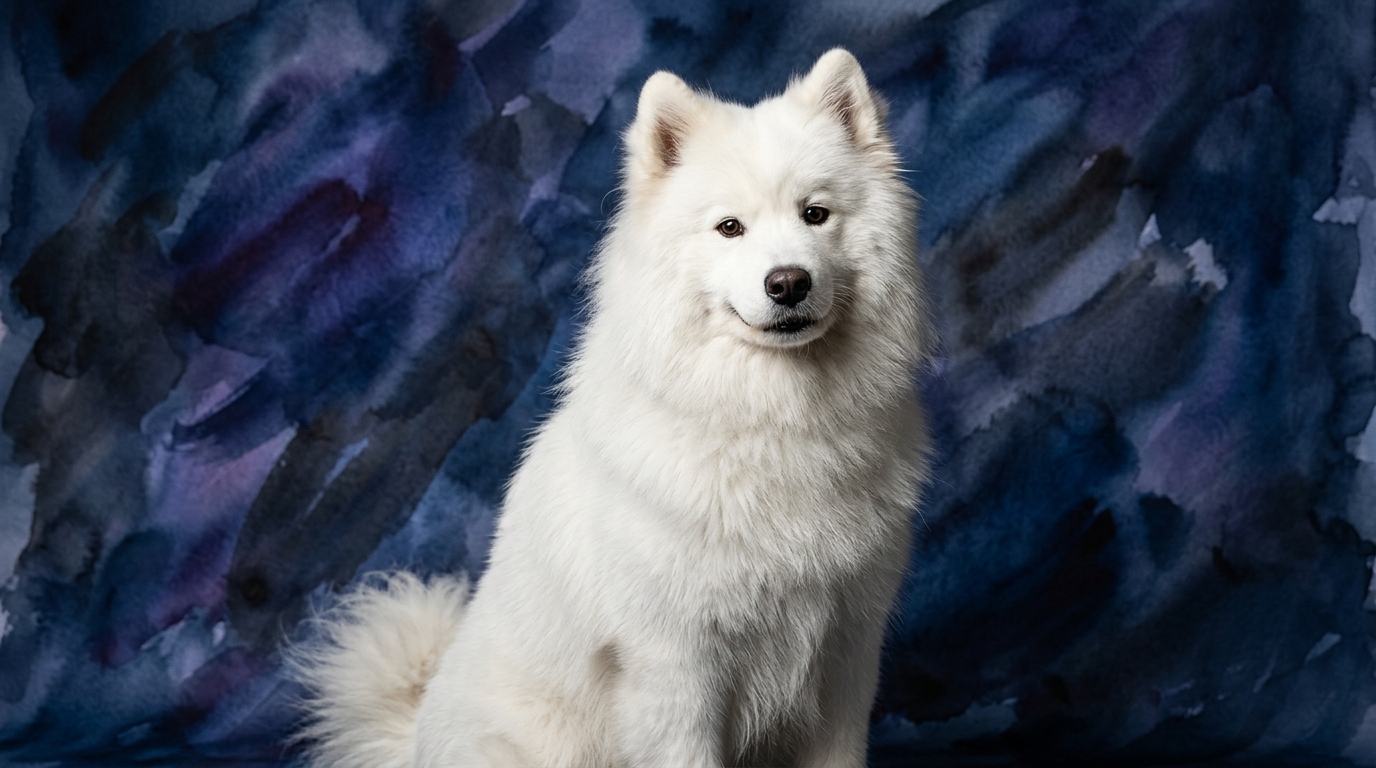
The Samoyed, holding a Coren rank of #33, exhibits a distinct set of cognitive strengths. Their problem-solving score of 3/5 suggests they are capable of navigating challenges but might prefer collaborative approaches or require more structured guidance compared to the Rottweiler's independent problem-solving. Training speed, also at 3/5, indicates they learn at a moderate pace, often benefiting from positive reinforcement and engaging, repetitive sessions. Where the Samoyed truly shines is in social intelligence, scoring a perfect 5/5; they possess an exceptional ability to read human emotions, connect deeply with family members, and thrive on social interaction, making them highly empathetic companions. Their instinctive drive, rated 4/5, reflects their heritage as sled dogs, possessing an enduring stamina and a desire for cooperative work, though perhaps less intense than the Rottweiler's guarding instincts. Memory, at 3/5, implies they retain information, but might need more frequent refreshers or consistent practice to solidify learned behaviors, particularly if not regularly reinforced.
Where the Rottweiler Wins Cognitively
The Rottweiler's cognitive superiority is particularly evident in their profound problem-solving capabilities and exceptional memory. A 5/5 in problem-solving means they are not merely followers of commands but thinkers who can assess situations and devise solutions, whether it's figuring out how to open a gate or understanding the nuances of a complex multi-step task without explicit guidance for each component. This makes them adept at roles requiring independent judgment and strategic thinking. Coupled with a 5/5 memory, Rottweilers retain these learned solutions and behaviors over long durations, building a vast internal library of experiences. This robust memory extends to remembering specific commands, routines, and even the subtle cues of their environment and people, contributing to their unwavering reliability and the depth of their understanding of their world. Their 5/5 instinctive drive further amplifies these traits, providing the inherent motivation to apply their cognitive prowess to purposeful activities, whether it's protecting their home or excelling in obedience and working dog sports. This drive ensures they are not just capable but also eager to engage their formidable mental faculties.
Where the Samoyed Wins Cognitively
The Samoyed's cognitive strengths lie preeminently in their extraordinary social intelligence, where they achieve a perfect 5/5. This dimension signifies an acute awareness and understanding of human emotions, intentions, and social dynamics. Samoyeds are masters at reading the room, often anticipating their owner's moods and responding with appropriate empathy or playful engagement. This high social IQ fosters exceptionally strong, reciprocal bonds with their human families, making them intuitive and sensitive companions. They thrive on interaction and cooperation, often seeking to be involved in family activities and demonstrating a remarkable ability to integrate seamlessly into social structures. While their problem-solving and training speed scores are moderate, their social acumen means they are highly motivated by positive human interaction and praise, often making efforts to please their people. This deep social understanding allows them to navigate complex family environments with grace, making them particularly adept at forming deep, meaningful connections that are central to their well-being and happiness. Their 4/5 instinctive drive, rooted in cooperative sledding work, complements this social intelligence, as they are naturally inclined towards working with their humans rather than independently, finding fulfillment in shared endeavors.
Which is Easier to Train and Why
When evaluating ease of training, the Rottweiler's profile, with a training speed of 4/5 and problem-solving at 5/5, suggests a quicker grasp of new commands and concepts. They possess a remarkable ability to generalize learned behaviors and apply them to novel situations, often requiring fewer repetitions to solidify a skill. Their strong memory (5/5) ensures that once a command is learned, it is retained, reducing the need for constant re-teaching. However, their equally strong instinctive drive (5/5) and independent problem-solving can sometimes manifest as a strong will, meaning owners must establish clear leadership and consistent expectations to channel their cognitive abilities effectively. Without this, their intelligence might be applied to figuring out how to not comply or to pursue their own agendas.
The Samoyed, with a training speed of 3/5, typically requires more repetition and patience during training sessions. Their problem-solving score of 3/5 indicates they might not independently figure out complex tasks as readily as a Rottweiler, often benefiting from more structured guidance and breaking down tasks into smaller steps. However, their perfect 5/5 social intelligence provides a significant advantage: they are intensely motivated by pleasing their human companions and thrive on positive reinforcement and affection. This inherent desire to cooperate can make them very biddable, even if the learning curve is slightly longer. They are less likely to challenge authority through independent thought and more inclined to work with their owner. While their memory (3/5) may mean skills need more consistent reinforcement, their eagerness to engage socially often makes training a joyful, bonding experience, provided the owner maintains an encouraging and consistent approach.
Which Suits Active Owners vs. Relaxed Owners
For the active owner seeking a partner in purpose, the Rottweiler is an exceptional match. Their 5/5 instinctive drive demands consistent mental and physical engagement, thriving on structured activities like advanced obedience, protection work, or competitive dog sports that challenge their problem-solving (5/5) and utilize their formidable memory (5/5). They require an owner who understands the need to provide a “job,” whether it's guarding the home, participating in search and rescue, or excelling in agility. A relaxed owner might find the Rottweiler's intensity and need for purpose overwhelming, potentially leading to boredom-induced behaviors if their cognitive and physical needs are not met. They are not content to be mere couch companions; they seek engagement and a role within their family unit.
The Samoyed, while possessing a 4/5 instinctive drive rooted in sledding, often suits owners who are active in a cooperative and social manner, rather than strictly task-oriented. They thrive on moderate daily exercise that can be shared with their family, such as long walks, hiking, or even recreational carting. Their exceptional 5/5 social intelligence means they are deeply fulfilled by human companionship and participation in family activities, making them ideal for owners who want a dog intimately involved in their daily lives. A relaxed owner might struggle with their need for consistent exercise and social interaction, as Samoyeds can become vocal or destructive if left alone for extended periods or if their social needs are neglected. They are not dogs that can be simply ignored; they require an owner who values their presence and includes them in their routines, even if the “activities” are less intense than those a Rottweiler might demand.
The Verdict
Choose a Rottweiler if you are an experienced owner seeking a highly capable, driven companion for complex tasks, consistent guardianship, and deep, enduring loyalty, and are prepared to provide rigorous training and structured mental and physical challenges.
Choose a Samoyed if you prioritize an exceptionally sociable, empathetic companion, eager for cooperative play and seamless family integration, and are willing to engage consistently in positive, bonding training and provide ample social interaction.
🧠 Find Your Pet's IQ Score
Our Pet IQ Lab assessment covers 25+ tests across 5 cognitive dimensions — personalized to your breed.
Take the Full IQ Test →Frequently Asked Questions
Are Rottweilers good family dogs despite their guarding instincts?
Yes, Rottweilers can be excellent family dogs. Their strong social intelligence (4/5) means they form deep bonds with their immediate family, and their strong instinctive drive for protection, when properly channeled through training and socialization, makes them dedicated guardians. They thrive on being part of the family unit, requiring clear leadership and consistent interaction.
Do Samoyeds require a lot of mental stimulation?
Samoyeds benefit from consistent mental engagement, though perhaps less intensely task-oriented than a Rottweiler. Their high social intelligence (5/5) means they thrive on interactive games and training that involve their human family. Activities that tap into their moderate instinctive drive (4/5), like puzzle toys or cooperative dog sports, are also beneficial.
How do their Coren ranks reflect their trainability?
The Rottweiler's Coren rank of #9 suggests they understand new commands quickly and obey them reliably, reflecting their 4/5 training speed and 5/5 problem-solving. The Samoyed's rank of #33 indicates they generally require more repetitions to learn new commands (3/5 training speed), but their exceptional social intelligence (5/5) means they are often eager to please and respond well to positive, consistent training methods.