Side-by-Side IQ Profile: Rottweiler vs. Siberian Husky
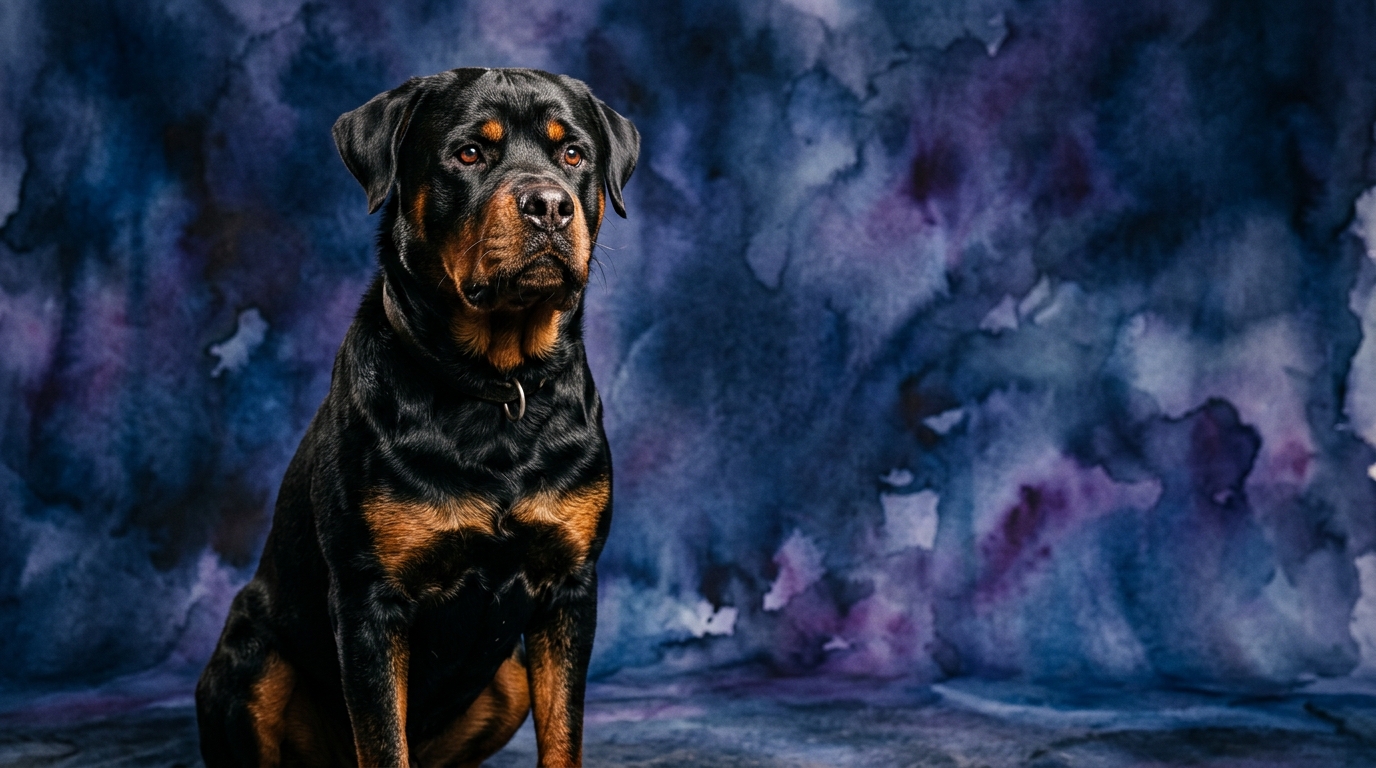
To unravel the cognitive distinctions between these two working breeds, The Cosmic Pet Pet IQ Lab employs a five-dimensional intelligence framework. The Rottweiler, holding a notable Coren rank of #9, exhibits a profile geared towards purposeful work and directed cooperation. Its Problem Solving is rated 5/5, indicating an exceptional capacity to analyze and resolve complex situations, often in alignment with human objectives. Training Speed is 4/5, reflecting a quick grasp of new commands and a desire for structured learning. Social Intelligence stands at 4/5, demonstrating a nuanced understanding of human cues and social dynamics, allowing for effective communication and partnership. An Instinctive Drive of 5/5 underscores their powerful genetic predispositions for guarding and task execution. Finally, a Memory score of 5/5 highlights their superior ability to retain learned behaviors and past experiences, contributing to their reliability.
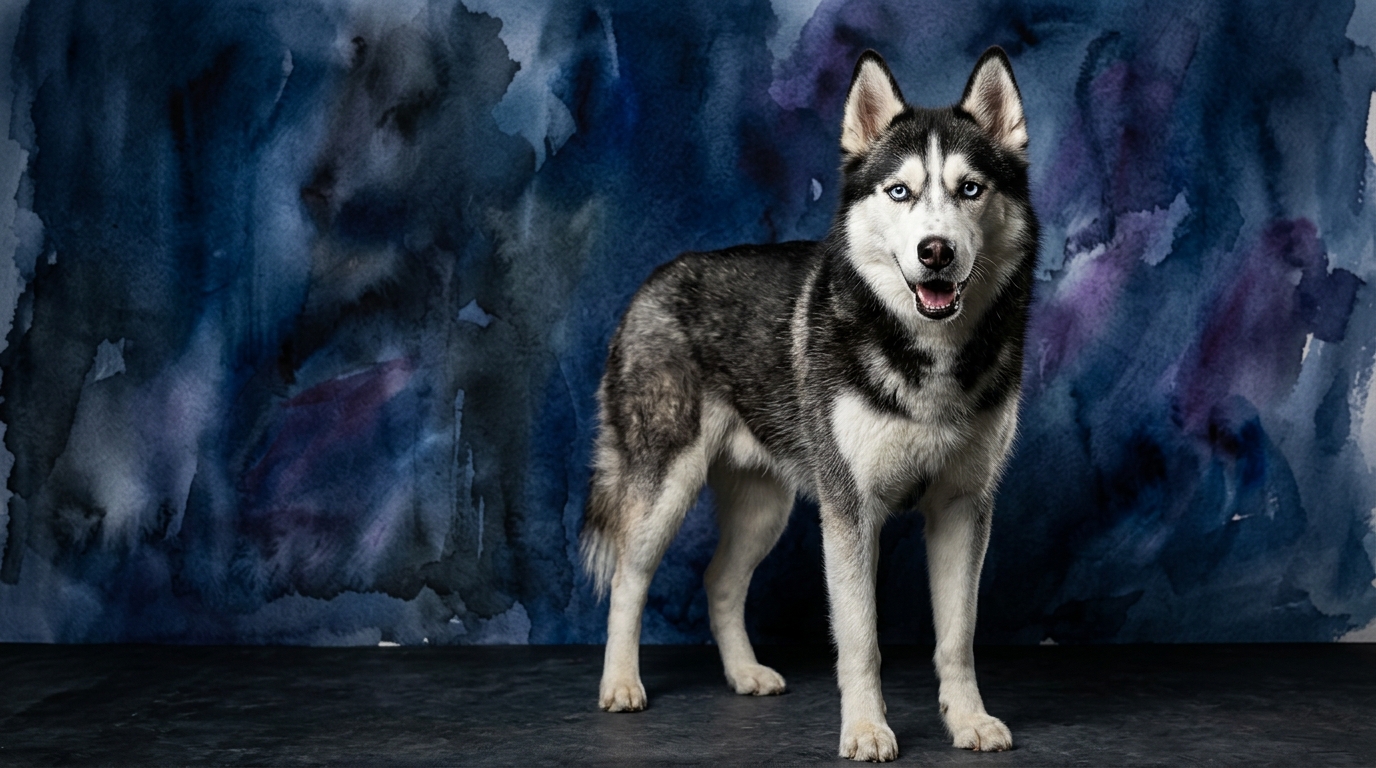
In contrast, the Siberian Husky, with a Coren rank of #45, presents a cognitive makeup optimized for endurance, independence, and environmental navigation. Its Problem Solving is 4/5, showcasing resourcefulness and cunning, often applied to self-serving goals like escape or finding hidden resources. Training Speed is 2/5, suggesting that while capable of learning, they require significantly more repetition and motivation due to their independent streak. Social Intelligence is 3/5, indicating they are adept at canine pack dynamics but can be less attuned to subtle human directives compared to breeds bred for close collaboration. Their Instinctive Drive is 5/5, manifesting as an intense desire for running, pulling, and exploration, deeply embedded in their heritage. Memory is rated 4/5, allowing them to recall routes and experiences effectively, though sometimes selectively when it comes to human commands.
Where the Rottweiler Wins Cognitively
The Rottweiler’s cognitive strengths shine particularly in areas requiring focused attention and a cooperative mindset. Their 5/5 Problem Solving capacity often translates into an aptitude for learning intricate sequences, adapting to novel training challenges, and making sound decisions in a protective role. This contrasts with the Husky's more independent problem-solving approach, which, while effective for survival, might not always align with handler expectations. The Rottweiler's superior Training Speed (4/5 versus the Husky's 2/5) means they absorb new information with fewer repetitions, making them more efficient learners in structured environments. This efficiency is bolstered by their 5/5 Memory, ensuring that once a command or behavior is learned, it is retained consistently over time, fostering reliability and predictability.
Furthermore, the Rottweiler's Social Intelligence of 4/5 gives them a distinct advantage in understanding and responding to human intentions. They are often more attuned to subtle body language and vocal cues, which facilitates a deeper working bond and makes them highly receptive to direction. This cognitive alignment with human goals is a hallmark of their breed, enabling them to excel in roles requiring precision and partnership, from obedience trials to service work.
Where the Siberian Husky Wins Cognitively
While the Rottweiler excels in directed tasks, the Siberian Husky's cognitive profile is uniquely adapted for endurance and independent navigation in challenging environments. Their 4/5 Problem Solving, though slightly lower than the Rottweiler's, is characterized by a remarkable ingenuity for self-preservation and goal achievement, such as escaping enclosures or locating distant resources. This resourcefulness, honed by centuries of working in vast, open terrains, speaks to a different kind of cognitive dexterity – one focused on environmental mastery rather than human-centric obedience.
The Husky's Instinctive Drive, also 5/5, is fundamentally different in its manifestation. It fuels an unparalleled desire to run, pull, and explore, demanding a specific type of cognitive engagement related to stamina, route planning, and pack cohesion during long journeys. Their Memory, rated 4/5, is particularly strong for spatial recall, allowing them to remember complex trails and landmarks, crucial for their traditional sledding roles. This cognitive strength, combined with a social intelligence (3/5) geared towards effective communication within a canine pack, highlights their prowess as independent, yet cooperative, team members in their ancestral work.
Training Dynamics: Which Breed is Easier?
When it comes to ease of training, the Rottweiler generally presents a more straightforward path for handlers. Their 4/5 Training Speed and 5/5 Memory mean they pick up commands quickly and retain them consistently. Rottweilers typically possess a strong desire to please their handler, stemming from their 4/5 Social Intelligence, which makes them highly receptive to positive reinforcement and consistent guidance. Their Instinctive Drive often aligns with working closely with humans, whether in protection, obedience, or other task-oriented activities.
The Siberian Husky, conversely, offers a more substantial training challenge due to their 2/5 Training Speed and independent spirit. While intelligent, their problem-solving skills are frequently applied to their own agenda, and their high Instinctive Drive for running and exploring can easily override a handler's commands, especially off-leash. Training a Husky requires immense patience, creativity, and persistent motivation, often leveraging their love for running and play to make learning engaging. Their 3/5 Social Intelligence, while adequate for pack life, means they may not be as naturally inclined to seek human approval or follow directives with the same eagerness as a Rottweiler.
Suitability for Active vs. Relaxed Owners
The Rottweiler, while possessing a powerful build and strong drives, thrives with owners who can provide consistent mental engagement and structured physical activity. They require regular training sessions, puzzle toys, and purposeful walks to satisfy their cognitive needs and channeled instinctive drives. While they can be calm indoors after adequate stimulation, they are not suited for entirely relaxed owners who cannot commit to their intellectual and physical requirements for a well-balanced temperament.
The Siberian Husky is unequivocally a breed for extremely active owners. Their 5/5 Instinctive Drive for running and pulling demands vigorous daily exercise, often requiring multiple hours of high-intensity activity like running, hiking, or sledding. A relaxed owner will quickly find themselves overwhelmed by a Husky's boundless energy, which, if not properly channeled, can lead to destructive behaviors, escape attempts, and vocalizations. They need an owner who can match their endurance and provide creative outlets for their exploratory nature.
The Verdict: When to Choose Each Breed
The Verdict
Choose a Rottweiler if you seek a highly trainable, devoted companion capable of complex tasks, offering robust protection, and thriving on clear direction and purpose within a family structure.
Opt for a Siberian Husky if you are an experienced, extremely active individual or family prepared for an independent, endurance-oriented canine partner who thrives on vast physical outlets and requires creative engagement to manage their strong drives.
🧠 Find Your Pet's IQ Score
Our Pet IQ Lab assessment covers 25+ tests across 5 cognitive dimensions — personalized to your breed.
Take the Full IQ Test →Frequently Asked Questions
Do Rottweilers require more mental stimulation than Huskies?
Rottweilers often thrive on structured mental tasks, problem-solving games, and consistent obedience training to satisfy their high cognitive drive and memory. Huskies, while resourceful, often channel their mental energy into independent exploration and navigating complex environments rather than human-directed puzzles.
Can a Siberian Husky be trained for protection like a Rottweiler?
While Huskies possess strong instincts, their social intelligence and drive are not typically geared towards human-centric protection work, making them less suited for it than a Rottweiler. A Rottweiler's inherent guarding instincts, combined with their trainability and social attunement, make them far more effective in such roles.
Which breed is better for a first-time dog owner?
A Rottweiler, with proper socialization and training commitment, can be a good fit for a dedicated first-time owner due to their eagerness to please and trainability. A Siberian Husky's independent nature, high energy, and specific training challenges generally make them a more suitable choice for experienced dog owners.