Side-by-Side IQ Profile: German Shepherd vs. Siberian Husky
The Cosmic Pet Pet IQ Lab employs a multi-dimensional approach to assess canine cognition, moving beyond simple obedience to reveal a comprehensive intelligence profile. Here, we delve into five key dimensions for both the German Shepherd and the Siberian Husky.
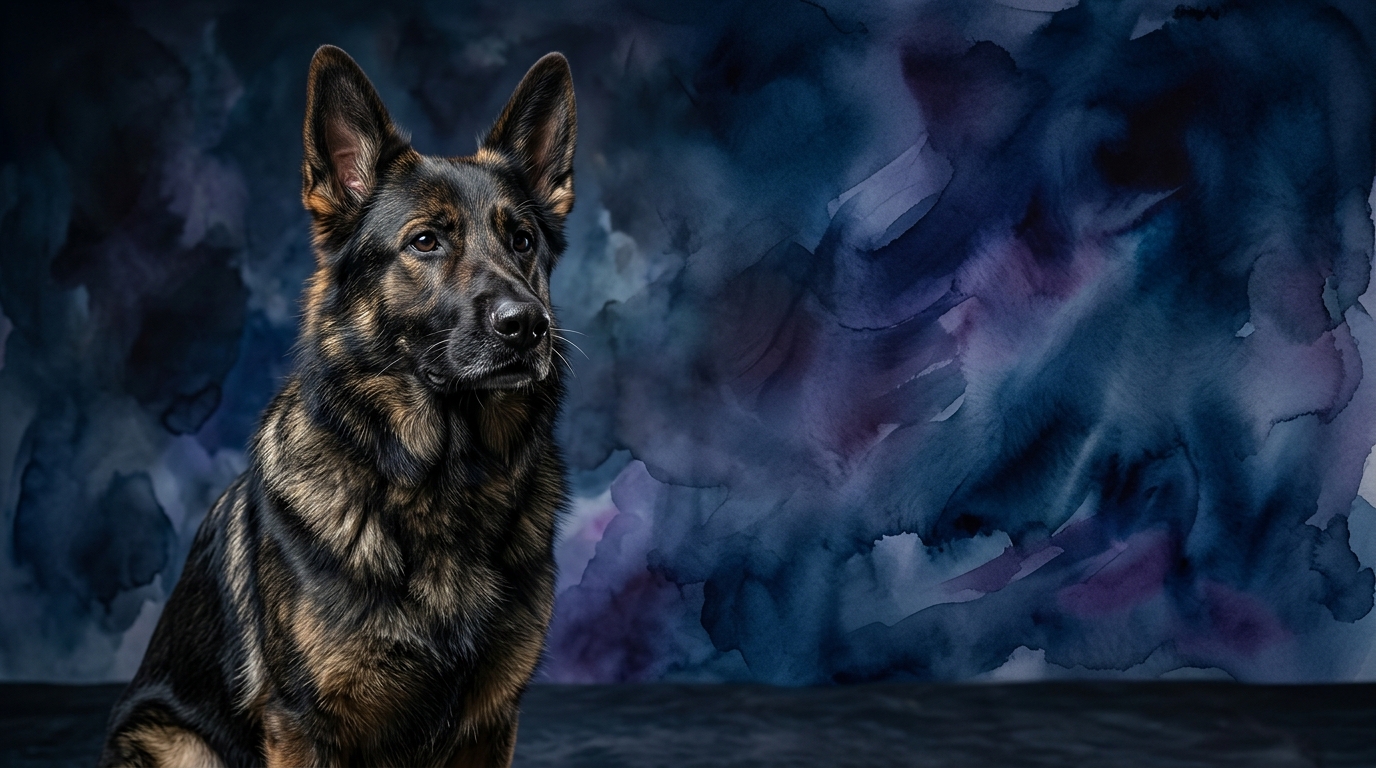
For the German Shepherd, holding a Coren rank of #3, their profile presents a remarkable consistency across all metrics. Problem Solving is rated 5/5, indicating an exceptional ability to analyze situations and devise effective solutions, often anticipating human needs or task requirements. Their Training Speed is 5/5, meaning they grasp new commands and complex sequences with minimal repetition, eager to engage in learning. Social Intelligence also scores 5/5, reflecting a profound understanding of human vocalizations, body language, and emotional states, fostering deep cooperative bonds. Instinctive Drive is a strong 5/5, manifesting as a focused desire for purpose-driven work, whether herding, guarding, or assisting. Finally, their Memory is 5/5, ensuring consistent recall of learned behaviors, routines, and past experiences over long periods.
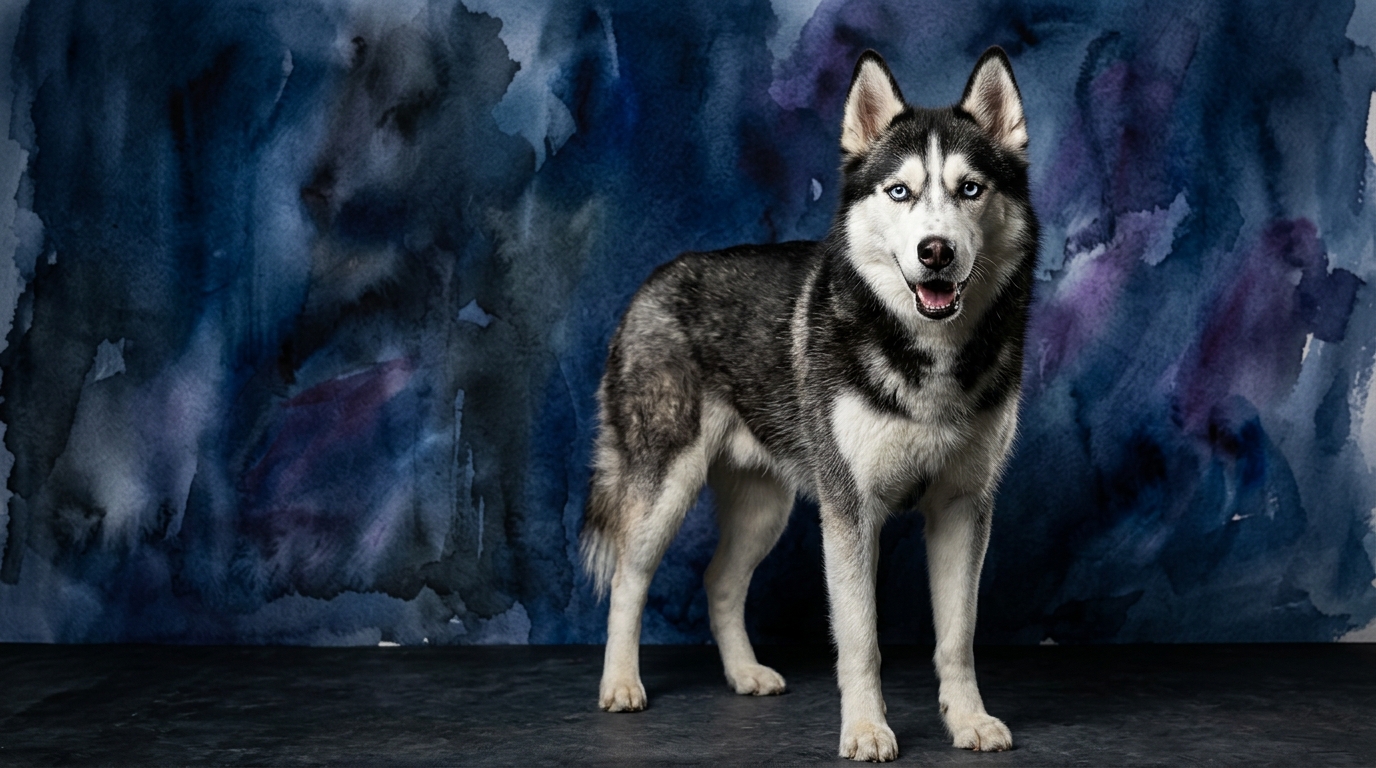
The Siberian Husky, with a Coren rank of #45, displays a distinct set of cognitive strengths tailored to their ancestral role. Their Problem Solving capability is rated 4/5, indicating a strong capacity for independent decision-making, particularly in navigating environments or finding solutions for their own comfort or survival. Training Speed scores 2/5, suggesting a more deliberate and often selective approach to acquiring new commands, frequently requiring consistent, highly motivating reinforcement. Social Intelligence is 3/5, demonstrating an ability to form affectionate bonds but with a more independent interpretation of human directives, sometimes prioritizing their own perceived goals. Instinctive Drive is 5/5, characterized by an immense desire to run, pull, and explore, fueled by a deep-seated instinct for endurance and pack dynamics. Their Memory is 4/5, allowing them to retain knowledge of trails, routines, and social hierarchies, though perhaps with less emphasis on human-specific commands than the German Shepherd.
Where the German Shepherd Excels Cognitively
The German Shepherd's cognitive profile showcases a significant advantage in areas demanding collaborative precision and rapid adaptability. Their 5/5 Problem Solving isn't just about finding solutions; it's about finding solutions that align directly with human objectives. They excel at deciphering complex multi-step tasks, such as navigating an obstacle course with varied commands or tracking intricate scent trails, demonstrating a layered understanding of causality and purpose.
Their superior 5/5 Training Speed allows for quick mastery of an extensive vocabulary of commands, making them exceptionally versatile for service work, police duties, or advanced obedience. This rapid learning is coupled with a 5/5 Memory, enabling them to retain intricate sequences and nuanced instructions over extended periods, meaning less relearning and more consistent performance in specialized roles. Furthermore, their 5/5 Social Intelligence translates to an intuitive grasp of human communication, allowing them to anticipate needs, respond to subtle cues, and form exceptionally deep, working partnerships built on mutual understanding and shared goals. This innate cooperative drive is a hallmark of their cognitive prowess, distinguishing them as highly effective partners in a diverse range of demanding human-led activities.
Unique Cognitive Strengths of the Siberian Husky
While the German Shepherd’s profile highlights collaborative genius, the Siberian Husky’s cognitive strengths are rooted in a different evolutionary path: self-reliance and endurance. Their 5/5 Instinctive Drive is profound, manifesting as an unwavering desire for physical exertion and exploration, combined with a strong sense of independence. This drive fuels their ability to cover vast distances and persist through challenging conditions, relying on their own judgment rather than constant human direction. This strong internal compass is a cognitive asset in environments demanding sustained, autonomous effort.
The Husky's 4/5 Problem Solving, though numerically lower, is often expressed through resourceful, self-directed solutions, such as figuring out how to open gates, navigate complex outdoor terrain, or even strategize energy conservation during long hauls. This isn't problem-solving to please a handler, but to achieve a goal beneficial to themselves or their immediate pack, demonstrating a shrewd, independent thinking process. Their 4/5 Memory supports this by recalling efficient routes, safe havens, and learned behaviors essential for survival and successful travel. These attributes combine to create a canine mind adept at navigating the world on its own terms, making decisions that maximize efficiency and personal well-being, even if it means occasional 'selective hearing' when a human command conflicts with their deeply ingrained self-preservation or exploratory impulses.
Ease of Training: German Shepherd vs. Siberian Husky
When considering ease of training, the German Shepherd holds a distinct advantage due to its innate desire for cooperation and its exceptional cognitive toolkit. Their 5/5 Training Speed means they absorb new commands with impressive quickness, often picking up complex tasks within a few repetitions. This is complemented by their 5/5 Social Intelligence, which allows them to keenly interpret human intentions and cues, fostering a strong desire to engage and please their handler. They thrive on structured learning environments and quickly understand the 'why' behind a command, leading to highly reliable and precise responses.
The Siberian Husky, with a 2/5 Training Speed, presents a different challenge. While certainly capable of learning, their independent nature and strong self-will mean they often require more patience, creativity, and highly motivating rewards. A Husky’s cognitive process frequently involves assessing the value of a command relative to their own immediate desires, rather than simply complying out of a desire to please. This can be misinterpreted as stubbornness; it is, however, a manifestation of their strong independent Problem Solving (4/5) and Instinctive Drive (5/5). They often learn best through positive reinforcement that makes the training process engaging and personally rewarding, and consistent, clear communication is paramount to overcoming their tendency for selective attention.
Family Pet Suitability: Active Owners vs. Relaxed Owners
For highly active owners seeking a true partner in adventure, both breeds offer robust companionship, but with different engagement styles. An active owner will find the German Shepherd an eager participant in structured activities like hiking, agility, or obedience sports, thriving on mental and physical challenges and the opportunity to work closely with their human. Their 5/5 Social Intelligence makes them deeply bonded and responsive companions in various family settings, capable of discerning household routines and family dynamics.
Siberian Huskies are also ideal for active owners, particularly those who embrace endurance activities like running, biking, or skijoring. Their unparalleled 5/5 Instinctive Drive for sustained physical output requires owners to provide consistent, vigorous exercise, ideally for several hours daily. Their independent Problem Solving (4/5) means they appreciate opportunities to explore and make decisions within safe boundaries. However, neither breed is well-suited for genuinely relaxed owners. German Shepherds require significant mental stimulation and purposeful engagement beyond basic walks, and without it, their problem-solving and drive can be redirected into unwanted behaviors. Huskies, without sufficient physical outlets, will famously channel their boundless energy and independent nature into destructive behaviors or escape artistry, making them poor fits for sedentary lifestyles.
The Verdict
Choose a German Shepherd if you seek a highly cooperative, adaptable, and profoundly trainable companion eager for purposeful work and deep, responsive partnership.
Opt for a Siberian Husky if you are an immensely active individual seeking an independent, robust, high-energy partner for endurance activities, who appreciates a dog with strong self-will and a unique problem-solving approach.
🧠 Find Your Pet's IQ Score
Our Pet IQ Lab assessment covers 25+ tests across 5 cognitive dimensions — personalized to your breed.
Take the Full IQ Test →Frequently Asked Questions
Do Siberian Huskies understand commands as well as German Shepherds?
Siberian Huskies can understand commands, but their lower Training Speed (2/5) and independent Social Intelligence (3/5) mean they often require more repetition and motivation to consistently comply than German Shepherds. They tend to evaluate commands based on their own perceived utility or immediate desire.
Which breed is better for a first-time dog owner?
Generally, the German Shepherd is more manageable for a first-time owner due to their high Training Speed (5/5), eagerness to please, and strong Social Intelligence (5/5), making them highly responsive to guidance. Siberian Huskies, with their independence and intense exercise needs, can be more challenging for those new to dog ownership.
Does a high Instinctive Drive mean a dog is hard to live with?
A high Instinctive Drive (5/5 for both) means the dog has strong innate motivations that need appropriate outlets, not that they are inherently difficult. For German Shepherds, this drive can be channeled into training and tasks; for Huskies, it manifests as a powerful need for sustained physical activity and independent exploration. Without proper engagement, any strong drive can become problematic.