Side-by-Side IQ Profile: Deconstructing Canine Cognition
At The Cosmic Pet Pet IQ Lab, we evaluate canine intelligence across five critical dimensions: problem-solving, training speed, social intelligence, instinctive drive, and memory. This framework allows us to move beyond anecdotal observations, offering a structured look into how different breeds process information, learn, and interact with their environment. Understanding these profiles helps prospective owners align a dog's inherent cognitive strengths with their lifestyle and expectations.
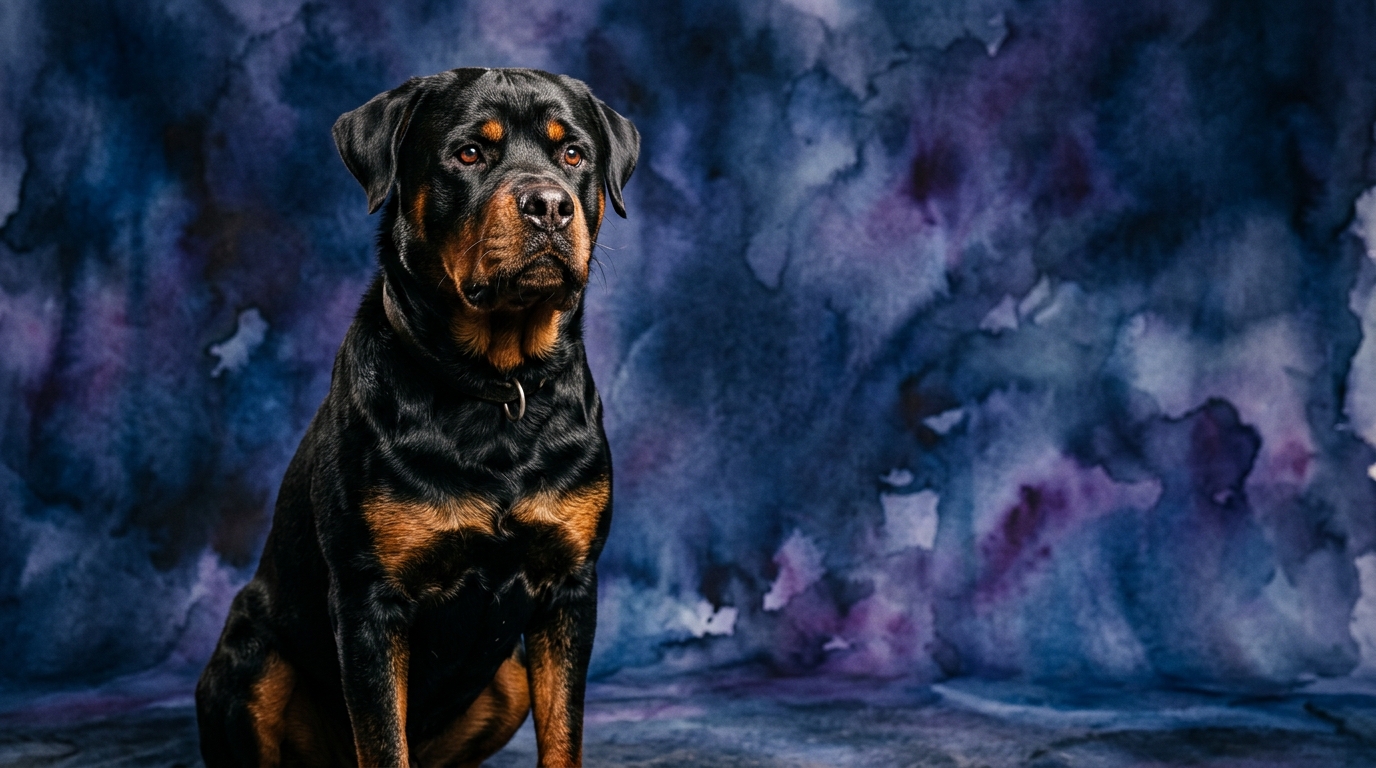
The Rottweiler, ranked #9 by Coren, presents a robust intellectual profile: problem-solving 5/5, training speed 4/5, social intelligence 4/5, instinctive drive 5/5, and memory 5/5. This breed exhibits a profound capacity for understanding complex situations and executing multi-step tasks. Their learning curve is strong, their social awareness within their pack is significant, and their natural drives are exceptionally powerful, all underpinned by an outstanding ability to retain information over time.
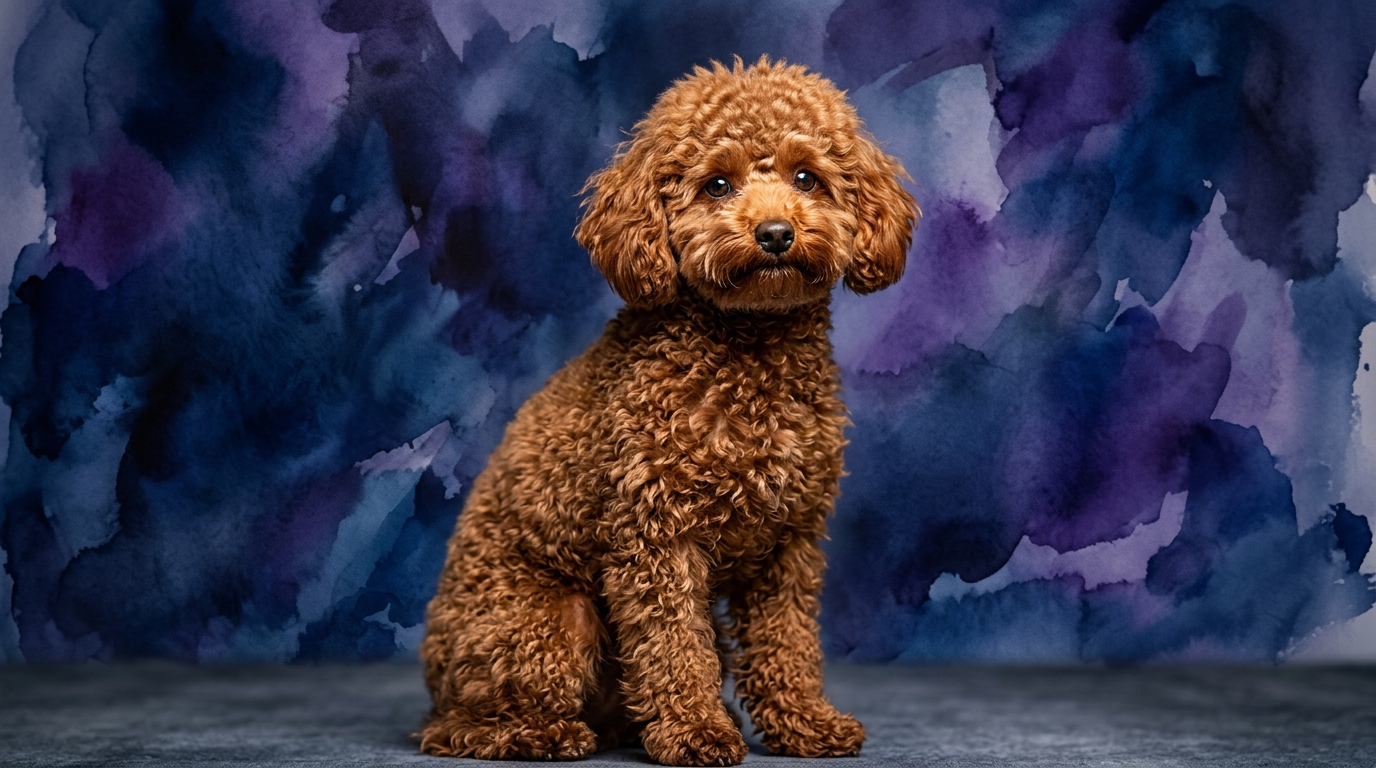
In contrast, the Toy Poodle, holding a distinguished Coren rank of #2, showcases a different yet equally impressive cognitive makeup: problem-solving 5/5, training speed 5/5, social intelligence 3/5, instinctive drive 3/5, and memory 5/5. This breed matches the Rottweiler in problem-solving and memory, but truly distinguishes itself with an unparalleled training speed. Their social intelligence and instinctive drives, while present, are comparatively moderated, leading to a unique set of cognitive strengths focused on rapid learning and adaptability rather than intense guarding or working roles.
Where the Rottweiler Excels Cognitively
The Rottweiler's cognitive strengths are deeply rooted in its heritage as a working and guarding breed. Their 5/5 instinctive drive is a standout feature, translating into an innate desire for purpose and a natural inclination towards protective behaviors. This drive means Rottweilers are not merely capable of learning tasks; they often seek them out, thriving when given responsibilities like guarding property, herding, or participating in advanced obedience. Their problem-solving at 5/5 means they can analyze complex environmental cues and react appropriately, whether it's navigating an obstacle course or assessing a potential threat.
Furthermore, the Rottweiler's 4/5 social intelligence, combined with a perfect 5/5 memory, creates a highly loyal and discerning companion. They form deep bonds with their primary caregivers, reading subtle shifts in human body language and tone within their trusted circle. This social acumen, while not as broadly applied as some breeds, is intensely focused on their family unit, enabling them to remember past interactions and apply lessons consistently. Their memory ensures that once a behavior or command is learned, it is retained with remarkable permanence, making them reliable partners in sustained endeavors.
Where the Toy Poodle Shines Cognitively
The Toy Poodle's cognitive brilliance is most evident in its extraordinary training speed, scoring a perfect 5/5. This breed grasps new concepts and commands with astonishing rapidity, often requiring only a handful of repetitions to solidify a behavior. This quick uptake makes them exceptionally versatile in disciplines like obedience, agility, and trick training, where the ability to learn and adapt quickly is paramount. Their 5/5 problem-solving complements this, allowing them to figure out novel puzzles, navigate complex sequences, and even devise their own solutions to get what they want, often with a mischievous flair.
While their instinctive drive (3/5) and social intelligence (3/5) are lower than the Rottweiler's, this difference isn't a deficit but rather a re-prioritization of cognitive resources. Their focus is less on inherent guarding or intense physical work and more on interactive engagement and mental gymnastics. Their perfect 5/5 memory ensures that all the tricks and commands they learn so quickly are stored for the long term. This combination makes them highly adaptable pets, capable of excelling in diverse environments and forming strong, interactive bonds through shared learning experiences.
Ease of Training: A Comparative Analysis
When it comes to the sheer speed of acquiring new behaviors, the Toy Poodle (5/5 training speed) holds a distinct advantage over the Rottweiler (4/5 training speed). A Toy Poodle will typically master a new command or trick in fewer repetitions, making training sessions feel incredibly rewarding and progress rapid. Their lower instinctive drive (3/5) means they are generally less predisposed to independent decision-making based on primal urges, which can simplify the foundational stages of obedience training as there are fewer deeply ingrained behaviors to redirect or manage.
The Rottweiler, while still a rapid learner at 4/5 training speed, requires a different approach due to its powerful 5/5 instinctive drive and 4/5 social intelligence. Their training is often more about channeling their natural protective instincts and desire for purpose into acceptable behaviors, rather than merely teaching a trick. This necessitates a confident, consistent trainer who can establish clear boundaries and provide engaging work that satisfies their cognitive and physical needs. While they learn quickly, the depth of their drive means impulse control and socialized behavior might require more dedicated, consistent effort to shape compared to the inherently more compliant Toy Poodle.
Matching Breeds to Lifestyles: Active vs. Relaxed Owners
Owners with an active, structured lifestyle who appreciate a dog that thrives on purpose and partnership will find an exceptional match in the Rottweiler. Their high instinctive drive (5/5) means they require consistent mental and physical engagement, whether through protection sports, advanced obedience, or regular, challenging activities. They are at their best when given a job to do, benefiting from owners who can provide clear leadership and channel their problem-solving (5/5) and memory (5/5) into productive endeavors. This breed is not content with merely lounging; they need to exercise their powerful minds and bodies.
The Toy Poodle, with its superior training speed (5/5) and problem-solving (5/5), offers versatility suitable for a wider range of owners, including those who may not lead an intensely active outdoor lifestyle but can provide ample mental stimulation. They excel in trick training, dog sports like agility, and can be fantastic therapy dogs due to their adaptability and eagerness to learn. While they appreciate walks and playtime, their lower instinctive drive (3/5) means they are generally less demanding of intense physical exertion and more content with interactive games and learning sessions within the home environment. They are superb companions for owners who enjoy teaching new things and engaging in creative play.
The Verdict: When to Choose Each Breed
The Verdict
For owners seeking a steadfast guardian and working partner who thrives on purpose-driven tasks and requires consistent, confident leadership, the Rottweiler is an exceptional choice.
If your lifestyle calls for a highly adaptable, quick-witted companion eager to learn a vast array of commands and tricks, the Toy Poodle offers unparalleled mental agility in a smaller package.
🧠 Find Your Pet's IQ Score
Our Pet IQ Lab assessment covers 25+ tests across 5 cognitive dimensions — personalized to your breed.
Take the Full IQ Test →Frequently Asked Questions
Does the Toy Poodle's smaller size impact its cognitive abilities compared to larger breeds?
No, a dog's physical size does not directly correlate with its cognitive capacity; the Toy Poodle's high scores in problem-solving and training speed demonstrate that mental prowess is independent of stature. Their compact form belies a sharp, active mind capable of complex learning.
How does the Rottweiler's high instinctive drive manifest in its daily life?
The Rottweiler's strong instinctive drive often appears as a natural inclination towards guarding, territoriality, and a desire for meaningful work, requiring consistent mental and physical engagement. This drive, if not properly channeled, can lead to frustration or unwanted behaviors, underscoring the need for structured training and purpose.
Which breed is better for a first-time dog owner?
Given the Toy Poodle's exceptional training speed and generally lower instinctive drive, they often present a more manageable learning curve for first-time owners keen on positive reinforcement. The Rottweiler, with its powerful build and strong working drives, typically benefits from an owner experienced in confident leadership and consistent training.