
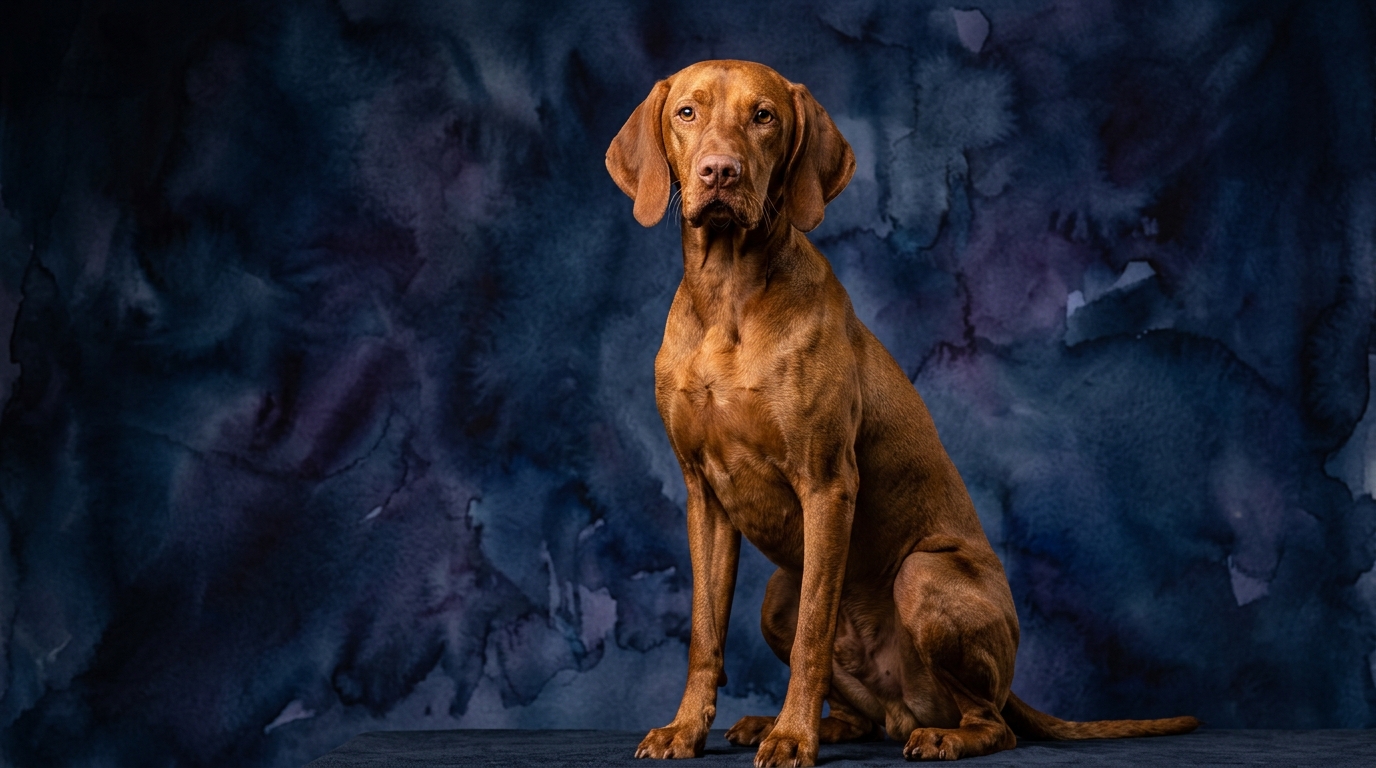
Side-by-Side Cognitive Profiles
The Cosmic Pet Pet IQ Lab provides a unique lens through which to examine the distinct mental architectures of dog breeds. For the Rottweiler, a formidable Working Group dog with a Coren rank of #9, its cognitive profile is marked by exceptional Problem Solving (5/5). This indicates a profound capacity for navigating intricate situations, devising solutions to novel challenges, and adapting strategies on the fly. Their Training Speed is rated 4/5, suggesting a quick grasp of commands and routines, though this learning is often paired with a need for clear purpose. Social Intelligence stands at 4/5, reflecting a deep connection with their inner circle and an ability to interpret familiar human cues, yet often displaying a reserved demeanor towards strangers. A commanding Instinctive Drive of 5/5 underscores their inherent motivation for work, protection, and purpose-driven tasks. Finally, their Memory is top-tier at 5/5, allowing them to retain complex sequences, past experiences, and learned behaviors with remarkable fidelity over extended periods.
In contrast, the Vizsla, a vibrant Sporting Group dog ranking #31 in Coren's hierarchy, presents a distinct cognitive blueprint. Their Problem Solving is strong at 4/5, enabling them to excel in task-oriented puzzles and challenges that align with their active nature, albeit with less emphasis on abstract strategy compared to the Rottweiler. Training Speed matches the Rottweiler at 4/5, highlighting their eagerness and quick uptake of new instructions, particularly when motivated by positive interaction. Where the Vizsla truly shines is in Social Intelligence, scoring a perfect 5/5. This reflects an extraordinary attunement to human emotions, a profound desire for companionship, and an intuitive understanding of subtle social cues. Like the Rottweiler, their Instinctive Drive is 5/5, manifesting as an intense passion for hunting, retrieving, and tireless activity. Their Memory is rated 4/5, indicating a solid ability to recall commands and experiences, supporting their consistent performance in field work and daily routines.
Where the Rottweiler Excels Cognitively
The Rottweiler's cognitive superiority becomes evident in areas demanding profound mental processing and retention. Their Problem Solving score of 5/5, a point higher than the Vizsla, means they are better equipped to tackle multifaceted problems, such as navigating complex obedience courses with unexpected obstacles, performing intricate protection scenarios that require strategic thinking, or even figuring out how to manipulate latches or barriers to achieve a goal. This isn't just about brute force; it's about analytical thought and adaptive execution. Furthermore, the Rottweiler’s perfect 5/5 Memory score gives them a distinct advantage. They are adept at storing vast amounts of information, from a wide array of commands and their associated contexts to the faces of many individuals and the details of past experiences. This superior recall means that once a Rottweiler learns a task or a rule, it is deeply ingrained, leading to exceptional consistency and reliability in their performance, even after long periods without practice. This cognitive depth allows them to make independent decisions grounded in extensive learned knowledge, a critical trait for their traditional working roles.
Where the Vizsla Shines Cognitively
The Vizsla's undeniable cognitive strength lies in their exceptional Social Intelligence, where they achieve a perfect 5/5, surpassing the Rottweiler by a full point. This isn't merely about being friendly; it reflects an unparalleled capacity for emotional attunement and synchronous interaction with their human companions. A Vizsla can often predict an owner's intentions or moods based on subtle shifts in body language or tone, fostering a relationship built on deep mutual understanding. This profound social awareness translates into a dog that is incredibly responsive, eager to please, and intrinsically motivated by the desire to connect and cooperate. They thrive on being an integral part of their family's daily life, constantly seeking engagement and interpreting human activity as an invitation to participate. This heightened social acumen makes them exceptionally sensitive partners, capable of nuanced communication and forming bonds that feel almost telepathic to their devoted owners.
Training Aptitude: Which is 'Easier'?
When assessing ease of training, both breeds share a commendable Training Speed of 4/5, indicating a general aptitude for learning new commands quickly. However, the approach to training and the perceived ease can differ significantly due to their other cognitive traits. The Vizsla, with its superior Social Intelligence (5/5) and strong desire for companionship, often presents as easier to train for many owners. Their inherent eagerness to please and deep emotional connection to their handler means they are highly motivated by positive reinforcement, praise, and the opportunity to work closely alongside their person. They are sensitive dogs who respond best to gentle, consistent methods, thriving in environments where training is a shared, joyful activity. Their strong instinctive drive (5/5) for hunting and retrieving can be readily channeled into structured tasks, making them enthusiastic participants in activities like agility, scent work, or advanced obedience, where the focus is on partnership.
The Rottweiler, while equally capable of learning quickly (4/5) and possessing a perfect Memory (5/5), often requires a more confident and structured training approach. Their robust Instinctive Drive (5/5) leans towards protective and working roles, and their slightly more reserved Social Intelligence (4/5) means they might not always be as overtly eager to please as a Vizsla. Rottweilers thrive under clear, consistent leadership that provides purpose and challenges their profound problem-solving abilities. They learn rapidly and retain information for life, but their independent nature means they might test boundaries or require more intrinsic motivation beyond just pleasing their owner. Training a Rottweiler is immensely rewarding, but it demands a handler who understands their strong will and channels it effectively, turning their formidable intellect into focused cooperation rather than potential stubbornness.
Matching Breeds to Owner Lifestyles
Neither the Rottweiler nor the Vizsla are suitable companions for truly relaxed owners, as both breeds possess a perfect 5/5 Instinctive Drive that demands substantial physical and mental exertion. However, the type of activity they thrive on differs.
The Rottweiler is best suited for active owners who appreciate structured, purposeful engagement. Their powerful build and cognitive strengths align well with activities like advanced obedience, protection sports, weight pulling, or even search and rescue. They require a job that challenges their superior problem-solving and memory, thriving on complex tasks that demand focus and strategic thought. Owners who enjoy consistent training sessions, long walks or hikes, and providing a clear purpose for their dog's energy will find a loyal and dedicated partner in a Rottweiler. Their exercise needs are significant but often tied to specific tasks or routines rather than boundless, undirected running.
The Vizsla, conversely, is an ideal match for owners with an exceptionally active, endurance-oriented lifestyle. Their 5/5 Instinctive Drive manifests as an insatiable need for movement, speed, and exploration. They excel in activities such as long-distance running, extensive hiking, field trials, dock diving, or any sport that allows them to burn off their boundless energy and utilize their keen senses. Vizslas prefer to be constantly engaged with their human companions, making them perfect for owners who want a running or hiking buddy always by their side. They are less about structured 'jobs' and more about continuous, high-energy partnership in outdoor pursuits. A Vizsla will not be content with a short walk around the block; they demand significant, vigorous exercise daily to maintain their physical and mental well-being.
The Verdict
Choose the Rottweiler if you seek a steadfast, strategic companion capable of complex problem-solving and deep loyalty, thriving on purposeful work and requiring a confident, consistent leader.
Opt for the Vizsla if you desire an incredibly social, highly energetic partner for active outdoor pursuits, valuing a sensitive, deeply connected canine eager to share every adventure.
🧠 Find Your Pet's IQ Score
Our Pet IQ Lab assessment covers 25+ tests across 5 cognitive dimensions — personalized to your breed.
Take the Full IQ Test →Frequently Asked Questions
Do Rottweilers require more mental stimulation than Vizslas?
While both breeds possess strong instinctive drives, the Rottweiler's superior problem-solving and memory suggest a greater capacity for complex mental challenges. They thrive on tasks that require strategic thinking and independent decision-making, in addition to physical exercise.
How does social intelligence impact training for these breeds?
The Vizsla's exceptional social intelligence means they are highly attuned to human emotions and eager to please, often making them very responsive to positive reinforcement and connection-based training. Rottweilers, with strong bonds but a more reserved social profile, respond best to clear, consistent leadership and purpose-driven training that respects their independent nature.
Can a Vizsla be a good protection dog like a Rottweiler?
While Vizslas are alert and protective of their families, their primary instinctive drive is geared towards hunting and companionship, not guarding. Rottweilers, with their powerful build and innate guarding instincts, are naturally predisposed to protection roles and possess the cognitive problem-solving skills to excel in such demanding tasks.