Side-by-Side IQ Profile: German Shepherd vs. Vizsla
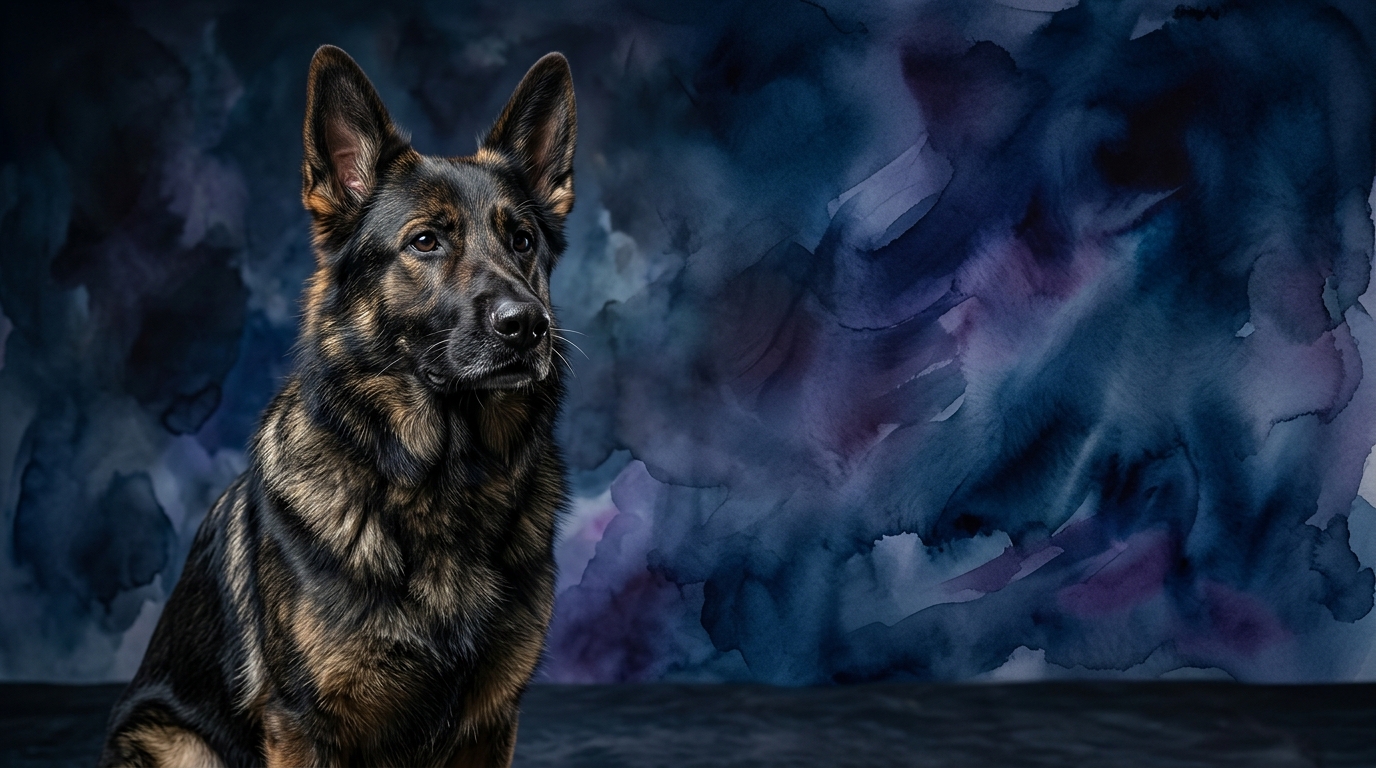
The Cosmic Pet Pet IQ Lab employs a multi-dimensional approach to canine intelligence, assessing five critical areas to provide a nuanced understanding of each breed's cognitive strengths. For the German Shepherd, ranked #3 by Coren, its profile is characterized by top marks across the board: Problem Solving 5/5, Training Speed 5/5, Social Intelligence 5/5, Instinctive Drive 5/5, and Memory 5/5. This perfect score reflects a breed engineered for demanding, complex roles requiring both mental agility and unwavering focus.
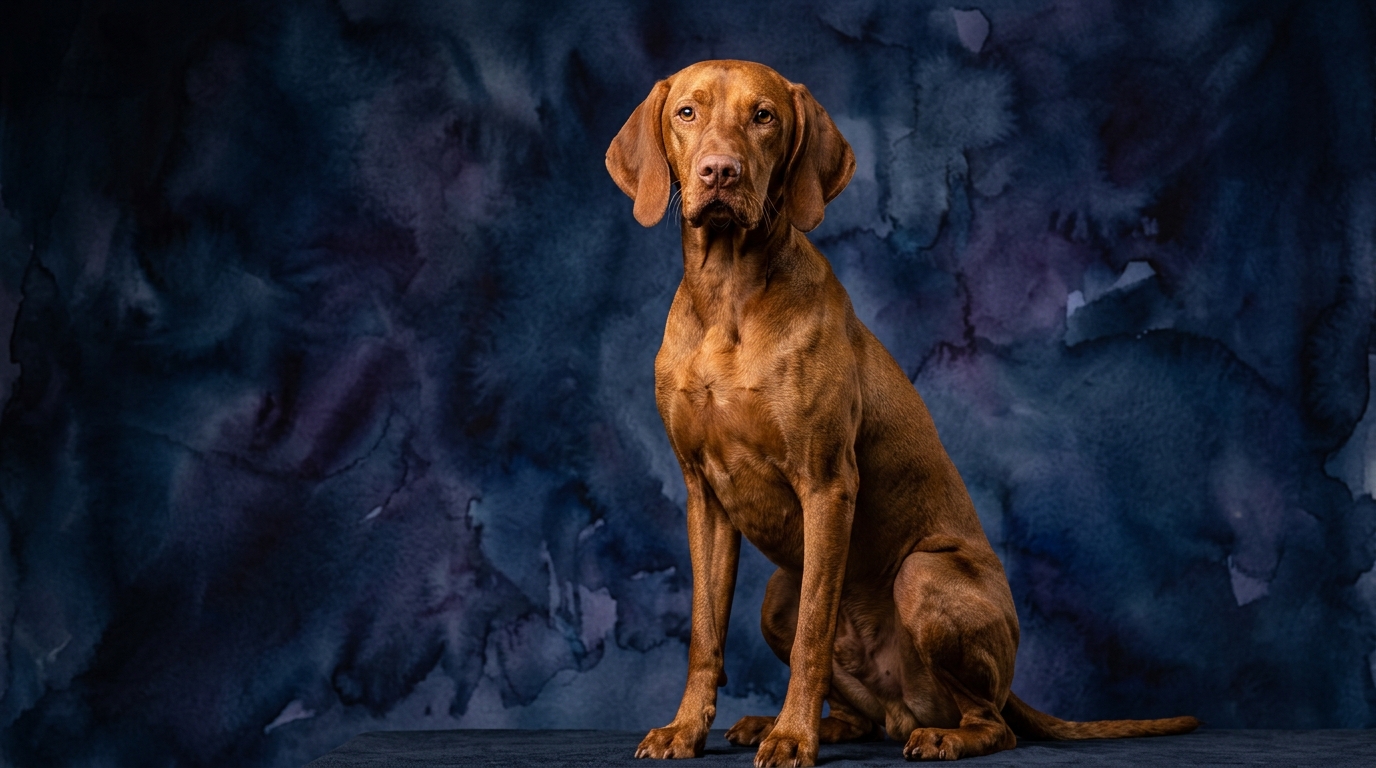
In contrast, the Vizsla, holding a Coren rank of #31, presents a slightly different yet equally compelling cognitive signature. Its ratings include Problem Solving 4/5, Training Speed 4/5, Social Intelligence 5/5, Instinctive Drive 5/5, and Memory 4/5. While not achieving the German Shepherd's universal 5/5, the Vizsla's profile highlights exceptional social attunement and powerful innate drives, alongside strong capabilities in other cognitive domains. Understanding these individual scores is key to appreciating their distinct intellectual makeup.
Where the German Shepherd Excels Cognitively
The German Shepherd's cognitive prowess is particularly evident in its superior Problem Solving ability (5/5). This breed consistently demonstrates an exceptional capacity for analytical thinking, enabling them to understand and navigate complex scenarios, from intricate obedience routines to real-world tasks like search and rescue or protection work. They don't just follow commands; they often grasp the underlying objective, adapting their approach when faced with unexpected obstacles, a trait critical for independent decision-making in high-stakes environments. Their mental flexibility allows them to process new information rapidly and apply learned principles to novel situations with remarkable consistency.
Complementing their problem-solving skills is their unmatched Training Speed (5/5). German Shepherds typically acquire new commands and behaviors with astonishing rapidity, often requiring fewer repetitions than many other breeds. This quick uptake is coupled with a robust Memory (5/5), allowing them to retain vast repertoires of commands, routines, and experiences over extended periods. This combination means they not only learn fast but remember what they've learned with enduring reliability, making them exceptionally dependable partners for advanced training and specialized tasks. Their Instinctive Drive (5/5) is channelled towards purpose-driven work, providing the intrinsic motivation to engage deeply with training and task completion, often showing an insatiable desire to understand and execute their handler's intentions with precision. This drive, combined with their cognitive strengths, positions them as unparalleled working dogs.
Where the Vizsla Shines Cognitively
The Vizsla's cognitive strengths, while different from the German Shepherd's, are equally profound, particularly in the realms of Social Intelligence (5/5) and Instinctive Drive (5/5). Their social intelligence is characterized by an extraordinary emotional sensitivity and a deep, almost symbiotic, bond with their human companions. Often described as 'velcro dogs,' Vizslas possess an acute ability to read human emotions, intentions, and subtle cues, making them incredibly intuitive and responsive partners. This isn't just about understanding commands; it's about a profound attunement to their handler's presence and mood, fostering a partnership built on mutual understanding and affection. This makes them highly cooperative and eager to please, thriving on close interaction and positive reinforcement.
Their Instinctive Drive (5/5) is a powerful engine tailored for their sporting heritage. Vizslas exhibit an intense, unwavering focus on scent work, pointing, and retrieving, embodying the quintessential bird dog. This drive is not merely about energy; it's a finely tuned cognitive mechanism that allows them to process environmental stimuli related to prey with exceptional efficiency and sustained concentration. While their Problem Solving (4/5) and Memory (4/5) are strong, they are often directed towards practical, field-specific challenges, such as tracking a bird through complex terrain or remembering the precise location of a downed retrieve. Their training speed (4/5) is also commendable, fueled by their eagerness to work collaboratively with their owner, making them highly trainable for their intended roles, particularly when training leverages their innate drives and desire for connection.
Training Ease: German Shepherd vs. Vizsla
When evaluating ease of training, the German Shepherd's perfect 5/5 in Training Speed and Problem Solving provides a distinct advantage for owners seeking to teach complex, multi-stage commands or specialized skills. They absorb new information rapidly, generalize learned behaviors across different environments, and possess the cognitive capacity to understand abstract concepts within training. This means a German Shepherd can progress quickly through advanced obedience, protection work, or intricate service dog tasks, often showing an innate understanding of the 'why' behind an action, not just the 'how.' Their robust memory ensures that once learned, behaviors are reliably retained, contributing to a consistent and dependable working partnership.
The Vizsla, with a 4/5 in Training Speed, is still a highly trainable breed, largely due to its exceptional Social Intelligence (5/5) and strong desire to please. They respond very well to positive reinforcement and relationship-based training, eager to engage and work alongside their owner. However, their sensitivity means that harsh methods can be counterproductive, potentially leading to anxiety or shutdown. While they pick up commands efficiently, they might not grasp novel, abstract problems with the same instantaneous analytical depth as a German Shepherd. Their high instinctive drive, while excellent for field work, also means that training requires consistent channeling of their energy and focus, particularly in distracting environments. For a first-time owner, the Vizsla’s need for constant companionship and careful handling of their sensitive nature might present a different set of challenges compared to the German Shepherd’s demand for structured, high-level mental engagement and clear leadership.
Suitability for Active vs. Different Types of Active Owners
Neither the German Shepherd nor the Vizsla is suited for a truly 'relaxed' owner, as both breeds possess significant energy levels and require substantial engagement. However, their ideal owner profiles diverge based on the *type* of activity and interaction they thrive on. The German Shepherd is an ideal match for an owner who enjoys structured activities, has a clear understanding of canine behavior, and is prepared to provide consistent, challenging mental and physical stimulation. This includes advanced obedience, protection sports, agility, tracking, or real-world working roles. Owners who appreciate a dog that thrives on purpose and complex learning will find the German Shepherd an unparalleled partner, but be aware that their deep cognitive needs mean boredom can quickly lead to undesirable behaviors.
The Vizsla, while equally active, is best suited for owners who prioritize constant companionship and vigorous outdoor activities. They are excellent for runners, hikers, and those who enjoy field sports, as their instinctive drive and endurance are perfectly aligned with these pursuits. Their intense social intelligence means they yearn for constant physical proximity and interaction, making them ideal for individuals or families where the dog is an integrated, active member of daily life. Owners who appreciate a sensitive, affectionate 'velcro dog' and can provide ample opportunities for physical exertion and close bonding will find the Vizsla to be a joyful and devoted companion. Their energy is less about complex problem-solving for its own sake and more about sustained, vigorous physical engagement alongside their beloved human.
The Verdict
Choose the German Shepherd if you seek a highly versatile working partner capable of mastering complex tasks, thrive on structured training, and desire a canine companion with exceptional analytical problem-solving abilities and unwavering reliability.
Opt for the Vizsla if you prioritize an intensely bonded, affectionate companion for active outdoor pursuits, valuing a dog with profound emotional intelligence and an insatiable sporting drive that thrives on constant physical presence and collaborative adventure.
🧠 Find Your Pet's IQ Score
Our Pet IQ Lab assessment covers 25+ tests across 5 cognitive dimensions — personalized to your breed.
Take the Full IQ Test →Frequently Asked Questions
Are German Shepherds better for first-time dog owners?
Neither breed is typically recommended for inexperienced owners without significant commitment. German Shepherds require consistent, firm, and knowledgeable leadership to channel their working drives and high intelligence, while Vizslas demand immense exercise and sensitive handling of their 'velcro' nature.
Do Vizslas need as much mental stimulation as German Shepherds?
Vizslas absolutely require substantial mental stimulation, but it often manifests differently. While German Shepherds thrive on complex obedience and abstract problem-solving, Vizslas excel with activities that engage their strong instinctive drives, such as scent work, retrieving games, and field training, all closely intertwined with owner interaction.
Which breed is more prone to separation anxiety?
Vizslas are generally more prone to separation anxiety due to their intense social intelligence and profound desire for constant human companionship. Their 'velcro' nature means they can struggle significantly when left alone for extended periods, making early training to tolerate solitude crucial.