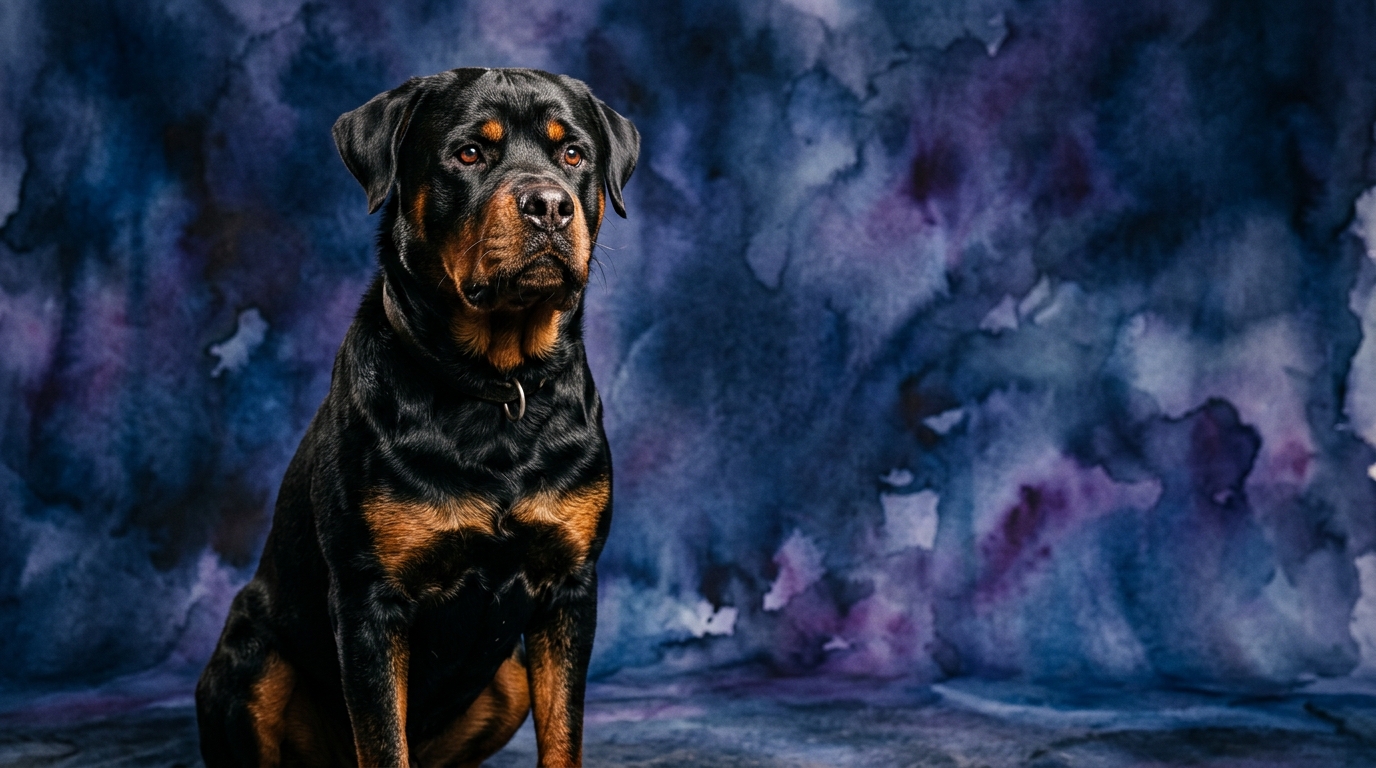
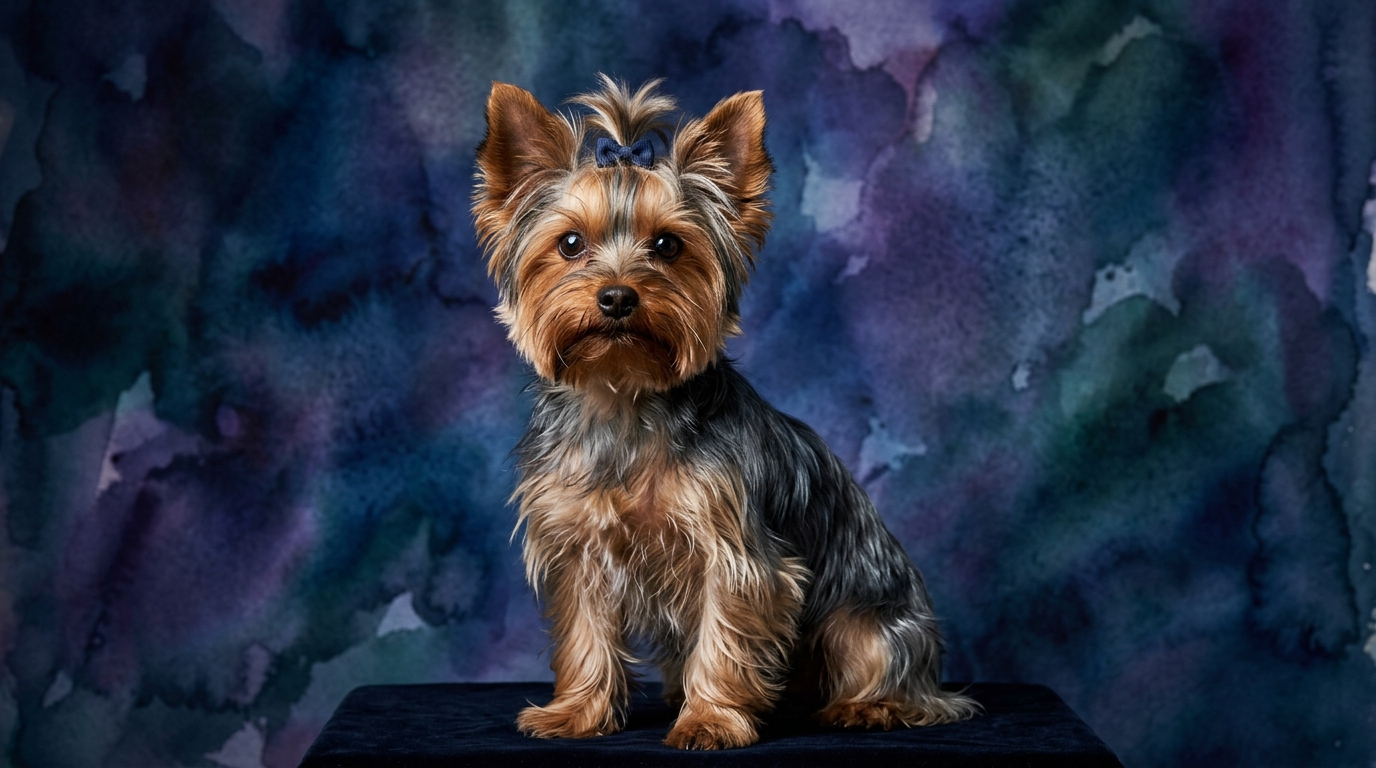
Side-by-Side IQ Profile: Rottweiler vs. Yorkshire Terrier
The Rottweiler, ranking #9 on Coren's scale, demonstrates a formidable cognitive profile. Its problem-solving ability scores a perfect 5/5, indicating a profound capacity to analyze situations, devise solutions, and adapt to novel challenges with minimal human intervention. Training speed stands at 4/5, suggesting a quick grasp of commands and routines, while social intelligence also rates 4/5, reflecting their adeptness at reading human and canine cues. A striking 5/5 in instinctive drive highlights their powerful genetic predisposition for tasks like guarding and protection, and their memory, also 5/5, ensures long-term retention of complex sequences and experiences.
Conversely, the Yorkshire Terrier, positioned at #27, presents a different yet equally compelling cognitive makeup. Their problem-solving ability is rated 3/5, meaning they can tackle moderate challenges but might require more guidance or repetition for complex tasks. Like the Rottweiler, their training speed is 4/5, showing a readiness to learn new behaviors and commands with consistent effort. Social intelligence also matches at 4/5, enabling them to form strong bonds and interpret social signals effectively. An instinctive drive of 4/5 points to their strong terrier instincts, particularly for hunting small prey, and their memory at 4/5 suggests solid retention for most daily interactions and learned behaviors, though perhaps not for the multi-layered complexities a Rottweiler might master.
Where the Rottweiler Excels Cognitively
The Rottweiler's cognitive strengths are particularly evident in its exceptional problem-solving and memory capabilities, both rated 5/5. This breed doesn't just learn; it synthesizes information. For instance, a Rottweiler can quickly understand the mechanics of a complex gate latch and strategize how to open it, or remember a multi-step obedience routine perfectly even after extended breaks. Their high instinctive drive (5/5) means they are not just capable of learning protective tasks, but often inherently driven to perform them, making them adept at roles requiring vigilance and strategic thinking.
This superior cognitive architecture allows Rottweilers to excel in demanding working roles, where their ability to process information, make independent decisions, and remember intricate patterns is paramount. Whether it's tracking, advanced obedience, or protection work, their mental fortitude allows them to consistently perform at a high level, absorbing and applying information with remarkable efficiency and precision.
Where the Yorkshire Terrier Shines Cognitively
While the Yorkshire Terrier's problem-solving score is lower at 3/5, their cognitive agility is expressed differently. Their 4/5 training speed and social intelligence mean they are quick to pick up on positive reinforcement cues and eager to engage in interactive learning, often leveraging their charming personalities to achieve their goals. They may not devise complex strategies, but they are adept at learning routines that bring them comfort, treats, or attention, and they often use their social acuity to manipulate situations to their advantage.
The Yorkshire Terrier's instinctive drive (4/5) is a significant cognitive asset within their terrier lineage. This drive manifests as relentless determination and focus when pursuing perceived 'prey' or engaging in activities that tap into their innate hunting behaviors. This mental tenacity, combined with their solid memory (4/5), enables them to master agility courses or intricate trick training, often surprising owners with their spirited precision and unwavering focus on the task at hand, especially when it involves chase or reward.
Ease of Training: Behavioral Nuances
Both breeds share a 4/5 rating for training speed, suggesting they are equally capable of learning commands efficiently. However, the *ease* of training can differ due to their other cognitive dimensions. A Rottweiler's 5/5 problem-solving and instinctive drive mean they often require a firm, consistent trainer who can channel their powerful natural urges and mental capacity into productive tasks. Without sufficient mental engagement, a Rottweiler might apply its problem-solving prowess to undesirable behaviors, such as creatively escaping or testing boundaries.
The Yorkshire Terrier's training experience, while also quick, tends to be influenced by their terrier tenacity and sometimes independent streak. Their 3/5 problem-solving means they might need more structured guidance through new concepts, but their social intelligence (4/5) and desire for interaction can make them highly responsive to positive reinforcement and engaging training sessions. They may be more prone to 'selective hearing' if a task isn't stimulating or if they've found a more interesting 'prey' to pursue, requiring a trainer who understands their spirited nature and can make learning a fun, rewarding game.
Matching Breeds to Lifestyles: Active vs. Relaxed Owners
For active owners seeking a true working partner, the Rottweiler's cognitive profile is a strong match. Their 5/5 instinctive drive and problem-solving abilities demand consistent mental and physical challenges. They thrive with owners who can provide advanced obedience training, protection sports, tracking, or even simply complex puzzle toys and regular, varied exercise that engages both their body and their sharp mind. An under-stimulated Rottweiler can become bored and channel its formidable intelligence into destructive or challenging behaviors, making them unsuitable for owners seeking a purely relaxed companion.
The Yorkshire Terrier, while spirited, can adapt to a wider range of owner activity levels, provided their mental needs are met. Their 4/5 instinctive drive means they still appreciate games that simulate hunting, like fetch or flirt poles, and their training speed makes them excellent candidates for trick training or smaller-scale agility. While they can be content with indoor play and moderate walks, owners should remember their keen social intelligence and memory. They thrive on companionship and structured interaction, making them suitable for owners who enjoy consistent engagement without necessarily needing a high-intensity working partner.
The Verdict: When to Choose Each Breed
The Verdict
Choose a Rottweiler if you are an experienced, active owner prepared to provide consistent, mentally stimulating training and a defined role for a dog with profound problem-solving abilities and a strong working drive.
Opt for a Yorkshire Terrier if you seek a spirited, engaging companion who thrives on social interaction and enjoys interactive play and trick training, offering a blend of affectionate companionship and lively mental engagement.
🧠 Find Your Pet's IQ Score
Our Pet IQ Lab assessment covers 25+ tests across 5 cognitive dimensions — personalized to your breed.
Take the Full IQ Test →Frequently Asked Questions
Are Rottweilers difficult to train?
Rottweilers are not inherently difficult to train due to their 4/5 training speed and 5/5 memory; however, their powerful 5/5 instinctive drive and problem-solving require a consistent, knowledgeable trainer who can channel their mental prowess effectively. They benefit from early socialization and clear boundaries to prevent them from applying their intelligence to unwanted behaviors.
Do Yorkshire Terriers require a lot of mental stimulation?
Yes, Yorkshire Terriers, despite their size, benefit significantly from mental stimulation. Their 4/5 training speed and social intelligence mean they enjoy learning new tricks, puzzle toys, and interactive games that engage their terrier instincts. Consistent mental engagement prevents boredom and helps manage their spirited energy.
Which breed is better for first-time dog owners?
Neither breed is typically recommended for entirely inexperienced first-time owners without significant support. However, between the two, a Yorkshire Terrier might be a more manageable choice for a dedicated first-timer due to their smaller size and slightly less demanding physical and mental needs compared to the Rottweiler's intense working drive and formidable problem-solving capacity.