Side-by-Side IQ Profile
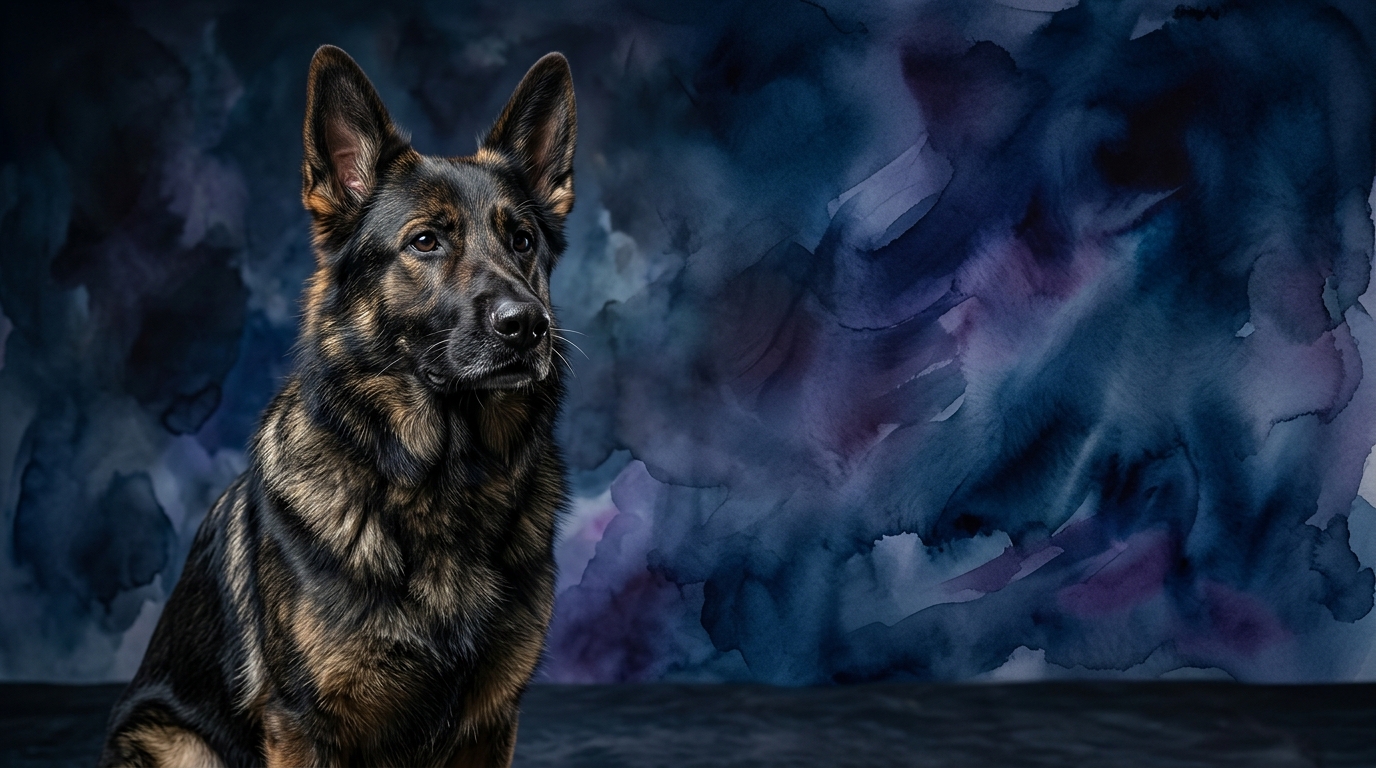
**German Shepherd (Coren Rank #3)**: This breed exemplifies working dog cognition, demonstrating an impressive mental toolkit across the board. Its Problem Solving is rated 5/5, indicating an exceptional capacity to analyze situations, devise strategies, and overcome obstacles, whether in complex search and rescue or figuring out how to open a gate. Training Speed, also at 5/5, reflects their rapid assimilation of new commands and routines, often requiring minimal repetitions to master a task. Social Intelligence, another perfect 5/5, allows them to profoundly understand human cues, intentions, and emotional states, fostering deep working partnerships and strong bonds. Their Instinctive Drive, rated 5/5, is a powerful force channeled into tasks like herding, guarding, and protection, providing motivation for sustained effort and focus. Finally, their Memory, a solid 5/5, ensures they retain learned behaviors and experiences over extended periods, making their training durable and reliable.
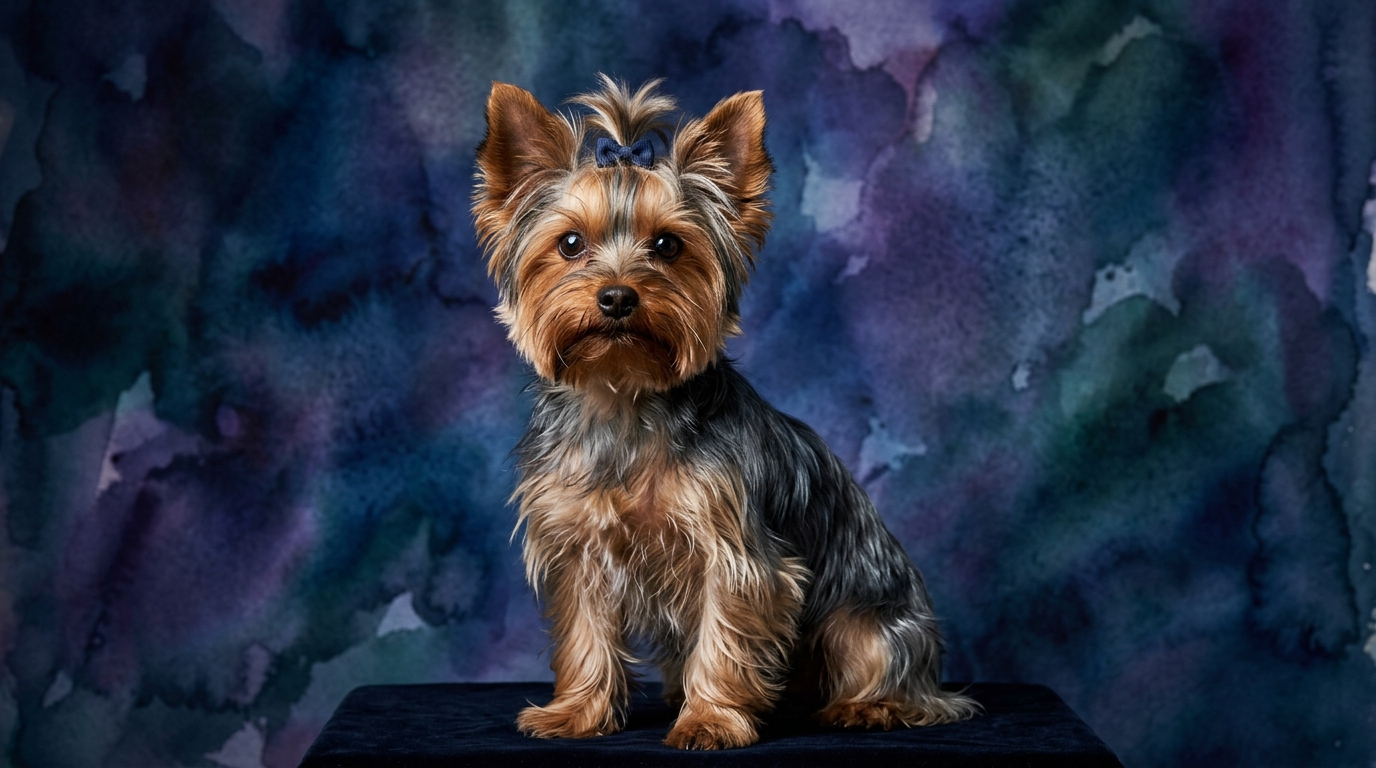
**Yorkshire Terrier (Coren Rank #27)**: Despite their smaller stature, Yorkshire Terriers possess a keen and distinct cognitive profile. Their Problem Solving capability is rated 3/5, suggesting they can tackle moderately challenging mental puzzles and adapt to new situations but may find highly complex, multi-step tasks perplexing. Training Speed, at 4/5, indicates they are proficient learners, capable of picking up commands and tricks with reasonable consistency and enthusiasm, though perhaps not with the immediate grasp of a top-tier working breed. Social Intelligence, also 4/5, highlights their ability to connect with humans, read body language, and form close companionship bonds, making them responsive and engaging pets. Their Instinctive Drive, a 4/5, is largely rooted in their terrier heritage, manifesting as a determined spirit, a keen interest in small prey, and a tenacious approach to exploring their environment. Memory, rated 4/5, ensures they remember learned behaviors and routines, making them capable of retaining house manners and familiar commands over time.
Where German Shepherd Wins Cognitively
The German Shepherd's cognitive profile positions it for unparalleled success in roles demanding sophisticated mental processing and sustained focus. Its 5/5 Problem Solving means it excels at tasks requiring abstract thought and strategic planning, such as advanced obedience trials where sequences of commands must be executed precisely, or in service work where adapting to novel situations is critical. This breed can often “think on its feet,” making independent decisions when faced with unexpected challenges, a trait invaluable in police or military applications. Their 5/5 Training Speed is not merely about quick learning, but about profound understanding; they don't just mimic actions but grasp the underlying intent, allowing for nuanced communication and advanced skill acquisition. The perfect 5/5 Social Intelligence translates into an almost empathic connection with their handlers, enabling them to anticipate needs and react to subtle cues, fostering the deep trust necessary for high-stakes working partnerships. This comprehensive cognitive package makes the German Shepherd a master of complex, multi-faceted tasks.
Where Yorkshire Terrier Wins Cognitively
While the German Shepherd's cognitive strengths lie in grand-scale working tasks, the Yorkshire Terrier demonstrates a specialized form of intelligence perfectly adapted to its role as a spirited companion and tenacious small-game hunter. Their 4/5 Social Intelligence, though numerically lower, is exceptionally effective for forming tight bonds within a family unit, allowing them to be highly attuned to their owners' moods and routines. This makes them remarkably sensitive and responsive companions, excelling at providing emotional support and engaging interaction in a home setting. The 4/5 Training Speed, for a breed of its size and terrier temperament, is quite commendable; they are quick to learn tricks, house rules, and even agility courses when motivated by positive reinforcement, showcasing a keen desire to engage and please. Their 4/5 Instinctive Drive, while not for herding or protection, is a powerful cognitive asset for focused exploration and problem-solving related to their original purpose: hunting vermin. This translates to an inquisitive nature and a determined persistence when pursuing a goal, whether it's finding a hidden treat or navigating a complex indoor environment. The Yorkshire Terrier's cognitive strengths are optimized for intimate companionship and focused, spirited engagement.
Which Is Easier to Train and Why
Based on their respective IQ profiles, the German Shepherd is generally easier to train for a broad range of complex tasks due to its 5/5 Training Speed and 5/5 Problem Solving. Their rapid learning curve means they assimilate new commands and concepts with remarkable efficiency, often requiring fewer repetitions and quickly generalizing learned behaviors to new environments. Their high social intelligence also makes them exceptionally responsive to human guidance and eager to please, reducing resistance during training. For instance, teaching a German Shepherd a multi-step routine, like fetching a specific item from another room, often involves breaking it down into fewer components because of their ability to connect the dots quickly.
In contrast, the Yorkshire Terrier, with its 4/5 Training Speed and 3/5 Problem Solving, is still a capable learner but might require more patience and consistency, particularly with more intricate commands. Their terrier tenacity, stemming from their instinctive drive, can sometimes manifest as independent thinking, requiring trainers to be engaging and persistent. While they excel at learning basic obedience and fun tricks, teaching them highly complex sequences or abstract concepts might take longer and demand more creative training approaches. For example, a Yorkie might master “sit” and “stay” swiftly, but an advanced “send away” command with multiple obstacles would likely be a more significant undertaking than for a German Shepherd.
Which Suits Active Owners vs Relaxed Owners
The cognitive and instinctive profiles of these two breeds offer clear guidance for owner lifestyles. The German Shepherd, with its 5/5 Instinctive Drive and 5/5 Problem Solving, thrives with active owners who can provide consistent mental and physical challenges. This breed requires regular engagement in activities that stimulate its keen mind and robust body, such as advanced obedience, agility, protection work, or extensive hiking. Owners who appreciate a canine partner capable of complex learning and sustained effort will find the German Shepherd incredibly rewarding. A relaxed owner who cannot dedicate significant time to training and structured activity might inadvertently foster boredom and potentially undesirable behaviors in a German Shepherd, as their powerful drive and intelligence need a productive outlet.
The Yorkshire Terrier, conversely, with its 4/5 Instinctive Drive and 3/5 Problem Solving, can adapt more readily to owners with a less demanding schedule, while still appreciating regular interaction. Their drive is often satisfied with consistent walks, interactive play, and opportunities for mental stimulation through puzzle toys or learning new tricks. While they are energetic and enjoy activity, their needs are generally met with moderate exercise and indoor play, making them suitable for individuals or families who prefer a more relaxed pace but still enjoy active engagement. A relaxed owner who enjoys teaching fun tricks, engaging in short play sessions, and providing ample companionship will find the Yorkshire Terrier a delightful and mentally stimulated companion.
The Verdict
Opt for a German Shepherd if you seek a highly capable working partner for demanding activities, value a deep cognitive bond, and are committed to providing extensive mental and physical stimulation.
Select a Yorkshire Terrier if you desire a spirited, responsive companion for a more relaxed lifestyle, appreciate their keen social connection, and enjoy engaging in moderate training and play.
🧠 Find Your Pet's IQ Score
Our Pet IQ Lab assessment covers 25+ tests across 5 cognitive dimensions — personalized to your breed.
Take the Full IQ Test →Frequently Asked Questions
Can a Yorkshire Terrier perform complex tasks like a German Shepherd?
While Yorkshire Terriers are capable learners with a 3/5 Problem Solving score, their cognitive profile is not geared for the same level of complex, multi-stage tasks that a German Shepherd excels at with its 5/5 score. They can learn many tricks and routines but may struggle with highly abstract or lengthy sequences.
How does Coren Rank relate to the IQ scores provided?
Coren Rank (German Shepherd #3, Yorkshire Terrier #27) broadly indicates a breed's working and obedience intelligence, aligning well with our IQ scores where higher ranks correlate with stronger problem-solving, training speed, and memory. Our specific IQ dimensions offer a more granular breakdown of these cognitive strengths.
Is a German Shepherd's high instinctive drive difficult to manage for a typical owner?
A German Shepherd's 5/5 instinctive drive is a powerful force that requires consistent guidance and appropriate outlets. For a typical owner, this means committing to daily mental and physical exercise, structured training, and potentially engaging in dog sports to channel their natural working instincts productively.