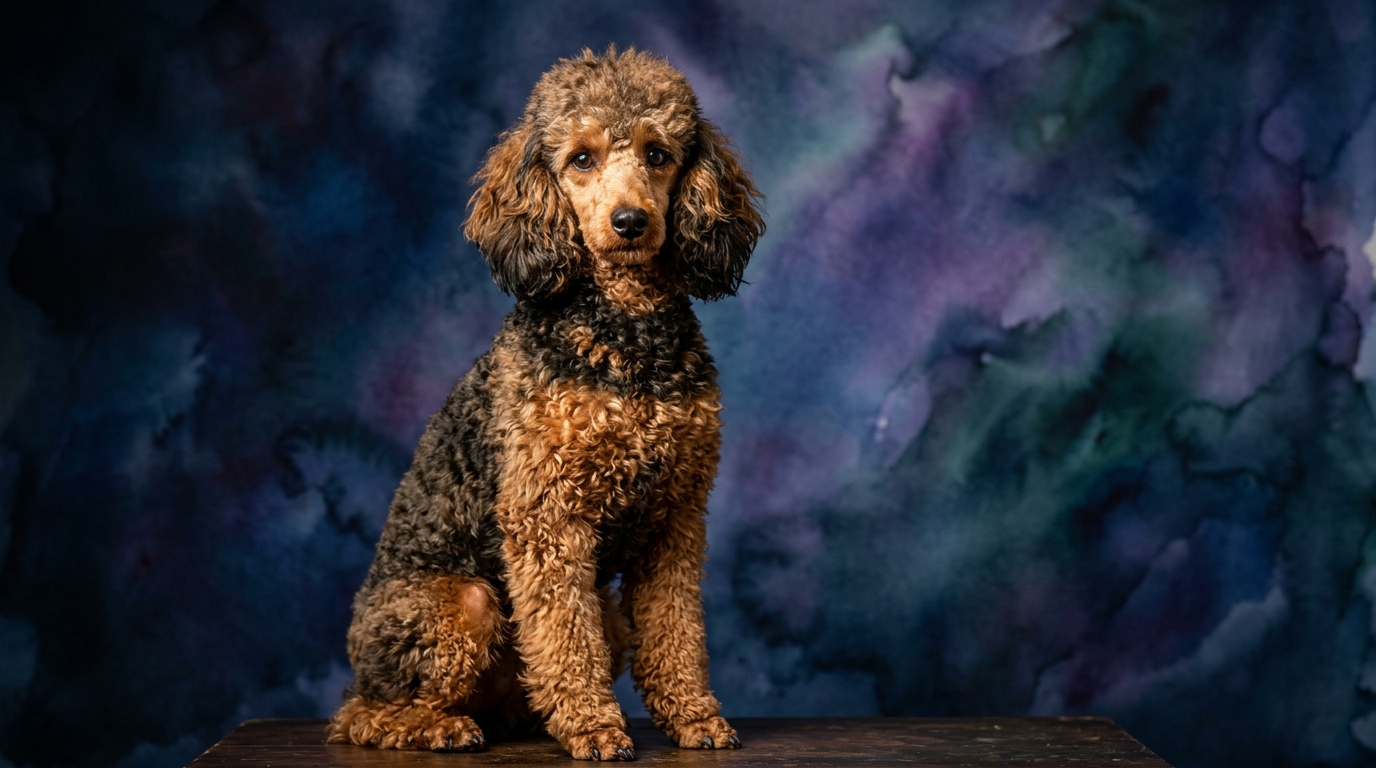
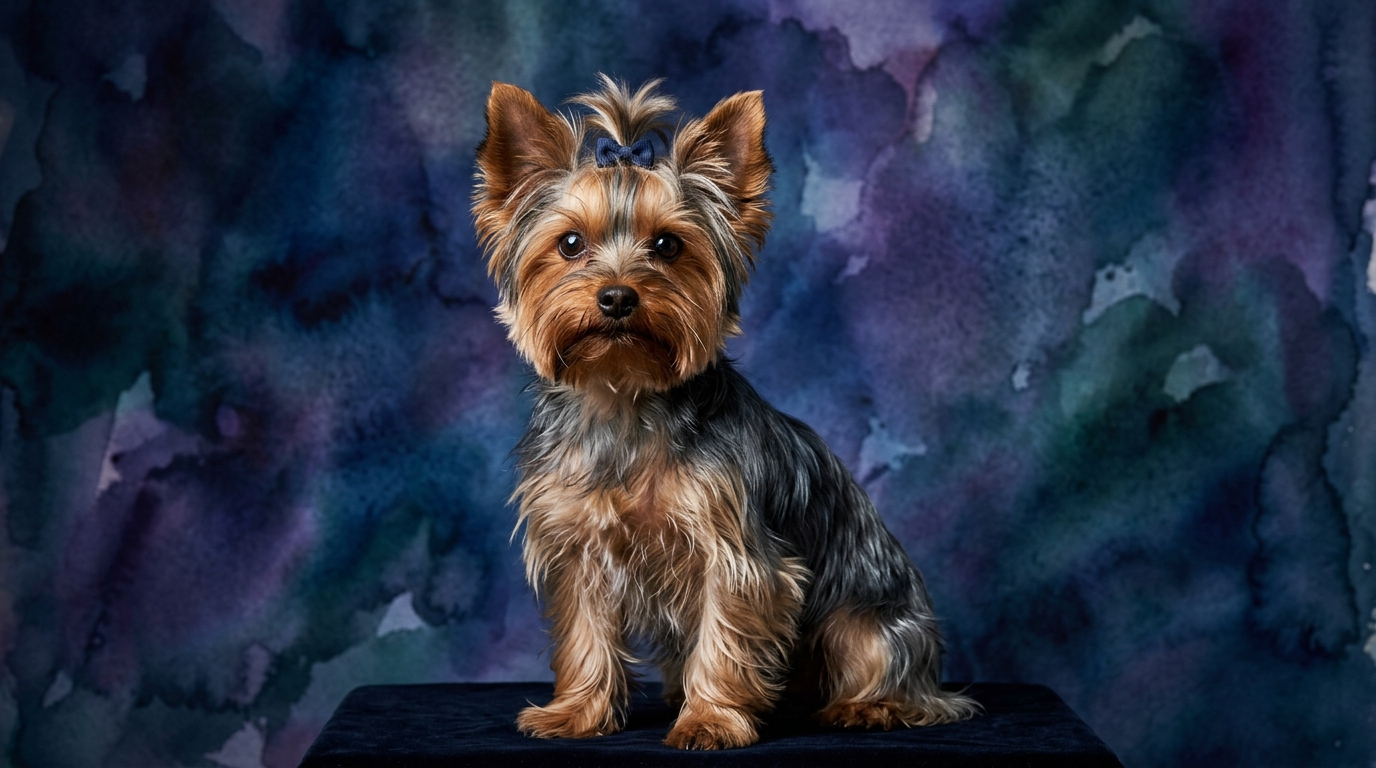
Side-by-Side IQ Profile
**Poodle (Standard):** This breed showcases an exceptional blend of cognitive capabilities, rooted in its history as a sophisticated working dog.
**Problem Solving (5/5):** Standard Poodles excel at navigating complex environments and figuring out novel solutions, demonstrating a remarkable capacity for abstract thought and quick adaptation to new challenges. Their ability to connect cause and effect is consistently evident.
**Training Speed (5/5):** Poodles grasp new commands and routines with exceptional speed, often requiring minimal repetitions to solidify learning. This swift uptake makes them particularly responsive to intricate training protocols.
**Social Intelligence (5/5):** Their understanding of human cues, emotions, and social structures is profound, allowing them to form deep bonds and integrate seamlessly into family dynamics. They are highly attuned to their human companions' intentions.
**Instinctive Drive (4/5):** Possessing a robust retrieve drive and a history as water retrievers, their instincts are channeled towards purposeful work, demonstrating persistence and focus in task completion.
**Memory (5/5):** Poodles exhibit a superior capacity for retaining learned behaviors, commands, and experiences over extended periods, making their training durable and reliable.
**Yorkshire Terrier:** Despite their small stature, Yorkshire Terriers possess a spirited cognitive profile influenced by their terrier lineage.
**Problem Solving (3/5):** Yorkshire Terriers possess competent problem-solving skills, capable of navigating everyday challenges and learning routines. While not always seeking out novel solutions, they adapt effectively with guidance.
**Training Speed (4/5):** These small terriers learn new commands at a good pace, responding well to consistent and engaging training methods. They are generally eager to please their primary caregivers.
**Social Intelligence (4/5):** Yorkshire Terriers display strong social awareness, forming intense bonds with their families and often demonstrating a keen sense of who belongs to their inner circle. They are perceptive regarding their human's moods.
**Instinctive Drive (4/5):** Their terrier heritage manifests as a strong prey drive and tenacity, often channeled into exploring, digging, or persistent engagement with objects. This drive fuels their spirited nature.
**Memory (4/5):** Yorkies have a good memory for commands, routines, and past experiences, retaining information effectively and building upon learned behaviors over time.
Where Poodle (Standard) Wins Cognitively
The Standard Poodle's cognitive strengths distinctly outshine the Yorkshire Terrier in several critical areas, particularly their unparalleled problem-solving aptitude. A Poodle's 5/5 score indicates an exceptional ability to analyze new situations, devise novel strategies, and quickly adapt to unfamiliar challenges without extensive human intervention. This manifests in their capacity to master complex multi-step commands, figure out intricate puzzle toys with minimal frustration, or even open childproof latches.
Their superior social intelligence (5/5) means they not only understand commands but also grasp the underlying intent and emotional context of their human's communication, fostering a more nuanced and cooperative partnership. This deep social understanding allows them to anticipate needs and respond with remarkable empathy. Furthermore, their perfect 5/5 memory score ensures that once a lesson is learned or an experience processed, it is retained with impressive longevity, making their training highly enduring and reliable even after breaks. This cognitive profile makes the Poodle exceptionally versatile in roles requiring high cognitive load and adaptability.
Where Yorkshire Terrier Wins Cognitively
While the Yorkshire Terrier's overall IQ scores are generally lower than the Standard Poodle's, their specific cognitive profile presents unique advantages, particularly where tenacity and focused social connection are paramount. Their instinctive drive (4/5), matching the Poodle's score, is a significant asset. This strong, inherent terrier drive often translates into an unwavering persistence in tasks that capture their interest, such as scent work, exploring nooks, or 'guarding' their territory with surprising determination. This focused drive can be a powerful motivator in training when channeled appropriately, allowing them to excel in activities that tap into their natural instincts for pursuit and exploration.
Their 4/5 social intelligence, while not as broadly adaptive as a Poodle's, often manifests as an intense, singular devotion to their primary human, making them exceptionally attuned to that individual's specific routines and subtle cues. This focused social bond can make them incredibly responsive and comforting companions within their intimate family unit, thriving on close interaction and consistent personal attention. Their cognitive profile, though different, is perfectly suited for their role as a devoted and spirited household member.
Which is Easier to Train and Why
Without question, the Standard Poodle presents as significantly easier to train due to their superior cognitive architecture across most dimensions. Their perfect 5/5 training speed means they pick up new commands with remarkable rapidity, often requiring only a handful of repetitions before a behavior is solidified. This speed is complemented by their 5/5 problem-solving ability, allowing them to generalize learned behaviors to new situations and troubleshoot their own understanding, reducing the need for constant guidance. Furthermore, their 5/5 social intelligence makes them exceptionally eager to please and highly attuned to human feedback, making them willing partners in the training process. For example, a Poodle might learn a complex agility sequence in a fraction of the time a Yorkie would, understanding the sequence and the handler's body language with greater ease.
The Yorkshire Terrier, with a 4/5 training speed, is still a capable learner, but their 3/5 problem-solving means they may require more structured repetition and explicit guidance to master new tasks. Their strong instinctive drive (4/5), while an asset in some contexts, can sometimes present a challenge in training if not properly managed, as their natural urges for exploration or barking might momentarily override compliance. For instance, while a Yorkie can learn 'stay,' they might be more easily distracted by a rustling leaf or an unfamiliar sound than a Poodle, whose focus is often more readily maintained on the handler. Effective training for a Yorkie often involves making sessions fun, short, and highly rewarding to keep their attention and leverage their desire for personal connection.
Which Suits Active Owners vs Relaxed Owners
The Standard Poodle is an ideal match for active owners who relish engaging their canine companions in mentally stimulating activities. Their high problem-solving capacity and boundless memory make them thrive in dog sports like agility, obedience, rally, and even complex trick training. Owners who enjoy teaching intricate sequences, participating in competitive events, or simply providing daily intellectual challenges will find a Poodle to be an enthusiastic and capable partner. Their robust instinctive drive for retrieving also means they appreciate regular opportunities for fetch and active play. A Poodle requires consistent mental engagement to prevent boredom, making them less suited for owners seeking a purely decorative or low-maintenance companion.
Conversely, the Yorkshire Terrier can be a wonderful fit for owners who appreciate a spirited companion but perhaps have a more relaxed approach to intense physical or mental exertion. While they certainly benefit from regular walks and playtime to satisfy their instinctive drive, they do not generally demand the same level of complex cognitive work as a Poodle. A Yorkie's social intelligence makes them excellent companions for owners who prioritize close personal interaction, lap time, and being an integral part of daily household routines. They thrive on consistent attention and can be perfectly content with moderate exercise and engaging indoor games. Owners who enjoy a small, tenacious dog with a big personality, but who aren't necessarily aiming for competitive dog sports, will find the Yorkie's cognitive profile aligns well with their lifestyle.
The Verdict
Choose the Standard Poodle if you seek a highly adaptable, cooperative canine partner eager for complex mental challenges, excelling in advanced training and demanding intellectual engagement. Their superior problem-solving and memory make them ideal for competitive dog sports or intricate household integration.
Opt for the Yorkshire Terrier if you desire a tenacious, spirited companion with a strong individual personality and a deep, focused bond with their primary human. They are well-suited for owners who appreciate a dog with moderate exercise needs and who can channel their instinctive drives into engaging, personalized interactions.
🧠 Find Your Pet's IQ Score
Our Pet IQ Lab assessment covers 25+ tests across 5 cognitive dimensions — personalized to your breed.
Take the Full IQ Test →Frequently Asked Questions
Do Standard Poodles get bored easily if not mentally stimulated?
Yes, a Standard Poodle's exceptional problem-solving and memory mean they require consistent mental engagement to prevent boredom and potential behavioral issues. Providing puzzle toys, regular training, and new experiences is crucial for their well-being.
Can a Yorkshire Terrier be successfully trained for advanced obedience or tricks?
While a Yorkshire Terrier possesses good training speed and memory, their problem-solving score suggests they might require more consistent repetition and highly motivating rewards for advanced obedience or complex tricks compared to a Poodle. Their tenacity can be an asset when channeled effectively.
How does the instinctive drive differ between these two breeds, given they both score 4/5?
The instinctive drive in a Standard Poodle is typically channeled towards retrieving and water work, reflecting their historical purpose, whereas in a Yorkshire Terrier, it manifests as a strong prey drive and terrier tenacity, often expressed through exploring, digging, and alert vocalizations. Both are strong, but their expression differs based on breed heritage.