Side-by-Side IQ Profile: A Cognitive Blueprint
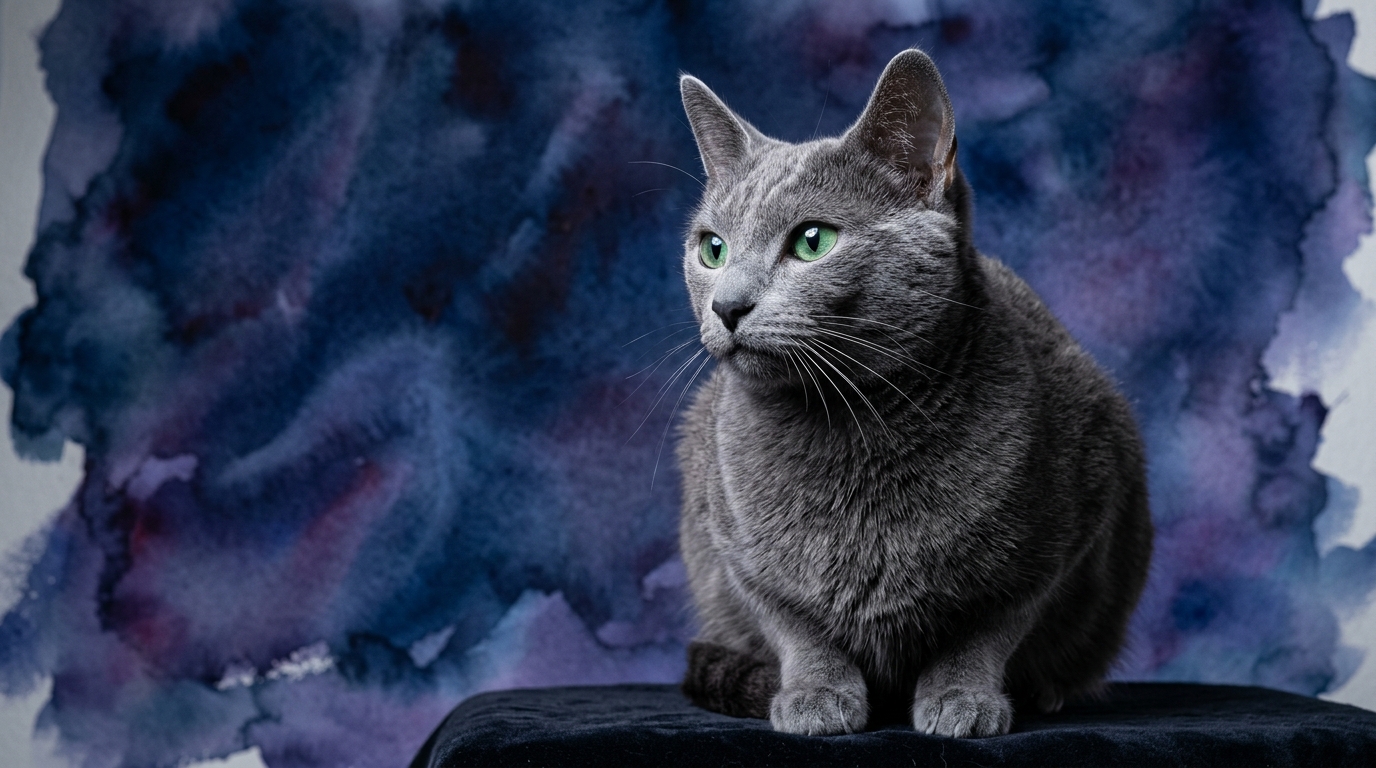
To understand the distinct intellectual landscapes of these breeds, The Cosmic Pet Pet IQ Lab employs five key dimensions. For the Russian Blue, we observe:
Problem Solving (4/5): This breed often approaches challenges methodically, observing before acting to unravel complex feeder puzzles or navigate their environment. They demonstrate a capacity for strategic thought to access desired items.
Training Speed (3/5): Russian Blues learn new commands and routines at a steady pace, responding well to patient, consistent reinforcement in a calm setting.
Social Intelligence (4/5): Highly attuned to human emotions and routines, Russian Blues often anticipate needs and form deep, loyal bonds, understanding subtle social cues.
Instinctive Drive (3/5): Their moderate hunting instincts manifest in a love for interactive play that simulates stalking and pouncing, providing healthy energy outlets.
Memory (5/5): Russian Blues exhibit exceptional long-term recall for routines, hidden items, and family preferences, contributing to their predictable nature.
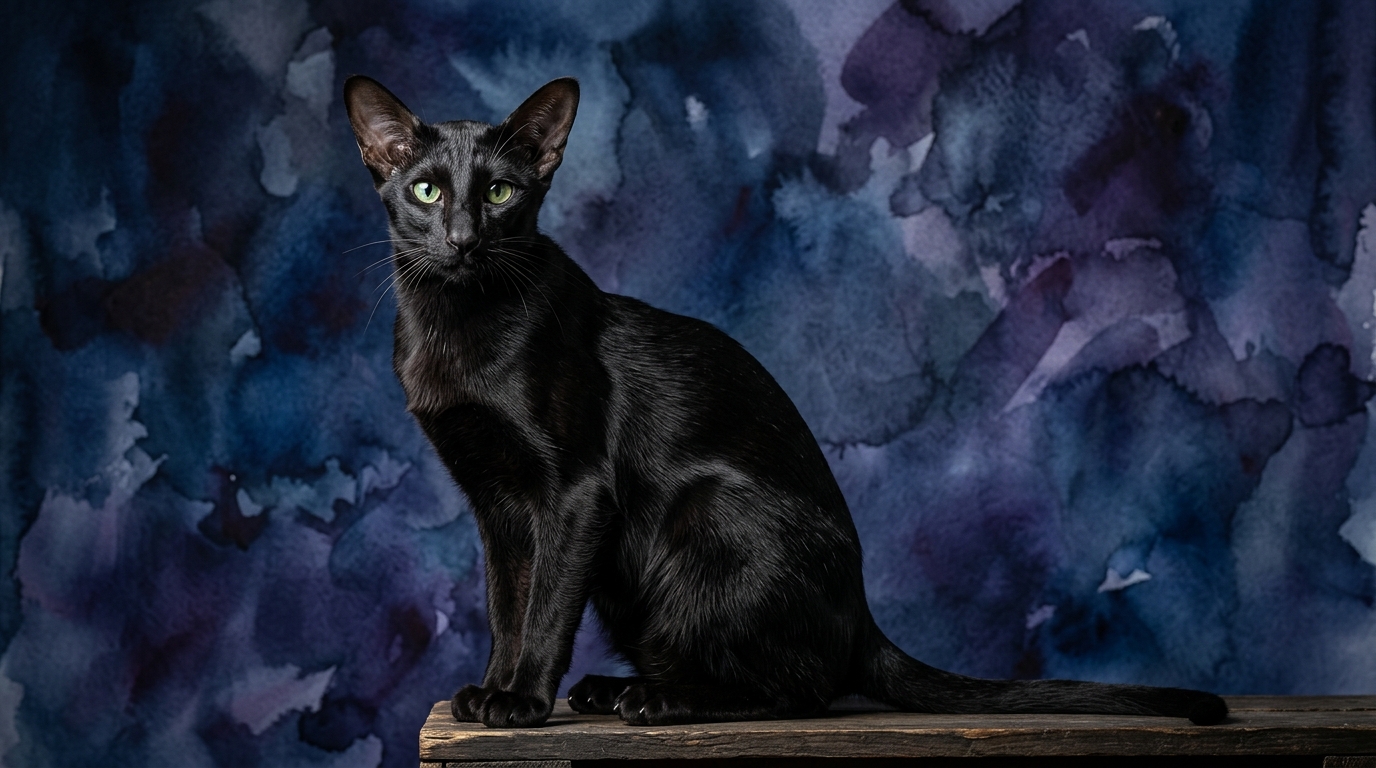
In contrast, the Oriental Shorthair presents a different cognitive signature:
Problem Solving (3/5): Oriental Shorthairs tackle new situations with energetic curiosity, adept at exploring and solving straightforward puzzles through trial-and-error.
Training Speed (3/5): This breed responds enthusiastically to engaging training, learning commands at a moderate speed, driven by their desire for mental stimulation and connection.
Social Intelligence (3/5): Oriental Shorthairs thrive on being the focal point, actively seeking interaction and communicating needs, though their expressiveness can prioritize over subtle observation.
Instinctive Drive (3/5): Their moderate drive for hunting and exploration leads to spirited play sessions, as they are persistent in their pursuit of toys.
Memory (3/5): Oriental Shorthairs remember familiar routines and faces, but their recall of complex sequences might not be as enduring or precise as other breeds.
Where the Russian Blue Excels Cognitively
The Russian Blue's cognitive profile showcases distinct strengths, particularly in its methodical approach to Problem Solving (4/5). This breed often observes and strategizes before acting, making them adept at unraveling intricate puzzles and navigating complex environments with thoughtful deliberation. They are less prone to impulsive errors, consistently finding efficient solutions.
Further distinguishing them is their exceptional Social Intelligence (4/5) and Memory (5/5). Russian Blues possess an innate ability to read human moods and anticipate needs, fostering a profound, almost intuitive bond. Their outstanding recall means they remember routines, hidden objects, and past events over long periods, contributing to their predictable nature and a deep understanding of their world.
Where the Oriental Shorthair Shows Unique Cognitive Strengths
While the Russian Blue's intelligence is more internal, the Oriental Shorthair's cognitive strengths shine through its vibrant, external engagement. Their Problem Solving (3/5) is characterized by an insatiable curiosity and persistence, often employing spirited trial-and-error. An Oriental Shorthair will vocalize, paw, and explore every angle until a new object is understood or a desired outcome is achieved, demonstrating relentless tenacity.
Their Social Intelligence (3/5) manifests as an intense and expressive desire for interaction. Oriental Shorthairs are masters of communication, using a wide lexicon of meows, chirps, and purrs to convey thoughts and demands. This proactive social engagement ensures they are always involved, seeking companionship and effectively directing human attention, showcasing a dynamic, forthright cognitive style.
Training Ease: Russian Blue vs. Oriental Shorthair
Despite both breeds having a Training Speed of 3/5, their cognitive profiles lead to different training experiences. The Russian Blue's exceptional Memory (5/5) is a significant asset; once a command is learned, it tends to be deeply ingrained, reducing the need for constant refreshers. Their higher Social Intelligence (4/5) also enables them to interpret subtle cues from their trainer, fostering a harmonious and cooperative learning dynamic built on consistency.
Conversely, the Oriental Shorthair's energetic curiosity and slightly lower Memory (3/5) mean training sessions might require more variety and engagement to maintain focus. While eager to participate due to their desire for interaction, trainers may need to refresh commands more often or introduce novel challenges. Their vocal nature can also manifest as “talking back,” requiring a trainer who appreciates their expressive personality and channels their enthusiasm productively.
Matching Owners: Active Engagement vs. Calm Companionship
The ideal owner for each breed aligns with their distinct interactive styles. For active owners who thrive on constant engagement and a lively household, the Oriental Shorthair is a perfect match. Their boundless curiosity, vocal nature, and desire to be involved in every activity mean they flourish in environments offering ample playtime, mental stimulation, and “conversation.” They are fearless explorers, ideal for those who enjoy a cat that is truly part of the action.
For relaxed owners who appreciate a more serene yet deeply connected companion, the Russian Blue is an excellent choice. While they form strong bonds, their intelligence manifests in quiet observation and subtle communication rather than boisterous demands. Their love for routine and exceptional memory provide a predictable, calming presence, content to observe from a comfortable perch and offer quiet companionship.
The Verdict
Choose a Russian Blue if you seek a quiet, observant companion who forms deep, intuitive bonds, values routine, and exhibits a thoughtful, methodical approach to understanding its world. This breed is ideal for owners who appreciate subtle communication and a calm yet deeply connected feline presence in their home.
Choose an Oriental Shorthair if you desire an outgoing, vocal, and intensely interactive companion who thrives on engagement, enjoys constant communication, and brings a lively, curious energy to every aspect of home life. This breed is best for owners who appreciate an expressive cat and are ready to provide ample playtime and mental stimulation.
🧠 Find Your Pet's IQ Score
Our Pet IQ Lab assessment covers 25+ tests across 5 cognitive dimensions — personalized to your breed.
Take the Full IQ Test →Frequently Asked Questions
Are Russian Blues typically good with children and other pets?
Russian Blues, with their strong social intelligence and adaptable nature, can often coexist peacefully with respectful children and other calm pets. They tend to prefer a predictable environment and may retreat if overwhelmed, but generally form affectionate bonds within their established family unit.
Do Oriental Shorthairs require a lot of grooming despite their short coat?
Oriental Shorthairs have a very short, fine coat that requires minimal grooming, typically just a weekly brush to remove loose hair and maintain its sleek appearance. Their active nature and self-grooming habits usually keep them looking pristine with little effort from their owners.
Which of these breeds is generally considered more independent?
The Russian Blue tends to exhibit more independence, often content to observe or entertain themselves after receiving affection, appreciating quiet companionship without constant demands. The Oriental Shorthair, by contrast, is known for its strong desire for interaction and attention, preferring to be actively involved with its human family.