Side-by-Side Cognitive Profiles: Russian Blue vs. Ragdoll
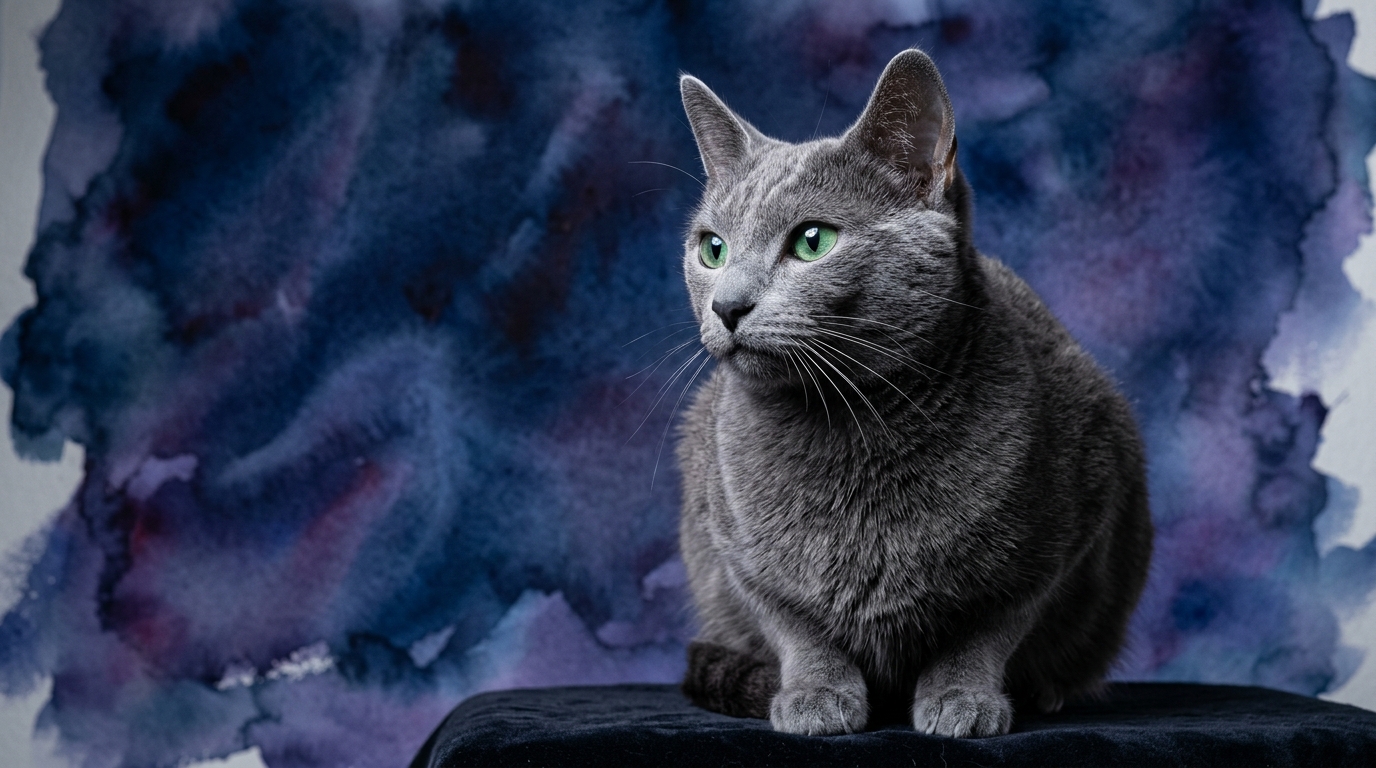
At The Cosmic Pet Pet IQ Lab, we delve into the nuanced cognitive dimensions that shape a cat's interaction with its world. For the Russian Blue, we observe a cat with a robust Problem Solving score of 4/5, indicating an animal that actively engages with environmental challenges, often figuring out how to access desired spaces or manipulate objects. Their Training Speed is a solid 3/5, suggesting they absorb new commands at a consistent pace with focused effort. Social Intelligence ranks at 4/5, as Russian Blues form profound bonds and are perceptive of their chosen human's moods, though they often maintain a reserved demeanor with unfamiliar faces. Their Instinctive Drive sits at 3/5, demonstrating an active interest in hunting-style play without being excessively intense. A standout trait for the Russian Blue is their exceptional Memory, scoring a remarkable 5/5, allowing them to recall complex routines, spatial layouts, and past interactions with vivid clarity.
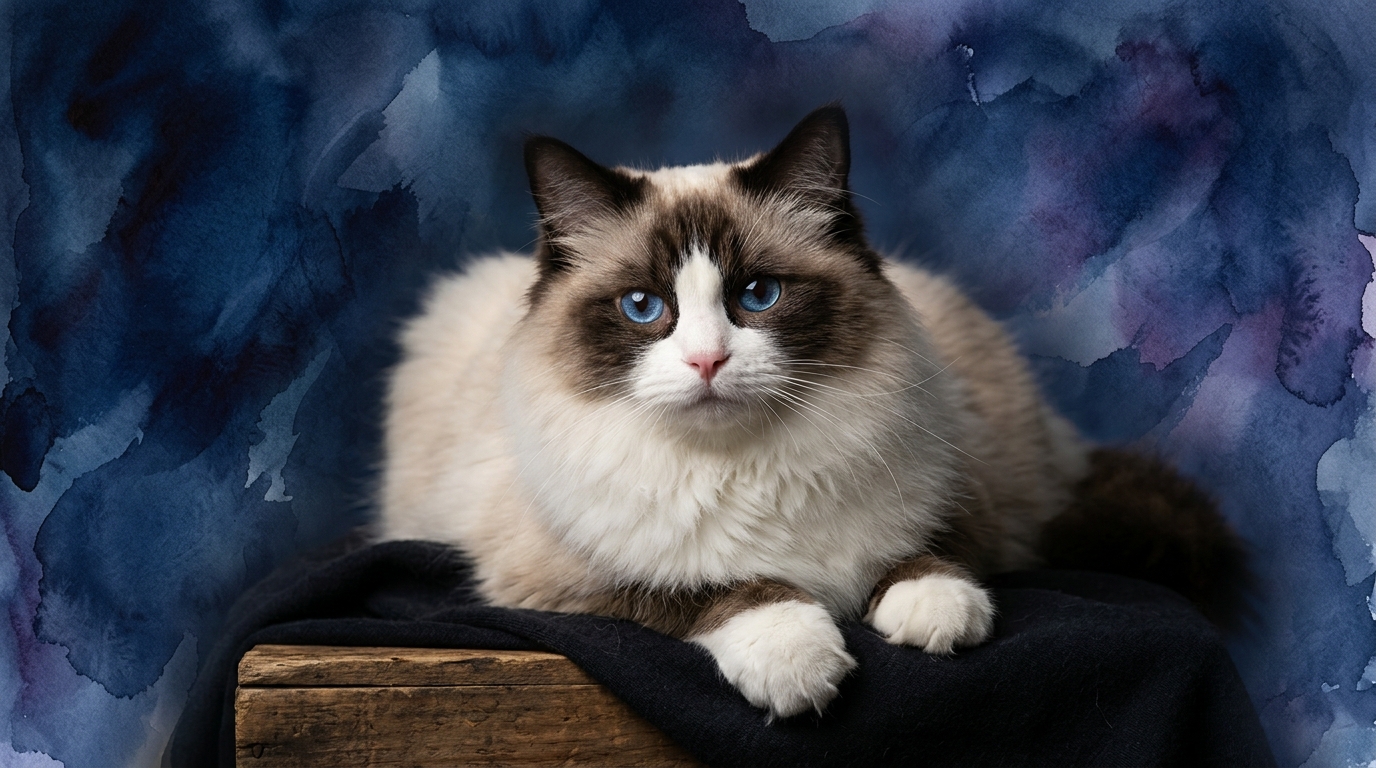
The Ragdoll, in contrast, presents a distinct cognitive signature. Their Problem Solving ability is rated at 3/5, meaning they are capable of navigating challenges but might prefer to observe or solicit human assistance rather than persistently tackling every puzzle independently. Their Training Speed mirrors the Russian Blue at 3/5, indicating a moderate learning curve that benefits from positive reinforcement and patience. However, the Ragdoll truly shines in Social Intelligence, achieving a perfect 5/5; these cats are exceptionally attuned to human emotions, actively seek interaction, and integrate seamlessly into family dynamics, often displaying a comforting presence. Their Instinctive Drive is a lower 2/5, reflecting a more docile nature where gentle play and companionship are often prioritized over vigorous predatory simulations. For Memory, the Ragdoll scores 3/5, maintaining good recall for daily routines and familiar individuals, but perhaps not with the same intricate detail or long-term retention as the Russian Blue.
Where the Russian Blue Excels Cognitively
The Russian Blue's cognitive prowess is most evident in its superior Memory and practical Problem Solving skills. With a 5/5 in Memory, these cats exhibit an impressive ability to retain information over long periods. Owners frequently report Russian Blues remembering the exact location of a toy hidden weeks ago, recalling specific sequences of events that lead to a treat, or recognizing individuals they haven't encountered in years. This strong memory contributes significantly to their adaptability and their capacity to learn complex routines, making them predictable and reassuring companions once their schedule is established. They often anticipate their owner's return based on subtle cues remembered from previous days, showcasing a deep understanding of temporal patterns.
Their 4/5 in Problem Solving means a Russian Blue is not content to simply wait for solutions; they actively engage with their environment. They are the cats who might figure out how to open cabinet doors, manipulate childproof latches, or discover ingenious ways to access a prized window perch. This drive to understand and interact with their surroundings means they thrive on environmental enrichment, such as interactive puzzle feeders or rotational toy selections that present fresh challenges. This cognitive strength translates into a cat that can be quite self-sufficient in navigating its home and finding its own entertainment, often surprising owners with their cleverness in overcoming obstacles.
Where the Ragdoll Shines Cognitively
The Ragdoll's cognitive strength is undeniably centered around its extraordinary Social Intelligence, earning a perfect 5/5. This isn't merely about being affectionate; it's about a profound capacity to read and respond to human emotions and social cues. Ragdolls often display a remarkable empathy, sensing when their owner is upset or unwell and responding with comforting purrs or gentle nudges. They integrate into family life with a fluidity that few other breeds possess, adapting readily to new people or changes in household dynamics as long as they receive consistent attention. Their social acumen makes them excellent companions for multi-pet households, often fostering peaceful coexistence due to their adaptable and non-confrontational nature.
This high social intelligence also influences their Problem Solving (3/5) and Instinctive Drive (2/5) in interesting ways. While not as independently driven to solve environmental puzzles, a Ragdoll might quickly learn that a specific meow or a gentle head-butt will prompt their human to open a door or retrieve a desired item. They understand that their human is a resource, and they are adept at communicating their needs and preferences in a way that encourages interaction and assistance. Their lower instinctive drive means they are less prone to intense predatory behaviors, making them a calming presence in the home. They are more likely to seek out a lap for a quiet cuddle than to relentlessly stalk a perceived 'prey' toy, showcasing a preference for social engagement over high-energy hunting simulations.
Training Aptitude: Russian Blue vs. Ragdoll
Both the Russian Blue and the Ragdoll share a Training Speed score of 3/5, indicating they are moderately receptive to learning. However, their underlying cognitive strengths dictate differing approaches and outcomes. The Russian Blue's exceptional Memory (5/5) means that once they learn a command or routine, they tend to retain it for a very long time. This makes them good candidates for consistent trick training or leash walking, as long as the owner provides clear, consistent expectations. Their problem-solving inclination also means they can figure out complex sequences, potentially excelling at agility courses or advanced puzzle toys. However, their moderate social intelligence and independent streak mean they might perform on their own terms, requiring motivation that appeals to their curiosity or routine rather than solely social reward.
The Ragdoll, with its supreme Social Intelligence (5/5), responds particularly well to positive reinforcement rooted in praise and affection. While their memory (3/5) might not be as sharp for intricate details as the Russian Blue's, their strong desire for human interaction makes them eager to please. They are often easier to leash train or carrier train due to their docile nature and willingness to be handled, especially if these experiences are paired with comforting words and gentle petting. Training a Ragdoll often feels more like a collaborative activity, where their compliance is driven by the joy of shared experience and attention, rather than a deep cognitive understanding of the task itself. They may not independently figure out a complex puzzle feeder as quickly, but they will likely be more amenable to being guided through it by their beloved human.
Matching Breeds to Lifestyles: Active vs. Relaxed Owners
For active owners who relish mental engagement and interactive play, the Russian Blue is an excellent match. Their high Problem Solving (4/5) and exceptional Memory (5/5) mean they thrive with owners who provide consistent mental stimulation through puzzle toys, training sessions, and interactive games like fetch or hide-and-seek. They appreciate a structured routine that their keen memory can anticipate, yet they also enjoy the challenge of new environmental enrichments. While they form deep bonds, Russian Blues often maintain a degree of independence, making them suitable for owners who appreciate a cat that can entertain itself for periods but still seeks out affectionate interaction on its own terms. They are not typically 'lap cats' but prefer to be near their chosen human, observing and participating in a less overtly demanding way.
Conversely, the Ragdoll is tailor-made for relaxed owners who desire a highly affectionate, docile, and constant companion. Their unparalleled Social Intelligence (5/5) means they thrive on close human interaction, often following their owners from room to room and seeking out laps for extended cuddle sessions. They are content with gentle play sessions and are less demanding of complex mental stimulation, preferring the comfort of companionship and a predictable, calm environment. Owners who appreciate a cat that is adaptable, easygoing, and thrives on being an integral, physically present part of daily life will find the Ragdoll to be an ideal fit. Their lower Instinctive Drive (2/5) translates to a less destructive and more placid presence in the home, making them perfect for those seeking a tranquil feline friend.
The Verdict
Choose a Russian Blue if you seek a cognitively sharp, independent companion who excels at problem-solving and remembering complex details, thriving on mental challenges and a consistent routine.
Opt for a Ragdoll if your ideal companion is an exceptionally social, empathetic, and docile cat who prioritizes close human interaction and offers a calming, affectionate presence in the home.
🧠 Find Your Pet's IQ Score
Our Pet IQ Lab assessment covers 25+ tests across 5 cognitive dimensions — personalized to your breed.
Take the Full IQ Test →Frequently Asked Questions
Are Russian Blues good with children and other pets?
Russian Blues can be good with respectful children and other pets, especially if introduced thoughtfully. Their moderate social intelligence means they form strong bonds but may be initially reserved, preferring calm interactions over boisterous play.
Do Ragdolls require a lot of grooming?
Yes, Ragdolls have a semi-longhaired coat that requires regular grooming, typically a few times a week, to prevent mats and tangles. Their docile nature usually makes them cooperative during brushing sessions.
Which breed is more prone to separation anxiety?
While both breeds can form strong attachments, Ragdolls, with their exceptionally high social intelligence and deep need for companionship, might be more prone to showing signs of distress if left alone for very long periods compared to the more independent Russian Blue.