
Side-by-Side IQ Profile: Nuances of the 3/5 Score
Both the Russian Toy and the Chow Chow register a consistent 3/5 across all five dimensions of The Cosmic Pet Pet IQ Lab's assessment: Problem Solving, Training Speed, Social Intelligence, Instinctive Drive, and Memory. This shared numerical rating, however, belies profound differences in how these cognitive abilities manifest in their daily lives and breed-specific behaviors. Understanding these nuances requires looking beyond the score itself, into the unique contexts of their breed histories and temperaments.
For the **Russian Toy**, a 3/5 in **Problem Solving** often translates to adeptly navigating complex household environments, figuring out how to access preferred resting spots, or devising charming strategies to gain owner attention. Their small stature means their problem-solving often involves spatial reasoning in tight spaces. Their **Training Speed** at 3/5 indicates they are certainly capable learners, often responding well to positive reinforcement due to their desire for interaction, though their enthusiasm can sometimes lead to distraction. In **Social Intelligence**, a 3/5 means they are generally attuned to human emotions and social cues within their trusted circle, but can display wariness towards strangers. Their **Instinctive Drive** at 3/5 often manifests as an alert nature, quick to bark at perceived novelties, and a strong drive for companionship. Finally, their **Memory** at 3/5 allows them to recall routines, learned commands, and familiar individuals with good consistency.
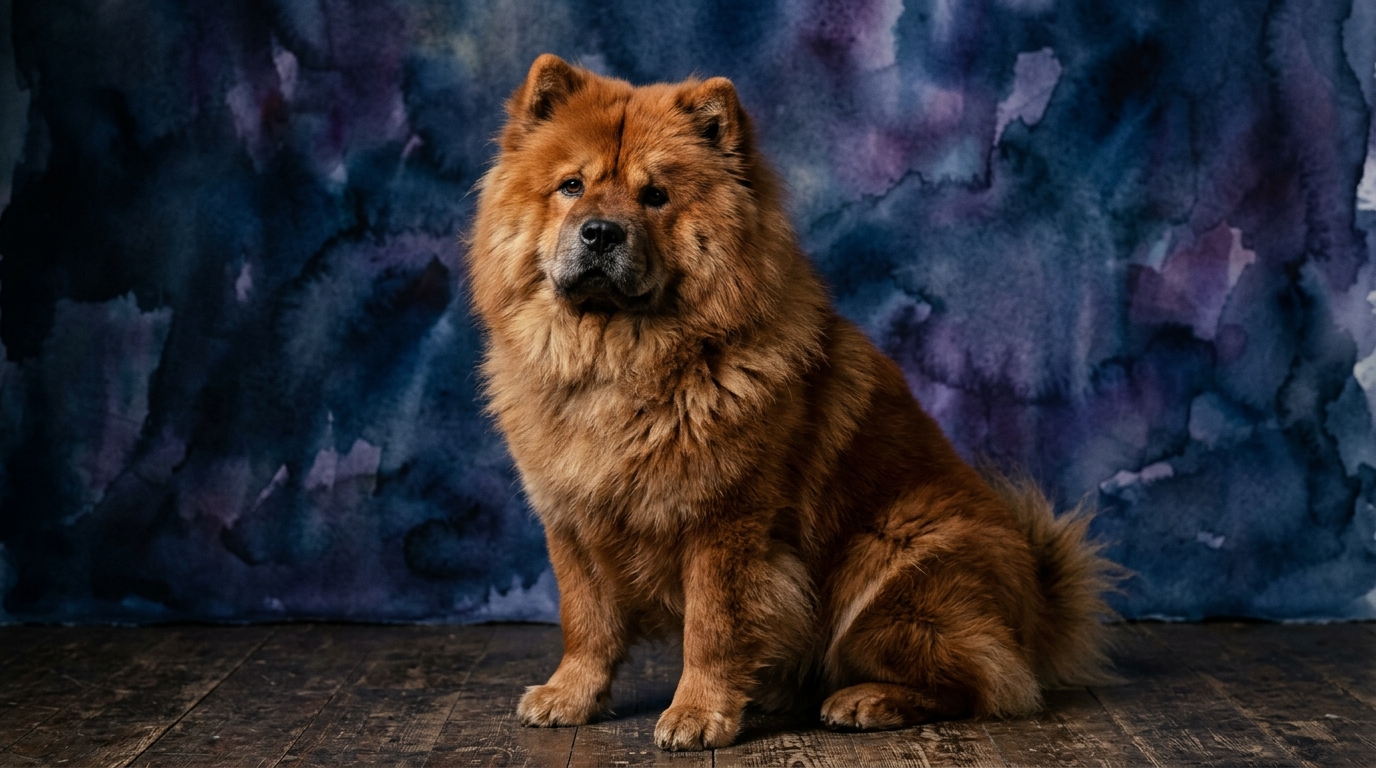
The **Chow Chow**, also scoring 3/5 across the board, expresses these same cognitive dimensions through a very different lens. Their **Problem Solving** typically involves independent decision-making, such as assessing territorial boundaries, managing resources, or discerning potential threats without constant human instruction. A 3/5 in **Training Speed** means they are capable of learning, but their independent and often stubborn nature requires patience, consistency, and motivation that aligns with their self-interest rather than a strong desire to please. Their **Social Intelligence** at 3/5 is characterized by a profound, yet often subtle, loyalty to their inner family, coupled with a famously aloof demeanor towards outsiders; they observe and process social information without necessarily seeking direct interaction. The **Instinctive Drive** of 3/5 is strongly tied to their guardian heritage, exhibiting territoriality, protective instincts, and sometimes a significant prey drive. Their **Memory** at 3/5 is robust, allowing them to remember past interactions, established rules, and their designated 'people' with unwavering clarity, which can be a double-edged sword if negative experiences are imprinted. It’s also worth noting the Chow Chow holds a Coren rank of #76, indicating a specific measure of obedience and working intelligence, a ranking the Russian Toy does not typically feature in, largely due to breed purpose and size.
Where the Russian Toy Excels Cognitively
The Russian Toy's cognitive strengths, despite the shared 3/5 scores, lie in their adaptive social agility and quick response to their immediate environment. Their 3/5 social intelligence allows them to be highly expressive and responsive to their owner's moods, often initiating comfort or play with perceptive timing. This breed demonstrates a cognitive flexibility that allows them to thrive in varied social settings, from bustling city life to quiet homes, adapting their 'problem-solving' to new stimuli with less inherent resistance than their more stoic counterpart. Their smaller size inherently shapes their problem-solving; they excel at navigating complex furniture mazes or finding tiny dropped treats, tasks a Chow Chow wouldn't typically encounter or prioritize.
Furthermore, their 3/5 training speed, combined with an inherent eagerness to engage with their primary caregiver, often makes them appear quicker in learning new tricks or commands in a positive, interactive setting. They are adept at picking up on subtle cues from their humans, using their memory to quickly associate actions with outcomes, particularly when those outcomes involve affection or treats. Their cognitive 'wins' are deeply intertwined with their role as a companion, excelling in the nuances of human-dog interaction and adapting their intelligence to foster close bonds.
Where the Chow Chow's Cognition Shines
The Chow Chow's cognitive prowess is rooted in its independent thought, territorial acumen, and a deep, deliberate processing of information. Their 3/5 problem-solving manifests as a discerning intelligence, where they assess situations with a calm, watchful demeanor before acting, particularly regarding their home and family. This isn't about speed, but about thoroughness and self-reliance, a trait honed by centuries as guardians. Their robust memory (3/5) allows them to establish and recall boundaries with remarkable consistency, remembering who belongs and who does not, often with a lifelong recollection of past interactions.
Their social intelligence, also a 3/5, is expressed through a nuanced understanding of their family unit, displaying profound loyalty and affection in subtle, dignified ways, rather than overt displays. They are excellent at reading their family's internal dynamics and maintaining a calm presence, acting as a watchful anchor. The Chow Chow's cognitive strength is in its ability to think for itself, to be a steadfast presence, and to process the world with a measured, independent intellect that values security and order above all else, making them astute judges of character and situation within their domain.
Training Dynamics: Eagerness vs. Independence
When considering ease of training, the Russian Toy generally presents a more straightforward path for the average owner. Their 3/5 training speed, coupled with their desire for interaction and smaller physical presence, means they are often more amenable to positive reinforcement methods and quicker to form associations between commands and rewards. While they can be easily distracted by novel stimuli or excitement, their small size makes managing these distractions simpler. Consistency and patience are still key, especially with house-training due to their tiny bladders, but their inherent desire to be part of family activities often translates into a willingness to learn for praise and treats.
The Chow Chow, despite also having a 3/5 training speed, is widely considered more challenging to train due to their profound independence and often stubborn nature, traits reflected in their Coren ranking of #76. They learn, but they often need to understand the 'why' behind a command or perceive it as beneficial to themselves. Their motivation is not primarily to please, but rather to operate on their own terms, making high-value rewards, consistency, and a calm, confident leader absolutely essential. Real behavioral differences include the Russian Toy's potential for excessive barking if not managed, stemming from their alert instinctive drive, versus the Chow Chow's silent, watchful guarding, which requires an owner to understand and respect their territorial instincts rather than trying to suppress them completely. Training a Chow Chow is more about building a respectful partnership based on mutual understanding than eliciting immediate obedience.
Lifestyle Match: Active Engagement vs. Calm Companionship
The Russian Toy, with its 3/5 instinctive drive for companionship and social intelligence, can adapt to a wider range of owner activity levels, making them suitable for both moderately active and more relaxed owners. They thrive on mental stimulation through interactive play, short walks, and participating in daily family routines, but are equally content to cuddle on the couch. Their 'active' lifestyle often involves social outings, travel, and being a constant, engaging presence, rather than requiring strenuous physical exercise. Owners who enjoy frequent interaction, teaching new tricks, and having a portable companion will find the Russian Toy a delightful match.
The Chow Chow, in contrast, is better suited for owners who appreciate a calmer, more relaxed home environment and a dog with a dignified, independent presence. Their 3/5 instinctive drive for guarding and their aloof social intelligence means they are not typically seeking constant, high-energy interaction. While they require moderate daily exercise to stay healthy, they are not a breed for long runs or highly active sports. They prefer quiet companionship, often choosing to observe rather than participate in boisterous activities. Owners who value a loyal, watchful companion, are comfortable with a dog that doesn't demand constant attention, and respect a dog's need for personal space will find the Chow Chow a fulfilling, albeit unique, partner.
The Verdict
Choose the Russian Toy if you seek an interactive, adaptable companion who thrives on close connection, enjoys varied social settings, and offers a more straightforward training experience with their eagerness to engage.
Opt for the Chow Chow if you value a dignified, independent guardian, appreciate quiet loyalty, and are prepared for a dog with a strong, self-reliant will that requires patient, understanding leadership.
🧠 Find Your Pet's IQ Score
Our Pet IQ Lab assessment covers 25+ tests across 5 cognitive dimensions — personalized to your breed.
Take the Full IQ Test →Frequently Asked Questions
Do Russian Toys bark a lot due to their 3/5 instinctive drive?
Yes, their 3/5 instinctive drive often translates into an alert nature, making them prone to barking at novel sounds or perceived threats. Early socialization and consistent training can help manage this vocal tendency, channeling their alertness appropriately.
How does the Chow Chow's 3/5 social intelligence affect their family interactions?
A Chow Chow's 3/5 social intelligence means they form deep, unwavering bonds with their family, though their affection is often expressed subtly and with dignity. They are attuned to their family's needs but may not seek constant physical interaction, preferring to offer a calm, watchful presence.
Is the Coren rank for Chow Chows a measure of their overall intelligence?
The Coren rank of #76 for Chow Chows specifically measures 'obedience and working intelligence,' reflecting how quickly a dog learns and obeys known commands. It doesn't encompass all aspects of their cognitive abilities, such as independent problem-solving or social intelligence, which are also strong suits for the breed.