
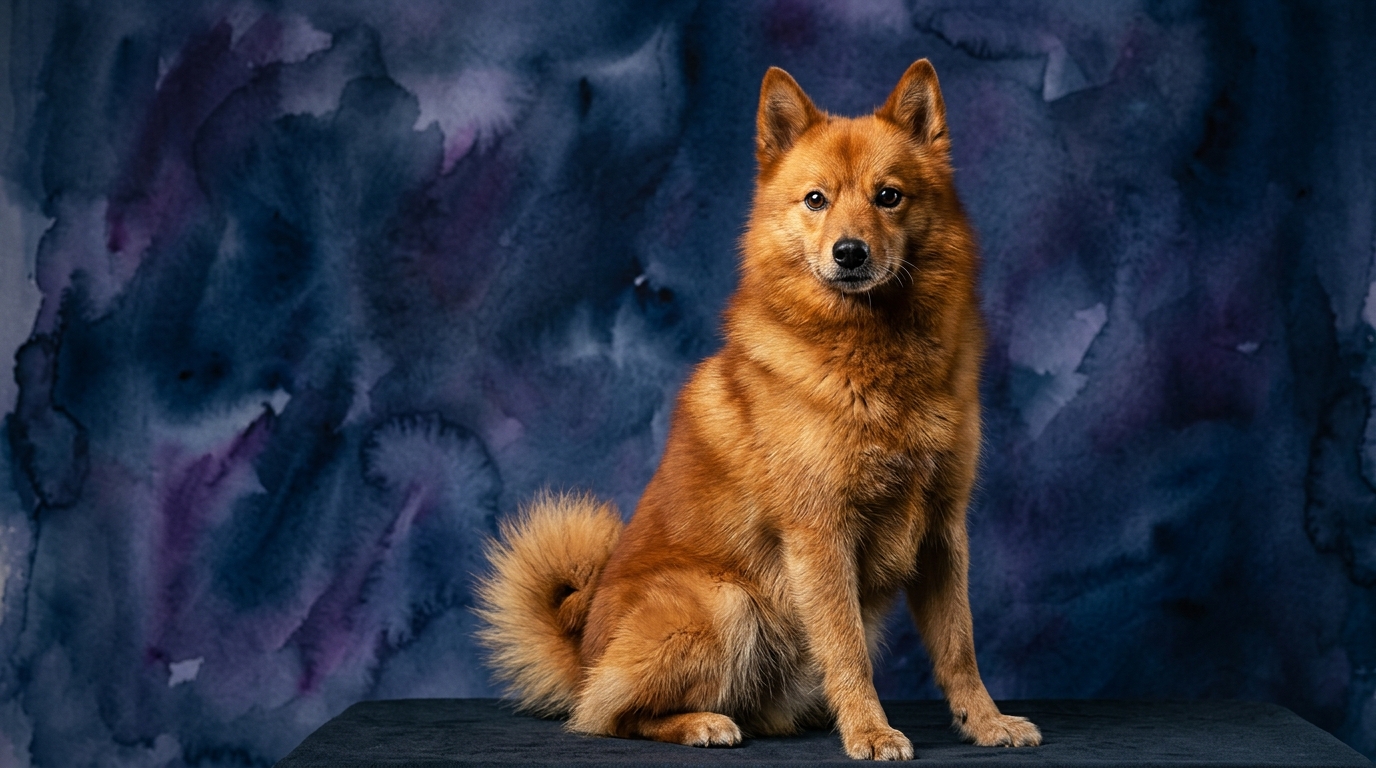
Side-by-Side Cognitive IQ Profile: Beyond the Numbers
Both the Russian Toy and the Finnish Spitz register a consistent 3/5 across all five dimensions of our Cognitive IQ Lab assessment, suggesting a moderate yet capable level of intelligence. However, the application and manifestation of these cognitive abilities are distinctly shaped by their breed histories and inherent temperaments.
The **Russian Toy's** IQ breakdown, at 3/5 for each dimension, reflects a companion breed's specialized mental agility: **Problem Solving** involves resourcefully learning actions that solicit attention or desired outcomes from humans, adeptly navigating home environments to access favorite spots or hidden toys. **Training Speed** sees them learning commands at a moderate pace, thriving on positive reinforcement like praise or treats, with their sensitivity ensuring effective lesson absorption with gentle, consistent guidance. Their **Social Intelligence** is highly attuned to human emotions and household dynamics, excelling at reading moods and adapting their companionship style, forming deep, personal bonds within their close circle. Their **Instinctive Drive** includes a moderate drive for alerting with sharp barks, a mild prey drive for small, fast-moving objects, and a strong innate desire for warmth and close physical proximity. Finally, their **Memory** allows them to readily recall routines, item locations, and past interactions, with both positive and negative experiences leaving lasting impressions that influence future responses.
The **Finnish Spitz's** identical 3/5 IQ scores, on the other hand, highlight a working dog's distinct cognitive strengths: Their **Problem Solving** applies acumen to environmental tasks, identifying optimal observation points or devising barking strategies for perceived threats, where persistence in vocal alerting reflects focused cognitive effort. **Training Speed** sees them learning commands moderately, though independence requires engaging methods, with positive reinforcement, framed as a game, yielding best results with this spirited breed. Their **Social Intelligence** primarily expresses itself through nuanced vocalizations to communicate observations, excitement, or warnings; their interactions are less overtly solicitous, reflecting independence. Their **Instinctive Drive** exhibits a strong vocalization drive from its bird dog heritage, a desire to patrol territory, moderate prey drive, and innate curiosity for investigating new sights and sounds. Their **Memory** demonstrates good recall for territories, regular visitors, and daily outdoor patterns, effectively retaining consistent, positively reinforced training lessons pertinent to their environment.
Where the Russian Toy Excels Cognitively
Despite shared scores, the Russian Toy often excels in problem-solving within domestic settings, cleverly manipulating human behaviors for comfort or attention, like strategically nudging for a scratch. Their 3/5 social intelligence translates into a superior capacity for reading human emotional nuances, allowing them to adapt their companionship style with remarkable sensitivity. This domestic adaptability and fine-tuned emotional responsiveness are distinct cognitive advantages for life as a close, devoted companion.
Where the Finnish Spitz Excels Cognitively
The Finnish Spitz, with identical 3/5 scores, showcases its cognitive strengths in areas reflecting its ancestral purpose. Its problem-solving manifests in environmental navigation and persistent focus on observation and alerting tasks, such as meticulously 'working' an outdoor space for optimal monitoring. Their 3/5 instinctive drive is channeled into a highly specialized form of communication—nuanced vocalizations—demonstrating keen spatial memory and persistence in their traditional 'bark pointer' role.
Training Dynamics: Compliance vs. Independence
Discerning 'easier' training, despite identical 3/5 training speed, hinges on motivation. The Russian Toy, eager to please and thrive on interaction, responds readily to positive reinforcement. Their sensitivity means they absorb lessons quickly when training is gentle and rewarding, making initial obedience smoother for many owners seeking a compliant pet. The Finnish Spitz, conversely, possesses an independent streak. While capable of learning at the same pace, their motivation often needs to be intrinsically engaging or tied to their natural drives. Training requires immense patience, creativity, and consistency, often transforming lessons into games. Their strong vocalization drive also demands proactive management. The Russian Toy’s inherent desire for companionship often simplifies the training *process* for the average owner, whereas the Finnish Spitz demands a more dedicated trainer who appreciates their spirited autonomy.
Lifestyle Match: Active Adventures vs. Relaxed Companionship
Lifestyle compatibility differs significantly. The Russian Toy suits moderately active or relaxed owners, thriving in apartments with daily walks, indoor games, and mental stimulation. They are content to curl up after playtime, excelling as devoted, adaptable companions who integrate into quieter domestic routines, primarily requiring consistent attention. In contrast, the Finnish Spitz needs substantial daily exercise and mental engagement. Their instinctive drive to patrol and vocalize demands regular outdoor adventures like hiking or dog sports. Without sufficient activity, they can become restless or channel energy into excessive barking. Active, outdoor-oriented owners who appreciate and can channel their independent, spirited nature and vocal communication will find the Finnish Spitz a rewarding companion, as they are not typically couch potatoes.
The Verdict
Choose the Russian Toy if you seek a devoted, sensitive companion that thrives on close human interaction and adapts well to indoor living with moderate exercise and consistent affection.
Opt for the Finnish Spitz if you desire an independent, spirited, and vocal partner for outdoor adventures, and are prepared to manage their strong natural instincts with consistent, engaging training.
🧠 Find Your Pet's IQ Score
Our Pet IQ Lab assessment covers 25+ tests across 5 cognitive dimensions — personalized to your breed.
Take the Full IQ Test →Frequently Asked Questions
Do Russian Toys or Finnish Spitz bark more?
The Finnish Spitz is renowned for its vocal nature, historically bred to 'bark point' birds, making it a significantly more vocal breed. While Russian Toys bark to alert or seek attention, their vocalizations are generally less frequent and persistent compared to the Finnish Spitz's inherent tendency to communicate through sound.
Are Russian Toys good with children compared to Finnish Spitz?
Russian Toys can be good with older, respectful children who understand their delicate size and need for gentle interaction, as their small stature makes them vulnerable. Finnish Spitz can also be good with children, especially if raised together, but their independent nature means they might not seek out interaction as readily, preferring respectful space.
How do their problem-solving approaches differ in a home environment?
The Russian Toy's domestic problem-solving often centers on leveraging human interaction for comfort or treats, like getting onto a lap. The Finnish Spitz's might lean more towards finding optimal observation points or creatively engaging with puzzle toys, reflecting their more independent and environmentally-aware cognitive style.