
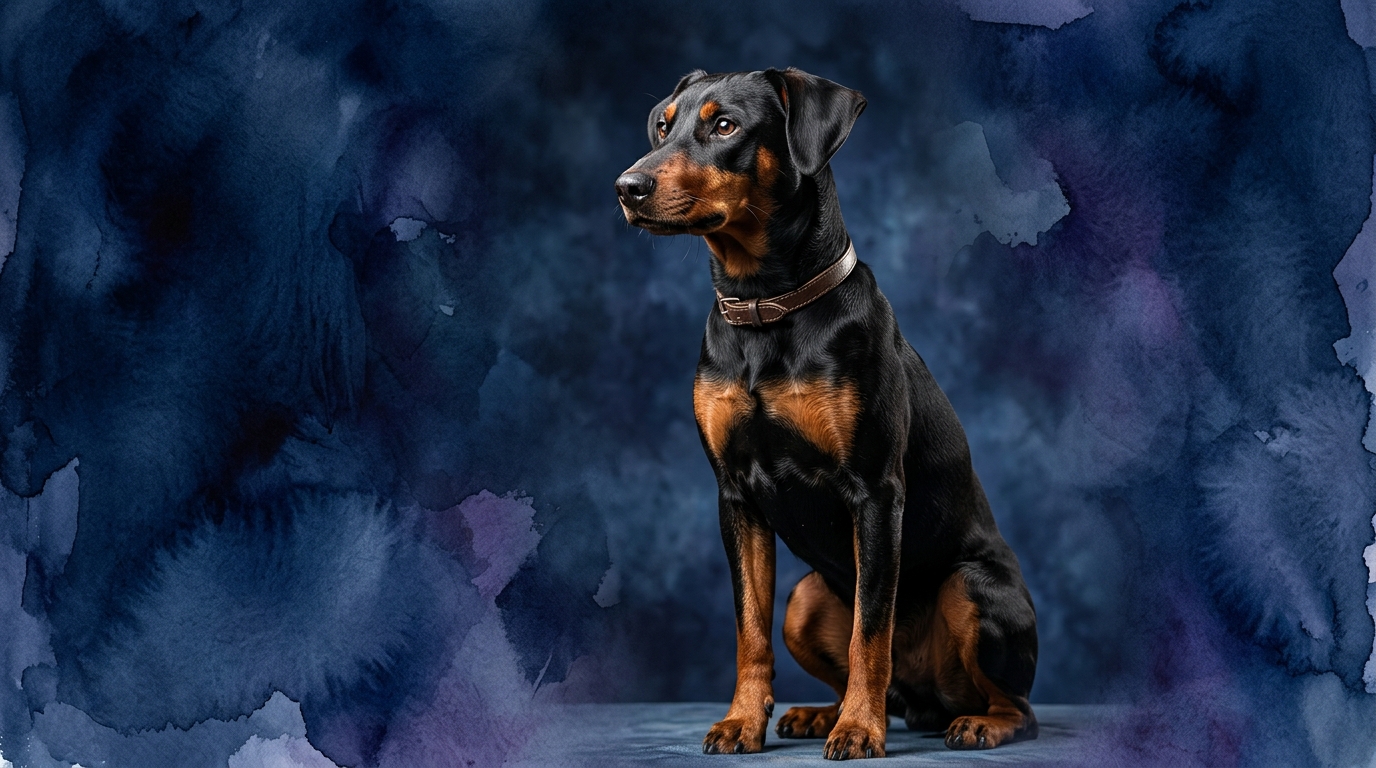
Side-by-Side Pet IQ Lab Profiles: Russian Toy vs. German Pinscher
In The Cosmic Pet Pet IQ Lab, both the Russian Toy and the German Pinscher are assessed with a consistent 3/5 across all cognitive dimensions. However, understanding what a '3/5' means for each breed requires delving into their distinct natures and historical roles. These scores indicate a solid, moderate level of cognitive function, but the *application* and *manifestation* of this intelligence vary considerably.
For the **Russian Toy (Toy Group)**, a 3/5 score in **Problem Solving** suggests a moderate ability to navigate novel situations or figure out how to access desired objects. They often excel at deciphering puzzles related to their immediate environment, such as opening a cabinet door for a treat or finding a hidden toy, frequently employing their keen senses and nimble paws. Their problem-solving is typically focused on personal gain or comfort within a domestic setting, showcasing a cleverness well-suited to their companion role. Their **Training Speed** at 3/5 indicates a moderate pace in acquiring new commands and tricks. They are generally eager to please their favored human and respond well to positive reinforcement, but their inherent sensitivity means they can become easily discouraged or distracted by harsh methods or an overly stimulating environment. Consistency, patience, and gentle encouragement are paramount for effective learning. A 3/5 in **Social Intelligence** means the Russian Toy is moderately adept at reading human emotions and intentions, particularly those of their primary caregivers. They frequently form deep bonds and can be highly attuned to their owner's moods, offering comfort or seeking attention appropriately. However, they can be reserved or wary around strangers, requiring careful and positive socialization to develop broader social confidence and prevent timidity. Their **Instinctive Drive**, also at 3/5, typically manifests as a moderate prey drive, often observed in their enthusiastic pursuit of small, fast-moving objects or toys. While they possess some terrier-like feistiness, this drive is usually channeled into playful chasing rather than intense hunting. They also exhibit a moderate, but strong, desire for companionship and comfort. Finally, a 3/5 in **Memory** means Russian Toys possess a moderate ability to recall learned commands, routines, and past experiences with reasonable accuracy. They remember familiar faces and places well, and can retain training for extended periods, especially if reinforced positively. This memory contributes significantly to their ability to adapt to household schedules and expectations.
The **German Pinscher (Working Group)**, also scoring 3/5 across the board, interprets these ratings through the lens of their working heritage. Their 3/5 in **Problem Solving** reflects a practical and independent approach to challenges. They are adept at figuring out how to overcome obstacles to achieve a goal, whether it’s outsmarting a gate latch, strategizing to access a forbidden area, or navigating a complex environment to reach a specific point. Their solutions often involve persistence, physical agility, and a degree of independent thought, sometimes leading to creative but not always owner-approved strategies. For **Training Speed**, a 3/5 means German Pinschers learn commands at a moderate pace, but their strong will and independent nature mean they require a skilled, consistent, and confident trainer. While capable of rapid learning, they may test boundaries and require clear, firm, and fair guidance to ensure commands are followed reliably. They thrive on engaging, varied training sessions that challenge their intellect and prevent boredom. Their 3/5 in **Social Intelligence** indicates a good understanding of social hierarchies within their family unit and a keen awareness of their environment. They are observant and can read human cues, particularly those related to leadership and boundaries. With strangers, they tend to be reserved and observant, possessing a natural guarding instinct that heavily informs their social interactions. The German Pinscher’s **Instinctive Drive**, also rated 3/5, is robust and manifests strongly as a moderate to high prey drive, often observed in their determined pursuit of squirrels, rabbits, or anything that moves quickly. Their historical role as vermin controllers means they possess inherent searching and chasing behaviors. They also have a strong guarding instinct, often alerting their family to perceived threats with vigor. Lastly, a 3/5 in **Memory** means German Pinschers have a moderate memory, allowing them to retain training, past experiences, and routines effectively. They remember both positive and negative encounters, which influences their future behavior. Their memory contributes to their ability to learn complex sequences and adapt to changing situations, especially in a working context.
Where the Russian Toy Wins Cognitively
While both breeds share identical 3/5 scores across the board, the Russian Toy often demonstrates a nuanced cognitive edge in situations demanding subtle social attunement and fine motor dexterity. Their inherent sensitivity, while sometimes a training challenge, allows them to pick up on minute shifts in human vocal tone, body language, and emotional states with remarkable precision. This translates into a heightened ability to anticipate their owner's needs or moods, often before explicit commands are given, making them exceptionally empathetic companions. Furthermore, their delicate build and agile paws can give them a surprising advantage in solving puzzles that require intricate manipulation or precise movements, such as opening small latches or extracting treats from complex dispensers, tasks where a larger, more robust breed might struggle with brute force. Their small stature also allows them to navigate tight spaces and observe from unobtrusive vantage points, potentially gathering more detailed environmental information in certain contexts.
Where the German Pinscher Wins Cognitively
The German Pinscher, though sharing the same cognitive scores, typically excels in areas that demand practical problem-solving, physical endurance, and a strong sense of purpose. Their working heritage imbues them with a remarkable perseverance in tasks, allowing them to methodically work through challenges that might frustrate a more delicate breed. This can manifest in superior spatial reasoning, where they efficiently map out their environment to find the quickest route or locate a hidden object, often employing a combination of scent and visual cues with impressive determination. Their moderate instinctive drive, coupled with their robust physicality, also gives them an edge in understanding and executing multi-step tasks that involve navigation, tracking, or 'jobs' around the home, demonstrating a focused application of their intelligence towards tangible outcomes. They are particularly adept at assessing environmental changes and identifying potential 'threats' or novelties, a direct reflection of their alert and protective nature.
Which is Easier to Train and Why
Despite both breeds having a 3/5 training speed, the 'ease' of training can differ significantly due to their inherent temperaments and motivational drivers. The Russian Toy, with its strong desire to please and sensitive nature, often responds very well to purely positive reinforcement techniques. They are quick to associate desired behaviors with rewards and thrive on praise, though they can become easily overwhelmed or shut down by harsh corrections or a chaotic training environment. Their smaller size also makes managing their physical presence during training somewhat less demanding, as they are less likely to physically overpower a handler. Conversely, the German Pinscher, while equally capable of learning, presents a different set of considerations for the trainer. Their independent streak and bold personality mean they are more likely to test boundaries and require a confident, consistent leader who can make training engaging and varied. They are less prone to being 'soft' and can benefit from a firm but fair approach that channels their energy and intelligence. A German Pinscher might learn a command quickly but then choose not to perform it if they don't see the immediate value or if they perceive an opportunity to do something more interesting, requiring a trainer who can maintain motivation and authority through varied methods and consistent expectations. Therefore, for a novice owner, the Russian Toy might feel 'easier' due to its compliant nature and eagerness to please, while the German Pinscher demands a more experienced handler capable of consistent leadership, creative engagement, and a good sense of humor.
Which Suits Active Owners vs. Relaxed Owners
When considering lifestyle compatibility, the divergence between these two breeds becomes quite clear. The Russian Toy, while certainly active for a toy breed, generally fits well into the life of a moderately active owner. They thrive on daily walks, indoor play, and interactive games, but their exercise requirements are typically met with an hour or so of focused activity. They are often content to cuddle on the couch after their needs are met, making them suitable for apartment living or owners who prefer a more relaxed pace but still enjoy consistent engagement. Mental stimulation, such as puzzle toys or learning new tricks, is crucial to prevent boredom, but it doesn't necessarily need to be paired with intense physical exertion. The German Pinscher, on the other hand, is unequivocally a breed for active, dedicated owners. Their heritage as working dogs means they possess a robust energy level and a profound need for both physical and mental stimulation. They require substantial daily exercise – often multiple long walks, runs, or vigorous play sessions – and thrive when given a 'job' to do, whether it's agility, obedience, or dog sports. A relaxed or sedentary owner would likely find a German Pinscher's boundless energy and need for engagement overwhelming, potentially leading to destructive behaviors born of boredom and frustration. They are best suited for individuals or families committed to incorporating their dog into an active, purpose-driven lifestyle and who understand the commitment required to manage a high-drive working breed.
The Verdict
Opt for a Russian Toy if you seek a sensitive, empathetic companion who thrives on close human connection and whose cognitive strengths shine in subtle social interactions and delicate problem-solving within a moderately active, consistent household.
Select a German Pinscher if you are an experienced, active owner prepared to channel a bold, independent intellect into practical tasks, demanding physical exercise, and consistent, engaging training that rewards perseverance and purpose.
🧠 Find Your Pet's IQ Score
Our Pet IQ Lab assessment covers 25+ tests across 5 cognitive dimensions — personalized to your breed.
Take the Full IQ Test →Frequently Asked Questions
Do Russian Toys and German Pinschers learn at the same rate?
While both breeds score a 3/5 in training speed, the German Pinscher often requires a more assertive and consistent training approach due to its independent nature, whereas the sensitive Russian Toy thrives with purely positive reinforcement methods. Their learning styles differ significantly based on their inherent temperaments and preferred motivations.
Which breed is better for puzzle toys?
Both breeds can enjoy puzzle toys, but the Russian Toy might excel at puzzles requiring fine motor skills and delicate manipulation, often due to their small paws and keen observation. The German Pinscher's persistence and practical problem-solving could make them more adept at robust, multi-stage puzzles that require more physical engagement and determination. The best choice depends on the specific demands of the puzzle and the individual dog's preference.
How do their social intelligence scores manifest differently?
The Russian Toy's 3/5 social intelligence often means deep attunement to their owner's emotions and subtle cues, forming strong, empathetic bonds, though they can be wary of strangers. The German Pinscher's 3/5 reflects a keen awareness of social hierarchy and a natural protective instinct, leading to a more reserved and observant interaction with unfamiliar individuals, often assessing them before accepting them into their social sphere.