Side-by-Side IQ Profile: Saint Bernard vs. Japanese Chin
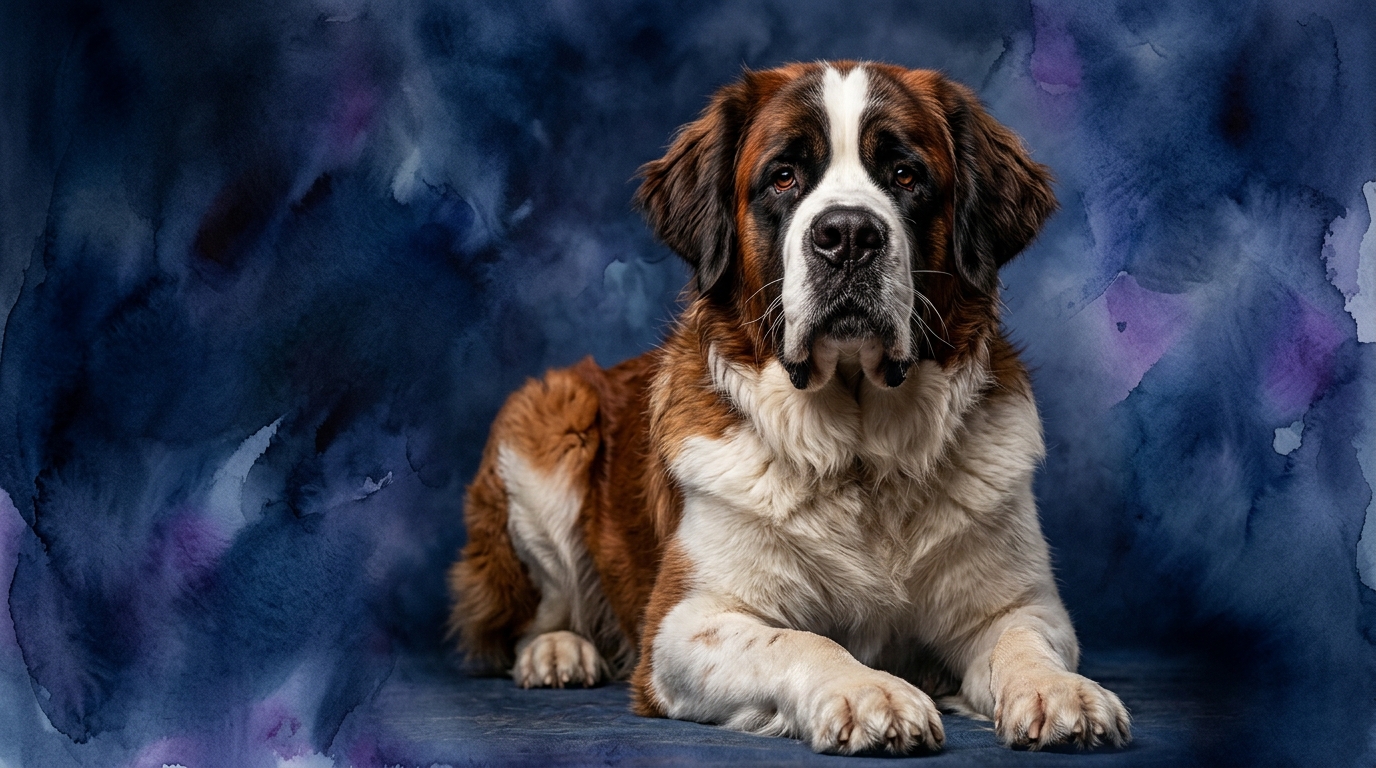
**Saint Bernard:** This breed's cognitive architecture reflects its heritage as a powerful working dog. Their **Problem Solving (3/5)** demonstrates a moderate capacity, typically leaning towards practical, physical solutions for navigating complex terrains or assisting in rescues. Acquiring new commands or routines can be a gradual process, reflected in their **Training Speed (2/5)**, demanding consistent, patient repetition. Saint Bernards exhibit robust social understanding with a **Social Intelligence (4/5)** score, adept at reading emotional cues and displaying empathy. Their **Instinctive Drive (5/5)** is exceptionally strong, rooted in their search and rescue history, manifesting as powerful protective and vigilant inclinations. Finally, their **Memory (3/5)** is moderate, reliably retaining learned behaviors and recognizing familiar individuals and environments.
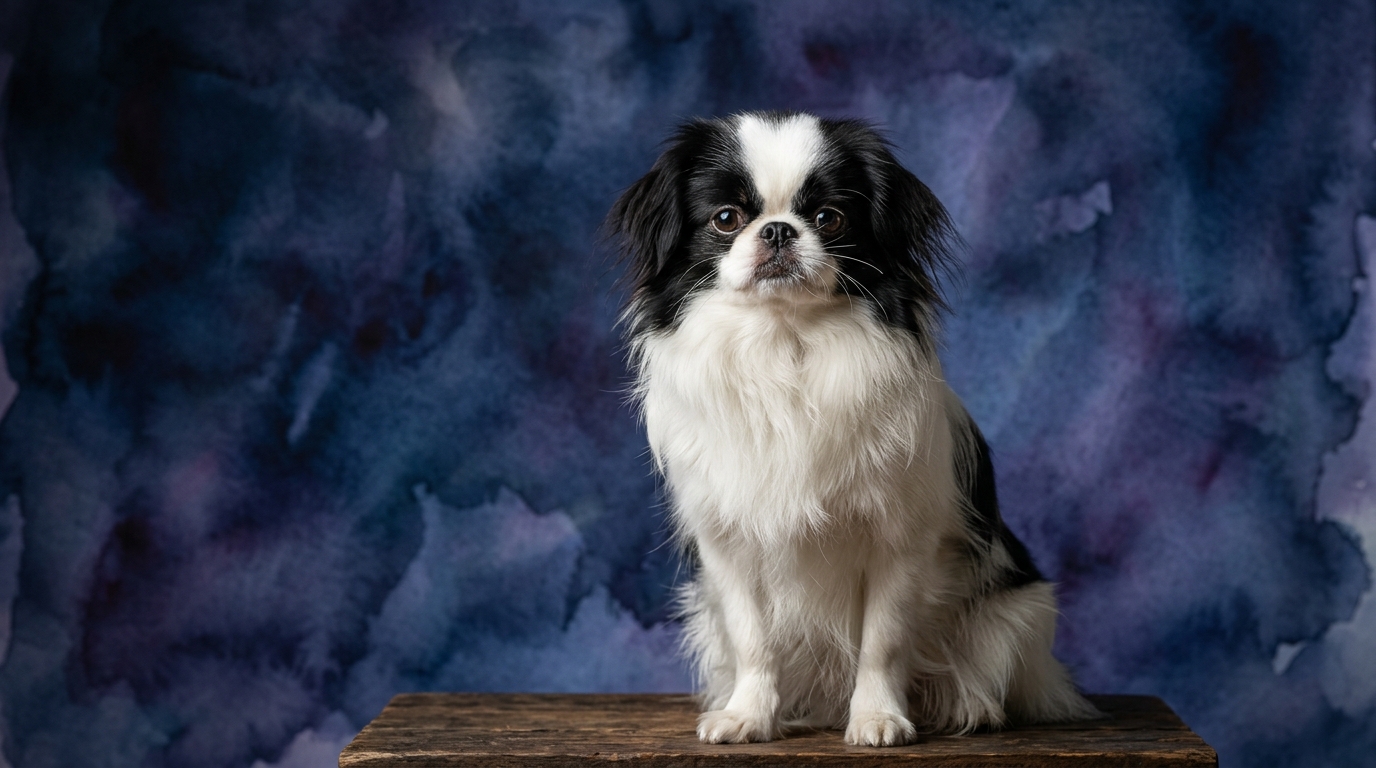
**Japanese Chin:** The Japanese Chin's cognitive profile is tailored for companionship and domestic life. Their **Problem Solving (3/5)** is moderate, often expressed through curiosity and finding clever ways to gain attention or comfort, using finesse rather than force. They generally learn new tasks at an average pace, with a **Training Speed (3/5)** that benefits from their eagerness to please and short, engaging sessions. Their **Social Intelligence (3/5)** is average, forming strong bonds with immediate family and being polite with familiar individuals, though perhaps without the same depth of empathetic response as higher-scoring breeds. The Japanese Chin has a moderate **Instinctive Drive (3/5)**, primarily geared towards companionship rather than strong working instincts. Their **Memory (3/5)** is also moderate, allowing them to reliably recall commands, routines, and familiar individuals.
Where the Saint Bernard Wins Cognitively
The Saint Bernard's cognitive strengths distinctly outshine the Japanese Chin in areas tied to their historical role as working dogs. Their **Instinctive Drive (5/5)** is paramount, reflecting centuries of breeding for specific, life-saving tasks. This isn't merely an urge to run; it's a deep-seated inclination towards vigilance, protection, and a natural orientation towards their human family's well-being. This powerful drive translates into an innate sense of responsibility, making them acutely aware of their surroundings and potentially responsive to distress signals, a cognitive trait far less developed in a companion breed.
Furthermore, their superior **Social Intelligence (4/5)** allows them to process and respond to complex human emotional states with greater nuance. A Saint Bernard often demonstrates a profound understanding of grief or anxiety in their human companions, offering comfort or altering their behavior to suit the mood of the room. This empathetic processing is a distinct cognitive advantage, enabling them to integrate more deeply into a family's emotional fabric compared to the Japanese Chin's average social awareness. Their moderate **Problem Solving (3/5)**, while numerically similar to the Chin, is often applied to more physically demanding or critical situations, such as navigating obstacles or assessing environmental changes, reflecting a different cognitive application rooted in their heritage.
Where the Japanese Chin Wins Cognitively
While the Saint Bernard excels in raw instinct and social depth, the Japanese Chin demonstrates a subtle cognitive edge in areas that prioritize adaptability and cooperative learning, particularly in **Training Speed (3/5)**. While both breeds score moderately in problem-solving and memory, the Chin's slightly higher training speed, even by a single point, signifies a potentially greater willingness and capacity to quickly grasp and execute novel commands. This often stems from their strong desire to engage with their human companions, making them more receptive to short, focused training sessions.
Their cognitive processes are geared towards interaction and pleasing their owners, which can make them more amenable to learning tricks or polite household manners without the same level of consistent, patient reinforcement a Saint Bernard requires. The Chin's intelligence, while not built for rugged outdoor tasks, is finely tuned for the complexities of domestic life. They often display a keen observational intelligence, learning routines and anticipating their owner's actions through subtle cues. This type of cognitive flexibility, focused on harmonious living, allows them to integrate seamlessly into a household with less overt effort, making them quick studies in the art of being a cherished companion.
Which is Easier to Train and Why
When considering ease of training, the Japanese Chin generally presents a more straightforward experience than the Saint Bernard, primarily due to their respective **Training Speed** scores. The Japanese Chin's **Training Speed (3/5)** suggests an average aptitude for learning, often coupled with a desire to please their human companions. This willingness to engage and cooperate means they are typically more responsive to positive reinforcement and can pick up new commands and routines within a reasonable timeframe. Their smaller size also means they are easier to physically manage during training sessions, and their potential for distraction is often more contained.
In contrast, the Saint Bernard's **Training Speed (2/5)** indicates a slower acquisition rate for new behaviors. This isn't a deficit in cognitive ability but rather a reflection of their independent nature and a tendency towards deliberate action. Training a Saint Bernard demands immense patience, consistency, and a deep understanding of their motivations. They require clear, concise commands and a strong, positive relationship with their handler to overcome their natural inclination to move at their own pace. Their sheer size means that early and consistent training in leash manners and basic obedience is not just beneficial but critical for managing such a powerful animal. While both breeds possess moderate memory, the Chin's quicker initial grasp of concepts gives them an edge in the initial stages of training, making the overall process feel less arduous for the average owner.
Which Suits Active Owners vs. Relaxed Owners
The choice between a Saint Bernard and a Japanese Chin hinges significantly on an owner's lifestyle, particularly their activity levels and preferences for canine engagement. The **Saint Bernard**, despite its moderate problem-solving and memory, and slower training speed, possesses an exceptionally high **Instinctive Drive (5/5)** and robust **Social Intelligence (4/5)**. While not requiring hours of strenuous running, they thrive with owners who appreciate their need for purpose, even if that purpose is 'family guardian.' They suit owners who are relaxed in pace but active in engagement – those who enjoy long, purposeful walks, outdoor time, and who can provide consistent, calm leadership. Their substantial size and protective nature mean they are better suited to homes with ample space, a secure yard, and owners prepared for their deliberate movements and considerable physical presence.
Conversely, the **Japanese Chin**, with its moderate scores across all cognitive dimensions, including **Training Speed (3/5)** and **Instinctive Drive (3/5)**, is an ideal companion for more relaxed owners. They are content with indoor activities, short walks, and thrive on close human companionship. Their cognitive profile, while not geared towards complex tasks, makes them adaptable and easily satisfied within a comfortable home environment. Owners who prefer a less physically demanding pet, appreciate a dog that can happily curl up on a lap for extended periods, and enjoy a companion whose primary drive is interaction, will find the Chin a perfect match. Their intelligence is best expressed through their charming personality and their ability to integrate seamlessly into a quiet, affectionate household.
The Verdict
Choose a Saint Bernard if you seek a loyal, protective, and deeply empathetic companion for a spacious home, where you can provide consistent, patient guidance and appreciate a dog with a strong, inherent sense of duty and family connection.
Opt for a Japanese Chin if you desire an affectionate, adaptable, and charming companion perfectly suited for indoor living and close human interaction, requiring moderate mental stimulation and thriving in a relaxed, attentive household.
🧠 Find Your Pet's IQ Score
Our Pet IQ Lab assessment covers 25+ tests across 5 cognitive dimensions — personalized to your breed.
Take the Full IQ Test →Frequently Asked Questions
Do Saint Bernards need a lot of mental stimulation?
Saint Bernards benefit from consistent mental engagement, though not necessarily in the form of complex puzzles. Their strong instinctive drive means they thrive on having a 'job,' even if it's supervising the family or participating in obedience training, which helps channel their natural tendencies.
Are Japanese Chins difficult to train due to their small size?
Japanese Chins are generally not difficult to train, especially with positive reinforcement and short, engaging sessions. Their moderate training speed and desire for human interaction make them receptive to learning basic commands and house manners, often quickly adapting to household routines.
How does the 'Instinctive Drive' score impact daily life for these breeds?
For a Saint Bernard, a high instinctive drive translates to a natural protectiveness and vigilance, requiring an owner to guide this powerful instinct appropriately. For a Japanese Chin, a moderate drive means their primary focus is companionship, making them less prone to strong hunting or guarding behaviors and more content with domestic life.