
Side-by-Side IQ Profile
To truly understand the cognitive landscape of these two distinct breeds, we delve into their individual IQ profiles across five crucial dimensions, as assessed by The Cosmic Pet Pet IQ Lab. This direct comparison highlights where their minds diverge and converge.
The Saint Bernard exhibits a moderate capacity for independent problem-solving (3/5). Their cognitive efforts in this area are often practical, historically focused on navigating treacherous alpine terrain or identifying stranded individuals during rescue operations. They can figure out solutions to real-world obstacles, but complex abstract puzzles are not their primary intellectual domain. With a training speed rated at 2 out of 5, the Saint Bernard learns new commands at a deliberate pace, necessitating a patient, consistent approach from trainers. Their learning style is thoughtful rather than quick, meaning owners must invest time and positive reinforcement to achieve desired outcomes. This breed truly shines in social intelligence, scoring a high 4/5. Saint Bernards possess an exceptional ability to interpret human body language, vocal tones, and emotional states, allowing them to form incredibly strong bonds and respond sensitively. A defining characteristic is its very strong instinctive drive (5/5), manifesting as powerful innate urges related to guarding, companionship, and a profound sense of responsibility. Their memory stands at a moderate 3/5, enabling them to reliably recall familiar faces, routines, and previously learned commands. Their Coren Rank #65 places them within the 'average working/obedience intelligence' tier.
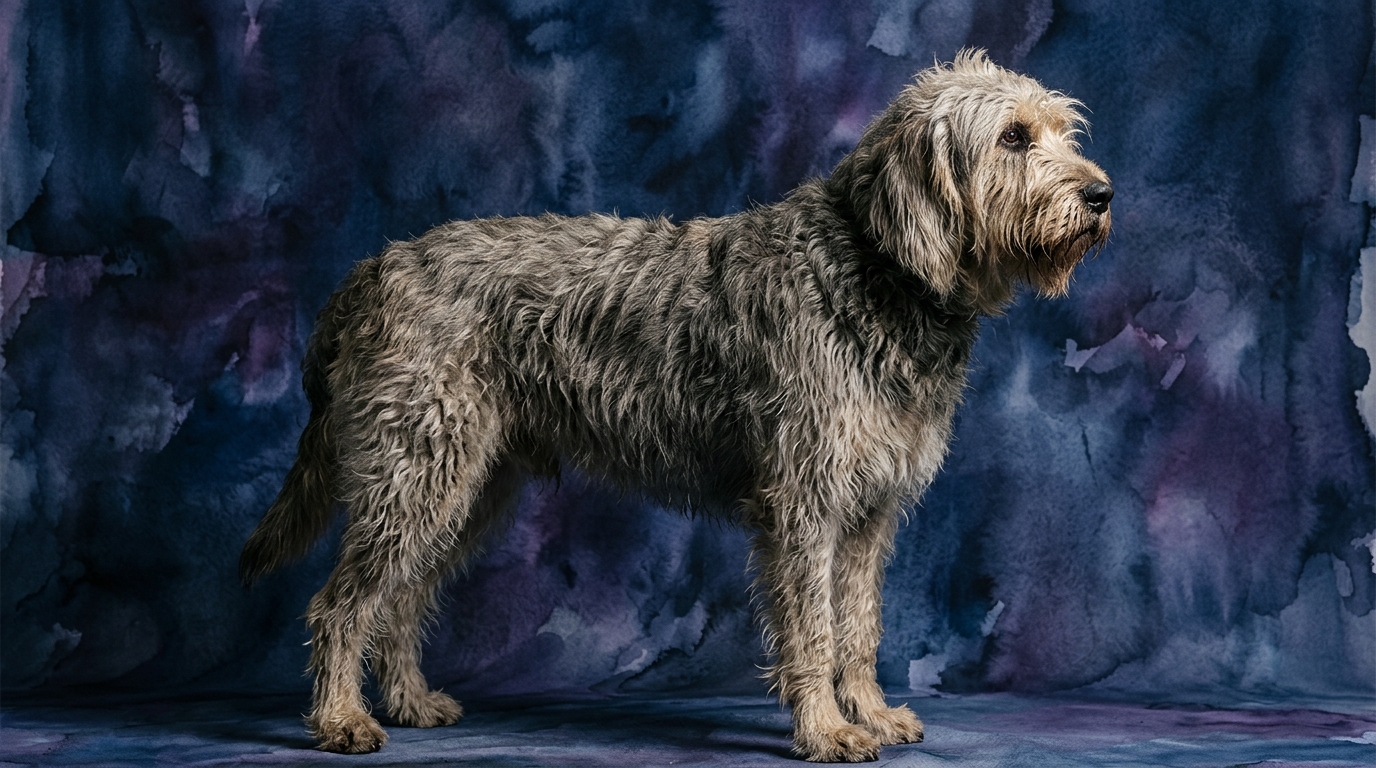
The Otterhound shares a problem-solving score of 3/5, indicating a moderate ability to tackle challenges. For this breed, problem-solving is intrinsically linked to their primary function: tracking, where they excel at figuring out complex scent trails and navigating varied terrains. Scoring a 3/5 in training speed, the Otterhound demonstrates a moderate pace for acquiring new commands and behaviors; they are generally responsive to training, capable of learning with consistent effort. The Otterhound's social intelligence is rated at 3/5, signifying a solid, amiable understanding of social dynamics, forming affectionate bonds with their families and interacting well with others. With an instinctive drive of 3/5, the Otterhound possesses a moderate but distinct inclination towards its inherent behaviors, primarily scenting and hunting. This drive is powerful enough to define their character, but it is generally more manageable than a 5/5 drive, allowing for a better balance with learned behaviors. The Otterhound also scores a 3/5 in memory, indicating a reliable capacity for recall, particularly evident in their ability to remember complex scent paths and familiar locations. As a less common and specialized breed, the Otterhound does not appear on the Coren ranking, but its specific cognitive profile provides a clear picture of its intellectual makeup.
Where Saint Bernard Wins Cognitively
The Saint Bernard's most prominent cognitive advantage lies in its exceptional social intelligence (4/5). These dogs are remarkably attuned to human emotions and intentions, making them empathetic companions and highly responsive to distress. This deep understanding allows them to form profound bonds and interpret subtle cues, which historically made them invaluable rescue animals capable of sensing and responding to human need. Additionally, their very strong instinctive drive (5/5), while sometimes challenging in training, provides a powerful foundation for purpose-driven tasks. This innate inclination towards specific behaviors, often related to protection, companionship, and their historical role, means they possess a natural predisposition for certain roles, which, when properly channeled, translates into unwavering dedication and reliability in their chosen function.
Where Otterhound Wins Cognitively
The Otterhound distinguishes itself with a slightly higher training speed (3/5) compared to the Saint Bernard's 2/5. This suggests they may grasp new commands and routines with a bit more alacrity, potentially making initial obedience training a somewhat smoother process. While neither breed is known for lightning-fast learning, the Otterhound's moderate pace offers a slight edge in acquiring new behaviors efficiently. Furthermore, the Otterhound's instinctive drive (3/5), while still present, is less overwhelming than the Saint Bernard's 5/5. This moderate drive, primarily focused on scent work, means their natural urges are more manageable and less likely to override learned behaviors or owner commands in general contexts, outside of a compelling scent trail. This balance can make them more adaptable to various home environments.
Which is Easier to Train and Why
Based on their respective IQ profiles, the Otterhound generally presents as the somewhat easier breed to train. Their training speed (3/5) indicates a moderate ability to acquire new commands, suggesting they can learn with consistent effort. While they possess a distinct instinctive drive for scent work, this drive is rated at 3/5, making it more manageable than the Saint Bernard's intense 5/5 drive. This means an Otterhound is less likely to be completely consumed by its instincts during training sessions, provided the environment isn't overwhelmingly filled with compelling scents.
The Saint Bernard, with its training speed of 2/5 and a formidable instinctive drive of 5/5, requires a more patient and dedicated approach. Their slower learning pace means more repetitions are needed, and their powerful inherent drives, often focused on their historical roles of rescue and guardianship, can sometimes overshadow attempts at formal obedience. Owners must find ways to channel these strong instincts positively, integrating them into training rather than attempting to suppress them, making the process more nuanced and time-intensive.
Which Suits Active Owners vs Relaxed Owners
For active owners, the Otterhound is generally a more suitable choice. Despite their moderate instinctive drive (3/5), their hound heritage means they possess considerable stamina and a deep-seated need for engaging their nose and body. Owners who enjoy long hikes, scent work, or activities that allow a dog to follow a trail will find the Otterhound a willing and capable partner. Their energy, though not hyperactive, requires consistent outlets to prevent boredom and destructive behaviors.
Relaxed owners might find the Saint Bernard a better fit, provided they can still meet its fundamental needs for purpose and companionship. While their instinctive drive (5/5) is strong, it often manifests as a desire for a 'job' within the family unit, such as guarding or simply being a present, watchful companion, rather than constant high-impact physical exertion. Their lower training speed (2/5) and high social intelligence (4/5) mean they thrive on consistent, calm interaction and benefit from a home environment where their gentle, observant nature is appreciated, even if they aren't engaged in rigorous daily activities beyond a steady walk. They are large dogs, however, so their exercise needs, while not extreme, are significant simply due to their size.
The Verdict
Opt for a Saint Bernard if you seek a deeply empathetic, highly socially intelligent companion who thrives on purpose within a family structure and you are prepared for a patient, consistent training journey to channel their strong instincts.
Select an Otterhound if you enjoy engaging in scent-based activities, appreciate a moderate training pace, and desire a charming, robust companion with a manageable, yet distinct, working drive.
🧠 Find Your Pet's IQ Score
Our Pet IQ Lab assessment covers 25+ tests across 5 cognitive dimensions — personalized to your breed.
Take the Full IQ Test →Frequently Asked Questions
Is a Saint Bernard difficult to train?
A Saint Bernard requires patient and consistent training due to its moderate training speed (2/5) and very strong instinctive drive (5/5). While they are highly socially intelligent, their learning style is deliberate, and their innate predispositions need careful guidance rather than suppression.
Do Otterhounds need a lot of exercise?
Otterhounds, as hounds, require regular exercise that engages both their bodies and their keen sense of smell. While their instinctive drive is moderate (3/5), daily walks, opportunities for scent work, and playtime are crucial to keep them mentally stimulated and physically fit.
Which breed is better with children, Saint Bernard or Otterhound?
The Saint Bernard's high social intelligence (4/5) often makes them incredibly gentle and tolerant with children, understanding social cues well. Otterhounds also tend to be good-natured (social intelligence 3/5), but their boisterous hound nature might be more overwhelming for very young children compared to the more placid Saint Bernard.