Side-by-Side IQ Profile
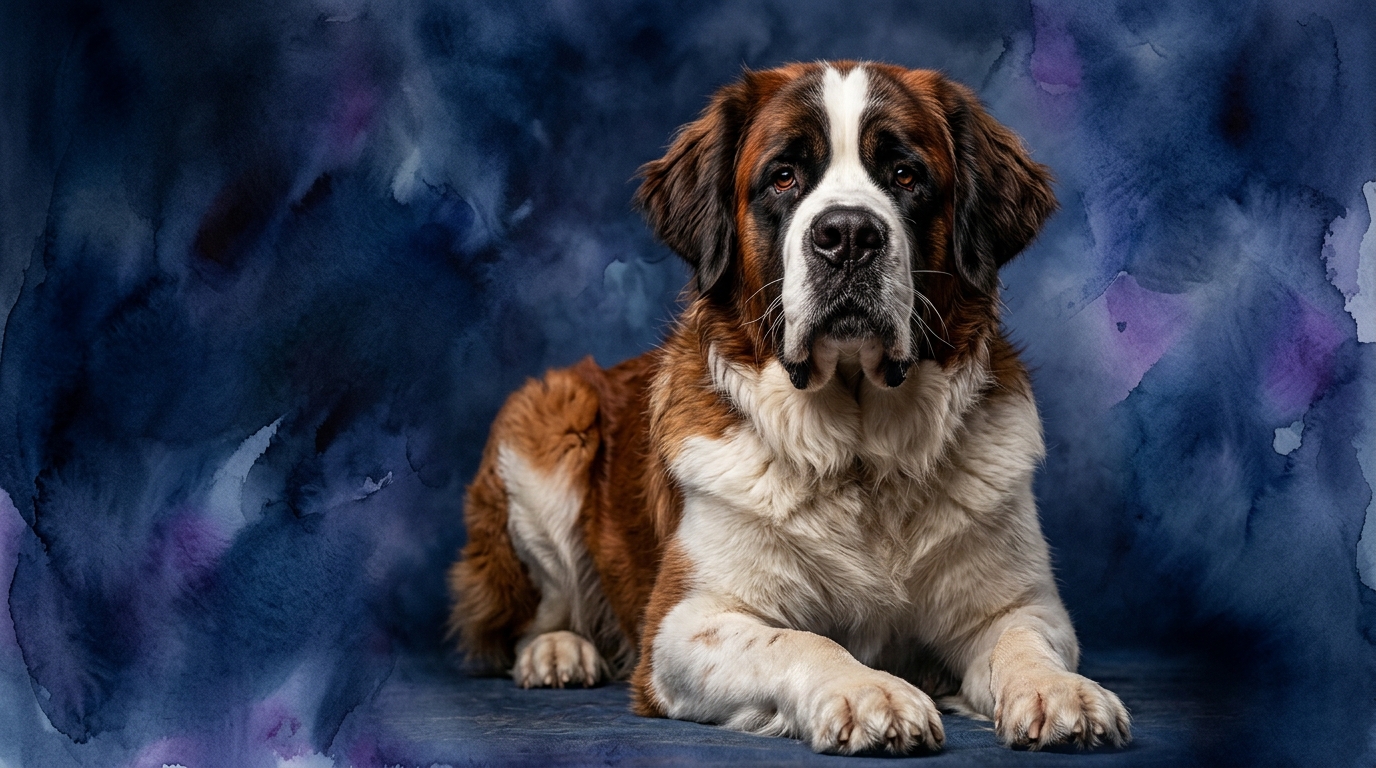
The Cosmic Pet Pet IQ Lab employs a five-dimensional framework to assess canine cognition, offering a granular view beyond simple obedience rankings. For the Saint Bernard, a breed historically dedicated to search and rescue in the challenging Alps, its profile reflects a deep-seated aptitude for its life-saving work. Its Problem Solving score of 3/5 suggests a moderate capacity for navigating complex environmental obstacles and making independent decisions in critical situations, but perhaps less for abstract puzzles. Training Speed at 2/5 indicates a deliberate learning pace, requiring patience and consistent reinforcement to master new commands. Where the Saint Bernard truly shines is in Social Intelligence, scoring 4/5, highlighting its profound empathy, ability to read human cues, and collaborative nature essential for working alongside handlers in rescue efforts. Its Instinctive Drive is exceptionally high at 5/5, reflecting an unwavering persistence and dedication to its task, such as locating avalanche victims. Memory at 3/5 suggests a solid retention of routes, faces, and learned procedures. Notably, the Saint Bernard holds a Coren rank of #65, placing it within the top tier of working dogs for obedience and adaptive intelligence.
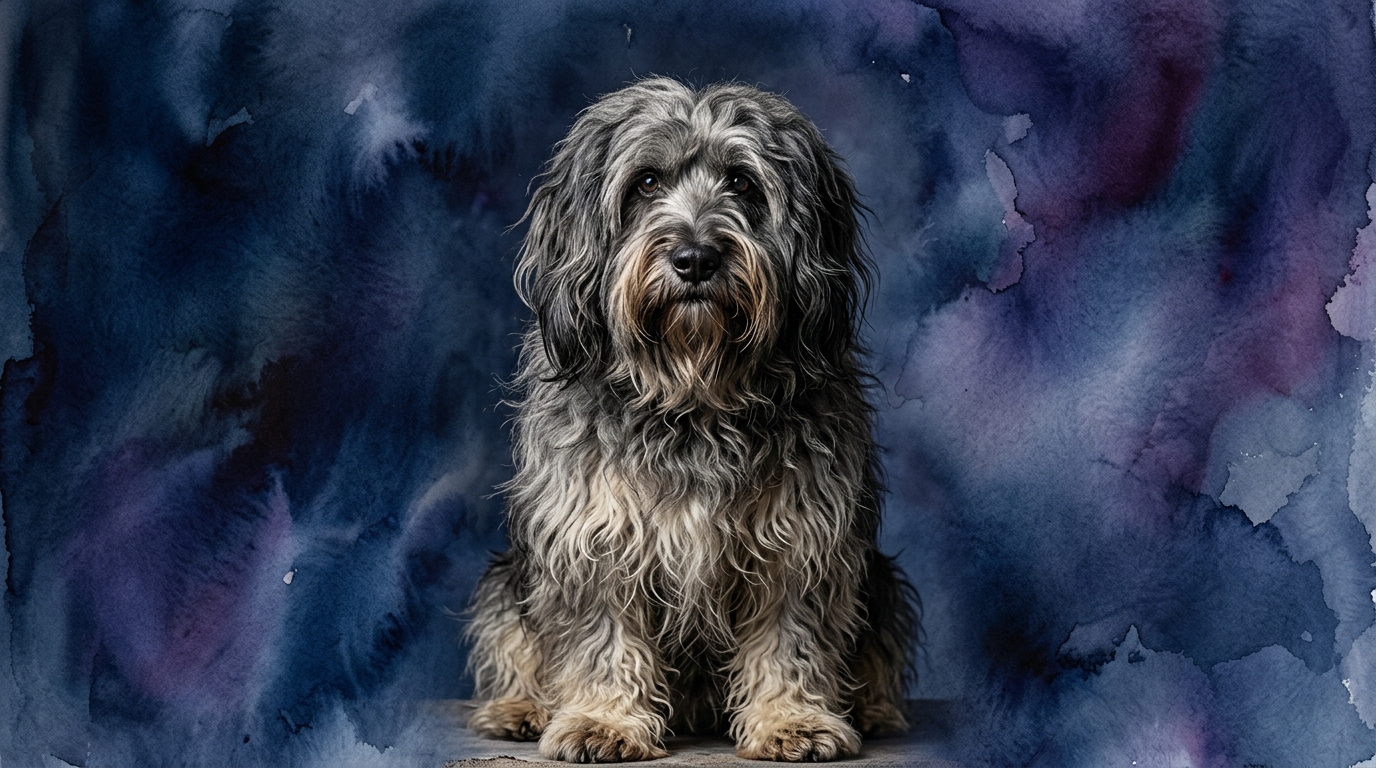
The Polish Lowland Sheepdog, or PON, presents a different cognitive blueprint, tailored to its historical role as a versatile herder. Unranked by Coren, its intelligence is perhaps better understood through its specific herding demands. It scores 3/5 in Problem Solving, indicating a practical intelligence focused on managing and anticipating flock movements, adapting strategies in real-time within a dynamic environment. Its Training Speed is 3/5, suggesting a moderate ability to grasp new commands and routines, making it generally responsive to instruction. Social Intelligence for the PON is 3/5, meaning it forms strong bonds with its family and is attentive to its handler, but also possesses a degree of independent thought characteristic of many herding breeds. Instinctive Drive at 3/5 reflects a functional herding instinct, present but typically manageable, driving it to organize and control. Memory for the PON is also 3/5, enabling it to remember routines, boundaries, and learned tasks efficiently.
Where Saint Bernard Wins Cognitively
The Saint Bernard truly excels in areas where deep connection and unwavering persistence are paramount. Its superior Social Intelligence, rated 4/5 compared to the PON's 3/5, allows it to forge exceptionally strong empathetic bonds with humans. This isn't merely friendliness; it's a sophisticated ability to interpret subtle human emotions and intentions, making them extraordinarily attuned companions and partners in crisis. For rescue work, this capacity to connect and reassure is invaluable. Furthermore, the Saint Bernard's Instinctive Drive, an impressive 5/5 against the PON's 3/5, signifies an unparalleled dedication to a mission. This manifests as an indomitable will to continue a task, such as searching for a buried person, despite harsh conditions or fatigue. It’s a profound, tenacious focus that few breeds can match, born from centuries of selective breeding for life-saving efforts.
Where Polish Lowland Sheepdog Wins Cognitively
While the Saint Bernard's strengths lie in empathy and sheer dedication, the Polish Lowland Sheepdog demonstrates distinct cognitive advantages in areas requiring quick adaptability and nuanced control. Its Training Speed of 3/5 surpasses the Saint Bernard's 2/5, indicating a quicker uptake of new commands and a more agile response to learning. This moderate learning curve makes the PON generally more efficient in acquiring new skills and adapting to varied instructions. Moreover, while both breeds score 3/5 in Problem Solving, the *nature* of their problem-solving differs. The PON's intelligence is geared towards the dynamic challenges of flock management – anticipating the movements of animals, strategically positioning itself, and making on-the-spot adjustments to maintain control. This practical, real-time problem-solving in a fluid environment highlights a different kind of cognitive flexibility compared to the Saint Bernard's more enduring, navigational problem-solving in static or slowly changing landscapes. The PON's moderate Instinctive Drive (3/5) also allows for a more balanced integration of its natural herding behaviors with training, making it easier to channel these instincts into constructive activities rather than potentially overwhelming them.
Which is Easier to Train and Why
Evaluating ease of training requires understanding both a breed's learning speed and its intrinsic motivations. The Polish Lowland Sheepdog, with its Training Speed rated at 3/5, generally proves more responsive and quicker to pick up new commands than the Saint Bernard, which scores 2/5. The PON's herding background necessitates a certain level of attentiveness to handler cues and an ability to learn complex sequences, though their independent streak can sometimes emerge. They thrive on structured training and mental engagement, often finding joy in mastering new tasks. In contrast, the Saint Bernard's slower training speed means that patience and consistent, positive reinforcement are crucial. While they possess high social intelligence and a desire to please, their sheer size and powerful build mean that early and thorough training is essential for manageability. Their robust instinctive drive, while wonderful for their historical role, can sometimes make them less inclined to drop a task if they perceive it as important, requiring a calm, authoritative approach to redirect their focus. Therefore, for an owner seeking a dog that will grasp new commands with relative alacrity and enjoys regular training sessions, the Polish Lowland Sheepdog typically presents a more straightforward training experience.
Which Suits Active Owners vs Relaxed Owners
The choice between a Saint Bernard and a Polish Lowland Sheepdog often hinges on an owner's lifestyle and energy levels. The Saint Bernard, despite its imposing size, generally suits more relaxed owners who appreciate a calm, steady companion. While they require consistent, moderate exercise to maintain their health and prevent boredom, they are not typically driven by a need for intense, prolonged physical activity. Their high social intelligence means they thrive on human companionship and are content with leisurely walks, garden play, and quality time with their family. They fit well into homes where a large, gentle presence is desired and where consistent, patient interaction is valued over constant activity. Conversely, the Polish Lowland Sheepdog is a better match for active owners. As a herding breed, the PON possesses a moderate instinctive drive that needs an outlet. They are agile, intelligent, and benefit immensely from regular, engaging physical and mental stimulation. Owners who enjoy dog sports like agility, obedience, or herding trials, or those who can provide extensive daily walks, hikes, or vigorous play sessions, will find the PON to be an enthusiastic and fulfilling partner. Their moderate training speed and problem-solving abilities mean they excel when given a 'job' to do, making them unsuitable for sedentary lifestyles.
The Verdict
Choose the Saint Bernard if you seek a deeply empathetic, patient, and steadfast companion, and are prepared for a slower training pace but a profound bond.
Choose the Polish Lowland Sheepdog if you desire an agile, responsive, and mentally engaged partner for an active lifestyle, enjoying consistent training and varied activities.
🧠 Find Your Pet's IQ Score
Our Pet IQ Lab assessment covers 25+ tests across 5 cognitive dimensions — personalized to your breed.
Take the Full IQ Test →Frequently Asked Questions
Do Saint Bernards make good family dogs?
Yes, Saint Bernards often excel as family dogs due to their high social intelligence and gentle nature. They are typically patient and affectionate with children, forming strong bonds with all family members, provided they receive proper socialization and training from a young age due to their large size.
Are Polish Lowland Sheepdogs good for first-time dog owners?
Polish Lowland Sheepdogs can be a good fit for dedicated first-time owners who are prepared for their energy and mental needs. Their moderate training speed and independent streak mean they require consistent, positive training and ample mental stimulation to thrive, which can be a commitment for new owners.
What kind of mental exercise do these breeds need?
Saint Bernards benefit from puzzle toys, scent work, and consistent, gentle training sessions that reinforce their social bonds. Polish Lowland Sheepdogs require more structured mental challenges like obedience training, agility, herding games, and puzzle toys that engage their problem-solving skills and moderate instinctive drive.