
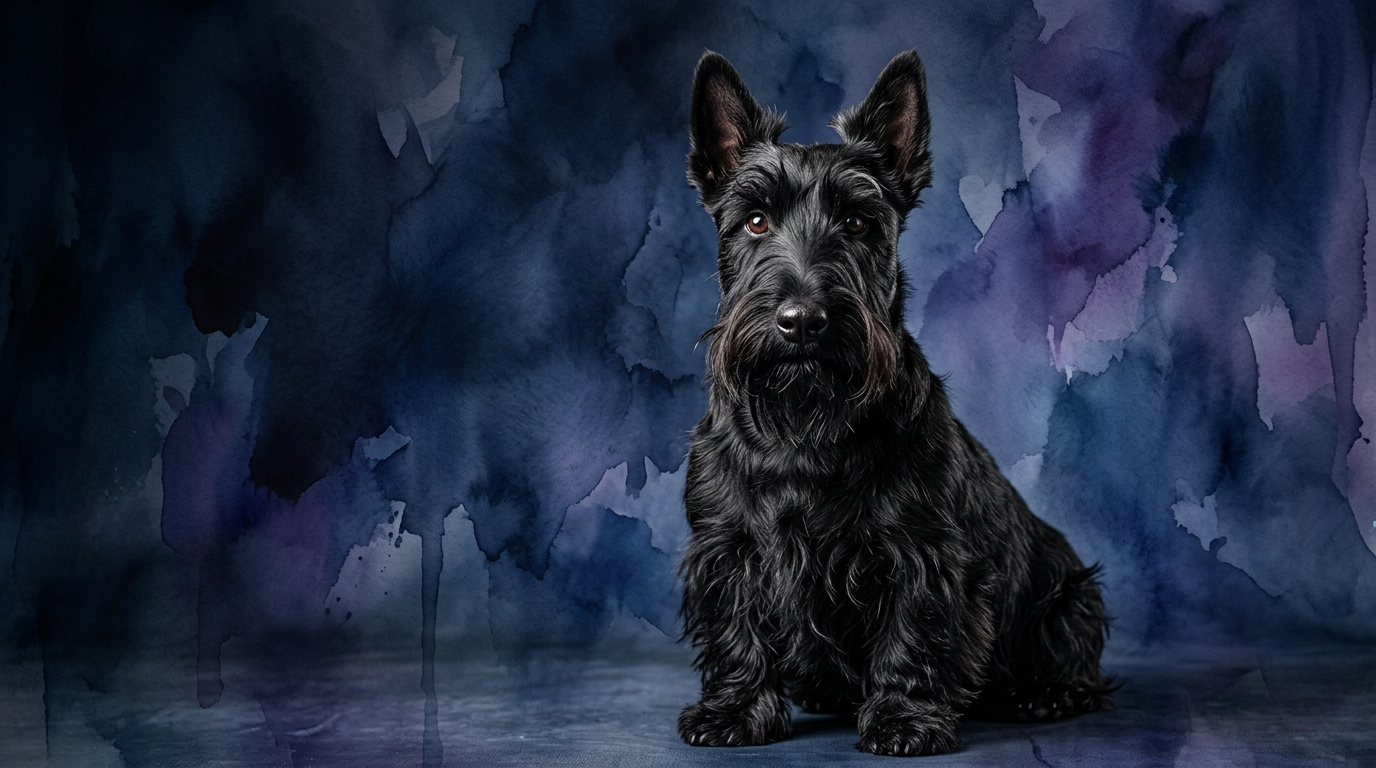
The Cosmic Pet Pet IQ Lab: Saint Bernard vs. Scottish Terrier Profile
Our Cosmic Pet Pet IQ Lab provides a comprehensive look at canine cognitive abilities across five key dimensions. For the Saint Bernard, a dog from the Working group, we observe a Coren rank of #65, indicating a respectable capacity for learning and obedience. Their Problem Solving score stands at 3/5, suggesting a moderate ability to navigate novel challenges independently. Training Speed is rated 2/5, implying a slower pace in acquiring new commands, often requiring consistent, patient repetition. Social Intelligence shines at 4/5, reflecting a strong aptitude for understanding human emotions and social cues, crucial for their historical role as companions and rescuers. Finally, their Instinctive Drive is a robust 5/5, highlighting a powerful inherent motivation for specific tasks, whether it's companionship or historical rescue work, and their Memory is 3/5, indicating an average retention of experiences and learned behaviors.
In contrast, the Scottish Terrier, a member of the Terrier group, shares the same Coren rank of #65, yet presents a distinct cognitive blueprint. Their Problem Solving ability is also 3/5, showing a comparable capacity for tackling puzzles. Where they diverge significantly is in Training Speed, scoring 3/5, which suggests a quicker grasp of new instructions than the Saint Bernard, though still requiring engaging methods. Social Intelligence for the Scottish Terrier is 3/5, indicating a solid but perhaps less outwardly demonstrative understanding of human social dynamics. Their Instinctive Drive is 3/5, reflecting a moderate, yet persistent, inherent motivation often tied to their terrier heritage of hunting and digging. Their Memory aligns with the Saint Bernard at 3/5, denoting an average recall of past events and training.
Where the Saint Bernard's Cognition Excels
The Saint Bernard truly shines in dimensions that underscore their history as compassionate rescuers and devoted companions. Their exceptional Social Intelligence, rated at 4/5, allows them to process and respond to human emotional states with remarkable sensitivity. This isn't merely about recognizing a command; it's about discerning subtle shifts in tone, body language, and distress, enabling them to offer comfort or assistance proactively. This cognitive strength makes them deeply empathetic and attuned to their family's needs, fostering a profound bond that few breeds can match.
Furthermore, the Saint Bernard's Instinctive Drive, a towering 5/5, speaks to an inherent, powerful motivation that guides their actions. Historically, this drive was channeled into search and rescue in treacherous alpine conditions, demanding unwavering focus and endurance. Cognitively, this translates into a strong, sustained purposefulness once engaged in a task they perceive as meaningful. While their Problem Solving is average, their drive ensures they will persist, using their physical and mental resources to overcome obstacles in pursuit of their perceived objective, whether it's 'finding' a lost toy or 'guarding' their family.
Where the Scottish Terrier's Cognition Takes the Lead
The Scottish Terrier, while sharing the same overall intelligence rank, demonstrates a distinct cognitive advantage in the area of Training Speed, scoring 3/5 compared to the Saint Bernard's 2/5. This indicates a quicker uptake of new commands and routines, often requiring fewer repetitions to solidify a learned behavior. Their terrier tenacity, coupled with this slightly faster processing for instruction, means they can move through basic obedience and trick training at a brisker pace, making for more dynamic and engaging training sessions.
This quicker training speed often stems from a focused attentiveness when motivated, allowing them to form associations between cues and actions more efficiently. While their Instinctive Drive is not as overpowering as the Saint Bernard's, it is sufficiently strong to fuel their engagement in tasks that align with their inherent desires, such as puzzle toys that simulate hunting or scent work. Their Problem Solving at 3/5 means they are capable of figuring out challenges, and their quicker training speed allows them to apply those solutions more readily once taught.
Training Dynamics: Saint Bernard vs. Scottish Terrier
When it comes to ease of training, the Scottish Terrier generally presents a more straightforward path for the average owner, primarily due to their higher Training Speed (3/5). Scotties tend to grasp new concepts and commands with fewer repetitions, responding well to positive reinforcement and varied training techniques. However, their independent terrier spirit means they can sometimes be stubborn or decide a task isn't worth their effort, requiring consistent motivation and making training sessions engaging and rewarding.
The Saint Bernard, with a Training Speed of 2/5, typically requires more patience and consistency. They may take longer to process and internalize new commands, but their high Social Intelligence (4/5) and strong Instinctive Drive (5/5) can be leveraged effectively. A Saint Bernard's desire to please their human, coupled with their inherent purposefulness, means that once a behavior is learned and understood as beneficial or desired, they are likely to perform it reliably. Training for a Saint Bernard often benefits from establishing a clear, trusting relationship where they understand their role and purpose within the family unit.
Real behavioral differences often surface during training: a Saint Bernard might be slower to respond but ultimately eager to comply out of devotion, while a Scottish Terrier might learn quickly but then decide to 'negotiate' the terms of their compliance based on current interest. For the Saint Bernard, motivation often comes from pleasing their beloved people; for the Scottie, it's often about what's in it for them, or the sheer joy of the 'game'.
Lifestyle Suitability: Active vs. Relaxed Owners
The Saint Bernard, despite its imposing size, often suits owners who appreciate a more relaxed, yet deeply bonded, companionship. Their strong Instinctive Drive (5/5) means they thrive with a sense of purpose, which can be fulfilled through consistent, gentle training, family involvement, or even low-impact 'search and rescue' games in the backyard. While not requiring hours of high-intensity exercise, they do need regular, moderate activity to maintain health and mental stimulation, such as long, leisurely walks or supervised outdoor play. Their high Social Intelligence makes them wonderful family dogs, content to be included in daily routines and offering calm, affectionate presence.
The Scottish Terrier, with its moderate Instinctive Drive (3/5) and a history rooted in hunting, is better suited for owners who enjoy a more active, engaging lifestyle. They possess a lively curiosity and a robust energy level that requires regular outlets. Daily walks, engaging play sessions, and opportunities for mental stimulation through puzzle toys or scent games are crucial to prevent boredom and destructive behaviors. While they enjoy companionship, their independent nature means they are often content with periods of self-entertainment, making them suitable for owners who appreciate a dog with a bit more self-directed spirit. Their Problem Solving at 3/5 means they appreciate challenges that keep their minds busy.
The Verdict: When to Choose Each Breed
The Verdict
Choose the Saint Bernard if you seek a deeply empathetic, devoted companion who thrives on purpose and a strong family bond, and you are prepared for patient, consistent training.
Opt for the Scottish Terrier if you appreciate a spirited, independent companion who learns quickly and enjoys engaging mental and physical activities, and you can provide consistent, stimulating engagement.
🧠 Find Your Pet's IQ Score
Our Pet IQ Lab assessment covers 25+ tests across 5 cognitive dimensions — personalized to your breed.
Take the Full IQ Test →Frequently Asked Questions
Do Saint Bernards require a lot of exercise?
While large, Saint Bernards do not typically require intense, high-impact exercise. They benefit from regular, moderate activity like daily walks and supervised playtime, which helps maintain their physical health and provides mental stimulation for their high instinctive drive.
Are Scottish Terriers easy to train for first-time dog owners?
Scottish Terriers have a quicker training speed, which can be advantageous for first-time owners. However, their independent nature requires consistent, positive reinforcement and engaging methods to prevent stubbornness, so an owner prepared for dedication will succeed.
Which breed is better with children, based on their IQ profile?
Based on their IQ profiles, the Saint Bernard's higher Social Intelligence (4/5) suggests a greater natural aptitude for understanding and interacting gently with children, often displaying patience and empathy. The Scottish Terrier (3/5 Social Intelligence) can be good with children but may require more supervision due to their independent and sometimes spirited nature.