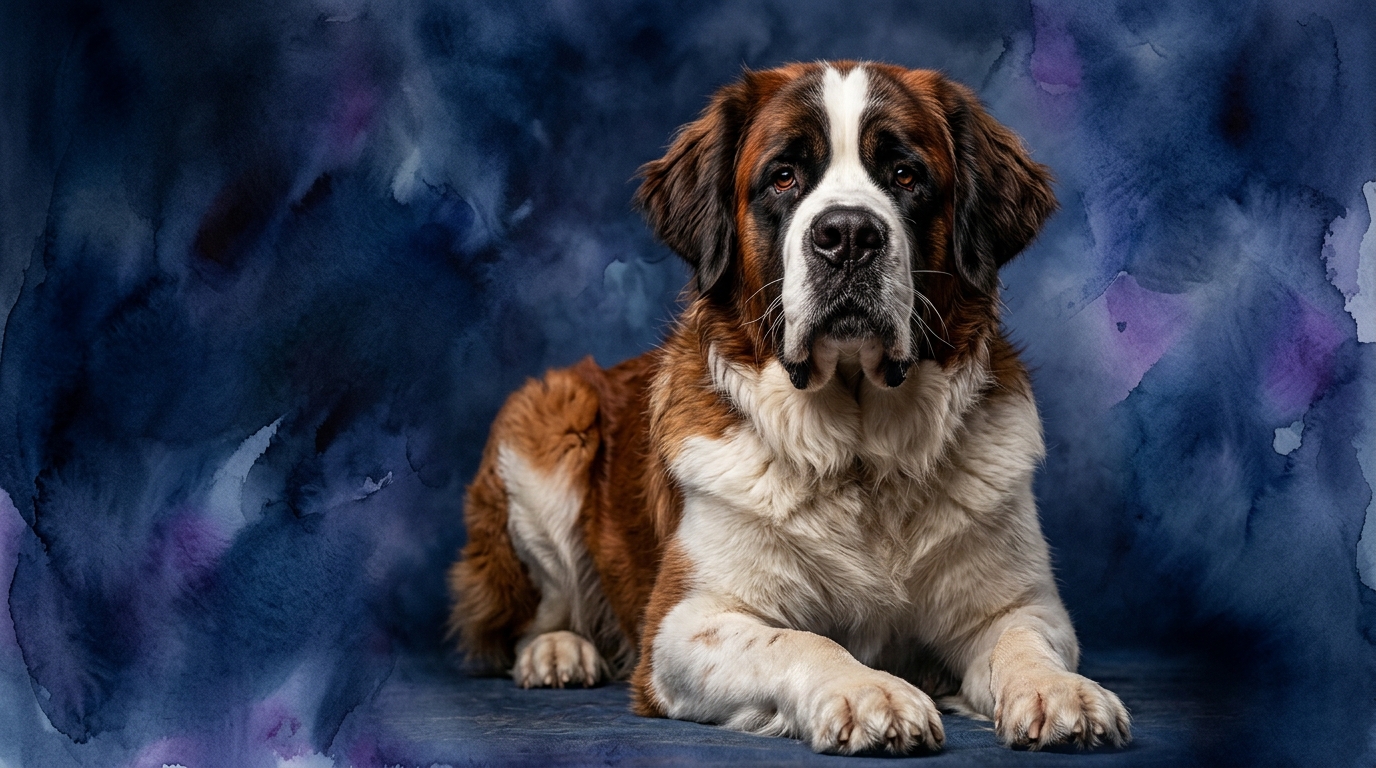
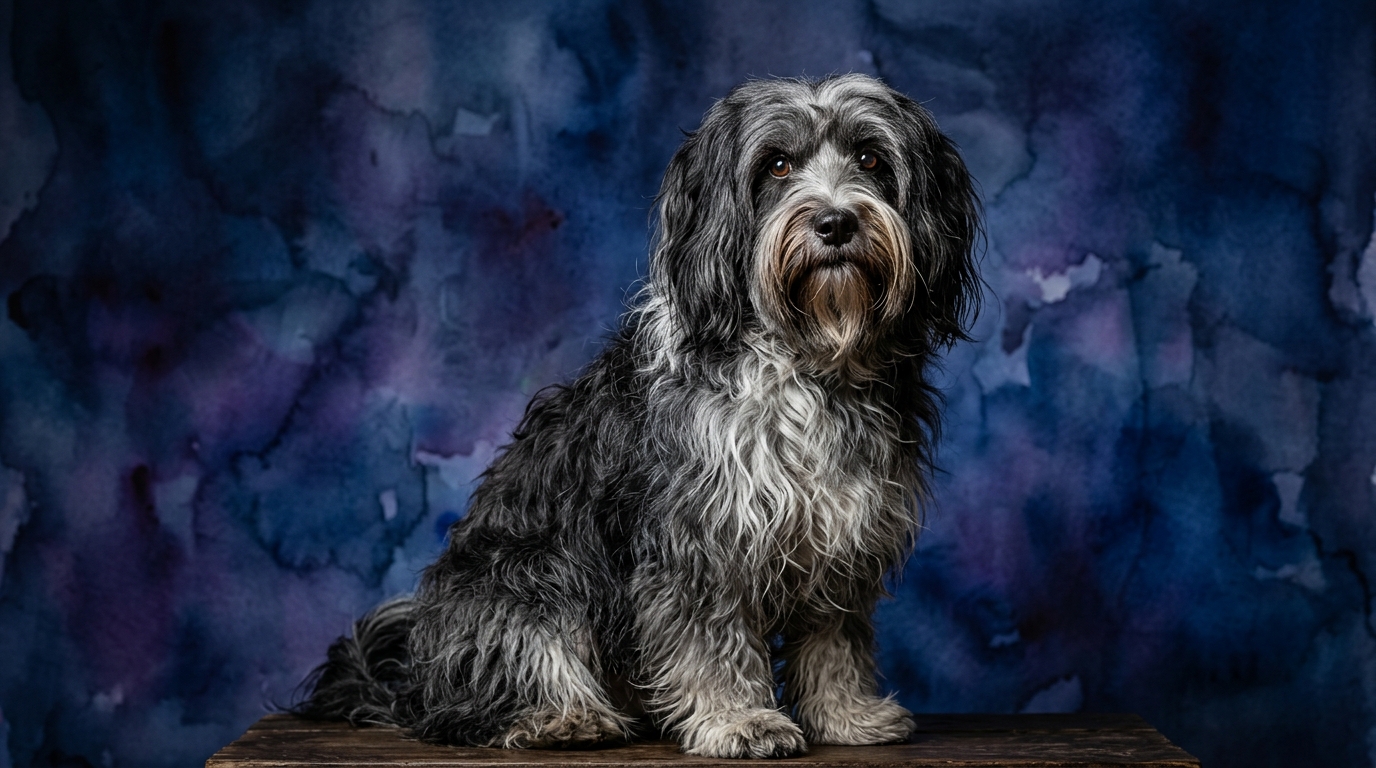
Side-by-Side IQ Profile: Saint Bernard vs. Tibetan Terrier
The Saint Bernard, a magnificent working breed, exhibits a unique blend of cognitive traits. Its Problem Solving ability stands at 3/5, indicating a moderate capacity for independent thought and navigating novel situations, often relying on learned patterns rather than spontaneous innovation. Training Speed for the Saint Bernard is rated 2/5, suggesting a more deliberate learning pace, where repetition and patience are key to solidifying commands. However, its Social Intelligence shines at 4/5, reflecting a deep understanding of human emotions and social cues, crucial for its historical role as a companion and rescuer. The breed's Instinctive Drive is exceptionally strong at 5/5, manifesting in powerful protective instincts and a natural inclination for tasks like guarding or seeking, making them highly attuned to their environment and family. Memory for the Saint Bernard is a solid 3/5, allowing them to retain commands and experiences effectively over time, contributing to their reliability.
In contrast, the Tibetan Terrier, a spirited non-sporting breed, presents a different cognitive blueprint. Its Problem Solving score is also 3/5, showing a similar moderate capability for independent thought and adapting to new challenges, often with a clever, albeit sometimes stubborn, approach. The Tibetan Terrier's Training Speed is rated 3/5, indicating a quicker grasp of new commands compared to the Saint Bernard, suggesting they can pick up new skills with slightly less repetition. Social Intelligence for the Tibetan Terrier is 3/5, meaning they are generally attuned to human interactions but might display a more independent streak compared to the Saint Bernard's profound empathy. Instinctive Drive is 3/5, reflecting a balanced set of natural urges, including moderate territoriality and an inclination for companionship rather than intense working roles. Their Memory, like the Saint Bernard, is rated 3/5, ensuring they can recall learned behaviors and past experiences with good consistency.
Where the Saint Bernard Wins Cognitively
The Saint Bernard's cognitive strengths distinctly lie in its profound Social Intelligence and unparalleled Instinctive Drive. With a 4/5 in Social Intelligence, these dogs possess an innate ability to read human emotions, offering comfort or understanding without explicit commands. This sensitivity makes them exceptional therapy dogs and deeply empathetic family members, responding intuitively to distress or joy. Their 5/5 Instinctive Drive also sets them apart, manifesting as a powerful, almost primal, urge to protect and serve their family, or to engage in tasks that tap into their natural seeking behaviors. This drive isn't merely about following commands; it's an intrinsic motivation that can be channeled into specific roles, making them incredibly reliable in situations requiring steadfast loyalty and observation, such as guarding or even nuanced rescue work, where they must assess a situation and act on instinct. For instance, a Saint Bernard might instinctively position itself between a child and a perceived threat, or gently nudge a distressed owner, demonstrating a level of social understanding that goes beyond simple obedience.
Where the Tibetan Terrier Wins Cognitively
The Tibetan Terrier’s cognitive edge primarily emerges in its Training Speed. Scoring 3/5 in this dimension, compared to the Saint Bernard's 2/5, indicates that Tibetan Terriers generally process and internalize new commands more quickly. This means they often require fewer repetitions to learn a new trick or behavior, which can make initial training sessions feel more dynamic and efficient. While both breeds show moderate problem-solving abilities, the Tibetan Terrier's quicker training speed, combined with its independent nature, allows it to adapt to varied training methodologies and excel in activities like agility or obedience trials where rapid learning and responsiveness are valued. This doesn't imply greater overall intelligence, but rather a specific aptitude for acquiring new behavioral patterns with relative swiftness, making them rewarding partners for owners who enjoy teaching a wide repertoire of commands and tricks.
Which is Easier to Train and Why
Based on our Pet IQ Lab metrics, the Tibetan Terrier generally presents as the easier breed to train due to its higher Training Speed score of 3/5 compared to the Saint Bernard’s 2/5. This difference suggests that Tibetan Terriers tend to grasp new concepts and commands with fewer repetitions, often demonstrating a quicker 'aha!' moment. Their moderate instinctive drive also means they may be less distracted by intense external stimuli that could pull a Saint Bernard's strong drives in another direction. For example, a Tibetan Terrier might pick up 'sit' or 'stay' in fewer sessions, allowing for quicker progression to more complex commands.
The Saint Bernard's slower Training Speed means that owners must commit to more consistent, patient, and repetitive training sessions. While they possess a keen Social Intelligence and powerful Instinctive Drive, these traits don't translate directly into rapid obedience learning. Their strong instinctive drive, while valuable for specific tasks, can also mean they are more inclined to follow their own powerful urges unless training is exceptionally clear and consistent. For instance, house-training a Saint Bernard might require more consistent scheduling and positive reinforcement over a longer period, while a Tibetan Terrier might establish the routine more swiftly once the pattern is understood. Ultimately, both breeds can be well-trained, but the Tibetan Terrier's inherent learning pace gives it an edge in the 'ease of training' category for the average owner.
Suitability for Active vs. Relaxed Owners
For active owners seeking a canine companion, the Tibetan Terrier often presents a more suitable match. Their moderate instinctive drive and quicker training speed mean they can readily engage in various activities like hiking, agility, or longer walks without being overwhelmed or prone to the intense single-mindedness of a working breed. While not hyperactive, their playful nature and adaptability make them excellent partners for owners who enjoy consistent, varied exercise and mental stimulation. They thrive on engagement and can keep pace with an owner's active lifestyle, enjoying exploration and new experiences with enthusiasm.
Conversely, relaxed owners might find the Saint Bernard a more appropriate fit, despite its imposing size. Their lower training speed and formidable instinctive drive, combined with a generally more placid demeanor indoors, align well with a less demanding routine. While they require regular, moderate exercise to maintain health, their social intelligence makes them content with being a calm, observant presence within the home, deeply attuned to their family's rhythm. Their powerful build means sustained strenuous activity isn't their primary domain; instead, they excel in providing steadfast companionship and quiet guardianship, making them ideal for individuals or families who appreciate a loyal, gentle giant content with a relaxed pace of life and plenty of affectionate interaction.
The Verdict
Choose the Saint Bernard if you value profound social sensitivity, a powerful protective instinct, and are prepared for a deliberate training journey with a gentle giant.
Opt for the Tibetan Terrier if you prefer a quicker learner, a moderately active companion, and appreciate a spirited, independent temperament that thrives on varied engagement.
🧠 Find Your Pet's IQ Score
Our Pet IQ Lab assessment covers 25+ tests across 5 cognitive dimensions — personalized to your breed.
Take the Full IQ Test →Frequently Asked Questions
Are Saint Bernards good family dogs?
Yes, Saint Bernards are generally excellent family dogs due to their high social intelligence and deep affection for their human companions. They are patient and gentle with children, often forming strong bonds and acting as watchful, protective presences within the home.
Do Tibetan Terriers bark a lot?
Tibetan Terriers can be prone to barking, particularly when alerting their owners to perceived changes in their environment or expressing excitement. Consistent training and early socialization can help manage this tendency, but their alert nature means some vocalization is inherent to the breed.
Which breed requires more grooming?
Both breeds require significant grooming, but for different reasons. The Saint Bernard's short to long double coat sheds heavily and needs regular brushing to manage loose hair and prevent matting, especially in longer-haired varieties. The Tibetan Terrier's long, flowing double coat is non-shedding but requires daily brushing to prevent tangles and mats, making its grooming demands generally more intensive and time-consuming to maintain its signature look.