
Side-by-Side IQ Profile: Saint Bernard vs. Welsh Terrier
**Saint Bernard (Working Group, Coren Rank #65)**: This majestic breed exhibits a cognitive profile shaped by its historical role. Its **Problem Solving (3/5)** capacity is moderate, often relying on steady, methodical approaches to challenges rather than quick deductions, like figuring out simple latches. **Training Speed (2/5)** is deliberate, requiring consistent repetition and patience for new commands to solidify, reflecting an independent and calm disposition. **Social Intelligence (4/5)** is a significant strength, showing a deep attunement to human cues and emotions, fostering empathetic bonds within the family. An exceptional **Instinctive Drive (5/5)**, rooted in rescue heritage, manifests as a calm, watchful guardianship and a natural inclination to be aware of its surroundings and family's well-being. Finally, **Memory (3/5)** is solid and reliable for routines and learned commands, though not exceptionally keen for intricate, less reinforced details.
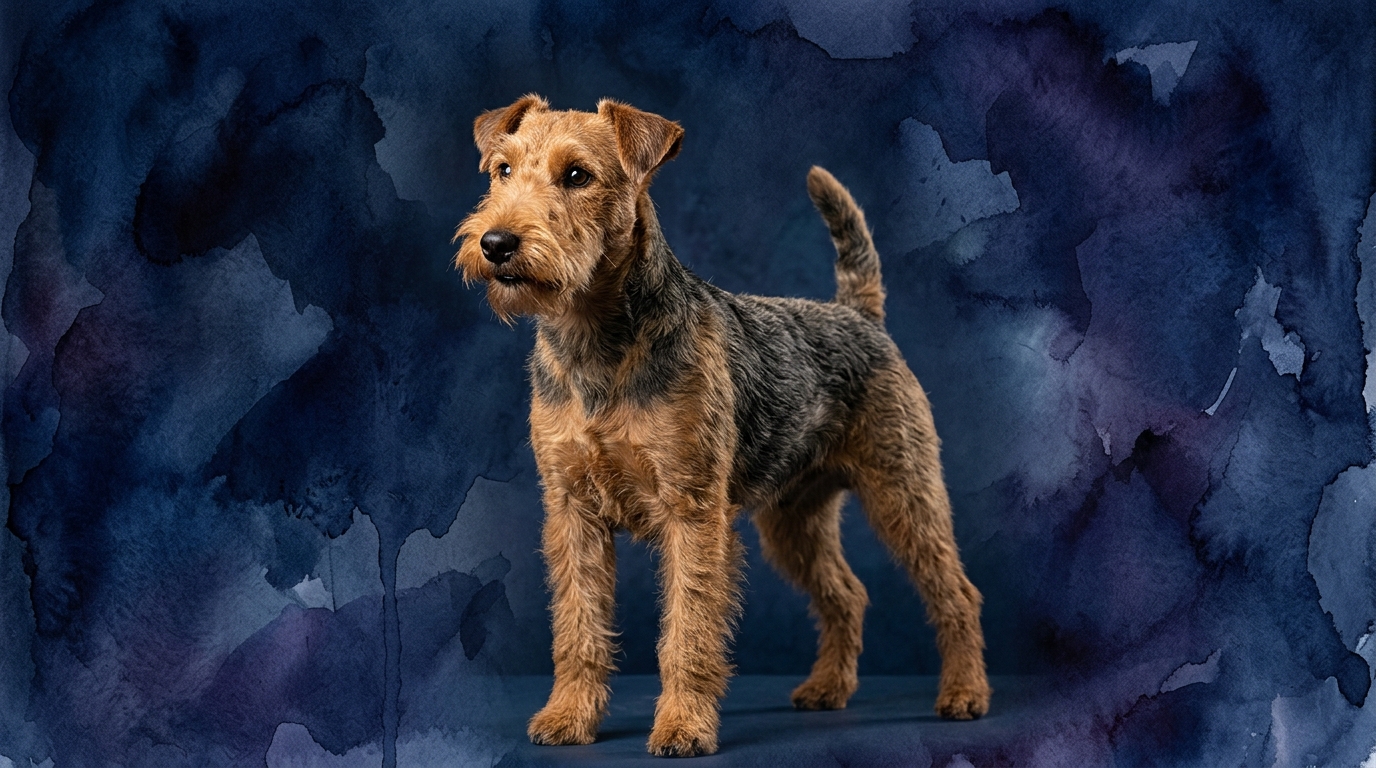
**Welsh Terrier (Terrier Group, Not Coren-Ranked)**: The spirited Welsh Terrier presents a distinct cognitive makeup. Its **Problem Solving (3/5)** ability is practical and tenacious, often using agility and persistence to overcome obstacles, such as strategizing to reach a desired object. **Training Speed (3/5)** is moderate; they grasp commands steadily when engaged, though their independent streak can sometimes influence perceived compliance. **Social Intelligence (3/5)** is also moderate, allowing them to understand human moods to a reasonable extent, though their focus often remains on their own interests and immediate environment. A moderate **Instinctive Drive (3/5)**, typical of terriers, centers on exploring, scent work, and a keen interest in small prey, rather than strong protective instincts. Their **Memory (3/5)** is dependable for commands, routines, and preferred locations, retaining information effectively over time, especially with consistent reinforcement.
Where the Saint Bernard Wins Cognitively
The Saint Bernard's cognitive profile truly excels in areas demanding profound social understanding and a powerful, purposeful drive. Their impressive **Social Intelligence (4/5)** significantly outpaces the Welsh Terrier's (3/5), making them exceptionally attuned to human emotions and intentions. A Saint Bernard might intuitively sense a family member's distress, offering comfort without being prompted, or subtly adapt its behavior to a quiet household's needs. This empathetic awareness fosters incredibly strong, nuanced bonds, allowing them to anticipate needs and respond with gentle, appropriate actions, making them deeply intuitive companions.
Furthermore, their **Instinctive Drive (5/5)** is a dominant cognitive strength, far exceeding the Welsh Terrier's (3/5). This isn't merely about physical activity; it's a profound, innate sense of purpose, historically tied to their rescue heritage. This drive manifests as a calm, watchful guardianship over their family and territory, an inherent desire to be useful, and a heightened awareness of their environment for potential concerns. This cognitive trait means they are naturally inclined to be reliable, protective companions who often take their role within the family seriously, even without formal training in specific tasks, providing a steady, reassuring presence.
Where the Welsh Terrier Wins Cognitively
The Welsh Terrier's primary cognitive advantage lies in its **Training Speed (3/5)**, which, while moderate, is notably quicker than the Saint Bernard's (2/5). This means Welsh Terriers generally absorb new commands and routines with greater alacrity, making them more responsive to consistent, engaging training methods. Their quicker processing of instructional cues allows for a more dynamic learning experience, where they can progress through a curriculum of tricks or obedience commands at a steadier clip, often enjoying the mental stimulation of learning something new.
While both breeds share a **Problem Solving (3/5)** score, the Welsh Terrier's approach often appears more agile and persistent in practical, physical challenges. Their smaller size and terrier tenacity mean they might try various methods to achieve a goal, like figuring out how to squeeze through a gap or retrieve a toy from a tight space, leveraging their physical attributes with a focused mental effort. This tenacious problem-solving, coupled with their faster training uptake, means they can quickly learn and adapt to new puzzle toys or environmental cues, often showing a spirited determination to succeed where others might give up.
Which Is Easier to Train and Why
When evaluating ease of training, the Welsh Terrier generally presents a more straightforward experience due to its higher **Training Speed (3/5)** compared to the Saint Bernard's (2/5). Welsh Terriers tend to grasp new commands with less repetition, responding well to varied and stimulating sessions that capitalize on their natural curiosity and desire for engagement. Their moderate social intelligence allows them to understand human directives, and while they possess an independent streak, a well-motivated Welsh Terrier can be quite eager to learn and perform, making training a rewarding, if sometimes spirited, endeavor.
The Saint Bernard, on the other hand, requires significantly more patience and consistency in training. Their slower **Training Speed (2/5)** means new concepts take longer to embed, and their calm, sometimes stoic demeanor can be misinterpreted as stubbornness rather than a deliberate learning pace. While their high social intelligence means they understand what is being asked, their inclination isn't always immediate compliance, often needing more time to process and decide to act. Training a Saint Bernard is more about gentle, persistent guidance and building a strong, trusting relationship over time, rather than expecting quick obedience or rapid mastery of complex commands.
Which Suits Active Owners vs. Relaxed Owners
For active owners seeking a canine companion for various adventures, the Welsh Terrier is often a more suitable match. Their moderate **Instinctive Drive (3/5)** translates into a need for regular mental and physical stimulation, enjoying activities like brisk walks, agility courses, or scent work. Their tenacity in **Problem Solving (3/5)** means they thrive on challenges, and their quicker **Training Speed (3/5)** makes them amenable to learning new sports or tricks, keeping them engaged and preventing boredom. They are dogs that appreciate having a 'job' or purpose, even if it's just exploring the neighborhood or engaging in vigorous play.
Conversely, for more relaxed owners who appreciate a calm, steadfast presence, the Saint Bernard is an ideal choice. While they possess a formidable **Instinctive Drive (5/5)** for guardianship, this often manifests as a calm, watchful demeanor rather than a need for constant high-intensity physical exertion. Their high **Social Intelligence (4/5)** means they are content with being close to their family, offering comfort and companionship. They are less demanding in terms of high-energy activities and are generally happy with moderate exercise, making them excellent companions for those who prefer a more sedate lifestyle but still value a deeply connected, empathetic dog.
The Verdict
Choose a Saint Bernard if you seek a deeply empathetic, watchful companion content with a relaxed pace, valuing profound social connection and a gentle, protective presence over quick obedience.
Choose a Welsh Terrier if you desire a spirited, tenacious partner who enjoys engaging activities, learns readily with consistent effort, and brings a lively, independent energy to an active household.
🧠 Find Your Pet's IQ Score
Our Pet IQ Lab assessment covers 25+ tests across 5 cognitive dimensions — personalized to your breed.
Take the Full IQ Test →Frequently Asked Questions
Does a Saint Bernard's high instinctive drive make them difficult to manage?
Not necessarily; a Saint Bernard's instinctive drive, while strong, typically manifests as a calm, protective guardianship rather than an unruly energy. This trait requires appropriate outlets and consistent, gentle guidance to channel effectively, leading to a reliable and devoted companion.
Are Welsh Terriers good for first-time dog owners given their moderate training speed?
Welsh Terriers can be suitable for first-time owners who are committed to consistent, engaging training methods and understand their independent nature. Their moderate training speed means they learn steadily, but their terrier tenacity benefits from clear boundaries and positive reinforcement from the start.
How does social intelligence differ between these two breeds?
Saint Bernards exhibit superior social intelligence, showing a deep attunement to human emotions and intentions, fostering empathetic bonds. Welsh Terriers possess moderate social intelligence, understanding cues but often prioritizing their own interests, leading to a more direct, less overtly empathetic interaction style.