Side-by-side IQ profile
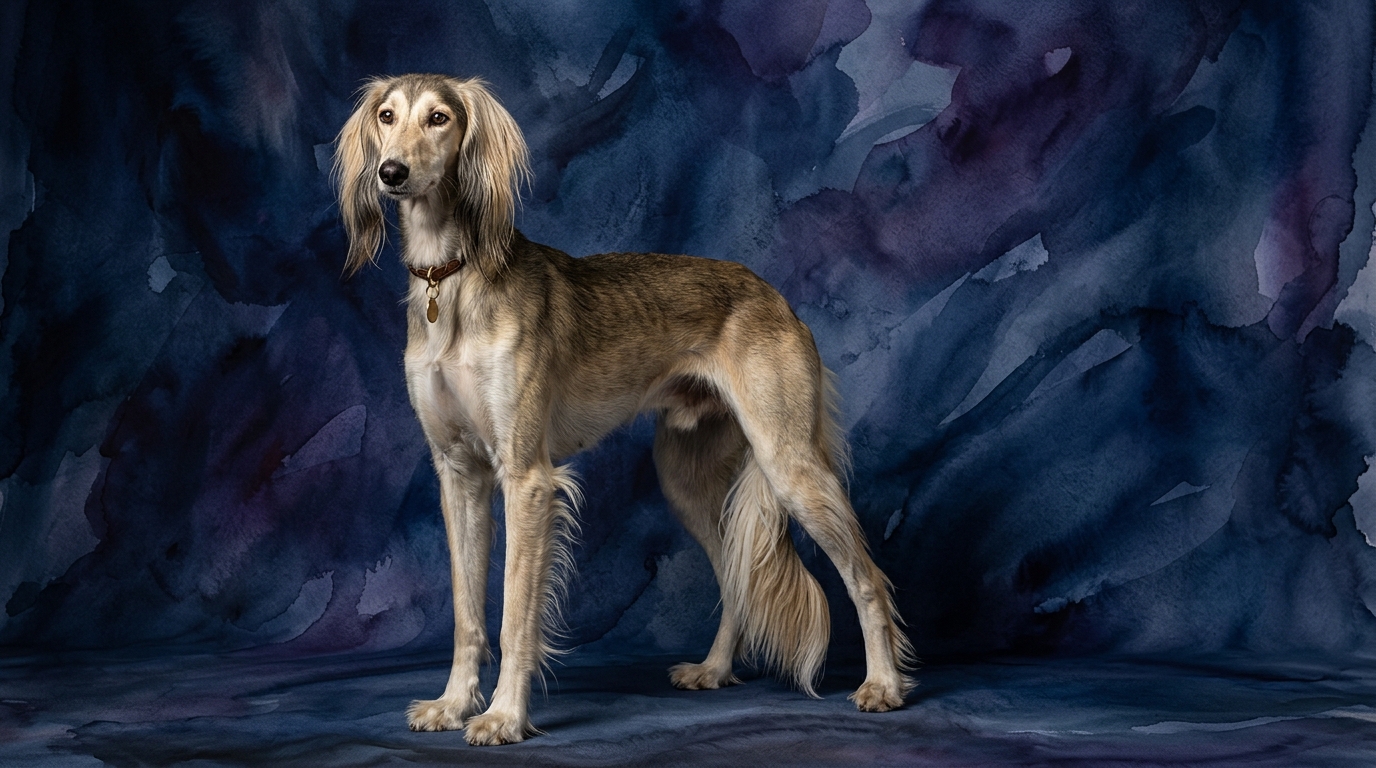
The Saluki, an ancient sighthound, exhibits a problem-solving score of 3/5, often manifesting as independent, strategic thinking in open spaces, where they must assess distance and speed to pursue prey. Their training speed, also 3/5, reflects a need for motivation and an understanding of purpose, as they are not inherently driven to please but to partner. Social intelligence at 3/5 means they form deep bonds with their chosen family but can be reserved or indifferent towards strangers, a trait stemming from their self-reliant hunting style. Their instinctive drive, 3/5, is primarily visual, focused on pursuit, while their memory, 3/5, is geared towards recalling routes, prey patterns, and specific interactions.
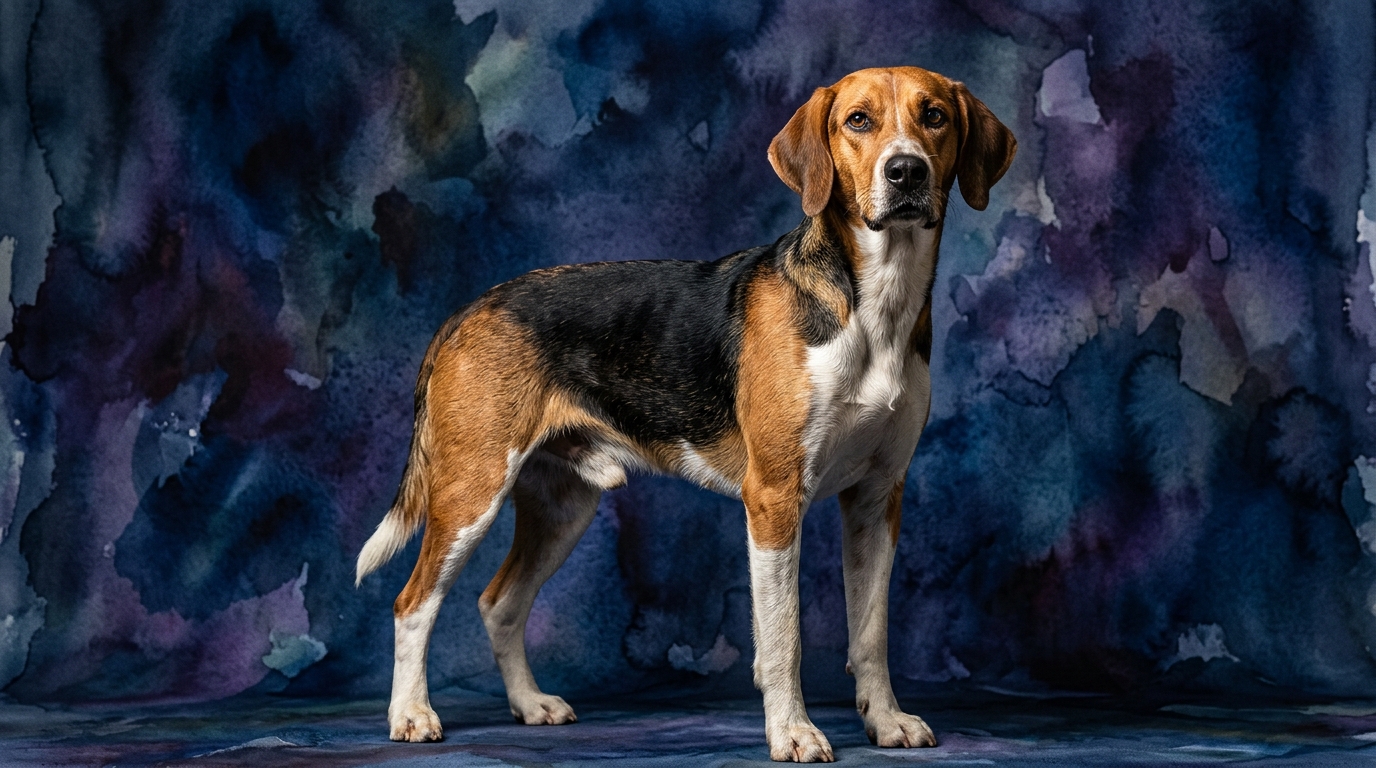
The English Foxhound, a scent hound bred for pack hunting, also scores 3/5 across all categories, yet these scores translate differently. Their problem-solving at 3/5 is often collaborative, involving deciphering complex scent trails and working within a group structure. Training speed, 3/5, indicates they respond well to consistent, routine-based instruction, though their powerful instinctive drive (3/5) for scent can make them easily distracted. Social intelligence, 3/5, highlights their pack-oriented nature, showing tolerance and amiability towards both humans and other dogs, while their memory, 3/5, is exceptional for recalling scent patterns and hunting environment intricacies.
Where Saluki wins cognitively
The Saluki's cognitive strengths shine in scenarios demanding independent thought and rapid, unassisted decision-making. Their sighthound heritage means they excel at processing visual information quickly, assessing dynamic situations, and formulating a course of action without needing human direction. This translates to superior strategic pursuit in open environments, where they adapt on the fly to changing 'prey' trajectories, making them highly effective at tasks requiring self-sufficiency and quick, individual problem-solving over vast distances.
Where English Foxhound wins cognitively
The English Foxhound's cognitive prowess is most evident in tasks requiring sustained focus, collaboration, and intricate sensory discrimination. Their advanced olfactory capabilities mean they can decipher complex scent puzzles, following faint trails over challenging terrain for extended periods. This breed excels in cooperative problem-solving within a group, understanding pack dynamics and working together towards a shared objective, showcasing a resilience to distraction when locked onto a scent.
Which is easier to train and why
While both breeds score 3/5 in training speed, 'ease' differs based on an owner's approach. The Saluki's independent spirit means they require engaging, relevant training, often questioning commands if they perceive no logical benefit. Success comes from building a partnership based on mutual respect and positive reinforcement. The English Foxhound benefits from clear, consistent leadership, stemming from their pack origins. They respond well to routine and reward-based training, but their powerful scent drive necessitates managing environmental distractions, often making recall a significant challenge.
Which suits active owners vs relaxed owners
For active owners, both breeds demand significant commitment, but in different ways. The Saluki thrives with owners who can provide opportunities for intense, short bursts of running in securely fenced areas, followed by ample indoor relaxation. They are not endurance athletes but require specific outlets for their speed. The English Foxhound, conversely, suits active owners who enjoy long, sustained outdoor activities like hiking, jogging, or scent work, as they possess remarkable stamina. A relaxed owner would struggle with the Foxhound's need for consistent, vigorous exercise.
The Verdict
Choose a Saluki if you appreciate an independent, strategic thinker who thrives on short, intense bursts of exercise and forms deep, selective bonds, offering a quiet, dignified companion indoors.
Opt for an English Foxhound if you seek a resilient, cooperative partner for sustained outdoor adventures and scent work, valuing their amiable pack mentality and robust endurance.
🧠 Find Your Pet's IQ Score
Our Pet IQ Lab assessment covers 25+ tests across 5 cognitive dimensions — personalized to your breed.
Take the Full IQ Test →Frequently Asked Questions
Do Salukis and English Foxhounds learn commands at the same pace?
While both score 3/5 in training speed, their learning styles differ. Salukis learn quickly if they see the purpose and are motivated, often needing a partnership approach. English Foxhounds respond well to consistent routine and clear leadership, though their strong scent drive can be a significant distraction during training.
How does their problem-solving intelligence manifest differently in a home environment?
A Saluki might creatively figure out how to access a forbidden countertop treat using leverage or observation, demonstrating independent strategic thought. An English Foxhound, conversely, might systematically work through a complex scent puzzle toy for extended periods, showcasing their sustained focus and olfactory problem-solving.
Which breed is more adaptable to new situations or environments?
Both breeds are moderately adaptable (3/5 social intelligence), but their comfort levels vary. Salukis adapt well to new physical environments if their primary caregivers are present, often remaining reserved with new people. English Foxhounds generally adapt well to new social situations and environments, especially with consistent, friendly introductions.