Side-by-Side Cognitive Profile: Interpreting Identical Scores
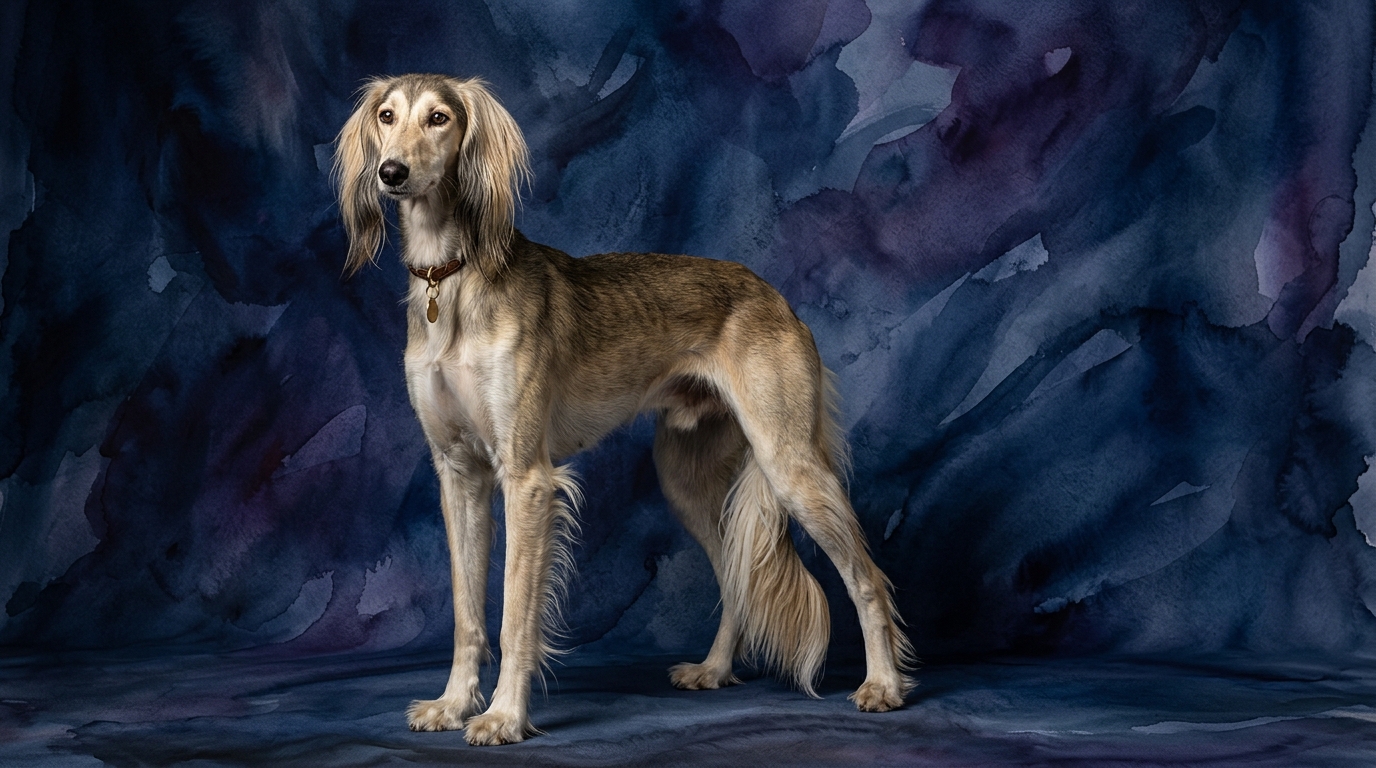
Both the Saluki and the Finnish Spitz register a consistent 3 out of 5 across all five cognitive dimensions: Problem Solving, Training Speed, Social Intelligence, Instinctive Drive, and Memory. This numerical equivalence, however, belies a rich tapestry of behavioral nuances that define their cognitive application. For the elegant Saluki, a sighthound developed to hunt swift game across vast desert landscapes, Problem Solving (3/5) often involves rapid, independent decision-making during a chase, navigating complex terrain to outmaneuver prey without direct human command. Their Training Speed (3/5) reflects an independent nature, requiring handlers to harness motivation rather than demand rote obedience, while Social Intelligence (3/5) typically manifests as discerning affection, forming deep bonds with their inner circle but remaining reserved with strangers. An Instinctive Drive (3/5) is powerfully geared towards visual pursuit, and Memory (3/5) serves them well in recalling hunting grounds and successful chase patterns.
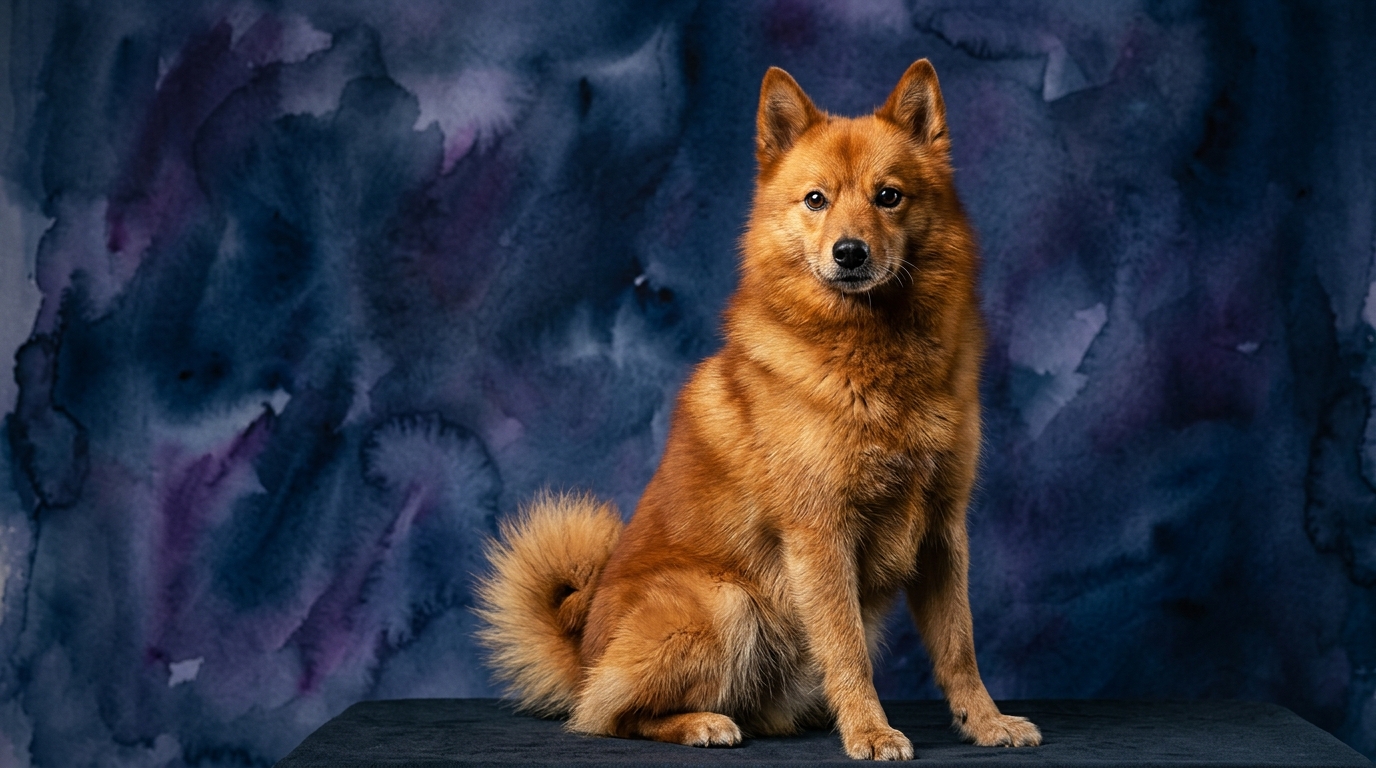
The Finnish Spitz, a lively barking bird dog originating from the forests of Finland, applies its Problem Solving (3/5) to locating hidden game by sound and scent, then using strategic vocalizations to 'point' for the hunter. Their Training Speed (3/5) can be moderate; while eager to engage, their strong independent streak and inherent vocal drive require patient, consistent methods focused on their specific working behaviors. Social Intelligence (3/5) for the Finnish Spitz tends to be more overtly friendly and communicative, often using their voice as a primary means of interaction with both familiar people and novel situations. Their Instinctive Drive (3/5) is strongly tied to locating and alerting to birds, accompanied by a powerful impulse to bark, and Memory (3/5) is crucial for retaining knowledge of prime hunting territories and the specific cues that indicate game presence.
Where the Saluki Excels Cognitively
The Saluki's cognitive strengths truly shine in scenarios demanding autonomous, high-speed decision-making rooted in visual perception. Their Problem Solving (3/5) is less about intricate puzzles and more about dynamic, real-time tactical adjustments during pursuit. They exhibit a remarkable ability to process visual information rapidly, predicting the movements of fast-moving targets and formulating interception strategies on the fly. This specific application of problem-solving is unparalleled, allowing them to make split-second choices that would be impossible for a handler to direct. Their Memory (3/5) is particularly adept at recalling the topography of open spaces, remembering optimal lines of travel, and recognizing familiar landmarks from a distance, all critical for navigating extensive hunting grounds. This visual-spatial memory contributes significantly to their effectiveness as a sighthound, enabling them to return to their handler or home base even after lengthy, independent chases across featureless landscapes.
Where the Finnish Spitz Excels Cognitively
The Finnish Spitz demonstrates a unique cognitive prowess centered on auditory discrimination and sustained focus, essential for their role as a barking bird dog. Their Problem Solving (3/5) is exquisitely tuned to interpreting subtle sounds and scents, allowing them to pinpoint game hidden within dense foliage. This involves a complex cognitive process of filtering environmental noise to identify specific bird calls or rustling, then strategizing the optimal position to engage in their distinctive 'barking point.' Their Instinctive Drive (3/5), while numerically similar to the Saluki's, is channeled into a persistent and communicative alerting behavior, requiring immense concentration and stamina. The Finnish Spitz's Memory (3/5) is particularly strong for associating specific locations with the presence of game, remembering the best spots to find birds season after season. Furthermore, their Social Intelligence (3/5) often manifests in a highly communicative manner, using a varied vocal repertoire not just for hunting, but also to express needs, warnings, and general engagement with their human companions, showcasing a distinct form of social cognition.
Training Dynamics: Saluki vs. Finnish Spitz
Despite both breeds having a Training Speed of 3/5, the practical experience of training a Saluki versus a Finnish Spitz can feel quite different due to their distinct motivations and inherent drives. Salukis, with their independent sighthound heritage, often require handlers to understand their motivation for chase. Training success hinges on making commands highly rewarding, often by linking them to opportunities for movement or high-value treats. Their Problem Solving (3/5) in training might manifest as quickly understanding a pattern, but their strong Instinctive Drive (3/5) for pursuit means they can be easily distracted by visual stimuli, requiring consistent proofing in varied environments. Therefore, while they can learn commands at a moderate pace, their reliability in high-distraction settings demands significant dedication and management of their prey drive.
The Finnish Spitz, conversely, also holds a 3/5 Training Speed, but their challenges often stem from their strong vocal Instinctive Drive (3/5) and independent nature as a hunting companion. They are eager to work alongside their human, but their primary form of communication and hunting strategy involves barking, which can be challenging to manage in a domestic setting. Training for a Finnish Spitz often involves channeling their problem-solving skills into specific tasks, like scent work or agility, to keep them mentally engaged. While they grasp concepts moderately well, consistent training is required to teach them an 'off' switch for barking or to redirect their vocalizations appropriately. Both breeds benefit immensely from positive reinforcement and engaging training methods that respect their inherent predispositions, rather than attempting to suppress them entirely.
Matching Breeds to Lifestyles: Active vs. Relaxed Owners
Neither the Saluki nor the Finnish Spitz can truly be classified as a 'relaxed' dog in the traditional sense, given their 3/5 Instinctive Drive scores, which indicate a moderate but persistent need for mental and physical engagement. However, the *type* of activity they thrive on differs significantly, guiding owners towards one or the other based on their lifestyle. Salukis require outlets for their explosive speed and desire to run. Owners who enjoy activities like lure coursing, long off-leash runs in secure areas, or fast-paced games of fetch will find a willing companion. Their cognitive needs are met through opportunities for independent decision-making during physical exertion, making them ideal for active owners who appreciate a dog that can operate with a degree of autonomy in open spaces. Their Social Intelligence (3/5) means they are content to lounge quietly once their exercise needs are met, but these needs are non-negotiable.
The Finnish Spitz, while not requiring the same vast open spaces for sprinting, needs consistent, engaging activity that stimulates their hunting and vocal drives. Owners who enjoy hiking, scent work, 'find it' games, or even training for dog sports like obedience or rally will find a rewarding partner. Their cognitive satisfaction comes from problem-solving tasks, using their senses, and having appropriate outlets for their vocalizations. They are better suited for active owners who can dedicate time to interactive play and training sessions that channel their natural behaviors, rather than just providing physical exercise. A relaxed owner expecting a quiet, low-maintenance companion might find the Finnish Spitz's vocal nature and need for engagement demanding, while a Saluki might become restless if its need for high-speed runs is not met.
The Verdict
Choose a Saluki if you appreciate an independent, visually driven companion who thrives on bursts of speed and autonomous problem-solving in open environments, forming deep, discerning bonds.
Opt for a Finnish Spitz if you seek an active, vocal partner who excels at auditory problem-solving, loves interactive games, and thrives on consistent engagement, communicating readily with their human family.
🧠 Find Your Pet's IQ Score
Our Pet IQ Lab assessment covers 25+ tests across 5 cognitive dimensions — personalized to your breed.
Take the Full IQ Test →Frequently Asked Questions
Do Salukis or Finnish Spitz bark more?
Finnish Spitz are renowned for their vocal nature, earning them the nickname 'barking bird dog'; barking is central to their hunting strategy and communication. Salukis are generally much quieter, typically only vocalizing when alerting to something or expressing strong emotion, making the Finnish Spitz the more vocally expressive breed.
Are Salukis good with other pets?
Salukis possess a strong prey drive (Instinctive Drive 3/5) due to their sighthound heritage, meaning they may view smaller, fast-moving pets like cats or rabbits as prey. While some can coexist peacefully with careful socialization from a young age, it requires vigilant supervision and understanding of their natural instincts, especially with unfamiliar small animals.
What kind of mental stimulation do Finnish Spitz need?
Finnish Spitz thrive on mental stimulation that engages their keen senses and problem-solving abilities, particularly through scent work, 'find it' games, and training for tasks. Activities that allow them to use their vocalizations appropriately, such as alerting to specific cues or participating in canine sports, also provide significant cognitive fulfillment for this breed.